Author: Nina Carter

  • Master the Art of Peaceful Calm Dog Walking and Strengthen Your Bond

    Master the Art of Peaceful Calm Dog Walking and Strengthen Your Bond

    Mastering calm dog walks transforms a routine outing into a profound bond of trust and teamwork—are you prepared to unlock this peaceful connection? This guide reveals how gentle, positive training techniques can turn your daily walks into moments of harmony, reducing pulling and distractions while fostering confidence. By understanding canine body language, employing consistent cues, and practicing in gradually challenging environments, you can teach your dog to walk politely at your side. But what happens when unexpected challenges arise, like loud noises or other dogs? Recognizing and managing these risks with patience and tailored strategies ensures safety and progress. From choosing the right equipment to monitoring progress and adjusting your approach, this comprehensive blueprint emphasizes the importance of calm energy and perseverance. Ultimately, every successful walk deepens your relationship, turning a simple activity into a shared journey of trust and serenity—are you ready to make calm, connected walks a reality?
    Build Trust and Strengthen Your Bond with Calm Dog Walking

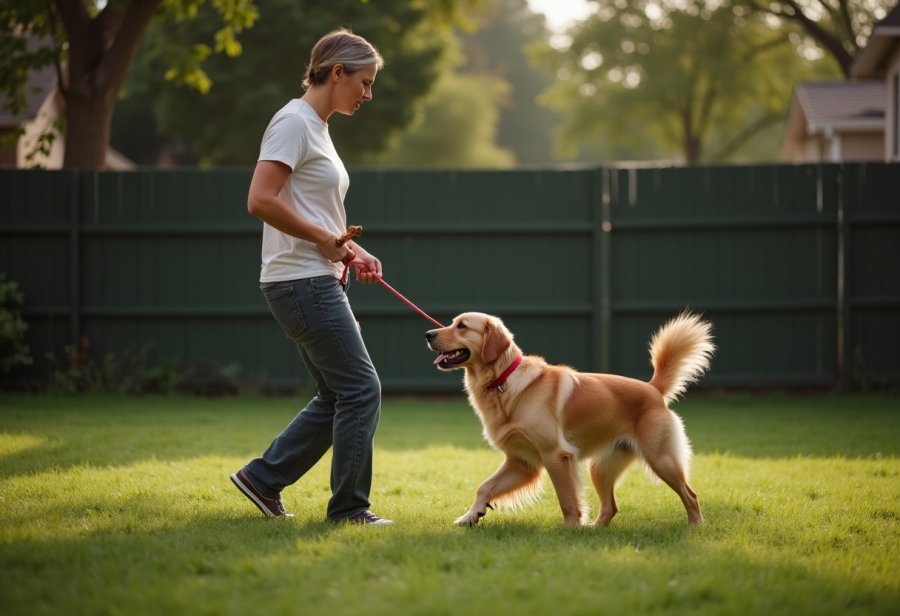
    Walking calmly with your dog isn’t just about getting from point A to point B; it’s a foundation for building trust and strengthening your bond. When your dog learns to walk politely at your side, daily outings become more enjoyable and less stressful for both of you. Calm walks help prevent pulling, lunging, and distractions from taking over, making every adventure safer and more relaxing. Plus, a peaceful walk sets the stage for better obedience and focus, which can improve training in other areas and create a more predictable experience.

    Understanding why calm walking matters is key. When your dog moves at your pace, it reduces risks like pulling into traffic or startling others. It also helps establish clear boundaries, making your dog feel secure and confident in your leadership. This mutual trust transforms routine walks into moments of connection, where your dog feels safe and understood. Over time, these calm routines lay a solid foundation for a well-behaved, happy dog that genuinely enjoys spending time with you.

    The goal is to make each walk a shared experience rooted in calmness, focus, and joy. When your dog walks at your side, they become more attentive to your cues and commands. This focus not only makes training smoother but also turns outings into bonding opportunities. The trust that develops through consistent, gentle guidance makes your dog feel more secure, turning what could be a frustrating chore into a peaceful, rewarding activity. Mastering calm walking transforms daily routines into meaningful moments that deepen your relationship and create lasting harmony.

    Master Essential Principles for Peaceful Walking

    Calm dog walking begins with understanding your dog’s natural behavior and applying gentle, positive training techniques. Recognizing what relaxed walking looks like—such as loose leash, soft eyes, and a relaxed body—sets a clear foundation. When your dog moves calmly at your side, it signals trust and confidence, making the walk more enjoyable for both of you. Building this trust involves consistent cues and rewards, like treats or praise, which reinforce the desired behavior and motivate your dog to stay focused.

    Modern training emphasizes kindness over dominance. Instead of correction or punishment, guiding your dog with gentle guidance and positive reinforcement fosters cooperation and reduces stress. When your dog associates calm walking with rewards, they’re more likely to repeat that behavior willingly. Clear, consistent commands like “heel” or “walk nicely” help your dog understand what’s expected, turning calmness into a routine rather than a chore.

    Understanding canine body language is crucial. Signs of stress or excitement, such as tucking the tail or flattening ears, signal that your dog may need a break or redirection. Responding early with calm cues and gentle redirection helps your dog feel secure and eager to cooperate. This awareness allows you to adjust your approach before problems escalate, maintaining a peaceful walk.

    Addressing common challenges like pulling or distracted behavior requires patience and adaptability. Focus exercises, such as rewarding attention when your dog looks at you, teach self-control. Managing distractions gradually, starting in quiet environments and increasing difficulty over time, helps your dog learn to remain calm amid stimuli. Flexibility in your methods ensures progress without frustration.

    Every dog is unique, and training should be tailored to individual responses. Tools like clickers, calming sprays, or anxiety wraps can support your efforts, especially with nervous or energetic dogs. Reassessing your approach when setbacks happen—by simplifying exercises or reducing distractions—keeps the training positive and effective. Consistency and patience turn calm walking into a natural part of your daily routine.

    Finally, the key to successful training lies in your own demeanor. Walking with relaxed posture, steady breathing, and a calm voice models confidence and tranquility for your dog. Your calm energy encourages your dog to mirror that serenity, making each walk a shared experience of trust and connection. With time and persistence, these principles lay the groundwork for peaceful, joyful outings that strengthen your bond.

    Harness Effective Techniques to Cultivate Calmness

    Achieving calmness during walks starts with establishing clear, consistent cues like “heel” or “walk nicely.” These commands give your dog a specific focus, making it easier for them to understand what behavior is expected. Reinforce these cues immediately with treats or praise whenever your dog walks at your side, creating a positive association. Starting in quiet, low-distraction environments helps your dog build confidence and master these cues without feeling overwhelmed. Keep sessions short, around five to ten minutes, and gradually introduce mild distractions as your dog improves, always rewarding calmness to reinforce good habits.

    Positive reinforcement is the cornerstone of calm walking. When your dog remains focused and walks politely, reward generously with treats, gentle praise, or calm petting. Consistency is key—practice daily in familiar settings so your dog begins to see this routine as normal. When distractions occur, gently redirect their attention with a cue or treat, praising when they refocus. This gentle redirection, paired with praise, makes training humane and effective, fostering trust and cooperation rather than frustration.

    Managing distractions is often the biggest challenge. Dogs are naturally curious, and sights or smells can easily pull their attention away. To minimize this, start training in environments with fewer stimuli and gradually introduce more distractions as your dog’s focus improves. Use your cues to quickly regain their attention and reward calm, focused behavior immediately. Tools like a front-clip harness can help control pulling in tricky situations, making it easier to guide your dog back to focus without creating tension.

    Your own energy plays a vital role. Walking with a relaxed posture, steady breathing, and a calm voice encourages your dog to mirror that serenity. Avoid tense movements or frustration, as these can escalate your dog’s excitement. Instead, remain patient and gentle, using your calm demeanor as a model. When your dog shows signs of distraction, redirect with a cue and reward their attention. Consistently modeling calmness helps your dog stay relaxed, even in challenging settings.

    Sometimes, traditional methods aren’t enough, especially with anxious or energetic dogs. Incorporate tools like clickers to mark good behavior or calming aids such as treats, sprays, or anxiety wraps to support relaxation. Combining these with your basic training techniques creates a more peaceful environment. Be adaptable and patient—progress may take time, but with steady effort, your dog will learn to stay calm and focused during walks, turning each outing into a shared moment of trust and harmony.

    Apply Calm Walking Strategies in Real-World Settings

    Practicing calm walking in everyday situations makes training feel natural and integrated into your routine. For example, when navigating busy streets, stay focused on your cues like “heel” while rewarding your dog for staying close and attentive. This consistency helps your dog understand that maintaining calmness and focus is always expected, regardless of surroundings. In quieter places such as parks or neighborhood sidewalks, gradually introduce mild distractions like passing dogs or children. This helps your dog learn to remain composed in different environments, building confidence and reinforcing good habits across settings.

    Walking with multiple dogs adds complexity but also offers a great opportunity for reinforcement. Use clear commands like “heel” to keep each dog focused and relaxed, even if they’re pulling in different directions. Short, regular walks in familiar areas help establish routines before gradually increasing walk length or introducing busier environments. Keeping all dogs close and attentive promotes a peaceful atmosphere and strengthens your leadership, making outings more enjoyable for everyone.

    Your own demeanor influences your dog’s calmness more than you might realize. Walk with relaxed posture, steady breathing, and a calm voice. When your dog shows signs of distraction or pulls, gently redirect their attention with cues or treats, praising calm focus immediately. Over time, your calm energy becomes a model that your dog naturally mirrors, helping them stay confident and relaxed, even amid chaos.

    Prepare for common challenges like encountering other dogs or loud noises by practicing in less crowded times first. When distractions appear, rely on your cues and rewards to bring your dog back to focus. If your dog becomes overwhelmed, calmly guide them away or use calming tools like treats or anxiety wraps to de-escalate. Consistent, patient redirection teaches your dog that staying calm is always more rewarding than reacting impulsively.

    If setbacks occur—such as increased pulling or reactivity—return to simpler exercises in quieter environments. Reinforce foundational commands and reward small successes to rebuild your dog’s confidence. Remember, setbacks are part of the learning process, not failures. Patience and persistence are essential, ensuring your dog learns that calm, focused walks are always within reach.

    Building a support network enhances your training efforts. Connecting with trainers, joining local classes, or participating in online communities provides valuable guidance and encouragement. Sharing experiences with other dog owners can offer fresh strategies and motivation, especially during challenging phases. These resources help you stay consistent and adaptable, turning setbacks into opportunities for growth.

    Every walk is a chance to reinforce calmness and trust. Stay flexible in your approach, adjusting routines based on your dog’s responses and the environment. With steady practice and a composed mindset, your dog will learn to remain focused and relaxed in a variety of settings. These real-world applications turn training into daily successes, transforming walks into peaceful, bonding moments that deepen your connection and make every outing a shared achievement.

    Budget Wisely for Successful Dog Walking Training

    Training a dog to walk calmly alongside you involves some financial considerations, but the costs can vary depending on your approach and the tools you select. Basic equipment like a sturdy leash, a comfortable harness, and treats are essential starting points, and they’re generally affordable—ranging from around $10 to $50. Investing in quality gear early can make training more effective and comfortable for your dog, setting a solid foundation for progress.

    If you choose to enroll in professional classes or hire a trainer, expect costs to rise. Group sessions tend to be more budget-friendly, often costing between $100 and $300 for a series of classes, while private lessons can go up to $50 to $100 per hour. While pricier, personalized guidance can accelerate your dog’s learning and address specific behavioral challenges more efficiently.

    Books and online courses offer a cost-effective way to deepen your understanding without a big investment. Many reputable resources are available for $20 to $100, providing step-by-step guidance that you can revisit as needed. This flexibility helps maintain consistency in your training routine and makes steady progress more manageable over time.

    Additional tools like clickers or calming aids—such as sprays or supplements—may add to your expenses but can be well worth the investment, especially for dogs with anxiety or heightened energy levels. Planning for these items in advance helps you stay consistent and avoid gaps in your training efforts.

    It’s wise to set a realistic budget that covers both essential equipment and any professional support you might want. Doing so ensures you can stick to your training schedule without financial stress, making your goal of calm, focused walks more achievable.

    Remember, you don’t need the most expensive gear or services to see results. Prioritizing quality basics and seeking guidance when needed will give you the best chance at success. Thoughtful planning and a balanced budget turn your dog’s training journey into a sustainable, rewarding experience—one that leads to peaceful walks and a stronger bond.

    Implement Plans and Track Your Dog’s Progress

    Implementing a training plan for calm dog walking starts with setting clear, achievable goals. Break the process into small steps, like mastering the “heel” command or maintaining focus amidst mild distractions. Practice consistently—preferably daily—and in familiar settings to help your dog build confidence and understand expectations. Keeping sessions short, around five to ten minutes, prevents frustration and keeps your dog engaged. As progress develops, gradually introduce more distractions or extend walk durations, rewarding calm behavior throughout to reinforce good habits.

    Tracking your dog’s responses is essential to evaluate progress and fine-tune your approach. Use a simple journal or checklist to note how your dog reacts to cues like “walk nicely” or “heel,” especially in different environments. Record improvements in focus, pulling, or distraction levels. This helps you identify what works best and where adjustments are needed. Seeing small changes over time boosts motivation and keeps you focused on consistent improvement, making the journey feel more manageable.

    Adjust your training based on your dog’s behavior. If they become more distracted or pull more in certain situations, revisit simpler exercises or practice in less stimulating environments. Celebrate small successes to build confidence and encourage continued effort. Remember, dogs learn at different rates, and setbacks are part of the process. Patience and flexibility ensure your training remains positive and effective, leading to a more relaxed, focused walking routine.

    Consistency is key. Incorporate training into daily walks so your dog views calm, focused walking as a normal part of life. Over time, this routine solidifies good habits and makes calmness feel natural. Use your notes to track what’s working and to plan your next steps. Regularly reviewing your progress helps you stay motivated and ensures that each walk becomes an opportunity for growth rather than frustration.

    Monitoring progress isn’t just about noticing improvements—it’s about adjusting your methods to suit your dog’s evolving needs. If certain cues or techniques aren’t producing results, don’t hesitate to try new approaches or tools. Sometimes, a different distraction level or environment can make a significant difference. Keep observing your dog’s cues and responses, and adapt your training plan accordingly to keep moving forward.

    Stay patient and persistent. Progress may seem slow at times, but consistent effort yields results. Recognize every small success as a step closer to peaceful, enjoyable walks. By actively implementing and reviewing your training plan, you foster a sense of accomplishment and strengthen your bond. This ongoing process transforms walks into moments of trust and calm, making daily outings a true reflection of your shared progress.

    Prepare for Challenges and Manage Risks Effectively

    Managing risks during calm dog walks means staying prepared for unexpected challenges that can disrupt your training. Sudden triggers like other dogs, wildlife, loud noises, or unfamiliar people can cause pulling or reactivity. Recognizing these early signs allows you to respond calmly, helping your dog regain focus before the situation escalates. For example, slowing down, giving a distraction cue, and rewarding calmness can prevent bigger issues, reinforcing that staying relaxed is more rewarding than reacting impulsively.

    Setbacks happen, even with consistent effort. If your dog regresses or becomes anxious, return to simpler exercises in less stimulating environments. Patience is key—pushing too hard during stressful moments can intensify anxiety. Instead, gently redirect and praise small successes, which rebuild confidence and trust. Seeing setbacks as part of the learning process keeps your training positive and effective.

    Having an emergency plan keeps walks safe. Carry treats, your phone, and calming aids like sprays or anxiety wraps. If your dog becomes overwhelmed, these tools can help de-escalate the moment. Knowing how to calmly remove your dog from a stressful situation or distract them with a cue helps maintain control and emotional stability, preventing accidents and supporting their well-being.

    Adjust your routine when issues arise. Sometimes, reducing distractions or shortening walks helps your dog recover focus. Revisit basic commands and reward small improvements to boost confidence. Remember, setbacks aren’t failures—they’re opportunities to reinforce calmness and trust. Staying flexible and patient ensures your dog learns that staying composed is always worth the effort.

    Your calm energy is crucial in stressful moments. Remaining composed, using gentle guidance instead of frustration, models confidence your dog will mirror. Redirect with patience and positive reinforcement, showing your dog they can trust your leadership even amid chaos. This calm demeanor reassures them and strengthens your bond, turning challenges into growth areas.

    Building a support network enhances your capacity to handle setbacks. Connecting with trainers or joining dog communities offers tailored advice and motivation. Sharing experiences helps you learn new strategies and stay consistent, transforming setbacks into stepping stones. With ongoing support, you can adapt your approach and keep progress on track.

    Remember, setbacks are part of the process, not a sign of failure. If your dog reacts strongly or pulls more, step back and simplify training. Reinforce foundational behaviors and celebrate small wins. Patience and persistence will help your dog regain confidence and continue improving. Over time, these challenges become opportunities to deepen your calm, focused walking routine, making every outing more peaceful and rewarding.


  • The Legacy of Britain’s First Prime Minister in Shaping Modern Leadership

    Discover how Britain’s first Prime Minister transformed the nation’s political landscape, shifting power from royal decree to parliamentary support. This pivotal figure’s legacy laid the groundwork for modern governance—emphasizing stability, strategic decision-making, and democratic legitimacy. But how did this evolution from unchecked monarchy to support-based leadership truly unfold? From turbulent upheavals like the Civil War and Glorious Revolution to the emergence of cabinet government, the story reveals a gradual yet profound shift that still influences Britain today. The principles established—support from Parliament, collective responsibility, transparent communication—continue to underpin effective leadership amid contemporary challenges. As Britain navigates complex global and domestic issues, can future leaders harness this enduring legacy to sustain stability and trust? The lessons from the first Prime Minister serve as a timeless roadmap, reminding us that responsible, support-driven governance remains vital for a resilient nation. How will these foundational ideas shape Britain’s political future?

    Britain’s First Prime Minister: The Shift from Royal Power to Parliamentary Leadership

    Britain’s first Prime Minister holds a special place in the country’s political history, symbolizing a fundamental shift from royal dominance to parliamentary leadership. His emergence marked the beginning of a system where governance depended on the support of elected representatives rather than the monarch’s absolute authority. This transformation was not instantaneous but evolved through a series of reforms and upheavals that gradually redefined who held power in Britain.

    Before his time, monarchs wielded almost unchecked influence, making decisions supported by a small circle of advisors and royal decree. Over centuries, social tensions and political crises, such as the English Civil War and the Glorious Revolution, chipped away at royal authority. These upheavals paved the way for constitutional limits on monarchy and the rise of Parliament as the central authority—setting the stage for a new kind of leadership rooted in support and legitimacy.

    Figures like Robert Walpole exemplified this shift. Though never officially titled Prime Minister, Walpole’s ability to manage government and maintain stability behind the scenes demonstrated that effective leadership no longer relied solely on royal favor. Instead, it depended increasingly on building alliances within Parliament, a change that laid the groundwork for the office’s formal recognition.

    As the role of Prime Minister took shape, leaders learned to master coalition-building, strategic communication, and navigating party factions. The move toward a constitutional monarchy transformed the monarch’s role into a ceremonial one, while elected officials took on executive responsibilities. These early leaders set important precedents—support-based leadership, cabinet development, and collective responsibility—that continue to influence Britain’s political landscape today.

    Understanding these origins reveals how Britain’s leadership evolved from royal power to a system grounded in democratic principles and parliamentary support. The legacy of Britain’s first Prime Minister is a testament to the power of strategic, responsible leadership—a legacy that still shapes the country’s governance and political culture.

    Tracing the Origins and Evolution of British Political Leadership

    The development of British political leadership was a gradual process shaped by shifting power dynamics and societal upheavals. In the earliest days, monarchs held almost unchecked authority, making decisions through royal decree supported by a small circle of advisors. Governance was heavily reliant on royal favor and personal influence, with little structure beyond the monarchy itself. Over time, mounting tensions and social changes challenged this model, pushing Britain toward a different form of leadership.

    Key events in the 17th and 18th centuries, like the English Civil War and the Glorious Revolution, dramatically altered this landscape. The Civil War questioned royal authority, leading to a temporary overthrow of the monarchy. The Glorious Revolution of 1688 further limited royal power and established constitutional constraints, empowering Parliament and setting new governance standards. These upheavals created space for elected representatives and political factions to take center stage, gradually replacing monarchs as the primary decision-makers.

    During this transformative period, figures like Robert Walpole emerged as de facto leaders of the government. Although he never officially held the title of Prime Minister, Walpole’s skill at managing the government and maintaining stability behind the scenes demonstrated that leadership could depend on parliamentary support rather than royal appointment. His influence made it clear that political power was increasingly rooted in support within Parliament, paving the way for the office’s formal recognition.

    As the role of the Prime Minister began to take shape, early leaders learned the importance of coalition-building, strategic communication, and managing party factions. The move toward a constitutional monarchy meant the monarch’s ceremonial role grew, while elected officials assumed executive responsibilities. These leaders set important precedents—support-based leadership, the development of a cabinet system, and the practice of collective responsibility—that continue to underpin Britain’s political system today.

    The rise of political parties, especially the Tories and Whigs, further organized this evolving landscape. Leaders had to secure parliamentary majorities and navigate factional disputes to stay in power. This environment fostered a focus on political skill and support rather than royal favor, establishing the foundations for modern party politics. By the early 19th century, the office of the Prime Minister was firmly established as the central figure in Britain’s government, built on these early reforms.

    This evolution from royal dominance to parliamentary support transformed Britain’s political culture. The structure of support, cabinet government, and party discipline laid a resilient foundation that still influences governance. Recognizing this history helps us understand how Britain’s leadership style developed into a system centered on support, strategy, and democratic legitimacy—principles that remain vital today.

    How Britain’s First Prime Minister Continues to Shape Modern Politics

    The leadership and reforms introduced by Britain’s first Prime Minister continue to shape the country’s political landscape today. His emphasis on parliamentary support and responsible governance laid a solid foundation for the modern office, influencing how leaders are selected and how they operate within Britain’s constitutional framework. The principles of stability, strategic decision-making, and accountability that he championed remain central to contemporary governance.

    Today’s Prime Ministers rely heavily on the cabinet system and the practice of collective responsibility, both of which originated during his era. These arrangements ensure that government decisions are coordinated and transparent, fostering unity even amid disagreements. They also help maintain stability during times of crisis, allowing the government to act decisively while sharing accountability among ministers.

    Support from Parliament continues to be vital for legitimacy. Modern leaders negotiate with parliamentary factions and opposition parties to secure votes, a strategy rooted in the support-based leadership pioneered in the early days. This approach reinforces the democratic process, encouraging dialogue, compromise, and broad consensus—traits that have become hallmarks of British politics. It helps prevent power from drifting toward authoritarian tendencies and keeps governance rooted in democratic support.

    Strategic communication, a key element of early leadership, remains crucial. Leaders today must clearly articulate policies and justify decisions to both Parliament and the public. Transparency builds trust and accountability, essential for maintaining public confidence in government. This tradition of open communication helps leaders navigate complex issues like economic uncertainty, security threats, or social reforms, ensuring their legitimacy and support.

    The tools and principles established during Britain’s early leadership reforms have evolved but continue to underpin effective governance. The cabinet system, with ministers supporting the Prime Minister, remains a central decision-making framework. Similarly, collective responsibility ensures ministers speak with one voice, maintaining a unified front. These arrangements foster stability and resilience, enabling the government to respond swiftly to evolving challenges.

    Responsibility and stability are still guiding principles for modern leaders. They draw from the early emphasis on earning public trust through sound governance and strategic support. By adhering to these enduring standards, contemporary politicians foster a political environment where decisions are responsible, transparent, and rooted in democratic legitimacy. This ongoing legacy ensures Britain’s political system remains resilient, principled, and capable of facing future challenges with confidence.

    From Past to Present: The Practical Legacy of British Leadership Principles

    The leadership principles established by Britain’s first Prime Minister continue to influence modern governance in subtle yet powerful ways. His focus on parliamentary support and responsible decision-making laid a durable foundation that shapes how leaders operate within Britain’s constitutional framework today. Many of the practices he pioneered—such as cabinet collective responsibility and stakeholder engagement—remain central to ensuring government transparency, stability, and accountability. These traditions foster a political environment where leadership is rooted in support and strategic consensus, preserving the legitimacy of those in power.

    Today’s political landscape still echoes these early reforms. The cabinet system, where ministers coordinate policy and support the Prime Minister, functions as the backbone of decision-making. Collective responsibility ensures ministers speak with a unified voice and share accountability for government actions, helping to prevent internal disagreements from destabilizing the broader agenda. This collaborative approach not only maintains coherence but also reinforces public trust by demonstrating a unified, disciplined leadership.

    Support from Parliament remains crucial for legitimacy and effective governance. Modern Prime Ministers negotiate with party factions and opposition groups to secure votes and build coalitions—an approach rooted in the support-driven leadership of the past. This process encourages ongoing dialogue, compromise, and broad consensus, which are essential for a resilient democracy. It also helps prevent the concentration of power and maintains a system where authority is derived from democratic backing rather than individual authority or patronage.

    Strategic communication has long been a vital tool for effective leadership. Leaders today must clearly articulate policies and justify decisions to both Parliament and the public. Transparent, honest dialogue fosters trust, ensures accountability, and helps navigate complex issues such as economic challenges or security threats. This tradition of open communication, born out of Britain’s early political evolution, continues to be essential in maintaining legitimacy amid rapid societal change.

    The tools and principles rooted in Britain’s early leadership reforms—support-based governance, cabinet unity, parliamentary engagement, and transparent communication—remain fundamental to effective government. They provide a resilient framework that adapts to contemporary challenges while upholding core democratic values. By drawing on this legacy, modern leaders can foster stability, accountability, and trust, ensuring Britain’s political system remains strong and responsive for generations to come.

    Looking Forward: The Future of British Leadership Inspired by Its Roots

    The lessons from Britain’s first Prime Minister remain profoundly relevant as the country navigates today’s complex political landscape. His emphasis on parliamentary support and responsible governance laid a sturdy foundation that continues to shape modern leadership within Britain’s constitutional framework. Leaders now rely on principles like stability, strategic decision-making, and accountability—values he championed from the beginning. The cabinet system and collective responsibility, established in his era, still serve as cornerstones of effective governance, ensuring coordinated and transparent decision-making.

    Modern Prime Ministers draw heavily from these early reforms, balancing strategic policies with the need for broad support. They negotiate within Parliament, foster coalitions, and practice open communication—traits rooted in Britain’s political evolution. These practices help maintain legitimacy, prevent authoritarian drift, and reinforce the importance of democratic backing. The legacy of early leadership emphasizes that sustainable power depends on earning trust through sound governance and transparent support, principles as vital today as they were centuries ago.

    Strategic communication remains a vital tool for contemporary leaders. Clearly articulating policies and justifying decisions to both Parliament and the public builds trust and accountability. This tradition of openness and dialogue helps leaders navigate societal challenges, from economic uncertainties to security threats, with legitimacy and resilience. It ensures that decisions are understood, accepted, and supported, fostering a stable political environment.

    The tools and principles rooted in Britain’s early reforms—support-based governance, cabinet unity, parliamentary engagement, and transparent communication—continue to underpin effective government. They provide a resilient framework adaptable to modern challenges while upholding core democratic values. Leaders who draw on this legacy foster stability, accountability, and public trust, ensuring the political system remains strong and responsive.

    Looking ahead, these foundational ideas offer a roadmap for future leadership. As Britain faces new global and domestic pressures, maintaining support, practicing responsible decision-making, and ensuring transparency will be crucial. The ability to adapt these principles to evolving circumstances will determine how effectively the nation navigates future challenges without losing sight of its democratic roots.

    The enduring influence of Britain’s first Prime Minister’s vision reminds us that responsible leadership is rooted in support, strategy, and integrity. By staying true to these principles, future leaders can foster a political environment characterized by stability, trust, and resilience. This legacy encourages continuous renewal—an ongoing commitment to democratic principles that sustain Britain’s political vitality amid change.

    In essence, the core ideas established centuries ago continue to serve as a guiding light. They remind us that leadership rooted in support and responsible governance is vital for a nation’s strength and legitimacy. As Britain moves forward, embracing these lessons will be key to building a resilient, transparent, and inclusive political future—one that honors its past while confidently shaping its tomorrow.

  • Ensure Safe Winter Driving with the Right Tire Choice

    Ensure Safe Winter Driving with the Right Tire Choice

    As winter’s icy grip tightens, the debate intensifies: are specialized winter tires truly worth the investment for safer driving in freezing temperatures, or are they a costly myth? This compelling preview delves into the science behind winter tires, revealing how their unique rubber compounds and aggressive tread patterns outperform standard tires on snow and ice. Discover how these tires enhance grip, reduce stopping distances, and improve vehicle control—factors that can make the difference between safety and disaster on treacherous roads. While many assume all-season tires suffice, the evidence suggests otherwise, prompting a critical question: should winter tires be a seasonal necessity or an essential safety upgrade? With real-world insights and technical clarity, this work guides drivers to make informed choices that could transform winter driving from risky to reliable. Are you prepared to navigate winter’s dangers with confidence?

    Why Winter Tires Are Essential for Safe Cold-Weather Driving

    Winter tire safety becomes especially important as temperatures drop and icy roads become more common. Many drivers start to question whether their current tires are enough or if investing in specialized winter tires is truly necessary. Understanding how these tires work and why they matter can significantly influence how safely you navigate winter’s challenges. The right tires can make a real difference in your vehicle’s grip, control, and overall safety when conditions turn treacherous.

    Driving in cold weather isn’t just uncomfortable—it’s inherently risky. When temperatures fall below freezing, roads often develop patches of ice and snow, which drastically reduce tire traction. Standard all-season tires, while versatile, tend to lose their grip in these conditions because the rubber hardens as it cools. This hardening decreases contact with the road, making it easier to slip or skid at critical moments. Longer stopping distances and unpredictable handling increase the chances of accidents, turning winter driving into a test of skill and patience.

    That’s where winter tires come into play. They are specifically designed to meet the demands of cold, icy, and snowy conditions. Unlike regular tires, winter tires feature unique rubber compounds that stay softer and more pliable in low temperatures. This flexibility allows the tire to conform better to icy surfaces, providing improved grip and control. Their tread patterns are deeper and more aggressive, with numerous sipes—small cuts in the rubber—that help channel snow, slush, and water away from the tire’s surface. These design elements work together to maximize traction and stability when roads are at their worst.

    Many drivers have heard myths suggesting all-season tires are sufficient for winter driving. However, this is a misconception. While all-season tires are built to handle a variety of conditions, they don’t match the performance of dedicated winter tires on ice and snow. Even on cold days without snow, winter tires often outperform their all-season counterparts because their rubber compounds remain effective well below freezing. Recognizing this difference helps drivers see that switching to winter tires isn’t just a seasonal upgrade—it’s a key safety move that can prevent accidents and provide peace of mind.

    Equipping your vehicle with winter tires is about more than just handling snowy streets. It’s about ensuring safety and confidence behind the wheel. Better grip, shorter braking distances, and more predictable handling help prevent slips and skids, especially on icy patches. Knowing that your tires are designed for cold conditions allows you to focus on the road rather than worrying about losing control. Whether you’re commuting, running errands, or heading into unfamiliar winter terrain, winter tires give you that extra layer of security, turning winter driving from a stressful chore into a safer experience.

    Understanding the Mechanics and Types of Winter Tires

    Winter tires are designed to excel in cold temperatures and challenging winter conditions, setting them apart from regular tires through their specialized construction. The core feature that makes them effective is their rubber compound, which remains softer and more flexible when temperatures drop below freezing. Unlike all-season tires that tend to harden in cold weather, winter tires adapt better to icy and snowy surfaces, maintaining optimal contact with the road. This flexibility is crucial because it ensures the tire can grip uneven, slick terrains more effectively, providing better handling and safety.

    The tread pattern of winter tires also plays a vital role in their performance. These tires typically feature deeper grooves and more aggressive designs compared to their all-season counterparts. The deeper treads help evacuate snow, slush, and water, reducing the risk of hydroplaning and ensuring consistent contact with the road. Tiny slits called sipes are integrated into the tread—these small cuts increase the surface area and create additional biting edges, which help the tire cling to icy surfaces. This combination of design elements ensures winter tires deliver superior traction, even in the most demanding winter conditions.

    There are different types of winter tires tailored to various driving needs. Studless winter tires rely solely on their rubber compounds and tread design for grip, making them suitable for most regions where studs are not permitted. On the other hand, studded tires incorporate embedded metal pins that dig into ice, offering enhanced traction on particularly icy roads. However, the use of studs is regulated in many areas, so checking local laws before choosing this type is essential. Both styles share the goal of improving grip, but their mechanics and benefits vary depending on the specific driving environment and conditions.

    The science behind winter tires centers on their ability to stay pliable and maintain grip in freezing weather. Additives in the rubber blend prevent hardening, allowing the tire to deform slightly and adapt to the irregularities of icy surfaces. This deformation increases friction and contact, which translates into better control. Meanwhile, the tread’s deeper grooves and sipes actively channel snow, slush, and water away from the contact patch. This evacuation process reduces hydroplaning risks and ensures consistent traction, making winter tires reliable even on packed snow or ice-covered roads.

    Understanding these basic concepts clarifies why winter tires are more than just a seasonal convenience—they’re a safety essential. Regular tires tend to harden and lose grip as temperatures fall, whereas winter tires are engineered to perform optimally in cold conditions. Their unique rubber formulations and tread designs work together to provide a significant boost in control, ensuring your vehicle responds predictably when navigating icy patches or snowdrifts. This combination of features helps prevent slipping and skidding, making winter driving safer and more manageable.

    Choosing the right winter tires depends on your specific environment and driving style. For most drivers, studless tires will provide ample grip without damaging pavement or violating regulations. If you frequently encounter icy roads, especially with hard-packed ice, studded tires can offer that extra bite needed for safety. It’s also worth noting that performance varies among different brands and models, so investing in quality tires with proven traction ratings can make a noticeable difference. Proper fitment and maintenance, like ensuring correct tire pressure and regular inspections, further optimize their effectiveness.

    Finally, recognizing that winter tires are a practical investment rather than an unnecessary expense can shift how you approach winter driving. Their ability to stay flexible and grip icy surfaces can mean the difference between arriving safely and facing dangerous skids. They offer peace of mind, especially during long commutes or unfamiliar winter terrains, by providing reliable control and stability. Understanding the mechanics and options available helps you make informed choices, ensuring your vehicle is equipped to handle winter’s worst with confidence.

    How Winter Tires Boost Safety, Grip, and Vehicle Control

    Winter tires significantly boost vehicle control during the colder months, transforming how safely and confidently you can drive on icy and snowy roads. Their specialized rubber compounds remain softer and more pliable in freezing temperatures, ensuring better contact with the road. This enhanced grip means your vehicle responds more precisely to steering inputs, accelerates smoothly, and brakes effectively even when conditions are treacherous. As a result, winter tires help reduce the risk of slipping or skidding, giving drivers greater confidence behind the wheel when it matters most.

    The deep, aggressive tread patterns of winter tires aren’t just for aesthetics—they’re designed to channel snow, slush, and water away from the tire’s surface. This effective evacuation prevents hydroplaning and maintains consistent traction, even when roads are packed with snow or slick with ice. By managing these substances efficiently, winter tires help keep your vehicle stable and predictable, making turns smoother and braking shorter. This improved handling is crucial for maintaining control in unpredictable winter conditions, especially during sudden maneuvers or emergency stops.

    On icy surfaces, winter tires excel because of their ability to bite into the terrain. Unlike standard tires that tend to slide over ice, winter tires with their specialized rubber and tread design cling more effectively to slick patches. Some models even feature metal studs that dig into the ice, providing additional traction where it’s needed most. Even without studs, the tiny slits—sipes—in their tread increase surface grip by creating extra biting edges. This means you’re less likely to lose control on icy roads, making winter driving safer and less stressful.

    Beyond handling ice, winter tires also improve overall vehicle stability during cold weather. They respond more predictably to steering and braking, offering a more responsive driving experience. This responsiveness helps prevent sudden skids or spins, which are common in icy conditions. Shorter braking distances and sharper turns mean you can react quickly to changing road hazards. With winter tires, your vehicle becomes more stable and easier to control, even in the most challenging winter environments.

    The peace of mind that comes with using winter tires is invaluable. Knowing your tires are engineered for cold, icy conditions allows you to focus on the road rather than fearing a slip or slide. This added confidence makes long commutes, trips into unfamiliar terrain, or daily errands safer and more manageable. Winter tires don’t just improve safety—they also reduce stress and help you drive with more assurance during the winter months.

    Switching to winter tires is a practical move that pays off in safety and control. Their ability to stay flexible and grip icy surfaces can prevent accidents and give you greater control on the most dangerous roads. Whether navigating icy highways or snowy side streets, winter tires help you arrive safely and confidently. Investing in quality winter tires isn’t just about complying with regulations or preparing for snow—it’s about making your winter driving safer, smoother, and less tense.

  • Unlocking Success from Home: Turn Passions into Profitable Business

    Dreaming of escaping the 9-to-5 grind and turning your passions into profit? Starting a home-based business offers unprecedented flexibility, low startup costs, and the chance to craft a lifestyle on your own terms. But what does it really take to succeed? From identifying a profitable idea and conducting market research to establishing routines and branding, this guide reveals the essential steps to lay a solid foundation. As digital tools evolve and consumer behaviors shift, the future of home enterprise promises even greater opportunities for growth, innovation, and sustainability—if you’re ready to adapt and learn. Can you harness technology, authenticity, and strategic planning to turn your living room into a launchpad for long-term success? Discover how smart management, targeted marketing, and continuous learning can transform your passion into a thriving, resilient business in an ever-changing landscape.

    Unlocking the Freedom and Potential of Home-Based Business

    Starting a home-based business has become an increasingly accessible way to turn passions into a source of income. For many, it offers the chance to escape the rigidity of a traditional 9-to-5 job and create a career that aligns more closely with personal interests and lifestyle goals. With the rise of reliable internet and social media platforms, launching a small enterprise from home is now simpler and more affordable than ever, whether you’re selling handmade crafts, offering consulting services, or running an online store.

    One of the biggest advantages of working from home is the flexibility it provides. You have the freedom to set your own schedule, which helps balance work and personal life more effectively. This independence allows you to pursue your passions without sacrificing family time or personal commitments, making your work feel less like a chore and more like a fulfilling venture. Plus, working from home eliminates commuting costs and time, giving you more control over your day and your budget.

    Starting small doesn’t mean limiting your potential. Many successful entrepreneurs began with just a simple idea and a lot of determination. Whether you’re looking to launch a side hustle or build a full-time business, the digital landscape offers endless opportunities to reach customers and grow steadily. From selling products online to offering specialized services, the key is to identify what you’re good at and where there’s demand, then develop a plan to turn that into profit.

    While the possibilities are vast, it’s essential to approach your home business with some planning. Clarifying your business idea, understanding your target market, and setting realistic goals are crucial first steps. Creating a dedicated workspace helps set boundaries between work and personal life, fostering discipline and focus. Building a business from home is about creating a lifestyle—one that offers independence, satisfaction, and the chance to monetize your skills on your own terms.

    In essence, a home-based business isn’t just about earning extra money; it’s about crafting a life that matches your values and passions. Thanks to technological advancements and shifting market trends, the opportunity to build a meaningful, profitable venture from your living room is within reach. It all begins with a simple idea, a clear plan, and the willingness to take the first step toward turning your passion into profit.

    Laying a Strong Foundation for Your Home Business Success

    Before launching your home-based business, laying a solid foundation is essential. It begins with a clear understanding of what your business will be. Consider your skills, passions, and the resources you have available. What problems can you solve, and where is there genuine demand? Narrowing down your idea helps you focus your efforts and avoid spreading yourself too thin from the start. A well-defined concept makes it easier to develop targeted strategies and set realistic goals.

    Next, conduct some basic market research. Explore online trends, social media groups, and niche communities to gauge interest and identify your ideal customers. This step helps you understand your competition and spot gaps in the market. Knowing your audience allows you to tailor your offerings and messaging, increasing your chances of success. It’s about making smart, informed decisions rather than guessing your way forward.

    Creating a simple business plan is your next move. It doesn’t need to be lengthy—just outline what you’ll sell, who your target customers are, how much you’ll charge, and what your financial goals look like. This plan acts as a roadmap, guiding your actions and helping you stay on track. It also makes it easier to spot potential challenges early, so you can address them before they become bigger issues. Keeping this plan flexible allows room for adjustments as you learn what works best.

    Setting up a dedicated workspace at home is equally important. Having a specific area for work helps you mentally switch into professional mode and keeps your personal life separate. A designated space fosters discipline and minimizes distractions, making it easier to stay productive. Establish routines and consistent work hours to build good habits, especially when working alone. Clear boundaries between work and leisure ensure you don’t burn out and maintain a healthy balance.

    Understanding your target audience is crucial for effective marketing. Define who your ideal customers are, what they need, and how best to reach them. This knowledge helps you craft messages that resonate and choose the right channels to connect with your audience. Avoid wasting time on broad, unfocused efforts—precision in your marketing efforts leads to better results and faster growth.

    Legal and administrative steps are often overlooked but are vital for a legitimate operation. Register your business, choose a suitable legal structure—like sole proprietorship or LLC—and obtain any necessary permits. These steps protect your personal assets and ensure compliance with local regulations. Starting with minimal expenses, like opening a separate business bank account and tracking your initial costs, allows you to test the waters without risking too much upfront.

    Finally, focus on branding early. Pick a memorable business name, craft a simple logo, and create consistent branding across your website, social media, and packaging. Strong branding builds recognition and trust, making it easier to attract and retain customers. As your business grows, this consistency will serve as a foundation for expanding your reach and reputation.

    By taking these foundational steps—clarifying your idea, researching your market, planning strategically, and organizing your workspace—you set yourself up for long-term success. Building a solid base makes growing your home business more manageable and increases your chances of turning your passion into a profitable venture.

    Developing Your Brand, Operations, and Marketing Strategies

    Building your home business is about creating a strong foundation for growth through smart branding, efficient operations, and targeted marketing. Your brand isn’t just a logo or a name; it’s the story and promise you communicate to your customers. Developing a clear, consistent message helps you stand out in a crowded market and builds trust over time. When your branding aligns across your website, social media, and packaging, it reinforces your identity and makes your business memorable.

    Streamlining your daily routines is key to maintaining a steady momentum. Establish routines that suit your style, set specific workflows, and manage inventory efficiently. Clear processes help ensure quality and reduce chaos, allowing you to focus on what truly matters—serving your customers and growing your brand. Automating routine tasks like social media posting or order processing frees up your time for strategic planning and creative pursuits.

    Marketing is the bridge that connects your business to your audience. Building a strong online presence through social media, content creation, and email marketing helps you reach potential customers where they spend their time. Sharing behind-the-scenes moments or customer testimonials builds authenticity and trust. Consistent engagement turns followers into loyal clients and advocates for your brand.

    As you gain experience and feedback, look for opportunities to diversify your offerings. Introducing complementary products or services can expand your revenue streams and deepen customer relationships. Automating tasks such as scheduling posts or managing inventory makes scaling your business easier and more manageable. Outsourcing activities like bookkeeping or website updates allows you to focus on growth and innovation.

    Branding and marketing should evolve with your business. Stay attuned to market trends, industry shifts, and customer preferences. Regularly refine your messaging, explore new channels, and experiment with fresh ideas. This flexibility keeps your business relevant and competitive, helping you build a resilient enterprise that adapts and thrives over time.

    Managing your daily operations with discipline and organization is essential. Creating a dedicated workspace, establishing consistent work hours, and using planning tools keep you productive without burnout. Setting boundaries between work and personal life ensures you stay energized and focused. Keeping detailed financial records and tracking expenses simplifies tax time and provides clarity on your profitability.

    Finally, prioritize continuous learning. Stay curious about new tools, industry best practices, and emerging trends. Invest in online courses or join entrepreneurial communities to gain insights and inspiration. This proactive mindset fuels your growth, helps you stay ahead of the competition, and turns your home business into a sustainable, profitable venture built on purpose and passion.

    Mastering Daily Management and Balancing Work-Life Boundaries

    Managing a home business requires establishing routines that keep you productive without feeling overwhelmed. A dedicated workspace helps create clear boundaries between work and personal life, making it easier to switch gears and stay focused. When your work area is separate, you’re less likely to get distracted by household chores or personal tasks, which boosts efficiency and mental clarity.

    Setting consistent work hours is crucial. Communicate these boundaries to family or housemates to minimize interruptions and maintain a professional mindset. Using calendars or task lists helps prioritize daily responsibilities and keeps you organized. Regularly reviewing your goals—either at the start or end of the day—provides a sense of progress and keeps your efforts aligned with your bigger vision.

    Time management is about breaking your day into manageable blocks dedicated to specific tasks. Whether it’s client calls, content creation, or administrative chores, sticking to a schedule ensures steady progress. Don’t forget to include short breaks; they refresh your mind and prevent burnout. Protect your work hours as you would in a traditional setting, and treat your downtime with equal importance.

    Balancing work and personal life can be tricky when boundaries aren’t set from the start. Establish clear limits on your working hours and stick to them. This allows you to enjoy personal time guilt-free and prevents work from creeping into evenings or weekends. Develop routines for winding down, signaling to your brain that the workday is over, which is vital for mental health and sustained motivation.

    Managing administrative tasks like tracking expenses, invoicing, and maintaining financial records also falls under daily operations. Using simple tools or apps can streamline these chores, freeing up more time for growth-focused activities. Staying organized with your finances not only reduces stress but also helps you understand your profitability and prepare for tax season.

    Distractions are inevitable when working from home, but minimizing them makes a big difference. Create a distraction-free environment by controlling noise levels, turning off non-essential notifications, and setting small daily goals. Recognizing and addressing common hurdles early—such as interruptions or procrastination—allows you to adapt your environment and routines effectively.

    Running a home business is about finding a rhythm that supports both productivity and well-being. Clear boundaries, disciplined routines, and good organization turn your space into a powerhouse of efficiency. Consistency in these habits builds momentum, helping your enterprise grow sustainably while maintaining your sanity and personal satisfaction.

    Embracing the Future: Trends and Innovations Shaping Home Business Opportunities

    The future of home business is set to become more vibrant and accessible, driven by rapid technological innovations and shifting consumer behaviors. Advanced tools like virtual collaboration platforms, automation software, and data analytics are transforming how entrepreneurs operate, making remote management smoother and more efficient. These technologies allow small businesses to scale quickly, reduce costs, and adapt swiftly to market changes—all from the comfort of home. As digital tools continue to evolve, the barrier to entry lowers even further, enabling more people to start and grow their ventures without hefty investments.

    Online marketplaces and social media platforms keep expanding, opening up new opportunities for niche markets. Entrepreneurs can now reach global audiences with minimal upfront costs, testing new products or services in real time and refining their approach based on direct customer feedback. This digital expansion means home-based brands can compete on a larger scale, offering personalized, authentic experiences that resonate with consumers seeking unique, handcrafted, or local products. The ability to build a loyal following online is empowering small businesses to thrive in a competitive landscape.

    Emerging trends like artificial intelligence and automation are reshaping how entrepreneurs serve customers and manage operations. AI-powered chatbots provide instant support, while personalized marketing campaigns deepen engagement. Routine tasks such as inventory management, social media scheduling, or bookkeeping become automated, freeing entrepreneurs to focus on strategic growth and innovation. Leveraging these tools not only improves efficiency but also positions home-based businesses for sustained success amid rapid market shifts.

    Environmental sustainability and social responsibility are becoming central to market opportunities. Consumers increasingly favor brands that demonstrate ethical practices, eco-friendly packaging, and community involvement. Incorporating sustainability into your home business isn’t just good ethics; it’s a smart way to stand out and build trust. As transparency and purpose-driven branding gain importance, entrepreneurs who embed social values into their operations will find stronger customer loyalty and increased market relevance.

    Networking and continuous learning are more vital than ever. Online communities, industry forums, and professional groups foster knowledge sharing, mentorship, and collaboration. Staying connected helps entrepreneurs stay ahead of trends, adopt innovative tools, and refine their strategies. Investing in ongoing education—through courses, webinars, or industry events—keeps skills sharp and ideas fresh. Embracing a mindset of innovation and adaptability will be key to thriving in the evolving landscape of home business, turning challenges into opportunities for growth and resilience.