Author: Quincy Garcia

  • Unleashing the Future of Iconic Muscle Cars with Cutting-Edge Power

    Unleashing the Future of Iconic Muscle Cars with Cutting-Edge Power

    Step into the roaring world of the 1970s Chevrolet SS, a symbol of American muscle car dominance infused with raw power, bold design, and rebellious spirit. From its thunderous 454 V8 engine to its aggressive styling and cultural iconography, this era-defining machine captured the thrill of open roads and high-speed rebellion. But what makes these cars timeless is not just their speed—it’s their ability to evoke nostalgia while inspiring modern revival. Today, enthusiasts blend vintage authenticity with cutting-edge technology, keeping the legacy alive through restoration, innovation, and community. The future promises exciting blends of electric power, sleek new designs, and continued rebellion—redefining what muscle cars can be. Will the roar of the traditional V8 endure, or will new innovations forge a new chapter for American performance? One thing remains certain: the enduring spirit of muscle cars fuels a passionate legacy that refuses to fade, beckoning new generations to keep the adrenaline alive.
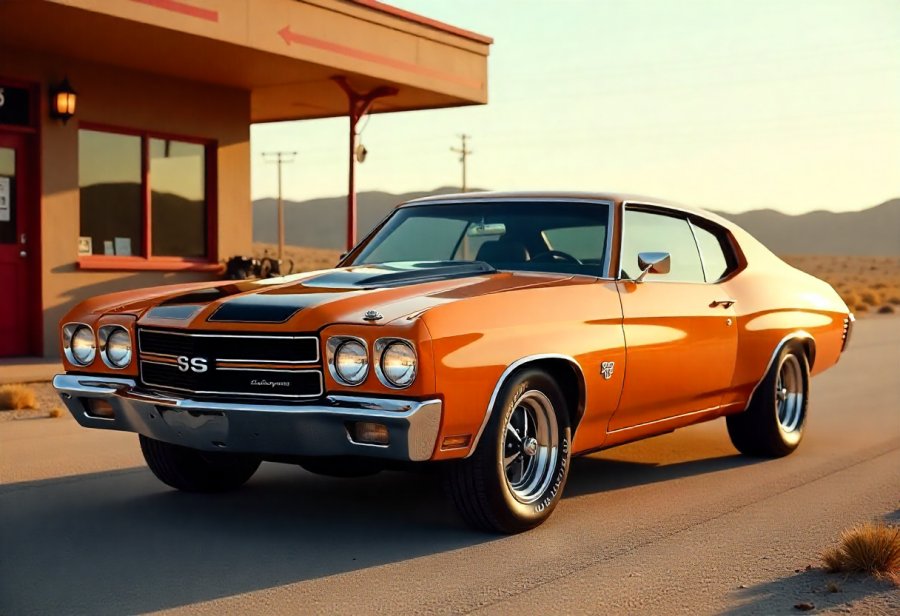
    Unleashing American Muscle: The Iconic 1970s Chevrolet SS

    The 1970s Chevrolet SS stands as a defining symbol of the muscle car era, capturing the essence of American automotive passion at its most bold and uncompromising. These cars weren’t just transportation; they were rolling expressions of power and attitude, designed to turn heads and dominate the streets. With their muscular contours, wide stances, and aggressive styling, models like the Chevelle SS 454 embodied a rebellious spirit that resonated deeply within car culture.

    At the heart of the Chevrolet SS’s cultural impact was its reputation for raw performance. The legendary 454 cubic inch V8 engine delivered staggering horsepower and torque, making it a true beast on the road. The thunderous exhaust and explosive acceleration became hallmarks of the muscle car experience, inspiring awe among enthusiasts and casual observers alike. Every rev of the engine and every roar from the tailpipes reinforced its image as a symbol of American engineering prowess.

    Beyond its mechanical might, the design of the Chevrolet SS reflected a performance-first philosophy. The bold lines, racing stripes, and wide wheel arches were more than aesthetics—they contributed to handling and stability at high speeds. The distinctive paint schemes, like Hugger Orange or black stripes, paid homage to racing roots and the era’s love for show-stopping visuals. These details elevated the muscle car from mere transportation to a statement of style and rebellion.

    The cultural significance of the Chevrolet SS extended far beyond the showroom. It appeared in movies, music videos, and magazines, cementing its status as an icon of American muscle. It symbolized freedom, independence, and a willingness to push boundaries. For many, owning or restoring a classic Chevrolet SS was about connecting with that rebellious, adventurous spirit—an act of defiance wrapped in shiny chrome and roaring engines.

    Restorers and collectors continue to cherish these cars for their authenticity and visceral driving experience. Preserving their legacy involves sourcing original parts and blending vintage charm with modern upgrades, ensuring these legends survive for future generations. Car shows and online communities serve as vibrant hubs where the culture of muscle cars thrives, sharing stories, techniques, and passion.

    The 1970s Chevrolet SS remains a powerful reminder of a time when horsepower ruled and style was just as important as speed. It’s more than a car; it’s a cultural icon that embodies the daring, craftsmanship, and rebellious attitude of the golden age of muscle cars. Its legacy continues to inspire both enthusiasts and newcomers, proving that true power and style never go out of fashion.

    Born from Rebellion: Tracing the Roots of the Muscle Car Era

    Muscle cars in America didn’t appear overnight; they evolved from a unique blend of post-war innovation, racing influences, and a culture hungry for speed. After World War II, automakers started pushing performance beyond basic transportation, inspired by the burgeoning popularity of motorsport and stock car racing. This drive led to the development of high-powered engines and stripped-down models designed for quick acceleration and agility, resonating with young drivers eager to rebel and seek freedom on open roads.

    In the early 1960s, manufacturers began producing vehicles that combined affordability with raw power. Big V8 engines became the signature feature, often housed in lighter, more aggressive bodies crafted to turn heads. The goal was clear: create machines capable of impressive speed at a price accessible to the average consumer. These cars quickly became symbols of independence, embodying a culture that celebrated individualism and standing out from the crowd.

    As the decade progressed, technological advances enhanced muscle cars’ capabilities. Improved suspension systems, better aerodynamics, and innovative chassis designs boosted handling without sacrificing raw speed. Their styling grew bolder—muscular lines, racing stripes, scoops, and aggressive grilles all contributed to their unmistakable look. Automakers fiercely competed to outdo each other in horsepower ratings and eye-catching aesthetics, fueling a fierce muscle car rivalry.

    Racing played a pivotal role in shaping the identity of muscle cars. Tracks and drag strips became testing grounds for high-performance technology, pushing engineers to develop engines capable of handling extreme speeds. This racing DNA translated directly to street models, giving them a reputation for durability and speed. Their aggressive aesthetics weren’t just about looks—they signaled serious capability and a readiness to dominate the streets.

    By the late 1960s, muscle cars had cemented their place as cultural icons. Models like the Pontiac GTO, Ford Mustang, and Dodge Charger appeared everywhere—on billboards, in movies, and in music. These cars represented more than transportation; they embodied rebellion, independence, and the thrill of living boldly. They weren’t just about getting from one point to another—they were about making a statement and asserting identity.

    The rise of muscle cars was driven by a desire to showcase American ingenuity and dominate the streets. Automakers recognized the market for high-performance vehicles that appealed to enthusiasts and everyday drivers alike. The result was a new breed of cars that combined style, affordability, and power, setting the stage for the muscle car boom of the 1970s.

    Throughout this period, muscle cars symbolized freedom, adrenaline, and craftsmanship. They captured the imagination of millions who wanted to push limits and live boldly. These vehicles became more than machines; they became symbols of American rebellion, innovation, and the pursuit of performance. Their legacy endures, reminding us that the true spirit of muscle cars lies in challenging boundaries and making a powerful statement on the road.
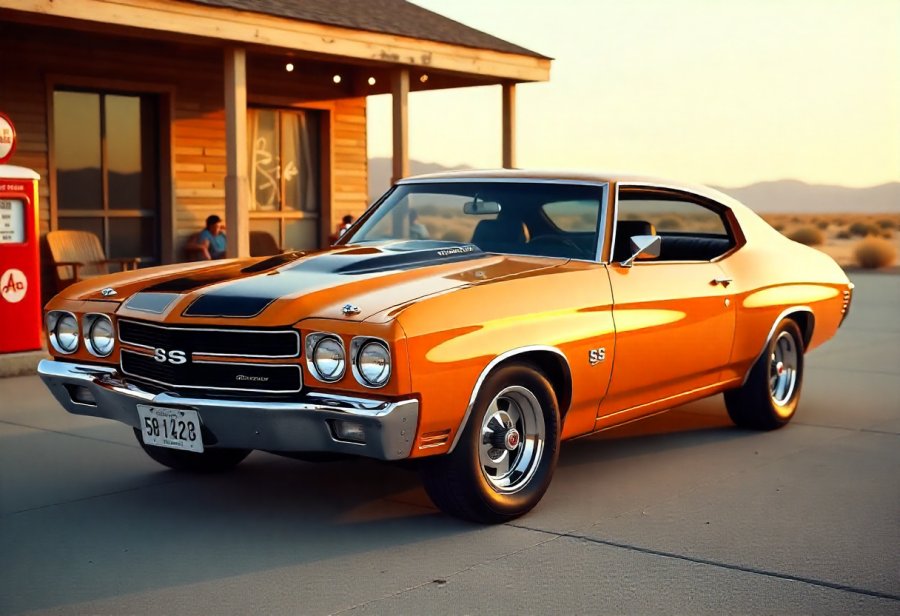
    The Power and Style of the 1970s Chevrolet SS: An Unforgettable Legend

    The 1970s Chevrolet SS stands out as a true icon of power and style, capturing the essence of the muscle car era with undeniable presence. Its design was bold and muscular, featuring aggressive lines, a wide stance, and distinctive accents that commanded attention on the road. The Chevelle SS 454, in particular, became legendary for its commanding silhouette and performance capabilities. Every detail, from the prominent grille to the hood scoops and wide wheel arches, was crafted to emphasize strength and speed, making it a visual statement of American muscle.

    Beneath its striking exterior, the Chevelle SS 454 packed a punch with its massive 454 cubic inch V8 engine. Capable of producing up to 450 horsepower and 500 lb-ft of torque, it was one of the most formidable engines of its time. The deep, thunderous exhaust note became synonymous with muscle car power, echoing the raw energy the car was built to unleash. Accelerating from zero to sixty in just over five seconds, the SS 454 was more than just a showpiece — it was a serious performer on the street and drag strip alike.

    The car’s design reflected a performance-first philosophy. Its muscular stance and aggressive styling cues weren’t just for aesthetics—they enhanced handling and stability at high speeds. Classic paint schemes like Hugger Orange and black stripes reinforced its racing heritage and rebellious attitude. Every element was carefully considered to create a vehicle that looked as powerful as it performed, whether cruising through city streets or showcasing at a car show.

    Beyond its mechanical prowess, the Chevrolet SS became a cultural symbol of American ingenuity and rebellion. Its thunderous engine roars and muscular silhouette made appearances in movies, music, and magazines, cementing its place in pop culture. Restorers and collectors continue to cherish these cars for their authenticity and visceral driving experience. Preserving their legacy involves sourcing original parts and blending vintage charm with modern upgrades, ensuring these legends survive for future generations.

    The legacy of the Chevrolet SS endures because it embodies an era when horsepower and style were inseparable. These cars are more than collectibles; they symbolize freedom, craftsmanship, and the daring spirit of American muscle. Whether driven on open roads, displayed at shows, or restored to pristine condition, the Chevelle SS 454 remains a powerful reminder of the golden age of muscle cars. Its roar continues to inspire enthusiasts and newcomers alike, embodying the bold attitude that defined an unforgettable era.

    From Nostalgia to Modern Revival: The Enduring Allure of Classic Muscle Cars

    The appeal of classic muscle cars like the 1970s Chevrolet SS goes far beyond nostalgia; it taps into a timeless desire for power, rebellion, and individuality. These vehicles, with their thunderous engines and muscular lines, evoke a visceral feeling that continues to captivate enthusiasts and newcomers alike. Restorers and collectors breathe new life into these legends, blending authenticity with modern upgrades to ensure they remain relevant in today’s automotive landscape. Preserving their mechanical integrity and iconic look is a labor of love, as each restored car becomes a rolling tribute to a golden era of American ingenuity.

    The community of muscle car fans plays a vital role in maintaining this vibrant culture. Car shows, online forums, and enthusiast clubs serve as gathering spaces where stories, restoration tips, and passion are shared. These interactions foster a sense of camaraderie that transcends generations, making the preservation and celebration of muscle cars a collective effort. Every restored vehicle is more than a piece of metal; it’s a symbol of craftsmanship and a badge of rebellion that continues to inspire.

    Today’s manufacturers are also contributing to this revival by reimagining vintage aesthetics with contemporary technology. Modern muscle cars often feature sleek, updated designs that pay homage to the golden age while incorporating safety, efficiency, and performance advancements. This blend of past and present appeals to a growing audience that seeks the look and feel of a classic muscle car but with the reliability and comfort expected today. It’s a way to honor history without sacrificing innovation.

    The emotional connection to these cars remains strong. For many owners, restoring a muscle car isn’t just about possession—it’s about reconnecting with a rebellious spirit rooted in freedom and adrenaline. The sound of a vintage big-block engine, the sight of a muscular stance, and the feeling of raw power at the throttle continue to stir excitement and pride. These cars are symbols of American craftsmanship and independence, embodying a daring attitude that refuses to fade.

    Cultural media keeps muscle cars in the spotlight, from classic films like “Bullitt” to modern social platforms where enthusiasts share projects and stories. This digital dialogue helps keep the culture alive, inspiring new generations to appreciate the artistry and performance that define these vehicles. For many, owning and restoring a muscle car is more than a hobby—it’s a way to keep a piece of history roaring into the future.

    Despite the passing decades, the legacy of muscle cars endures, fueled by a shared passion for performance and style. They stand as symbols of rebellion, innovation, and the pursuit of adrenaline, inspiring both respect and desire. Restoring and maintaining these icons isn’t just about preserving vehicles; it’s about keeping alive a mindset of independence and boldness that continues to resonate today.

    As the automotive world evolves, muscle cars are adapting without losing their core identity. Whether through electric reinterpretations or modernized classics, the spirit of American muscle remains alive and well. Each new model, inspired by the past but built for the future, carries forward the audacious attitude that made muscle cars legendary. Their roar may change tone, but the passion and power remain steadfast, ensuring that the muscle car’s legacy will continue to inspire for generations to come.
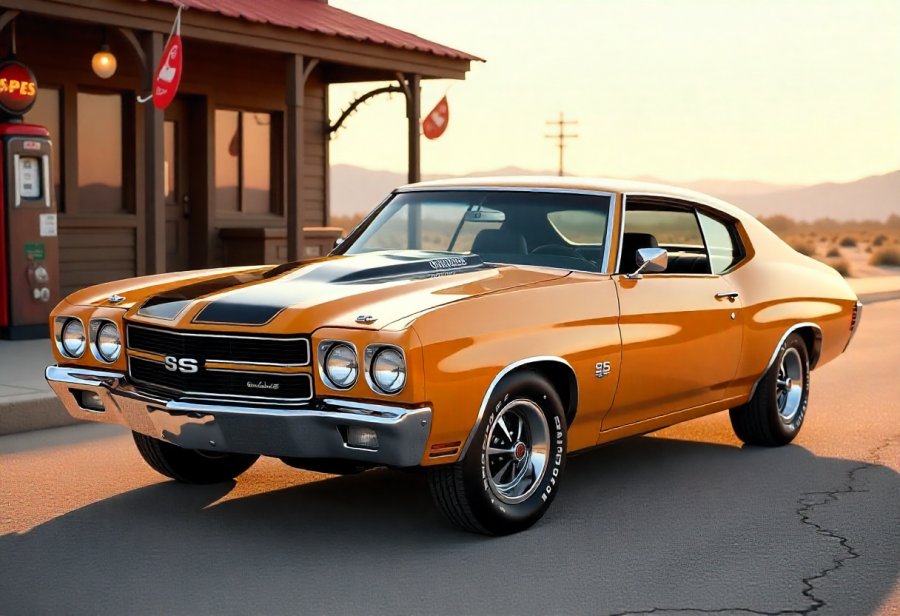
    Revving Into the Future: Innovations and Trends Shaping Muscle Cars Tomorrow

    Looking ahead, the future of muscle cars is blending the raw power and bold style of the past with cutting-edge technology that’s redefining performance. Electric muscle cars are gaining ground, offering instant torque and jaw-dropping acceleration while maintaining that iconic roar enthusiasts cherish. Automakers are reimagining vintage aesthetics with sleek, modern designs, creating vehicles that honor tradition yet incorporate the safety, efficiency, and reliability expected today. This fusion of old-school attitude with new innovation is making high-performance cars more accessible and practical for a wider audience.

    Advancements like lightweight composites, active aerodynamics, and electronic driver aids are transforming muscle cars into more capable performers. These innovations improve handling, safety, and fuel efficiency without sacrificing their aggressive look. Battery technology is evolving rapidly, offering longer ranges and quicker charging times—making electric muscle cars a viable option for everyday drivers who crave speed and style. The idea of a vehicle that combines high performance with sustainability is no longer a distant dream; it’s becoming a reality that appeals to a new generation eager for excitement without the environmental guilt.

    Despite these technological shifts, the cultural essence of muscle cars remains strong. They symbolize freedom, rebellion, and American ingenuity—values that continue to resonate across generations. Manufacturers recognize this emotional connection and are designing models that evoke the spirit of the golden age, even as they incorporate modern tech. This ongoing dialogue between past and future keeps muscle cars relevant, inspiring both nostalgia and innovation in equal measure.

    Enthusiasts and collectors play a key role in shaping this evolution. Car clubs, online forums, and shows provide spaces to share restoration stories, explore new trends, and celebrate the legacy. Following industry news and manufacturer releases helps keep the community informed and excited about emerging concepts—whether hybrid systems that blend the sound and feel of a classic V8 with electric torque or entirely new performance paradigms. This vibrant scene fuels continuous innovation and keeps the passion for muscle cars alive.

    Sustainability is becoming a central theme, with future models potentially offering hybrid or fully electric setups that deliver the same visceral experience—loud, fast, and fiercely independent—while reducing environmental impact. The core spirit of American muscle isn’t fading; it’s evolving, embracing new technologies without losing its rebellious soul. Retro-inspired designs and groundbreaking innovations will continue to coexist, inspiring new generations to push limits and make bold statements on the road.

    In all, the future of muscle cars promises a thrilling blend of heritage and innovation. As technology advances, these vehicles will become more than just symbols of a bygone era—they will be the torchbearers of a new chapter in performance and style. The roar of the engine may change tone, but the essence of American muscle—its attitude, its power, and its spirit—remains alive and well, fueling the passion of enthusiasts and newcomers alike for years to come.

  • Uncover the True Power of Wit and Resilience in Heroes

    Heroism transcends physical strength and superpowers, emphasizing the vital roles of wit, determination, and moral resilience. From ancient mythological figures like Odysseus to modern heroes like Batman, stories reveal that cleverness, strategic thinking, and inner resolve often determine success more than raw power. This evolution in hero archetypes reflects societal values—shifting from divine favor and martial prowess to qualities like ingenuity, emotional intelligence, and collective effort. Today’s heroes face complex challenges, requiring innovative solutions, moral clarity, and resilience in digital and real-world realms. The narrative suggests that heroism is accessible to all, rooted in everyday acts of courage, sacrifice, and perseverance. As we look ahead, the question remains: will future heroism be driven by individual ingenuity or collective resilience in tackling global crises? What qualities will define the heroes of tomorrow in an ever-changing world?

    Unveiling True Heroism: Wit, Resilience, and Inner Strength

    Heroism isn’t just about muscles or superpowers; it’s about mental resilience, quick thinking, and unwavering determination. Throughout history and storytelling, heroes have shown us that cleverness and strategy often matter more than raw strength. Whether facing mythical monsters or modern villains, their success hinges on using their minds as much as their muscles. This blend of intelligence and resolve defines what it truly means to be a hero.

    A hero’s strength isn’t merely physical. It’s about facing adversity with a strong mindset, confronting challenges with courage, perseverance, and a clear sense of purpose. This mental toughness helps heroes endure hardships, make tough decisions, and stay true to their values even when everything seems against them. It’s this inner resilience that often separates those who give up from those who push forward.

    History and stories from around the world reveal that wit and cunning are vital traits for overcoming obstacles. Ancient figures like Odysseus relied on clever plans—escaping danger through strategy and quick thinking—rather than brute force alone. Modern heroes such as Batman demonstrate that detective skills, technology, and resourcefulness can be just as powerful as physical strength. These examples show that heroism often comes down to outsmarting opponents and turning setbacks into opportunities.

    Many assume heroism is all about superhuman powers or extraordinary strength. While those can help, it’s often qualities like cleverness, resilience, and moral clarity that truly set heroes apart. Odysseus’s ability to outwit divine beings and mythical creatures exemplifies this, just as Batman’s reliance on strategy and technology highlights that mental agility is just as effective as physical prowess. It’s the mind’s resilience that often determines victory in the face of impossible odds.

    Heroism also involves sacrifice and moral resilience. Heroes frequently give up personal comfort, safety, or happiness for the greater good. This willingness to put others before oneself demonstrates moral strength and elevates heroism from mere action to a moral stance. Whether risking their lives or sacrificing personal ambitions, heroes embody the idea that genuine bravery involves selflessness and moral conviction, inspiring others and leaving a lasting impact.

    At its core, heroism is about more than external acts. It reflects inner qualities—wit, determination, and moral strength—that enable individuals to face challenges head-on. Heroes teach us that facing adversity with intelligence and resolve can be more powerful than any superpower. This mindset, believing in the strength of the mind, transforms ordinary individuals into true heroes capable of inspiring change and overcoming the impossible.

    Evolving Legends: From Divine Power to Moral Ingenuity

    Throughout history, the concept of heroism has shifted along with the values and priorities of different cultures. In ancient times, heroes like Hercules and Achilles embodied physical strength, bravery, and divine favor. Their stories celebrated martial prowess and sacrifice, symbolizing society’s ideals of power and resilience needed to conquer monsters and divine wrath alike. These figures represented the ultimate warriors—beings who achieved glory through strength, endurance, and divine endorsement.

    As civilizations evolved, so did their notions of heroism. The focus gradually moved from mere brute force to qualities like cunning, adaptability, and moral resilience. Odysseus exemplifies this shift; his long voyage home is filled with clever plans—outsmarting the Cyclops, escaping divine traps—highlighting that intelligence and strategic thinking became just as vital as physical might. This transition underscores a broader view: heroism started to mean using the mind as much as muscle.

    In modern storytelling, that evolution continues. Batman relies heavily on detective skills, technological gadgets, and quick wit rather than superpowers. His ability to outthink villains and plan meticulously mirrors contemporary values—emphasizing mental agility and moral conviction. Today’s heroes often operate within complex social environments, confronting dilemmas that demand both intelligence and resilience, reflecting how heroism has become intertwined with inner strength and moral clarity rather than just physical dominance.

    This ongoing transformation reveals that hero archetypes are not fixed; they adapt to societal shifts. While ancient heroes celebrated divine strength and martial skill, modern ones emphasize inner qualities like moral resilience, ingenuity, and emotional intelligence. These traits resonate with current challenges—climate change, social upheaval, technological disruptions—requiring heroes who can navigate ambiguity, innovate, and lead with purpose. Their stories mirror the evolving demands of the world, emphasizing that heroism is a fluid concept.

    Stories from different eras show how hero figures embody what their culture values most. Mythological gods and warriors gave way to legendary explorers, social activists, and everyday heroes. Each reflects the times’ priorities: divine favor, martial valor, or moral integrity. This fluidity underscores that heroism is not static; it’s a dynamic reflection of societal ideals—adapting to new challenges while maintaining core qualities like resilience, intelligence, and purpose.

    Understanding this evolution helps us see heroism as a mirror of its time. From divine strength to moral courage and strategic thinking, hero figures adapt to the needs and values of their societies. Whether mythological or modern, the enduring lesson remains: true heroism involves facing adversity with resilience, wit, and moral conviction. These qualities transcend eras, shaping heroes who inspire us to confront our own challenges with courage and clarity.

    The Heart of Courage: Wit, Determination, and Sacrifice

    Heroism isn’t just about muscles or superpowers; it’s rooted in qualities like wit, determination, and inner resilience. These traits often matter more than size or brute strength because they enable heroes to adapt, think strategically, and persevere through tough times. Wit, in particular, is fundamental—heroes need to make quick decisions, craft clever plans, and stay calm under pressure. Whether outsmarting enemies or navigating complex dilemmas, their ability to think on their feet often determines success more than raw power.

    Determination forms the backbone of heroism. Heroes face setbacks, dangers, and internal doubts, but their unwavering resolve keeps them moving forward. This persistent spirit allows them to endure hardships that might break others. It’s not just about fighting once but about staying committed to a cause or purpose despite the odds. Their resilience fuels their capacity to turn setbacks into opportunities for growth and eventual victory.

    Sacrifice elevates heroism beyond action. Heroes often give up personal comfort, safety, or happiness for the greater good. Their willingness to put others before themselves demonstrates moral strength and selflessness. Whether risking their lives or sacrificing personal ambitions, heroes embody the idea that true bravery involves moral conviction. Their sacrifices inspire others and leave a lasting impact, elevating their actions from individual acts to moral statements.

    Inner strength underpins all these qualities—resilience, moral clarity, and a sense of purpose. It’s about more than mental toughness; it’s a deep conviction that guides their actions even in the darkest moments. Heroes often wrestle with internal doubts and fears, yet their inner resolve keeps them aligned with their values. This internal fortitude sustains them through crises and helps preserve their integrity, reinforcing that genuine heroism comes from within.

    These core traits—wit, determination, sacrifice, and inner strength—form the foundation of heroism. They support external acts of bravery but are equally vital in shaping how heroes confront adversity on a deeper level. Heroes who embody these qualities demonstrate that strength isn’t solely physical; mental and moral resilience are what truly define heroism.

    Cultivating these qualities makes heroism accessible to everyone. Facing challenges with wit and resolve doesn’t require superpowers—just a willingness to stand firm and act with purpose. These traits inspire others, creating a ripple effect that magnifies the impact of small acts of courage and integrity. They remind us that heroism exists in everyday moments, waiting to be practiced.

    Ultimately, heroism is about internal qualities that enable individuals to face difficulties head-on. Wit, determination, sacrifice, and inner strength allow heroes to endure, adapt, and succeed in the face of adversity. They teach us that real heroism isn’t about being perfect but about showing up with resilience and moral conviction when it matters most.

    Everyday Heroes: Acts of Courage That Change the World

    Heroism in the real world often manifests in quiet, everyday acts that make a lasting difference. Consider volunteers during natural disasters, like floods or earthquakes, who put themselves at risk to rescue others, deliver medical aid, or provide shelter. Their quick thinking and unwavering resolve turn chaos into hope, proving that heroism doesn’t require superpowers—just courage and moral clarity. These acts of bravery inspire communities and foster resilience, demonstrating that heroism is accessible to anyone willing to step up in moments of crisis.

    Across neighborhoods and social landscapes, individuals challenge injustice and support the vulnerable with courage and ingenuity. Someone organizing a neighborhood watch or speaking out against discrimination exemplifies heroism rooted in moral strength. These actions often happen despite potential backlash or personal risk, yet they ignite a ripple effect that encourages others to act. Their resilience and commitment highlight that heroism thrives in small, persistent acts that challenge complacency and promote social good.

    Stories of quiet heroism often involve improvisation and determination. A neighbor using a borrowed boat to save trapped residents or a teacher inventing new ways to engage students during a power outage showcase how heroism is woven into daily life. These moments emphasize that heroism isn’t reserved for grand gestures; it lives in acts of ingenuity, perseverance, and compassion. Such stories remind us that everyone has the capacity for heroism when they act with purpose and resolve, no matter the scale.

    The impact of these acts extends beyond individual bravery. When people confront challenges head-on, they foster hope and strengthen community bonds. Their actions inspire others to follow suit, creating a collective resilience that can recover and rebuild after crises. These stories demonstrate that heroism is rooted in mental resilience and moral conviction—traits anyone can develop and practice. Small acts of courage, repeated over time, can generate profound change.

    Many heroes face internal doubts or moral dilemmas yet choose to do what’s right. Whether intervening in bullying or working long hours during a crisis, they act driven by a deep sense of duty. These moments reveal that heroism often hinges on moral clarity and wit, guiding difficult choices when the stakes are high. Their example shows that heroism isn’t about perfection but about standing firm in core values, inspiring others to find their own courage in everyday life.

    Heroes of the Future: Innovation, Collaboration, and Collective Resilience

    As society advances at a rapid pace, our understanding of heroism is poised to evolve in new and surprising ways. In the past, heroism was largely defined by physical strength, martial skill, or divine favor. Today, these traits remain relevant, but they are increasingly complemented—if not replaced—by qualities like technological savvy, emotional intelligence, and moral resilience. Future heroes may not possess superpowers but will excel in navigating complex digital environments, fighting misinformation, and advocating for social and environmental justice across borders.

    Technological breakthroughs such as artificial intelligence, virtual reality, and social media are expanding the arena of heroism into digital realms. Tomorrow’s heroes could be those who develop innovative tech solutions, lead online movements for positive change, or help others stay safe amid an interconnected world. The core traits—courage, wit, and determination—will stay vital, but the tools and contexts in which they are expressed will shift, making heroism more inclusive and accessible to diverse talents and backgrounds.

    As global challenges grow more intricate, collective effort will become central to heroism’s future. Addressing issues like climate change, inequality, and public health requires collaboration beyond individual acts. The most impactful heroes might be groups working together, emphasizing resilience, shared purpose, and innovative problem-solving. This shift reflects a broader view: heroism isn’t just about solitary feats but about fostering solutions through community resilience and collective moral strength.

    Cultural values will also shape the evolving concept of heroism. As society places greater emphasis on inclusivity, empathy, and integrity, heroism could shift from rare, exceptional acts to the everyday choices of ordinary people. Developing qualities like strategic thinking, moral clarity, and perseverance may become part of education and community life, encouraging everyone to see themselves as potential heroes capable of making a difference in their daily routines.

    The challenges ahead—climate crises, social upheaval, technological changes—demand new forms of bravery. Yet, they also open opportunities for more people to step into hero roles. Small, consistent acts of courage combined with inventive thinking and moral resolve can lead to meaningful progress. As we look forward, heroism is likely to be less about individual grandeur and more about collective resilience, adaptability, and facing uncertainty with wit and integrity.

    By fostering these qualities within ourselves and cultivating a culture that values moral resilience and inventive problem-solving, we can ensure heroism remains a guiding force. Its core traits—wit, perseverance, moral conviction—will continue to define what it means to be a hero no matter how much the world changes. In that way, heroism will remain a timeless, universal force, helping us navigate the complexities of the future with hope, purpose, and collective strength.

  • Unleashing Aries’ Leadership Power Through Boldness and Balance

    Aries, the fiery pioneer of the zodiac, embodies unwavering confidence and fearless leadership, inspiring others to follow their bold initiatives. Their impulsive nature fuels rapid decisions and daring ventures, exemplified by icons like Steve Jobs and Elon Musk, who turned daring ideas into revolutionary realities. Yet, does this impulsiveness threaten their greatest ambitions? While quick action grants advantage, it can also lead to costly mistakes and setbacks if not tempered by strategic thinking. Experts suggest cultivating patience and self-awareness to harness Aries’ innate drive without risking reckless choices. As future leaders, Aries face the challenge of balancing fiery independence with deliberate planning—transforming impulsive energy into sustainable success. Will they learn to channel their passion wisely, avoiding pitfalls while pushing boundaries? Their relentless spirit holds immense potential, but only through mindful action can they truly turn their bold visions into lasting legacies. The question remains: can Aries master their impulsiveness to lead with both courage and wisdom?

    Unleashing the Pioneer: Aries Traits and Natural Leadership

    Aries, the first sign of the zodiac, is all about fresh starts and a pioneering spirit. Known for their confidence and independence, Aries individuals naturally step into leadership roles without needing much prompting. Their boldness isn’t just a personality trait; it’s a driving force that pushes them to take charge in both personal and professional settings. They thrive on challenges and see obstacles as opportunities to prove their strength and resilience.

    Ruled by Mars, the planet of action and war, Aries possess a fiery energy that fuels their enthusiasm and determination. This influence makes them eager to jump into new ventures, often leading the charge with a sense of urgency and purpose. Their direct communication style and honest approach can sometimes come across as blunt, but it’s rooted in authenticity and a desire to be straightforward. They prefer actions over words, which often inspires others to follow their lead.

    Independence is at the core of the Aries identity. They dislike feeling constrained by rules or expectations and prefer to carve out their own path. This desire for autonomy fuels their ambition and pushes them to seek leadership opportunities where they can make decisions and set the direction. Their self-reliance gives them a sense of confidence that can be contagious, motivating others to rally behind their vision.

    This natural inclination toward leadership often manifests in their ability to motivate and energize those around them. Aries leaders don’t wait for permission—they act first and ask questions later. Their fearless attitude can spark innovation and inspire others to pursue bold ideas, making them influential figures in any environment. Whether in entrepreneurship, teamwork, or advocacy, their pioneering spirit often sets the tone for progress.

    While their confidence and drive are undeniable assets, Aries’ impulsiveness can sometimes challenge their leadership. Acting quickly without fully considering all consequences can lead to missteps or conflicts. Despite this, many successful Aries leaders learn to harness their natural confidence while practicing patience and strategic thinking. This balance enables them to lead with both passion and prudence, turning their bold vision into sustainable success.

    Bold Achievements: Inspiring Success Stories of Aries

    Many Aries have made a lasting mark by embracing their boldness and natural leadership qualities. Take Steve Jobs, for example. His fearless approach to innovation and willingness to challenge the status quo transformed the tech industry. Jobs wasn’t afraid to take risks others hesitated to consider, pushing boundaries with revolutionary products like the iPhone and iPad. His relentless drive and daring vision epitomize the Aries spirit—fearless, pioneering, and unstoppable.

    Oprah Winfrey’s journey from humble beginnings to media powerhouse highlights the same daring independence. Her confidence and boldness in forging her own path have inspired millions worldwide. Oprah’s authentic leadership and unwavering belief in her vision showcase how Aries’ daring nature can turn dreams into reality. Despite setbacks, her resilience proves that boldness paired with perseverance can create extraordinary success.

    In the sports world, Serena Williams exemplifies the Aries pursuit of excellence. Known for her aggressive style and mental toughness, she pushes herself relentlessly on the court. Her confidence often intimidates opponents and energizes her fans. Serena’s rise to the top underscores how Aries’ fearlessness and self-belief are vital ingredients in reaching elite levels—especially when coupled with relentless determination.

    Elon Musk stands out as a symbol of daring entrepreneurship. His ventures with Tesla, SpaceX, and Neuralink demonstrate a willingness to take enormous risks others avoid. Musk’s bold vision for the future—colonizing Mars and revolutionizing transportation—reflects the Aries desire to challenge limits and pioneer new frontiers. His fearless risk-taking, even amid controversy, highlights how the Aries spirit can lead to groundbreaking breakthroughs.

    Lady Gaga’s fearless creativity and constant reinvention have redefined cultural boundaries. Her willingness to push industry standards in music, fashion, and social issues showcases her boldness and independence. Gaga’s authenticity and courage to stand out inspire others to embrace their uniqueness. Her career proves how Aries’ fearless attitude can reshape industries and influence culture on a global scale.

    These stories reveal a common thread: Aries’ natural leadership, daring moves, and unwavering confidence often turn bold ideas into reality. Whether revolutionizing technology, entertainment, sports, or space exploration, their drive to lead and innovate propels them to the top. While impulsiveness can pose challenges, these examples show that harnessing boldness and resilience makes them unstoppable. Their success underscores the power of embracing their fiery nature and leading with conviction.

    The Double-Edged Sword: Impulsiveness and Ambitious Drive

    Impulsiveness is one of Aries’ most defining traits, and it plays a crucial role in shaping their pursuit of big ambitions. Acting swiftly and decisively gives Aries leaders an immediate edge, allowing them to seize opportunities before others even realize they exist. This spontaneous energy can propel projects forward at a rapid pace, fueling innovation and giving them the confidence to push beyond conventional boundaries. Entrepreneurs like Elon Musk exemplify this trait, making bold moves on a whim that lead to breakthroughs in space travel and electric vehicles—moves others might hesitate to consider.

    However, this same impulsiveness can turn into a double-edged sword. Making decisions without fully weighing the consequences often results in missteps or setbacks. Aries’ eagerness to act can cause them to overlook important details or rush into ventures prematurely. Their desire for quick wins and immediate results sometimes leads to wasted resources or strained relationships, especially when speed takes precedence over careful planning. The thrill of instant gratification can cloud judgment, risking the very ambitions they aim to achieve.

    Balancing impulsiveness with strategic thinking becomes essential for Aries. They need to trust their gut but also know when to pause and evaluate. Developing habits like setting clear goals or consulting trusted advisors can help redirect their fiery energy into productive channels. When they learn to temper their impulses, their boldness transforms from reckless risk-taking into a powerful tool for sustained success. This balance allows them to turn daring ideas into achievable realities, rather than fleeting sparks that quickly fizzle out.

    The impact of impulsiveness isn’t solely about avoiding mistakes; it’s also about harnessing their natural drive to create momentum. Many of history’s most transformative innovations emerged from quick, instinctual decisions driven by Aries’ fearless attitude. Steve Jobs, for instance, was known for making instinctive choices that revolutionized technology, even if some appeared rash at the time. When managed well, impulsiveness becomes a catalyst for breakthroughs—pushing Aries past limits others might hesitate to cross.

    Still, unchecked impulsiveness can derail even the most ambitious plans. Rushing into negotiations or investments without sufficient preparation can lead to costly errors. The thrill of the chase can overshadow the need for patience, and this impatience might slow progress or cause setbacks. Learning to temper their natural speed with reflection isn’t about suppressing their fiery nature but about channeling it wisely. When Aries can combine their instinct to act quickly with thoughtful planning, their boldness becomes a sustainable force—propelling their ambitions forward without unnecessary pitfalls.

    Wisdom from the Stars: Expert Insights on Aries Leadership

    Astrology experts often view Aries’ leadership qualities as a potent but nuanced mix. Their natural confidence and pioneering spirit are undeniably inspiring, fueling teams and driving innovative projects forward. This boldness allows them to make quick decisions and embrace risks that might intimidate others, often resulting in groundbreaking achievements. Yet, many recognize that this same impulsiveness and desire for control can lead to rash choices, impatience, or even arrogance, especially when they act without enough reflection.

    Experts suggest that Aries can unlock their full potential by cultivating greater self-awareness and practicing patience. Recognizing when their fiery drive might push them toward impulsive decisions helps them pause and consider their options. Incorporating strategic thinking—like setting clear goals or breaking tasks into manageable steps—keeps their energy focused and prevents reckless moves. Seeking advice from trusted mentors can also provide perspectives that temper their tendency to rush ahead, enabling more thoughtful leadership.

    While Aries’ innate boldness is a significant advantage, unchecked impulsiveness can cause setbacks. Their emphasis on swift results might lead them to overlook crucial details or rush into commitments prematurely. This can result in costly mistakes or strained relationships if speed overrides strategy. Learning to balance their natural impatience with patience and reflection transforms their daring into a sustainable force, allowing their ambitions to flourish without unnecessary pitfalls.

    Many astrology professionals emphasize that blending confidence with humility is key. By embracing strategic timing and understanding when to act, Aries leaders can inspire others while avoiding common traps. Developing this balance enhances their resilience and adaptability, turning impulsive tendencies into strengths. When they learn to temper their fiery energy with deliberate action, their leadership becomes not just fearless but also more effective and lasting.

    Ultimately, their true power lies in harnessing their courage and independence while cultivating self-awareness. This balance enables Aries to lead with both passion and prudence, turning bold visions into realities that endure. By doing so, they can continue to push boundaries and inspire progress—without sacrificing the wisdom needed for long-term success. In this way, their fiery spirit becomes a sustainable force, shaping their legacy as unstoppable leaders.

    Forging the Future: Balancing Fire with Strategy for Lasting Success

    Aries’ leadership qualities are deeply rooted in their fearless, pioneering spirit and unwavering confidence. Their natural tendency to take bold actions often propels them toward success, inspiring others along the way. As they look to the future, their greatest strength will be in refining this approach by balancing impulsiveness with strategic thinking. Embracing self-awareness and patience can help them sidestep unnecessary setbacks, turning their daring ideas into lasting achievements.

    The key for Aries is not to suppress their fiery independence but to channel it more wisely. While their confidence can sometimes lead to reckless decisions, cultivating a sense of timing and reflection transforms that same confidence into a more powerful and sustainable force. Developing habits like setting clear goals and seeking outside perspectives keeps them focused and prevents impulsive moves from spiraling out of control.

    Looking ahead, the world is evolving to value collaboration, patience, and strategic planning—areas where Aries can grow. Their innate independence is a strength, but learning to work with others and adopt a more measured approach will amplify their impact. By blending their resilience with a bit of restraint, they can turn bold visions into tangible, enduring realities that stand the test of time.

    Their natural ability to bounce back from setbacks and adapt to new circumstances remains a vital asset. When combined with a more thoughtful approach, this resilience ensures their ambitions are not just flashes of brilliance but sustained momentum. Practicing reflection and seeking advice will help them avoid rushing into decisions that could slow their progress or cause unnecessary conflicts.

    The future offers Aries a chance to harness their impulsiveness as a catalyst for innovation rather than a liability. Quick, instinctual decisions can lead to breakthroughs, provided they temper their speed with patience. This balance allows them to pursue ambitious goals with both passion and prudence, ensuring their energy creates a lasting legacy rather than fleeting successes.

    By learning to combine fiery confidence with strategic discipline, Aries can elevate their leadership to new heights. Their independence and resilience will continue to inspire, but with a more deliberate approach, they can turn daring ideas into sustainable realities. This evolution will enable them to lead not just with courage but with wisdom, securing their place as unstoppable forces in any arena they choose to dominate.

    In the end, the most compelling leaders are those who stay true to their fiery nature while embracing the lessons of patience and reflection. Aries has the raw power to push boundaries and challenge limits—if they learn when to hold back and when to act. By doing so, they will not only achieve their boldest ambitions but also build a legacy rooted in thoughtful action and unwavering conviction. Their journey is one of continual growth, where daring meets discipline, creating leaders who are truly unstoppable.

  • Lincoln’s Enduring Legacy of Courage, Justice, and Unity

    Discover how Abraham Lincoln’s humble origins fueled his extraordinary leadership and transformed a fractured nation during its darkest hours. From a log cabin in Kentucky to the presidency, Lincoln’s journey exemplifies resilience, moral conviction, and unwavering perseverance. His decisive actions—preserving the Union, issuing the Emancipation Proclamation, and inspiring millions with the Gettysburg Address—redefined American ideals of liberty and equality. But what qualities enabled a self-educated frontier boy to lead a nation through civil war and moral upheaval? Lincoln’s strategic patience, empathetic communication, and moral clarity continue to influence modern leadership, guiding efforts for justice and unity today. His legacy raises a compelling question: can unwavering integrity and moral purpose still shape a resilient society amid division and chaos? Ultimately, Lincoln’s life invites us to reflect on how principled leadership rooted in humility and perseverance can inspire lasting change in America’s ongoing pursuit of justice and equality.

    Unlocking the Enduring Legacy of Abraham Lincoln

    Abraham Lincoln’s significance in American history is profound and enduring. As the nation’s 16th president, he stepped into leadership during its most tumultuous moments, guiding a fractured country through its darkest hours. His decisions and words not only preserved the Union but also paved the way for the abolition of slavery, fundamentally reshaping the moral and political fabric of the United States. Lincoln’s legacy embodies perseverance, integrity, and a relentless pursuit of equality—values that continue to define the American identity.

    What makes Lincoln’s story particularly compelling is his rise from humble beginnings. Born in a log cabin in Kentucky, he faced poverty and personal hardship from an early age. Despite limited formal education, his curiosity and self-education fueled his intellectual growth. Through relentless reading and self-discipline, he built a foundation that would support his future leadership, demonstrating that perseverance and moral conviction can transcend social and economic barriers.

    Lincoln’s early life was marked by constant change and hard labor. Moving to Indiana as a child, he worked on farms and attended rudimentary schools, often reading by candlelight long after a day’s work. These experiences instilled resilience and humility—traits that would serve him well in politics and law. His ability to learn independently and his unwavering work ethic became cornerstones of his character, shaping his approach to leadership in turbulent times.

    His fascination with law and politics grew over time, leading him to a successful legal career and early political roles. Despite limited formal schooling, Lincoln’s honesty, sharp intellect, and moral clarity earned him respect among peers. His journey from frontier boy to lawyer and politician highlights how determination and moral purpose can propel someone to the highest levels of influence, no matter their origins.

    Lincoln’s leadership during the Civil War exemplifies strategic insight and moral conviction. He understood that winning the war was about more than military victories; it was about upholding the principles of liberty and ending slavery. His ability to adapt—appointing capable generals and reevaluating strategies—helped steer the Union through its darkest hours, always guided by a steadfast belief in justice and national unity.

    His Emancipation Proclamation marked a turning point. It transformed the war from a fight to preserve the Union into a moral crusade against slavery. By declaring all enslaved people in Confederate territories free, Lincoln not only shifted the moral tone of the conflict but also paved the way for lasting change, inspiring millions and laying the groundwork for the 13th Amendment.

    Lincoln’s Gettysburg Address captured the nation’s spirit, emphasizing that the war’s purpose extended beyond territory to the fundamental ideals of equality and liberty. His words redefined the meaning of sacrifice and unity, inspiring Americans to see their shared purpose in building a more just and inclusive nation.

    His assassination cut short a transformative leadership, but Lincoln’s legacy endures. He exemplified that perseverance, humility, and moral clarity can shape history. His rise from humble beginnings to a symbol of justice and unity continues to inspire generations, reminding us that true leadership is rooted in unwavering principles and an unyielding dedication to the greater good.

    From Log Cabin to Leadership: Lincoln’s Humble Beginnings

    Abraham Lincoln’s childhood was marked by hardship and constant change, shaping the resilience and humility that defined his character. Born in a humble log cabin in what is now LaRue County, Kentucky, in 1809, he grew up in a family struggling with poverty. His father, Thomas Lincoln, was a tough man, and the family moved several times seeking better opportunities, eventually settling in Indiana when Lincoln was a young boy. These early years on the frontier exposed him to the harsh realities of rural life and the importance of perseverance.

    Despite limited access to formal education, Lincoln possessed an insatiable curiosity and a desire to learn. He devoured books whenever he could find them, often by candlelight after long days of work. His self-education in literature, law, and history became the foundation of his intellectual development. This independent pursuit of knowledge demonstrated that dedication and curiosity could overcome the barriers of poverty and limited schooling.

    As a child, Lincoln worked alongside his family on the farm, helping with chores from dawn until dusk. Moving to Indiana at age seven, he continued to face physical labor and attended rough local schools that offered little in the way of formal instruction. Yet, his perseverance in reading and learning, despite these obstacles, underscored his resilience and ambition—traits that would carry him through his later rise in law and politics.

    These early experiences of hardship and upheaval helped forge traits like self-reliance and humility. Lincoln learned that hard work and steadfastness could overcome adversity, lessons that fueled his moral strength and determination. His humble background kept him grounded and aware of the struggles faced by ordinary Americans, fueling his lifelong commitment to justice and equality.

    Lincoln’s journey from frontier boy to successful lawyer and politician exemplifies the American Dream in action. His rise from poverty to national influence shows how perseverance and integrity can break barriers. These humble beginnings strengthened his resolve, inspiring others to believe that leadership can come from anywhere and that moral purpose can triumph over social limitations.

    His early life laid the groundwork for a leadership style rooted in resilience, humility, and moral clarity. These qualities would define his response to the nation’s most turbulent times, guiding him as he navigated the complex path toward ending slavery and preserving the Union. Lincoln’s childhood story remains a testament to the power of determination and self-made success, shaping the leader who would change America forever.

    Guiding a Nation Through Turmoil: Lincoln’s Civil War Leadership

    During the Civil War, Lincoln’s leadership was marked by a rare blend of strategic insight, moral conviction, and political skill. He understood that victory required more than just battlefield success; it demanded balancing military tactics with a moral purpose—ending slavery and keeping the nation united. Lincoln’s ability to adapt was evident in his appointment of capable generals like Ulysses S. Grant and his willingness to change strategies when circumstances called for it. His decisions were guided by a clear moral compass, ensuring that the Union’s cause remained rooted in justice and human dignity.

    Lincoln’s unwavering dedication to the moral cause kept him focused amid mounting political tensions. He saw the abolition of slavery as essential to the nation’s survival, not just a political move. This conviction led him to issue the Emancipation Proclamation, transforming the Civil War into a fight for human rights. Despite fears of alienating border states or weakening support, Lincoln pressed forward, confident that justice must come before political caution. His moral clarity helped rally support and gave the Union a higher purpose.

    Managing the political landscape was equally vital. Lincoln was a masterful communicator, often using speeches and carefully crafted messages to unify a divided country. The Gettysburg Address exemplifies this, with just a few words reaffirming the nation’s founding ideals of liberty and equality. Lincoln framed the war as a moral struggle, emphasizing sacrifice and shared purpose. This speech not only uplifted a weary nation but also redefined the war’s meaning, inspiring Americans to see the conflict as a step toward a more perfect union.

    Throughout the conflict, setbacks and defeats tested Lincoln’s resilience. When military campaigns faltered, he didn’t lose faith; instead, he reassessed, reappointed generals, and adjusted his strategies. His perseverance under pressure became a hallmark of his leadership. Lincoln’s ability to remain steady, even in chaos, kept morale high and the Union on course. His unwavering commitment proved that moral resolve and strategic patience are key to overcoming even the darkest hours.

    Lincoln’s leadership during the Civil War set a blueprint for moral courage and adaptability. His capacity to lead with both heart and mind helped steer the nation through its most perilous period. His strategic patience, combined with a clear moral purpose, turned adversity into opportunity. These qualities transformed a fractured country into a stronger, more united nation—one committed to liberty and justice for all.

    Shaping Modern America: Lincoln’s Principles in Action

    Lincoln’s leadership principles continue to shape modern America in subtle yet profound ways. His emphasis on resilience reminds us that perseverance in the face of setbacks is essential, whether tackling economic challenges, social unrest, or personal struggles. Leaders today who stay committed despite obstacles draw directly from Lincoln’s example of unwavering resolve, demonstrating that steadfastness can turn adversity into opportunity.

    His moral clarity and dedication to equality still serve as a guiding light for contemporary social justice efforts. Movements advocating for civil rights and human dignity often look back to Lincoln’s stance against slavery as a moral foundation. His belief that justice and fairness are core American values fuels ongoing activism and policymaking, inspiring new generations to push for a more inclusive and equitable society rooted in moral conviction.

    The techniques Lincoln used—active listening, honest communication, strategic patience—remain relevant for today’s leaders. Those who understand diverse perspectives, communicate with clarity, and exercise restraint tend to foster trust and unity. Lincoln’s ability to connect with Americans across divides through simple yet sincere speech sets a standard for leadership in polarized times, encouraging leaders to prioritize empathy and authenticity.

    His approach to strategic patience—knowing when to act and when to wait—continues to resonate. Lincoln understood that meaningful change often requires time and persistence, avoiding rash decisions even under pressure. This mindset helps modern leaders maintain stability and build trust, turning seemingly insurmountable obstacles into stepping stones for progress.

    Lincoln’s legacy endures because his core values remain vital. Whether tackling social justice, political polarization, or national unity, his example teaches that steadfastness, humility, and moral integrity are essential to shaping a resilient society. Embracing his principles encourages leaders and citizens alike to act with purpose and patience, fostering a culture of integrity and collective progress.

    Furthermore, Lincoln’s example underscores that effective leadership is rooted in moral purpose, not just strategic advantage. His unwavering commitment to liberty and equality continues to inspire public service and civic engagement today. By embodying his example, current and future leaders can navigate complex challenges while staying true to the fundamental ideals that define America.

    Ultimately, Lincoln’s leadership offers a blueprint for building a more just, unified, and resilient nation. His life shows that perseverance and moral clarity can inspire lasting change, even in the darkest hours. His enduring influence reminds us that principled leadership and unwavering resolve are the keys to shaping an America that truly lives up to its ideals of liberty and justice for all.

    Reflections on a Legacy: Lincoln’s Enduring Impact on Democracy and Liberty

    Abraham Lincoln’s leadership has left an indelible mark on the fabric of American democracy and the core ideals of liberty and equality. His unwavering moral conviction, resilience in the face of overwhelming adversity, and ability to unite a fractured nation exemplify the qualities of true leadership. Lincoln showed that standing firm for justice, even amid chaos, can forge a more unified and just society. His example reminds us that safeguarding democracy requires moral clarity and unwavering resolve, especially when divisions threaten to pull us apart.

    From humble beginnings, Lincoln’s rise to the highest office demonstrates the transformative power of perseverance and integrity. His journey from a log cabin in Kentucky to the White House underscores that determination and moral purpose can overcome social and economic barriers. His leadership during the Civil War, particularly in issuing the Emancipation Proclamation and delivering the Gettysburg Address, shifted the nation’s course toward justice and equality. These moments defined a legacy rooted in moral courage and a vision for a better future.

    Lincoln’s ability to communicate simply yet profoundly set a standard for effective leadership. His words, whether in speeches or brief remarks, could inspire hope and foster unity. His capacity to connect with people across divides—through honesty, empathy, and clarity—continues to serve as a blueprint for leaders navigating complex, polarized environments today. Lincoln’s leadership teaches that moral clarity paired with genuine communication can build trust and sustain collective purpose.

    His resilience and strategic patience proved essential in overcoming setbacks and setbacks. Even in times of military defeat or political opposition, Lincoln remained committed to his principles. His willingness to adapt, reappoint capable leaders, and stay focused on the long-term goal of a united nation underscores a vital lesson: lasting change demands unwavering resolve and a deep commitment to core values. His perseverance turned adversity into a catalyst for progress.

    Lincoln’s legacy extends beyond his lifetime, shaping the ongoing pursuit of justice and equality. His example encourages current and future leaders to act with purpose and humility, knowing that principled leadership can inspire meaningful change. His life affirms that moral integrity and steadfastness are the foundation of a resilient, inclusive society—qualities that remain essential in today’s world.

    His story is a testament to the enduring power of moral courage. Lincoln’s unwavering dedication to liberty and justice continues to inspire efforts to build a more equitable nation. By embodying his principles, we are reminded that leadership rooted in conviction can transform even the darkest hours into moments of hope and renewal. His legacy challenges us to uphold the values that define America and to lead with integrity, resilience, and a shared sense of purpose.