Category: Pets

Care tips, training, and stories about dogs, cats, and more.

  • Unlock the Secret to Dog Happiness Through Nature Walks

    Unlock the Secret to Dog Happiness Through Nature Walks

    Few moments in a dog’s day evoke such pure joy as a walk outdoors with their favorite human. These routines are more than just physical exercise—they serve as vital mental and emotional nourishment, stimulating senses, fostering trust, and building confidence. But what makes these simple outings so profoundly meaningful? Exploring new scents, sounds, and sights turns routine walks into lively adventures that reduce boredom and promote emotional resilience. The bond deepens with every shared sniff and gentle encouragement, transforming everyday routines into cherished rituals of companionship. Natural environments amplify these benefits, energizing dogs and calming their minds, yet the key lies in variety, intentionality, and understanding your pet’s unique needs. Could these simple steps unlock lasting happiness and emotional well-being for your dog? Indeed, outdoor walks are a cornerstone of canine happiness, proving that life’s greatest joys often come from life’s smallest moments.
    Discover the Joy of Outdoor Walks and Canine Happiness

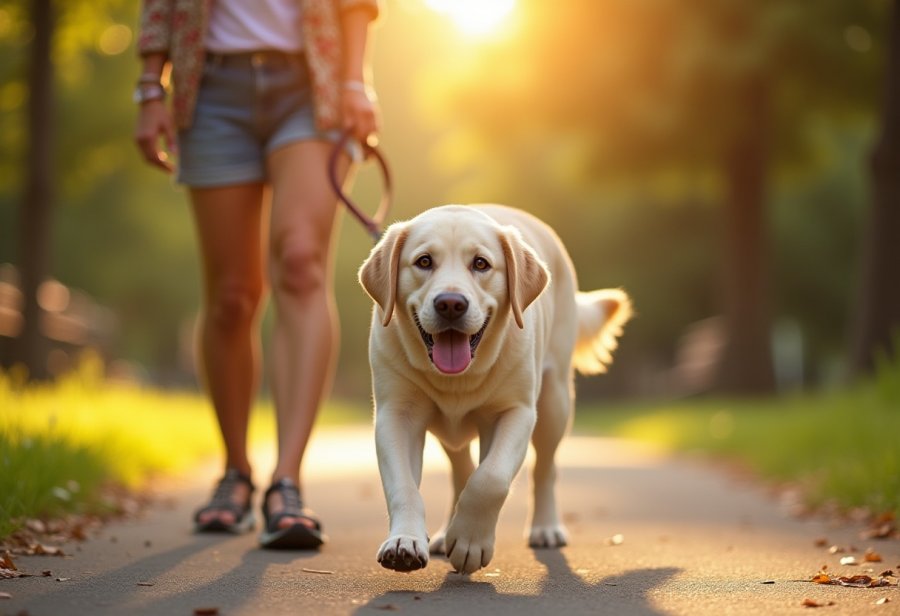
    Few moments in a dog’s day bring more pure joy than a walk outdoors with their favorite human. It’s a simple activity, yet it offers so much more than just exercise. These outdoor outings are essential for a dog’s happiness, providing opportunities to explore new scents, sounds, and sights that stimulate their senses and enrich their minds. Every sniff, bark, or wag of the tail reflects the excitement and curiosity that make these walks so special.

    Beyond the physical benefits, outdoor walks serve as a vital mental escape. They turn routine exercise into a lively adventure, helping dogs stay calm and balanced. When dogs are free to investigate their surroundings at their own pace, they feel a sense of purpose and confidence. This natural curiosity fosters emotional resilience and reduces stress, making each walk a moment of genuine happiness.

    The bond between dogs and their owners deepens during these shared experiences. A walk becomes more than just a daily chore—it’s a ritual of trust and connection. Gentle guidance, praise, and encouragement reinforce feelings of safety and support, transforming outdoor outings into joyful bonding moments. Over time, these shared adventures create a sense of security, making dogs eager to embark on each new walk with enthusiasm.

    Natural environments amplify these feelings of joy. Bright sunlight energizes dogs, while diverse sights and smells keep their minds engaged. Parks, trails, and gardens offer a variety of stimuli that boost their mood and help them relax. Connecting with nature during walks doesn’t just benefit their physical health; it nurtures a calm, happy demeanor that dogs carry with them throughout the day.

    In essence, outdoor walks are a cornerstone of a dog’s emotional well-being. They nurture curiosity, build trust, and foster a sense of independence—all while strengthening the bond between pet and owner. These simple moments of exploration remind us that the greatest joys often come from life’s smallest experiences, making every walk a treasured part of a dog’s happiness and a reflection of the love we share.

    Unraveling the Psychology Behind a Dog’s Joy

    Outdoor walks have a powerful impact on a dog’s mental well-being, shaping their happiness in ways that go beyond physical activity. When dogs are outside, their senses are flooded with a flood of stimuli—scents, sights, and sounds—that keep their minds sharp and engaged. This sensory richness is essential because it helps prevent boredom, which often leads to behavioral issues like excessive barking or destructive chewing. By exploring new smells and observing their surroundings, dogs satisfy their natural curiosity and instincts, giving them a sense of purpose and contentment.

    The mental stimulation from outdoor experiences isn’t just interesting; it’s crucial for emotional health. Sniffing different scents—whether it’s fresh grass, a squirrel’s trail, or blooming flowers—activates their highly developed olfactory senses. These olfactory adventures provide ongoing mental enrichment, helping dogs feel fulfilled and reducing feelings of frustration or anxiety. When their senses are engaged in this way, dogs tend to be calmer, more relaxed, and more emotionally balanced during and after walks, turning outdoor outings into sources of comfort and happiness.

    Trust and positive interactions with their owners also play a key role in a dog’s happiness during outdoor outings. When a dog explores confidently and freely, it’s often because they feel safe and supported by their human. Gentle guidance, praise, and encouragement reinforce this sense of security, transforming what might seem like routine exercise into a meaningful bonding experience. Over time, these shared moments of discovery strengthen the emotional connection between owner and pet, cultivating mutual trust and love that elevate the joy of every walk.

    The feeling of independence that comes with outdoor exploration also boosts a dog’s confidence. Allowing dogs to sniff, investigate, and explore at their own pace helps develop resilience and curiosity. This autonomy nurtures a positive cycle—each successful exploration builds trust in their abilities and deepens their emotional strength. When dogs feel confident in their surroundings, they’re better equipped to handle new or challenging situations, making outdoor walks a vital part of their emotional growth.

    Natural environments like parks and trails amplify these benefits. Bright sunlight energizes dogs, while the diverse sights and smells spark their curiosity and joy. Green spaces have a calming effect, helping to reduce stress and promote a peaceful demeanor. Regular outdoor experiences foster a sense of security and happiness that dogs carry into their daily lives. By engaging their senses and nurturing their independence, outdoor walks become essential tools for creating confident, emotionally resilient, and joyful dogs.
    Real-Life Examples of Outdoor Walks Boosting Happiness and Health

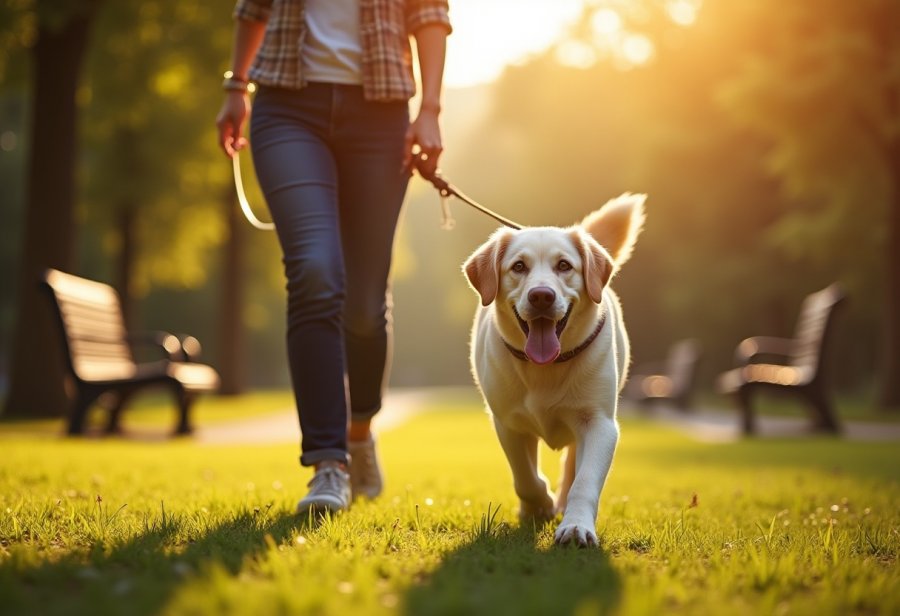
    Outdoor walks are among the simplest yet most effective ways to boost a dog’s happiness and overall health. Owners often notice a marked change in their pets’ mood after a good outing—more relaxed, cheerful, and eager to engage with their surroundings. These walks do more than just help burn off energy; they provide essential mental stimulation and emotional fulfillment that can’t be replicated indoors. Seeing a dog’s tail wagging eagerly or their nose sniffing excitedly is a clear sign of genuine enjoyment and contentment.

    The physical benefits of outdoor walks are well understood—helping maintain a healthy weight, strengthening muscles, and improving cardiovascular health. But the mental and emotional advantages are just as significant. When dogs explore new environments—sniffing fresh scents, listening to different sounds—they engage their brains in ways that indoor routines simply can’t match. This mental engagement reduces boredom, a common trigger for destructive behaviors like excessive barking or chewing, and keeps their minds sharp and active.

    Sniffing plays a starring role during outdoor adventures. Each new scent tells a story—whether it’s the trail of a squirrel, blooming flowers, or a patch of fresh grass. These olfactory adventures aren’t just interesting; they’re vital for a dog’s mental health. Their highly developed sense of smell offers endless stimulation, giving them a sense of purpose with every discovery. This natural curiosity and exploration elevate their happiness and foster a sense of fulfillment, making outdoor walks a highlight of their day.

    Play and free running also significantly contribute to a dog’s well-being. Chasing a ball, sprinting across an open field, or simply stretching out in a park helps burn off excess energy and lifts their mood. After such activity, dogs often return home more relaxed and content, their bodies and minds both satisfied. These moments of playful exploration strengthen the bond between pet and owner, creating joyful memories and building trust.

    Shared outdoor experiences deepen the connection between dogs and their owners. Gentle guidance, praise, and encouragement during walks foster feelings of safety and support. When a dog explores confidently, it’s often because they trust their owner to protect and guide them. These positive interactions transform routine outings into meaningful rituals of companionship, where mutual trust and affection flourish.

    Connecting with nature amplifies these benefits. Bright sunlight energizes dogs, while diverse sights and smells spark their curiosity and joy. Parks, trails, and gardens create calming environments that help reduce stress and promote a peaceful demeanor. Regular outdoor walks in natural settings help dogs carry this relaxed, happy attitude into everyday life, making each walk not just an exercise but a source of ongoing emotional nourishment.

    Every outdoor walk is a chance for a dog to experience joy, discovery, and trust. These simple routines are powerful tools for nurturing a dog’s emotional health, building confidence, and strengthening the bond between pet and owner. When approached with intentionality and curiosity, each step in the outdoors becomes a moment of genuine happiness—proof that the smallest experiences often deliver the greatest rewards.

    Strategies to Enhance Every Outdoor Adventure for Maximum Joy

    To maximize the joy and enrichment of outdoor walks, changing up your routine can make a big difference. Exploring new parks, trails, or even different neighborhoods keeps your dog curious and engaged. Fresh environments stimulate their senses and prevent boredom from settling in, turning each walk into an exciting adventure rather than just a daily chore. Incorporating variety helps maintain their enthusiasm and keeps their mind sharp, ensuring they look forward to every outing.

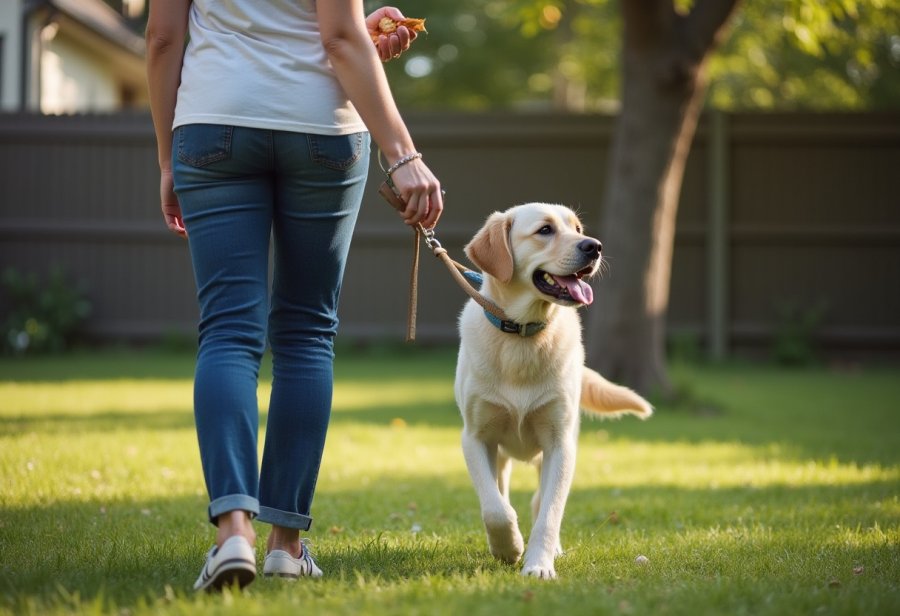
    Adding specific activities like sniffing breaks or gentle training along the way can further enhance the experience. Allow your dog to pause and investigate interesting scents or practice simple commands such as “sit,” “leave it,” or “come,” making the walk more interactive and rewarding. Using positive reinforcement, like praise or treats, encourages your dog to associate outdoor time with fun and learning. These small moments of interaction deepen your bond and help your dog see walks as something to look forward to, not just a routine task.

    Matching the pace and intensity of the walk to your dog’s energy level is key. Some dogs thrive on brisk, energetic outings that tire them out, while others prefer a leisurely stroll to soak in the surroundings. Paying attention to their cues ensures each walk feels comfortable and enjoyable. When your dog feels relaxed and not overwhelmed, they’re more likely to explore confidently and get the most mental and emotional benefit from the experience.

    Creating a calm, positive atmosphere during walks also makes a big difference. Use gentle guidance and soft words to reassure your dog, especially in unfamiliar environments. Avoid rushing or pulling on the leash, as these can create stress and diminish the sense of adventure. Let your dog lead at their own pace, offering encouragement and praise along the way. This approach helps them see outdoor walks as safe, happy explorations rather than chores, fostering trust and enthusiasm.

    Weather considerations are also important in tailoring a positive walk. During hot days, opt for early mornings or late evenings when temperatures are cooler, and avoid slippery or muddy conditions that could cause discomfort or injury. Choosing shaded routes or grassy areas can keep your dog comfortable and safe. These simple adjustments show your care and help ensure each walk remains a pleasant, stress-free experience, making your dog eager to venture outdoors day after day.
    Final Reflections: Embracing Outdoor Walks as a Path to Canine Bliss

    Outdoor walks are one of the simplest yet most powerful ways to nurture a dog’s happiness and emotional health. The joy a dog shows when exploring new environments, sniffing eagerly, or basking in sunlight highlights how essential these moments are. These outings do more than keep dogs physically active; they feed their minds and emotions, creating a sense of fulfillment that lasts well beyond the walk itself. Connecting with the outdoors—whether in a park, trail, or neighborhood—allows dogs to engage their senses and curiosity in ways indoor routines simply can’t match. These shared explorations strengthen the bond between owner and pet, built on trust, love, and mutual joy.

    Research consistently shows that regular outdoor walks boost a dog’s mood and confidence. Dogs who experience these moments tend to be calmer, less anxious, and more eager to engage with their surroundings. Sniffing new scents, listening to different sounds, and observing diverse sights stimulate their senses and foster a feeling of purpose. This mental engagement prevents boredom, which is often linked to behavioral issues like excessive barking or destructive chewing. When dogs are happily absorbed in exploring, they develop resilience and a relaxed demeanor that benefits their overall well-being.

    Beyond physical health, outdoor walks serve as vital emotional nourishment. They are opportunities for dogs to feel safe, supported, and loved. When guided gently, praised, and encouraged, dogs learn to trust their owners and to see walks as positive adventures rather than chores. These shared routines build security and deepen the bond, transforming everyday outings into meaningful rituals of companionship. Over time, this trust translates into a confident, happy dog eager to explore and connect.

    Natural environments amplify these benefits. Bright sunlight energizes dogs, while the variety of sights and smells sparks their curiosity and joy. Green spaces like parks and trails create calming atmospheres that reduce stress and promote peace. These outdoor settings help dogs carry a relaxed, joyful attitude into daily life, making each walk a source of ongoing emotional balance and resilience. By prioritizing outdoor exploration, owners give their pets a powerful tool for lifelong happiness and confidence.

    Every outdoor walk becomes a celebration of life’s simple pleasures. They are moments where curiosity, trust, and love come together, reinforcing that happiness often resides in the smallest experiences. Embracing this perspective encourages us to make outdoor time a daily priority, transforming routine walks into meaningful adventures. These shared experiences not only enrich a dog’s emotional health but also deepen the connection that makes pet ownership truly rewarding. In the end, it’s these simple, joyful moments that create lasting memories and a fulfilled life for both dogs and their humans.
  • Master the Art of Peaceful Calm Dog Walking and Strengthen Your Bond

    Master the Art of Peaceful Calm Dog Walking and Strengthen Your Bond

    Mastering calm dog walks transforms a routine outing into a profound bond of trust and teamwork—are you prepared to unlock this peaceful connection? This guide reveals how gentle, positive training techniques can turn your daily walks into moments of harmony, reducing pulling and distractions while fostering confidence. By understanding canine body language, employing consistent cues, and practicing in gradually challenging environments, you can teach your dog to walk politely at your side. But what happens when unexpected challenges arise, like loud noises or other dogs? Recognizing and managing these risks with patience and tailored strategies ensures safety and progress. From choosing the right equipment to monitoring progress and adjusting your approach, this comprehensive blueprint emphasizes the importance of calm energy and perseverance. Ultimately, every successful walk deepens your relationship, turning a simple activity into a shared journey of trust and serenity—are you ready to make calm, connected walks a reality?

    Build Trust and Strengthen Your Bond with Calm Dog Walking

    Walking calmly with your dog isn’t just about getting from point A to point B; it’s a foundation for building trust and strengthening your bond. When your dog learns to walk politely at your side, daily outings become more enjoyable and less stressful for both of you. Calm walks help prevent pulling, lunging, and distractions from taking over, making every adventure safer and more relaxing. Plus, a peaceful walk sets the stage for better obedience and focus, which can improve training in other areas and create a more predictable experience.

    Understanding why calm walking matters is key. When your dog moves at your pace, it reduces risks like pulling into traffic or startling others. It also helps establish clear boundaries, making your dog feel secure and confident in your leadership. This mutual trust transforms routine walks into moments of connection, where your dog feels safe and understood. Over time, these calm routines lay a solid foundation for a well-behaved, happy dog that genuinely enjoys spending time with you.

    The goal is to make each walk a shared experience rooted in calmness, focus, and joy. When your dog walks at your side, they become more attentive to your cues and commands. This focus not only makes training smoother but also turns outings into bonding opportunities. The trust that develops through consistent, gentle guidance makes your dog feel more secure, turning what could be a frustrating chore into a peaceful, rewarding activity. Mastering calm walking transforms daily routines into meaningful moments that deepen your relationship and create lasting harmony.

    Master Essential Principles for Peaceful Walking

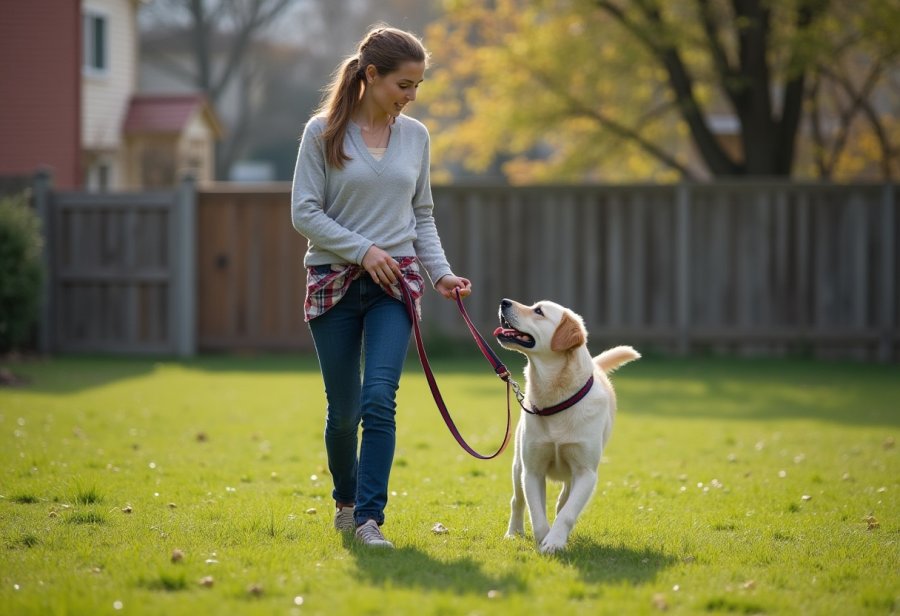
    Calm dog walking begins with understanding your dog’s natural behavior and applying gentle, positive training techniques. Recognizing what relaxed walking looks like—such as loose leash, soft eyes, and a relaxed body—sets a clear foundation. When your dog moves calmly at your side, it signals trust and confidence, making the walk more enjoyable for both of you. Building this trust involves consistent cues and rewards, like treats or praise, which reinforce the desired behavior and motivate your dog to stay focused.

    Modern training emphasizes kindness over dominance. Instead of correction or punishment, guiding your dog with gentle guidance and positive reinforcement fosters cooperation and reduces stress. When your dog associates calm walking with rewards, they’re more likely to repeat that behavior willingly. Clear, consistent commands like “heel” or “walk nicely” help your dog understand what’s expected, turning calmness into a routine rather than a chore.

    Understanding canine body language is crucial. Signs of stress or excitement, such as tucking the tail or flattening ears, signal that your dog may need a break or redirection. Responding early with calm cues and gentle redirection helps your dog feel secure and eager to cooperate. This awareness allows you to adjust your approach before problems escalate, maintaining a peaceful walk.

    Addressing common challenges like pulling or distracted behavior requires patience and adaptability. Focus exercises, such as rewarding attention when your dog looks at you, teach self-control. Managing distractions gradually, starting in quiet environments and increasing difficulty over time, helps your dog learn to remain calm amid stimuli. Flexibility in your methods ensures progress without frustration.

    Every dog is unique, and training should be tailored to individual responses. Tools like clickers, calming sprays, or anxiety wraps can support your efforts, especially with nervous or energetic dogs. Reassessing your approach when setbacks happen—by simplifying exercises or reducing distractions—keeps the training positive and effective. Consistency and patience turn calm walking into a natural part of your daily routine.

    Finally, the key to successful training lies in your own demeanor. Walking with relaxed posture, steady breathing, and a calm voice models confidence and tranquility for your dog. Your calm energy encourages your dog to mirror that serenity, making each walk a shared experience of trust and connection. With time and persistence, these principles lay the groundwork for peaceful, joyful outings that strengthen your bond.

    Harness Effective Techniques to Cultivate Calmness

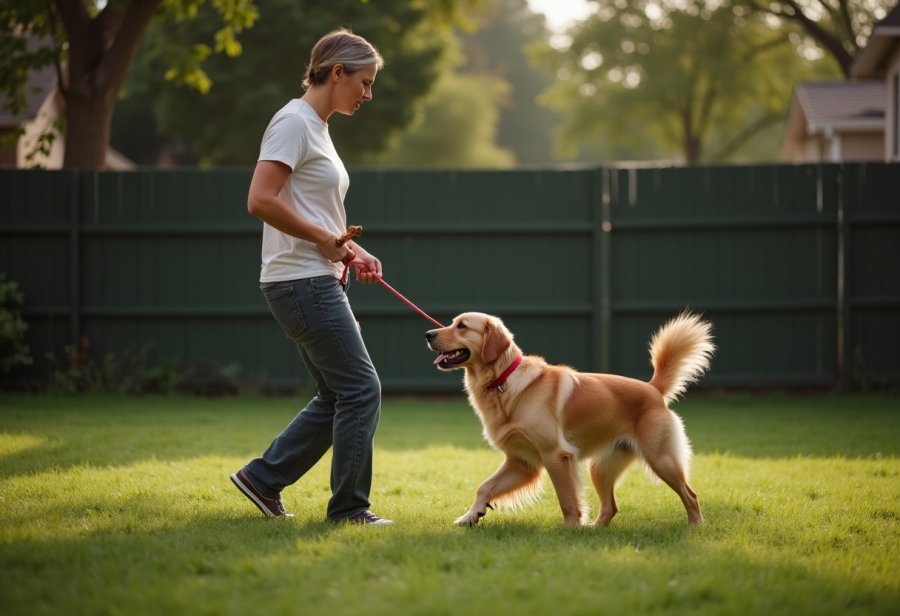
    Achieving calmness during walks starts with establishing clear, consistent cues like “heel” or “walk nicely.” These commands give your dog a specific focus, making it easier for them to understand what behavior is expected. Reinforce these cues immediately with treats or praise whenever your dog walks at your side, creating a positive association. Starting in quiet, low-distraction environments helps your dog build confidence and master these cues without feeling overwhelmed. Keep sessions short, around five to ten minutes, and gradually introduce mild distractions as your dog improves, always rewarding calmness to reinforce good habits.

    Positive reinforcement is the cornerstone of calm walking. When your dog remains focused and walks politely, reward generously with treats, gentle praise, or calm petting. Consistency is key—practice daily in familiar settings so your dog begins to see this routine as normal. When distractions occur, gently redirect their attention with a cue or treat, praising when they refocus. This gentle redirection, paired with praise, makes training humane and effective, fostering trust and cooperation rather than frustration.

    Managing distractions is often the biggest challenge. Dogs are naturally curious, and sights or smells can easily pull their attention away. To minimize this, start training in environments with fewer stimuli and gradually introduce more distractions as your dog’s focus improves. Use your cues to quickly regain their attention and reward calm, focused behavior immediately. Tools like a front-clip harness can help control pulling in tricky situations, making it easier to guide your dog back to focus without creating tension.

    Your own energy plays a vital role. Walking with a relaxed posture, steady breathing, and a calm voice encourages your dog to mirror that serenity. Avoid tense movements or frustration, as these can escalate your dog’s excitement. Instead, remain patient and gentle, using your calm demeanor as a model. When your dog shows signs of distraction, redirect with a cue and reward their attention. Consistently modeling calmness helps your dog stay relaxed, even in challenging settings.

    Sometimes, traditional methods aren’t enough, especially with anxious or energetic dogs. Incorporate tools like clickers to mark good behavior or calming aids such as treats, sprays, or anxiety wraps to support relaxation. Combining these with your basic training techniques creates a more peaceful environment. Be adaptable and patient—progress may take time, but with steady effort, your dog will learn to stay calm and focused during walks, turning each outing into a shared moment of trust and harmony.

    Apply Calm Walking Strategies in Real-World Settings

    Practicing calm walking in everyday situations makes training feel natural and integrated into your routine. For example, when navigating busy streets, stay focused on your cues like “heel” while rewarding your dog for staying close and attentive. This consistency helps your dog understand that maintaining calmness and focus is always expected, regardless of surroundings. In quieter places such as parks or neighborhood sidewalks, gradually introduce mild distractions like passing dogs or children. This helps your dog learn to remain composed in different environments, building confidence and reinforcing good habits across settings.

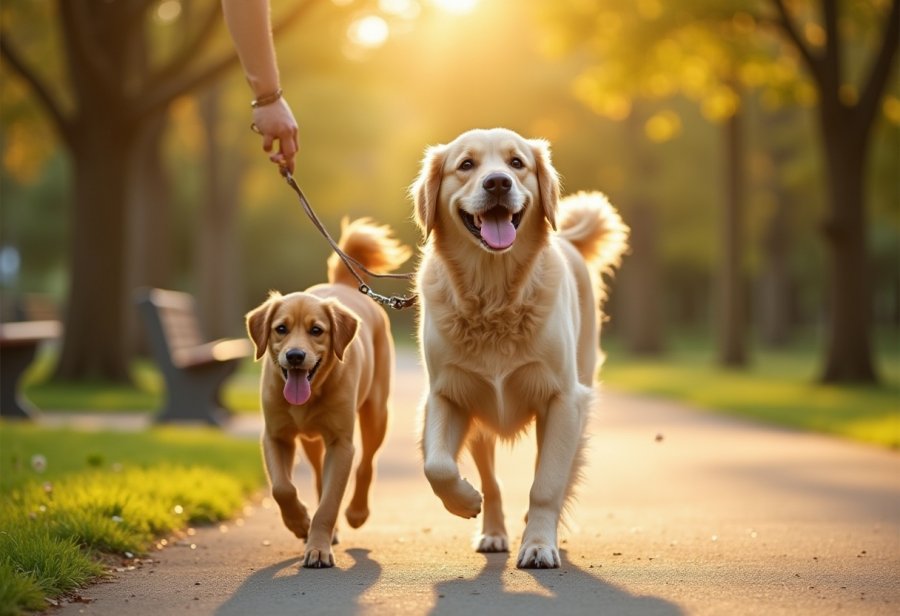
    Walking with multiple dogs adds complexity but also offers a great opportunity for reinforcement. Use clear commands like “heel” to keep each dog focused and relaxed, even if they’re pulling in different directions. Short, regular walks in familiar areas help establish routines before gradually increasing walk length or introducing busier environments. Keeping all dogs close and attentive promotes a peaceful atmosphere and strengthens your leadership, making outings more enjoyable for everyone.

    Your own demeanor influences your dog’s calmness more than you might realize. Walk with relaxed posture, steady breathing, and a calm voice. When your dog shows signs of distraction or pulls, gently redirect their attention with cues or treats, praising calm focus immediately. Over time, your calm energy becomes a model that your dog naturally mirrors, helping them stay confident and relaxed, even amid chaos.

    Prepare for common challenges like encountering other dogs or loud noises by practicing in less crowded times first. When distractions appear, rely on your cues and rewards to bring your dog back to focus. If your dog becomes overwhelmed, calmly guide them away or use calming tools like treats or anxiety wraps to de-escalate. Consistent, patient redirection teaches your dog that staying calm is always more rewarding than reacting impulsively.

    If setbacks occur—such as increased pulling or reactivity—return to simpler exercises in quieter environments. Reinforce foundational commands and reward small successes to rebuild your dog’s confidence. Remember, setbacks are part of the learning process, not failures. Patience and persistence are essential, ensuring your dog learns that calm, focused walks are always within reach.

    Building a support network enhances your training efforts. Connecting with trainers, joining local classes, or participating in online communities provides valuable guidance and encouragement. Sharing experiences with other dog owners can offer fresh strategies and motivation, especially during challenging phases. These resources help you stay consistent and adaptable, turning setbacks into opportunities for growth.

    Every walk is a chance to reinforce calmness and trust. Stay flexible in your approach, adjusting routines based on your dog’s responses and the environment. With steady practice and a composed mindset, your dog will learn to remain focused and relaxed in a variety of settings. These real-world applications turn training into daily successes, transforming walks into peaceful, bonding moments that deepen your connection and make every outing a shared achievement.

    Budget Wisely for Successful Dog Walking Training

    Training a dog to walk calmly alongside you involves some financial considerations, but the costs can vary depending on your approach and the tools you select. Basic equipment like a sturdy leash, a comfortable harness, and treats are essential starting points, and they’re generally affordable—ranging from around $10 to $50. Investing in quality gear early can make training more effective and comfortable for your dog, setting a solid foundation for progress.

    If you choose to enroll in professional classes or hire a trainer, expect costs to rise. Group sessions tend to be more budget-friendly, often costing between $100 and $300 for a series of classes, while private lessons can go up to $50 to $100 per hour. While pricier, personalized guidance can accelerate your dog’s learning and address specific behavioral challenges more efficiently.

    Books and online courses offer a cost-effective way to deepen your understanding without a big investment. Many reputable resources are available for $20 to $100, providing step-by-step guidance that you can revisit as needed. This flexibility helps maintain consistency in your training routine and makes steady progress more manageable over time.

    Additional tools like clickers or calming aids—such as sprays or supplements—may add to your expenses but can be well worth the investment, especially for dogs with anxiety or heightened energy levels. Planning for these items in advance helps you stay consistent and avoid gaps in your training efforts.

    It’s wise to set a realistic budget that covers both essential equipment and any professional support you might want. Doing so ensures you can stick to your training schedule without financial stress, making your goal of calm, focused walks more achievable.

    Remember, you don’t need the most expensive gear or services to see results. Prioritizing quality basics and seeking guidance when needed will give you the best chance at success. Thoughtful planning and a balanced budget turn your dog’s training journey into a sustainable, rewarding experience—one that leads to peaceful walks and a stronger bond.

    Implement Plans and Track Your Dog’s Progress

    Implementing a training plan for calm dog walking starts with setting clear, achievable goals. Break the process into small steps, like mastering the “heel” command or maintaining focus amidst mild distractions. Practice consistently—preferably daily—and in familiar settings to help your dog build confidence and understand expectations. Keeping sessions short, around five to ten minutes, prevents frustration and keeps your dog engaged. As progress develops, gradually introduce more distractions or extend walk durations, rewarding calm behavior throughout to reinforce good habits.

    Tracking your dog’s responses is essential to evaluate progress and fine-tune your approach. Use a simple journal or checklist to note how your dog reacts to cues like “walk nicely” or “heel,” especially in different environments. Record improvements in focus, pulling, or distraction levels. This helps you identify what works best and where adjustments are needed. Seeing small changes over time boosts motivation and keeps you focused on consistent improvement, making the journey feel more manageable.

    Adjust your training based on your dog’s behavior. If they become more distracted or pull more in certain situations, revisit simpler exercises or practice in less stimulating environments. Celebrate small successes to build confidence and encourage continued effort. Remember, dogs learn at different rates, and setbacks are part of the process. Patience and flexibility ensure your training remains positive and effective, leading to a more relaxed, focused walking routine.

    Consistency is key. Incorporate training into daily walks so your dog views calm, focused walking as a normal part of life. Over time, this routine solidifies good habits and makes calmness feel natural. Use your notes to track what’s working and to plan your next steps. Regularly reviewing your progress helps you stay motivated and ensures that each walk becomes an opportunity for growth rather than frustration.

    Monitoring progress isn’t just about noticing improvements—it’s about adjusting your methods to suit your dog’s evolving needs. If certain cues or techniques aren’t producing results, don’t hesitate to try new approaches or tools. Sometimes, a different distraction level or environment can make a significant difference. Keep observing your dog’s cues and responses, and adapt your training plan accordingly to keep moving forward.

    Stay patient and persistent. Progress may seem slow at times, but consistent effort yields results. Recognize every small success as a step closer to peaceful, enjoyable walks. By actively implementing and reviewing your training plan, you foster a sense of accomplishment and strengthen your bond. This ongoing process transforms walks into moments of trust and calm, making daily outings a true reflection of your shared progress.

    Prepare for Challenges and Manage Risks Effectively

    Managing risks during calm dog walks means staying prepared for unexpected challenges that can disrupt your training. Sudden triggers like other dogs, wildlife, loud noises, or unfamiliar people can cause pulling or reactivity. Recognizing these early signs allows you to respond calmly, helping your dog regain focus before the situation escalates. For example, slowing down, giving a distraction cue, and rewarding calmness can prevent bigger issues, reinforcing that staying relaxed is more rewarding than reacting impulsively.

    Setbacks happen, even with consistent effort. If your dog regresses or becomes anxious, return to simpler exercises in less stimulating environments. Patience is key—pushing too hard during stressful moments can intensify anxiety. Instead, gently redirect and praise small successes, which rebuild confidence and trust. Seeing setbacks as part of the learning process keeps your training positive and effective.

    Having an emergency plan keeps walks safe. Carry treats, your phone, and calming aids like sprays or anxiety wraps. If your dog becomes overwhelmed, these tools can help de-escalate the moment. Knowing how to calmly remove your dog from a stressful situation or distract them with a cue helps maintain control and emotional stability, preventing accidents and supporting their well-being.

    Adjust your routine when issues arise. Sometimes, reducing distractions or shortening walks helps your dog recover focus. Revisit basic commands and reward small improvements to boost confidence. Remember, setbacks aren’t failures—they’re opportunities to reinforce calmness and trust. Staying flexible and patient ensures your dog learns that staying composed is always worth the effort.

    Your calm energy is crucial in stressful moments. Remaining composed, using gentle guidance instead of frustration, models confidence your dog will mirror. Redirect with patience and positive reinforcement, showing your dog they can trust your leadership even amid chaos. This calm demeanor reassures them and strengthens your bond, turning challenges into growth areas.

    Building a support network enhances your capacity to handle setbacks. Connecting with trainers or joining dog communities offers tailored advice and motivation. Sharing experiences helps you learn new strategies and stay consistent, transforming setbacks into stepping stones. With ongoing support, you can adapt your approach and keep progress on track.

    Remember, setbacks are part of the process, not a sign of failure. If your dog reacts strongly or pulls more, step back and simplify training. Reinforce foundational behaviors and celebrate small wins. Patience and persistence will help your dog regain confidence and continue improving. Over time, these challenges become opportunities to deepen your calm, focused walking routine, making every outing more peaceful and rewarding.