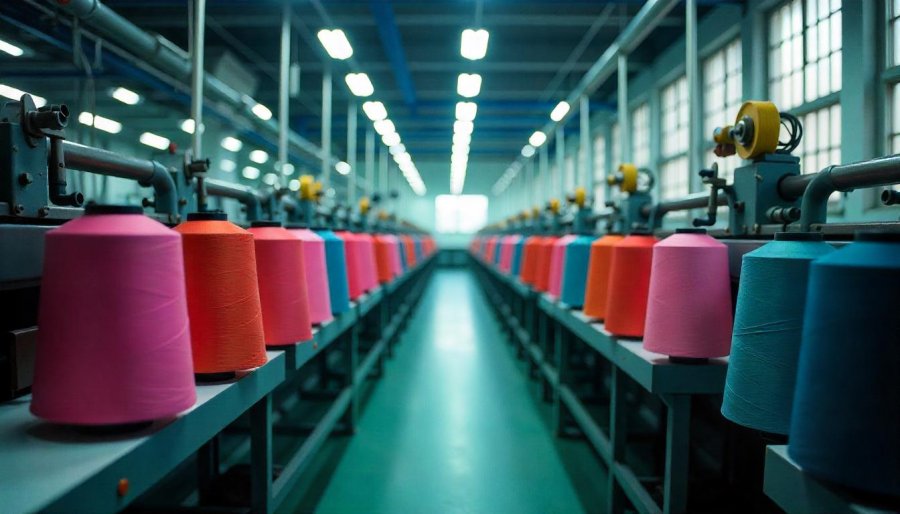
Category: Sustainability

Eco-friendly living and environmental awareness.

  • Discover How Future Running Shoes Will Transform Your Wellness

    Are you truly equipped to select the perfect running shoes, or are you risking injury with every step? This comprehensive guide reveals that choosing the right footwear is more than a matter of brand or style—it’s about understanding your unique foot type, gait, and running terrain. From flat feet to high arches, knowing your biomechanics can transform your running experience, preventing common injuries like stress fractures and plantar fasciitis. The process involves mindful testing, proper fit, and matching shoes to your specific needs, with an emphasis on support and cushioning. But what if your shoes could do more than just support? The future holds exciting innovations—smart, customizable, eco-friendly footwear designed to adapt to your biomechanics and improve performance sustainably. Embracing these advancements could revolutionize your running journey, making each step safer, more efficient, and deeply aligned with your holistic wellness.

    Discover How Proper Running Shoes Can Transform Your Experience

    Choosing the right running shoes is a crucial step toward making your running experience both enjoyable and safe. Many runners underestimate how much footwear can influence comfort, performance, and injury prevention. When you select shoes that fit well and support your unique foot structure, you’re laying a solid foundation for a sustainable running habit. Proper footwear doesn’t just feel better; it actively helps protect your body from common issues like blisters, plantar fasciitis, shin splints, and stress fractures—injuries that can sideline you for weeks or even months.

    Getting this choice right starts with understanding your foot type and gait. Each person’s feet are different, and knowing whether you have flat feet, high arches, or a neutral arch can make a big difference in selecting the best shoes for your needs. For example, flat feet tend to overpronate, causing the foot to roll inward excessively, which can lead to instability and strain on tendons and ligaments. High arches often underpronate, meaning the foot doesn’t absorb shock efficiently, putting extra stress on bones and joints. Recognizing your foot’s shape and how you move during a run allows you to choose footwear that offers the support and cushioning your body needs.

    The terrain you run on plays a vital role in this decision. Road shoes are designed to be lightweight and flexible, with ample cushioning to absorb impact from pavement and concrete. Trail shoes are built with rugged soles and deeper lugs to provide traction on uneven or slippery surfaces, along with added protection against rocks and debris. If your routine involves switching between different terrains, hybrid options can offer a balanced solution, combining features of both. Matching your footwear to your usual running environment enhances safety, comfort, and overall performance, making each run more enjoyable and less prone to injury.

    The fit of your shoes is perhaps the most critical factor. Shoes should feel snug around the midfoot, supporting your arch without feeling restrictive. There should be about a thumb’s width of space in the toe box to wiggle your toes comfortably—no pinching or squeezing. The heel needs to sit securely without slipping as you move, providing stability during your stride. Remember, feet tend to swell during activity, so trying shoes in the late afternoon or after a run can help you find the most accurate fit. A well-fitting shoe acts as an extension of your foot, aligning with your natural gait and supporting every step you take.

    Support and cushioning are more than just comfort features—they’re essential for maintaining proper biomechanics. If you have flat feet or tend to overpronate, look for shoes with firm midsoles and stability features that help control inward rolling. Those with high arches benefit from extra cushioning to absorb shock and protect joints from repetitive impact. Runners with neutral arches have the flexibility to choose shoes that balance support and flexibility, supporting their natural gait without restricting movement. When these elements are matched to your biomechanics, your runs become more comfortable, and the risk of injury decreases significantly.

    Selecting footwear that matches your terrain and support needs requires patience and careful testing. Take your time trying on several pairs in the late afternoon or evening, when your feet are naturally swollen. Wear the socks you plan to run in, and walk or jog around inside the store or at home to assess comfort and support. The shoes should stabilize your heel without slipping and provide enough room in the toe box for your toes to move freely. Feel how each pair responds when you press on the midsole—firm yet responsive cushioning is ideal. Trust your instincts; if a pair doesn’t feel right when you try it on, it won’t become more comfortable during your run.

    Remember, shoes are an investment in your health and long-term running enjoyment. Worn-out footwear loses support and cushioning, increasing your injury risk. Keep an eye on signs like thinning soles, worn treads, or decreased responsiveness, and plan to replace your shoes every 500 to 800 kilometers. Regular updates ensure your support system remains effective, helping you stay injury-free and able to maintain a consistent, sustainable routine. Incorporating proper lacing techniques can also enhance support and stability, locking your heel in place and preventing blisters or slippage. Small adjustments like these can significantly improve comfort and confidence during your runs.

    Choosing the right running shoes isn’t just about following trends or brand names—it’s about understanding your body and prioritizing your well-being. A thoughtful, personalized approach ensures your footwear supports your biomechanics, enhances your performance, and encourages a long-lasting, injury-free running practice. When your shoes feel like a natural extension of your body, every step becomes a step toward better health and holistic wellness. Investing time and care into your footwear choices sets the stage for a joyful, sustainable running journey that nourishes both your physical and mental well-being.

    Unlocking Foot Mechanics: The Key to Customized Support

    Understanding your foot mechanics is a vital step in selecting running shoes that truly support your natural movement and help prevent injuries. Since everyone’s feet are unique, taking the time to identify your specific foot type can make a significant difference in how comfortable and supportive your footwear feels during a run. The three main categories—flat feet, high arches, and neutral arches—each have distinct support needs and influence your gait pattern. Recognizing which category you fall into allows you to choose shoes that enhance stability, cushioning, and overall comfort.

    Flat feet, or low arches, tend to overpronate, meaning the foot rolls inward excessively when you run. This inward motion can lead to instability and puts extra strain on tendons, ligaments, and muscles, raising the risk of issues like shin splints, plantar fasciitis, and stress fractures. To identify if you have flat feet, a simple test is the wet footprint: step onto a piece of paper with wet feet and observe the imprint. If most of the sole is visible with little to no arch showing, flat feet are likely. Shoes for this foot type typically feature added support and stability, such as firmer midsoles and medial posts, which help control overpronation and keep your gait aligned.

    High arches, on the other hand, are associated with underpronation, where the foot rolls outward or doesn’t absorb shock effectively. This can cause increased stress on bones, joints, and muscles, especially in the ankles and knees. To check for high arches, perform the same wet footprint test—if the imprint shows a narrow band in the middle with a prominent curve, high arches are present. Cushioning shoes with extra shock absorption are ideal for this type, as they help protect joints from repetitive impact and reduce discomfort during longer runs.

    Runners with neutral arches tend to have a balanced foot structure that doesn’t overpronate or underpronate significantly. Their gait is usually more natural, providing a wider array of shoe options. To determine if you have neutral arches, examine your wet footprint: a full, even imprint with a clear but not overly pronounced arch indicates neutrality. Even with a neutral foot type, choosing shoes that match your running style and terrain ensures optimal comfort and performance. This support helps your natural gait function smoothly, reducing the chance of developing overuse injuries.

    Gait analysis offers further insight into how your foot strikes the ground during movement. Many specialty stores provide gait assessments where you run on a treadmill while a professional observes your stride. This process reveals whether you tend to overpronate, supinate (roll outward), or run neutrally. Paying attention to how your feet move naturally—such as noticing if they collapse inward or outward, or if you experience discomfort—can also give clues about your gait pattern. Understanding these details helps you select footwear that promotes proper biomechanics, which is essential for injury prevention and sustained comfort.

    Matching your footwear to your foot mechanics isn’t just about comfort; it’s about supporting your body’s natural movement and reducing the risk of injury. Shoes designed for overpronation with added stability features will help control inward rolling, while cushioned models are better suited for high arches that need impact absorption. Neutral runners benefit from shoes that balance support and flexibility, allowing their gait to flow naturally. Taking the time to understand your foot type and gait pattern transforms what might seem like a simple choice into a powerful tool—helping you run more efficiently, comfortably, and injury-free. This personalized approach forms a cornerstone of holistic wellness, ensuring each step supports your long-term health and enjoyment of running.

    Master the Art of Selecting Shoes That Fit and Function Perfectly

    When choosing the right running shoes, approach the process with patience and mindfulness. Start by trying on several pairs in the late afternoon or evening when your feet are naturally more swollen and closer to their typical size during activity. Wearing the socks you intend to use during your runs ensures an accurate fit, preventing surprises on the road. Take your time walking around and gently jogging inside the store or at home, paying close attention to how each pair supports your heel and stabilizes your foot. Shoes should lock your heel in place without slipping and provide enough room in the toe box—about a thumb’s width—to wiggle your toes comfortably. Comfort and support should go hand in hand, allowing your foot to move naturally without feeling restricted.

    Support features like arch support or stability structures are vital, but they must match your foot type. If you tend to overpronate or have flat feet, opt for shoes with firmer midsoles and medial posts that help control inward rolling. For those with high arches, look for models with extra cushioning to absorb shock and protect your joints from repetitive impact. Runners with neutral arches have more flexibility, but should still select shoes that align with their gait and terrain, ensuring a balanced blend of support and responsiveness. During trial, press gently on the midsole—if it feels firm yet responsive—and test the cushioning by pressing on the heel and forefoot. Shoes that respond well to this test usually provide the right amount of shock absorption and stability for longer runs.

    Matching your footwear to your usual terrain is another key step. Road running shoes are typically lightweight and flexible, with ample cushioning designed to absorb impact from hard surfaces like pavement or concrete. Trail shoes feature rugged soles and deeper lugs to grip uneven, slippery, or rocky paths, along with reinforced areas for added protection against debris. If your routine involves switching between terrains, hybrid shoes can offer a versatile solution, combining features suitable for both. Wearing terrain-specific shoes enhances safety and comfort, helping you perform confidently without discomfort or slipping. Consider how your typical running environment influences your choice, and prioritize footwear that complements that terrain for a smoother, injury-free experience.

    Don’t rush this process—take your time to compare several options side by side. Focus on how each pair supports your heel and arch, ensuring there’s minimal slippage and no pinching. The shoes should feel snug but not tight, with enough room in the toe box to prevent cramping. Trust your instincts—if a pair doesn’t feel right when you try it on, it’s unlikely to become more comfortable during your run. Remember, a well-fitting shoe that aligns with your biomechanics will support your natural gait, boost performance, and reduce injury risk. Investing the effort now means fewer setbacks later, making your running routine more sustainable and enjoyable.

    Support and cushioning are fundamental, not just for immediate comfort but for long-term health. Worn-out shoes lose their ability to cushion and stabilize, increasing the likelihood of injuries like tendinitis, stress fractures, or plantar fasciitis. Regularly replacing your shoes—every 500 to 800 kilometers—keeps your support system intact and your body protected. Small details like proper lacing can also make a significant difference; locking your heel in place prevents blisters and slippage, especially on longer runs or uneven terrain. Adjusting laces to fit your foot’s shape can enhance stability and comfort, giving you confidence with every stride. These simple, mindful adjustments turn selecting and wearing your running shoes into acts of self-care, supporting your overall journey toward holistic wellness.

    Ultimately, choosing the right running shoes is about understanding your body and respecting its needs. It’s a personalized process that requires listening carefully to how each pair feels during fitting and testing. When your shoes support your biomechanics and match your terrain, running becomes more than exercise—it becomes a form of mindful self-care. The right footwear encourages a sustainable, injury-free routine, transforming every step into an opportunity for long-term health and enjoyment. Dedicate time to this crucial step, and you’ll lay a strong foundation for a joyful, balanced, and resilient running journey that aligns with your broader wellness goals.

    Expert Tips to Optimize Your Shoe Choice and Running Comfort

    Choosing the right running shoes involves more than just picking a stylish pair off the shelf. It’s about adopting a mindful, deliberate process that prioritizes comfort, support, and fit to enhance your running experience and protect your body. Start by trying on shoes later in the day when your feet are naturally swollen, mimicking the conditions during a long run. Wearing the socks you plan to use while running ensures the fit will be accurate and comfortable when you’re actually on the move. Take your time walking around and gently jogging inside the store or at home—this gives you a feel for how each pair supports your heel and stabilizes your foot during movement.

    Pay attention to how each shoe feels in the heel area. A good fit should lock your heel in place without slipping, preventing blisters and instability. The midfoot should feel snug but not tight, supporting your arch without restricting blood flow or causing discomfort. The toe box needs to have about a thumb’s width of space, giving your toes enough room to wiggle and breathe without feeling cramped. Comfort is the key here—if a shoe doesn’t feel right when you try it on, it’s unlikely to improve during a run. Trust your instincts; your body knows best what support and fit feel natural.

    Support features like arch support or stability structures are essential, but they must align with your foot type. Overpronators or those with flat feet should look for shoes with firmer midsoles and medial posts that help control inward rolling. High-arched runners benefit from extra cushioning that absorbs shock and shields joints from impact stress. Neutral arch runners have more flexibility to choose shoes that balance support and responsiveness, allowing their natural gait to shine through. During your trial, press gently on the midsole to test responsiveness—firm yet responsive cushioning indicates a good match for longer distances and varied terrain.

    Matching your shoes to your typical running terrain makes a significant difference in comfort and safety. Road shoes are lightweight and flexible, designed to cushion impacts on hard surfaces like pavement or concrete. Trail shoes feature rugged soles with deep lugs, offering better grip on uneven, muddy, or rocky paths, along with reinforced toe caps for added protection. If your routine involves switching between terrains, consider hybrid shoes that combine features of both. Wearing terrain-specific footwear enhances stability and grip, reducing the risk of slips and discomfort while boosting confidence on every surface.

    Don’t rush the selection process. Take your time to compare several options side by side, feeling how each pair supports your heel, arch, and overall foot. The shoes should feel snug but not tight—there should be no pinching or squeezing in any area. Walk, jog, and even simulate your running stride to see how each shoe responds during movement. Remember, every foot is unique, so listen to what your body tells you. If a pair doesn’t feel right when trying it on, it’s unlikely to become more comfortable once you start running. Prioritizing fit and support now saves you from discomfort and injuries down the line.

    Support and cushioning are more than just comfort—they’re vital for maintaining proper biomechanics and preventing injury. Worn-out shoes lose their ability to cushion impacts and stabilize your gait, increasing the risk of problems like tendinitis, stress fractures, or plantar fasciitis. Regularly replacing your running shoes—every 500 to 800 kilometers—keeps your support system intact and your body protected. Keep an eye on signs of wear, such as thinning soles or worn treads, and swap out your shoes before they become a liability. Properly fitted, supportive footwear forms the foundation of a sustainable, injury-free running routine.

    Small details like lacing can make a big difference in how supported and stable your shoes feel. Locking your heel with a snug lacing pattern prevents slippage and reduces blisters, especially on longer runs or uneven terrain. Conversely, loosening the laces slightly for wider or swollen feet can improve comfort without sacrificing support. Experimenting with different lacing techniques is a simple, cost-free way to optimize fit. When your shoes are laced correctly, they feel like an extension of your foot—providing confidence and reducing the risk of injury. Adjusting laces to your foot’s shape and your activity’s demands is a mindful act of self-care that enhances your overall running experience.

    Choosing and caring for your running shoes is a continuous journey of mindfulness and attentiveness. Regularly check for signs of wear, and replace your shoes before they lose their supportive qualities. Remember, supporting your biomechanics through proper fit and terrain matching isn’t just about comfort—it’s a crucial step in injury prevention. Small adjustments, like lacing and sock choice, can significantly impact how supported and secure you feel during each run. Incorporating these mindful habits into your routine turns shoe selection into an act of self-love and care, aligning with your broader goals of holistic wellness. When you treat your feet with respect and attention, every step becomes a step toward a healthier, more balanced you.

    Future of Running Shoes: Innovations That Support Your Wellness Journey

    Looking ahead, the landscape of running shoe technology is set to transform in exciting and meaningful ways that can significantly support your long-term wellness journey. Advances in materials science are paving the way for lighter, more durable, and environmentally friendly footwear options. Imagine shoes made from innovative bio-based foams or recycled fabrics that do not compromise performance but help reduce environmental impact. These developments aim to create footwear that is not only resilient and responsive but also aligned with a sustainable ethos—allowing you to enjoy your runs while respecting the planet.

    Smart technology integration is becoming increasingly embedded in running shoes, turning them into high-tech tools that offer real-time insights. Embedded sensors now monitor gait, impact forces, and fatigue levels, transmitting data directly to your smartphone or smartwatch. This instant feedback enables you to adjust your running form, avoid overtraining, and catch early signs of injury before they develop into serious issues. Such innovations harmonize with a holistic wellness approach by empowering you to listen more attentively to your body and make informed decisions that support your health and longevity.

    Personalization takes center stage in the evolution of footwear design, with advancements like 3D printing and custom-molded shoes becoming more accessible. This means you could soon get shoes tailored precisely to your unique foot shape, gait pattern, and terrain preferences—enhancing comfort and performance while reducing injury risks caused by ill-fitting footwear. Custom-fit shoes foster a more natural gait, allowing your body to move efficiently and sustainably, which is the cornerstone of injury prevention and holistic wellness.

    The development of midsole technology is particularly promising. New systems are engineered to return energy more efficiently, effectively acting like springs that propel you forward and absorb shock better than current models. This innovation translates into less fatigue during longer runs and faster recovery afterward, helping you maintain consistency in your training without risking overuse injuries. Such support aligns perfectly with a sustainable approach, encouraging you to run longer and healthier, with less stress on joints and muscles.

    Eco-conscious design is increasingly driving innovations in the footwear industry. Brands are investing in sustainable manufacturing processes, sourcing recycled or biodegradable materials, and designing shoes that can be easily recycled at the end of their lifecycle. This shift not only supports your health by encouraging mindful consumption but also contributes to environmental conservation. As eco-friendly options become more widespread and affordable, they make it easier for you to pursue your wellness goals while staying aligned with your values of sustainability and respect for the planet.

    Artificial intelligence and machine learning are set to revolutionize how shoes are developed and adapted to individual needs. By analyzing vast amounts of biomechanical data, these technologies can help create smarter shoes that adapt dynamically during your run. Imagine footwear that adjusts its support or cushioning in real time, optimizing comfort and reducing injury risk on the fly. This level of personalization and responsiveness can elevate your running experience, making it safer, more efficient, and more aligned with your body’s natural rhythms—integral to a mindful, holistic approach to health.

    Finally, as these technological advancements become more accessible, the possibilities for every runner expand. High-performance, innovative footwear is no longer limited to elite athletes; it becomes attainable for enthusiasts at all levels. This democratization of advanced features supports the idea that holistic wellness is inclusive and achievable for everyone. By embracing these future trends, you can continually refine your approach, ensuring your gear evolves alongside your needs and aspirations. Moving forward, your footwear can be a powerful partner—supporting your health, protecting your body, and inspiring a lifelong love of running rooted in authenticity, sustainability, and well-being.


  • The Hidden Environmental Impact of Ubiquitous Nylon

    The Hidden Environmental Impact of Ubiquitous Nylon

    Nylon, a ubiquitous material woven into our daily lives—from clothing and carpets to industrial components—revolutionized manufacturing with its strength, elasticity, and affordability. Yet beneath its practicality lies a complex web of environmental consequences, driven by reliance on fossil fuels during its production. The chemical processes involved release greenhouse gases and pollutants, contaminating ecosystems and contributing to climate change. Moreover, nylon’s durability means it persists in landfills for centuries, fragmenting into microfibers that threaten marine life and soil health. As awareness grows, efforts to recycle nylon and develop sustainable biobased alternatives are underway, but challenges remain in scaling these solutions. Will technological innovation and responsible practices bridge the gap between nylon’s utility and its environmental toll? This compelling story urges us to reconsider the true cost behind the convenience of this synthetic fiber and to seek a more sustainable future.

    Nylon’s Ubiquity and Hidden Power in Daily Life

    Nylon is one of those materials that’s almost impossible to miss in modern life. Whether it’s the tights we wear, the carpets under our feet, or the gear used in sports and outdoor activities, nylon pops up everywhere. Its widespread presence isn’t accidental—it’s thanks to its unique blend of strength, elasticity, and affordability. When nylon was first introduced in the mid-20th century, it revolutionized the textile industry by offering a durable, inexpensive alternative to natural fibers like silk, cotton, and wool. Since then, it’s become a cornerstone of countless everyday products, quietly shaping the way we live.

    What makes nylon particularly indispensable is not just its versatility but also its practicality. It resists wear and tear remarkably well, keeps its shape over time, and can be produced at a low cost, making it accessible to mass markets. From the durable fibers in our clothing to the industrial strands used in ropes, fishing lines, and car parts, nylon’s ability to be spun into fine or thick strands has opened up a multitude of possibilities. Its durability means products last longer, which appeals to manufacturers and consumers alike—yet behind this convenience lies a complex story of chemical innovation and industrial scaling.

    The origins of nylon trace back to the 1930s, when chemists at DuPont aimed to develop a fiber that could match silk’s strength but be produced more cheaply. Their breakthrough came with the discovery of condensation polymerization—a process that links small molecules called monomers into long, stable chains. These chains form the backbone of nylon’s structure, enabling it to be spun into fibers that are both strong and flexible. This chemical innovation not only transformed textiles but also sparked a wave of synthetic materials that would reshape manufacturing across industries worldwide.

    Producing nylon involves sourcing raw materials primarily from petrochemicals like crude oil and natural gas. These fossil fuels are processed into chemical building blocks such as hexamethylenediamine and adipic acid through a series of complex reactions involving oxidation, distillation, and synthesis. Once prepared, these monomers are fed into large reactors where they undergo condensation polymerization, creating long chains of nylon. The resulting material is then melted and extruded through tiny nozzles to form fibers, which can be woven into fabrics or molded into various shapes. While efficient for large-scale production, this process is energy-intensive and depends heavily on non-renewable resources.

    The environmental footprint of nylon production is significant. Its reliance on fossil fuels means that each step—from raw material extraction to fiber creation—contributes to greenhouse gas emissions and pollution. Manufacturing facilities release volatile organic compounds and nitrous oxide, a potent greenhouse gas, into the atmosphere. Water used during production can become contaminated with chemicals, risking local ecosystems and communities. These pollutants don’t stay confined to factories; they disperse widely, adding to the larger issues of plastic pollution and ecological degradation associated with synthetic fibers.

    Once in use, nylon products tend to last for decades because of their durability and resistance to wear. However, this longevity also means that nylon waste accumulates in landfills for hundreds of years. As these materials slowly break down, they fragment into microfibers, tiny plastic particles that contaminate soil and waterways. During washing, small fibers shed from nylon garments often escape filtration systems, ending up in oceans and threatening marine life that can mistake them for food. The persistence of nylon in the environment exemplifies the double-edged nature of this material’s utility—convenient yet potentially harmful.

    As awareness of these environmental impacts grows, efforts are underway to develop more sustainable alternatives. Recycling existing nylon—such as from fishing lines, carpets, or discarded garments—can help reduce reliance on virgin petrochemicals and keep plastic waste out of ecosystems. Advances in chemical recycling aim to break nylon waste back into its basic monomers, enabling repeated reuse without quality loss. Researchers are also exploring biobased fibers derived from renewable sources like algae or plants, which could replace traditional nylon altogether. While these innovations hold promise, scaling them to meet global demand remains a challenge, underscoring the need for continued innovation and responsible production practices.

    From Chemistry to Industry: The Birth and Production of Nylon

    Nylon’s story begins in the 1930s, when chemists at DuPont set out to create a revolutionary fiber that could rival silk in strength and durability but be produced more cheaply. Their efforts led to the breakthrough discovery of condensation polymerization, a process that links small molecules called monomers into long, stable chains. This chemical innovation formed the backbone of nylon’s structure, allowing it to be spun into fibers suitable for textiles and industrial uses alike. It was a game-changer, not just for the textile industry but for manufacturing as a whole, opening the door to a new era of synthetic materials that would reshape everyday life.

    The key to producing nylon lies in its chemical origins, primarily derived from petrochemicals like crude oil and natural gas. These fossil fuels are processed through a series of complex reactions—oxidation, distillation, and synthesis—to create the essential building blocks, such as hexamethylenediamine and adipic acid. Once these monomers are prepared, they’re fed into large industrial reactors where they undergo condensation polymerization. During this process, the monomers chemically bond, forming long, stable chains of nylon polymer. This method is highly efficient and scalable, enabling manufacturers to produce vast quantities of nylon fibers rapidly to meet global demand.

    Once the polymer chains are formed, they are melted and extruded through tiny nozzles to create fibers. These molten strands are then cooled, stretched, and treated to increase their strength and elasticity. The resulting fibers can be woven into fabrics or molded into various shapes, making nylon incredibly versatile. While the process is optimized for mass production, it is energy-intensive and heavily reliant on fossil fuels. The chemical reactions involved also release pollutants such as volatile organic compounds and nitrous oxide, a potent greenhouse gas, contributing to climate change and local air quality issues. This industrial process, though efficient, leaves a significant environmental footprint that’s often overlooked.

    Beyond the factory, the environmental impact of nylon persists throughout its lifecycle. Its durability means nylon products—ranging from clothing and carpets to fishing lines and car parts—can last decades, but this longevity comes at a cost. Nylon waste accumulates in landfills for hundreds of years, slowly breaking down into microfibers that contaminate soil and waterways. During washing, tiny fibers shed from nylon garments often escape filtration systems, ending up in oceans where marine animals ingest them, mistaking them for food. This persistent presence in ecosystems highlights the complex relationship between nylon’s utility and its ecological footprint, revealing the hidden costs of a material praised for its durability.

    Efforts are now underway to address these challenges and develop more sustainable alternatives. Recycling existing nylon—such as from fishing lines, carpets, and discarded garments—can reduce reliance on virgin petrochemicals and help divert plastic waste from ecosystems. Advances in chemical recycling techniques aim to break down nylon waste into its basic monomers, enabling repeated reuse without degrading quality. Researchers are also exploring biobased fibers derived from renewable resources like algae or plants, which could eventually replace traditional nylon altogether. While these innovations show promise, scaling them to meet global demand remains a significant hurdle. Continuous innovation and responsible production practices are essential to balancing nylon’s benefits with its environmental costs, ensuring a more sustainable future for this ubiquitous material.

    Balancing Benefits and Burdens: The Current Challenges of Nylon in Our World

    Nylon remains a dominant force across a wide range of industries, thanks to its unmatched combination of durability, affordability, and versatility. From activewear and hosiery to fishing lines, automotive components, and carpets, it’s woven into the fabric of everyday life in ways many of us don’t often notice. Its resilience and resistance to wear make it an appealing choice for products designed to last, which sustains high demand. However, this very durability presents a significant challenge: nylon products can persist in landfills for hundreds of years, gradually breaking down into microfibers that pollute soils and waterways. These tiny particles are increasingly recognized as a threat to ecosystems and marine life, as they often end up ingested by animals or dispersed into the environment.

    The environmental impacts tied to nylon are layered and complex. Its production relies heavily on fossil fuels, with manufacturing processes emitting substantial greenhouse gases and hazardous pollutants. Factories release volatile organic compounds and nitrous oxide, a potent greenhouse gas, into the atmosphere, fueling climate change. Water contamination is another serious concern; wastewater from nylon factories often contains residual chemicals that seep into nearby rivers and lakes, harming aquatic ecosystems and local communities. These pollutants don’t stay confined to manufacturing sites—they travel far and wide, exacerbating the global plastic pollution crisis and contributing to the degradation of ecosystems worldwide.

    As awareness of these issues grows, the market is gradually shifting toward more sustainable practices. Recycled nylon, made from existing plastic waste such as fishing lines, carpets, and discarded garments, offers a promising alternative to virgin petrochemical production. Recycling not only reduces the demand for new fossil fuels but also helps divert plastic waste from landfills and oceans. Advances in chemical recycling techniques aim to break nylon waste down into its basic monomers, enabling their reuse without quality loss, thus supporting a circular economy. Meanwhile, researchers are exploring biobased fibers derived from renewable resources like algae and plants, which could eventually replace traditional nylon altogether, reducing environmental harm from raw material extraction.

    Despite these promising developments, scaling sustainable alternatives remains a major hurdle. Recycling processes are often costly and technically challenging, limiting widespread adoption. In many regions, lax regulations and outdated manufacturing practices still dominate, allowing environmentally harmful methods to persist. The durability that makes nylon so useful also complicates waste management; many products are discarded long before reaching their end of life, contributing to the persistent problem of plastic waste. Additionally, microfibers shed during laundering escape filtration systems, entering oceans and threatening marine species that mistake them for food. These interconnected issues highlight the urgent need for systemic change—through improved waste management, innovative materials, and stronger policies—to mitigate nylon’s environmental footprint.

    Addressing the challenges posed by nylon requires concerted effort from industry, government, and consumers alike. Governments can implement stricter emissions standards, support recycling infrastructure, and incentivize the development of sustainable materials. Consumers play a crucial role by choosing products made from recycled or biobased nylon and adopting habits that reduce microfiber pollution, like washing clothes less frequently or using filters. Industry leaders must prioritize transparency and invest in cleaner production methods, embracing innovations that lessen environmental impacts. While nylon’s utility isn’t likely to disappear overnight, balancing its benefits with responsible practices is essential to minimize ecological harm and move toward a more sustainable future.

    Ultimately, the story of nylon underscores the broader challenge of reconciling industrial progress with environmental stewardship. Its role in modern life is undeniable, but so too is its environmental cost. Recognizing these trade-offs can inspire smarter choices—whether through technological innovation, policy reform, or individual action—that push the industry toward greener practices. The transition to sustainable alternatives isn’t simple or immediate, but it’s necessary if we want to protect ecosystems and ensure that the convenience nylon provides today doesn’t come at the expense of future generations. Nylon’s future depends on our collective ability to rethink how we produce, use, and dispose of this pervasive material, fostering a balance between innovation, responsibility, and ecological health.

  • Unlocking Leonardo’s Secrets to Inspire Future Innovation

    Leonardo da Vinci epitomizes the boundless potential of interdisciplinary curiosity, seamlessly blending art, science, and engineering long before such boundaries were recognized. His notebooks reveal a visionary mind probing anatomy, mechanics, and flight, pushing the limits of what was thought possible in his era. But what if his secrets—hidden in sketches and observations—still hold keys to future innovation? Today’s advanced imaging and digital tools allow us to decode his ideas with fresh clarity, transforming dreams of flight and hydraulic marvels into tangible possibilities. His work inspires modern engineers, medical researchers, and environmental innovators alike, urging us to think beyond conventional boundaries. Could unlocking Leonardo’s ancient insights spark breakthroughs that redefine technology, medicine, and sustainability? His legacy challenges us to question, explore, and connect disciplines—reminding us that the greatest discoveries often lie at the intersection of curiosity and ingenuity. As we continue to delve into his hidden knowledge, we may find that the future’s most extraordinary innovations are waiting to be uncovered from the past.

    Unveiling Leonardo da Vinci’s Limitless Genius

    Leonardo da Vinci’s genius extends far beyond his celebrated paintings; he stands as a symbol of boundless curiosity and interdisciplinary thinking. Born in 1452 in Vinci, Italy, he grew up during the Italian Renaissance—a time when the pursuit of knowledge across multiple fields was celebrated. From the start, Leonardo saw no clear boundary between art and science. Instead, he believed that understanding one could illuminate the other, fueling a relentless drive to explore every aspect of the natural world.

    His notebooks reveal a mind captivated by discovery. They are filled with sketches, notes, and ideas spanning anatomy, mechanics, hydraulics, and flight—each reflecting a deep desire to decode how things work. Leonardo’s approach was hands-on and meticulous, combining careful observation with experimentation. Whether dissecting bodies to understand anatomy or designing early flying machines, he approached each challenge with curiosity and a keen eye for detail.

    Throughout his lifetime, Leonardo’s travels across Italy’s cultural hubs—Florence, Milan, and beyond—connected him with a vibrant network of artists, scientists, and patrons. This environment nurtured his belief that art, engineering, and science aren’t separate pursuits but interconnected pieces of a larger puzzle. His ability to draw connections between seemingly unrelated fields set him apart, laying the groundwork for innovations centuries ahead of his time.

    Leonardo’s work exemplifies how curiosity can be a catalyst for groundbreaking ideas. His anatomical studies advanced medical knowledge, while his water and flight experiments pushed the boundaries of engineering. His sketches often combined artistic mastery with scientific inquiry, revealing a mind that saw possibilities where others saw limitations. His interdisciplinary approach remains a blueprint for modern innovation, inspiring us to think beyond traditional boundaries.

    Far from being just a historical figure, Leonardo’s genius continues to inspire today’s technological advances. Digital imaging, 3D modeling, and artificial intelligence help us interpret his notebooks with new clarity, uncovering details that can inform future breakthroughs. His relentless curiosity reminds us that innovation flourishes when we connect ideas across disciplines, breaking down barriers and exploring the unknown.

    Ultimately, Leonardo da Vinci’s life and work demonstrate that curiosity and a willingness to explore multiple fields can lead to extraordinary discoveries. His legacy encourages us to see the world as a web of interconnected ideas, where breakthroughs often come from thinking beyond conventional limits. As we continue to unlock his secrets, we find that his blueprint for innovation remains as relevant today as it was centuries ago, inspiring new generations to push the boundaries of possibility.

    Foundations of Leonardo’s Interdisciplinary Mastery

    Leonardo da Vinci’s life unfolded during the vibrant Renaissance, a period marked by a remarkable rebirth of art, science, and human potential. Born in Vinci, Italy, in 1452, he displayed an insatiable curiosity from a young age, eager to explore beyond traditional boundaries. His early exposure to a culture that celebrated learning and innovation set the stage for a lifelong pursuit of knowledge across multiple disciplines.

    Unlike many of his contemporaries, Leonardo refused to see art and science as separate pursuits. Instead, he understood them as interconnected aspects of understanding the natural world. His notebooks are filled with sketches and notes covering anatomy, mechanics, hydraulics, and flight—each revealing a mind driven by discovery and a desire to decode how things work. His hands-on approach combined meticulous observation with experimentation, whether dissecting bodies to understand anatomy or designing prototypes for flying machines.

    Throughout his career, Leonardo’s travels across Italy’s cultural centers—Florence, Milan, and beyond—connected him with a vibrant network of artists, scientists, and patrons. This environment nurtured his belief that breakthroughs often happen at the intersection of disciplines. His ability to draw connections between seemingly unrelated fields set him apart, laying the groundwork for innovations centuries ahead of his time.

    Leonardo’s interdisciplinary mindset extended beyond mere curiosity. His mastery in art informed his scientific sketches, and vice versa, creating a seamless flow of ideas. His anatomical drawings revolutionized medical understanding, while his water and flight experiments pushed engineering boundaries. Each sketch and note reflected a relentless drive to explore and understand—blurring the lines between art, engineering, and science.

    Today, modern tools like 3D modeling, digital imaging, and artificial intelligence help us interpret Leonardo’s notebooks with unprecedented clarity. These innovations reveal details that were once hidden, allowing us to analyze his ideas more deeply. His approach reminds us that innovation thrives when we think across boundaries, connecting ideas from different fields to spark new possibilities.

    Leonardo da Vinci’s life exemplifies how curiosity and interdisciplinary thinking can lead to extraordinary discoveries. His legacy continues to inspire, encouraging us to look beyond conventional limits. By exploring his work through both historical insight and modern technology, we unlock not just his secrets but also a blueprint for future innovation.

    Decoding Leonardo’s Secrets: Evidence of Innovative Brilliance

    Leonardo da Vinci’s genius comes into sharper focus when we closely examine his sketches, notebooks, and scientific observations, revealing ideas that were centuries ahead of their time. His drawings are more than simple art—they are detailed blueprints packed with complex concepts. His early designs of flying machines, with intricately crafted wings and mechanisms, demonstrate a profound understanding of aerodynamics that still inspires aerospace engineers today. These sketches serve as a testament to his visionary thinking, laying foundations for modern flight.

    Leonardo’s approach combined meticulous observation with hands-on experimentation. His studies of bird flight weren’t just artistic impressions; they were systematic investigations into how wings and air currents work. He observed and sketched bird movements, then translated these insights into engineering designs that hinted at heavier-than-air flight long before it became feasible. Even when some ideas remained theoretical, the precision and curiosity behind his sketches pushed the boundaries of what was technologically possible at the time.

    Many dismiss Leonardo’s inventions—like flying machines or armored vehicles—as fanciful, but this overlooks how far ahead of his era he truly was. His designs reveal a keen grasp of mechanics, forces, and materials, despite lacking the tools to build them. His parachute sketches, surprisingly close to modern designs, and his water pump concepts influenced hydraulic engineering long after his lifetime. These weren’t mere fantasies; they were sparks that ignited future innovation, demonstrating a mind driven by curiosity and scientific rigor.

    Examining his notebooks uncovers a pattern of relentless inquiry. His anatomical drawings—muscles, bones, and organs—weren’t just artistic studies; they advanced medical understanding significantly. His diagrams of water flow and mechanical systems reveal an intuitive grasp of physics, illustrating principles still fundamental today. Each page reflects a methodical approach rooted in observation, experimentation, and a desire to decode nature’s secrets.

    Deciphering Leonardo’s ideas isn’t straightforward, as many blend artistic imagination with scientific curiosity. Some sketches lack the detailed engineering data needed for immediate application, making it challenging to determine their practicality. Nonetheless, these ambiguities invite interpretation, inspiring modern engineers to explore how his visionary concepts might be turned into reality through new materials and technology.

    Recent advances in digital imaging—including high-resolution scans and infrared photography—are unlocking hidden layers within Leonardo’s sketches. These tools reveal details previously invisible to the naked eye, offering fresh insights into his inventions. Virtual reconstructions help visualize how his mechanisms could have worked, guiding contemporary experimentation and innovation. They bridge centuries of knowledge, transforming dreams into tangible possibilities.

    The ongoing effort to decode Leonardo’s secrets continues to inspire. His sketches of flying machines, hydraulic systems, and anatomical models remain a rich source of ideas for today’s technological progress. Each discovery about his uncharted inventions encourages us to think bigger, pushing the boundaries of what we believe is possible. His work exemplifies how curiosity and cross-disciplinary thinking can turn visionary sketches into practical solutions, shaping the future of human achievement.

    Applying Leonardo’s Wisdom to Modern Technologies

    Leonardo da Vinci’s secrets aren’t just fascinating glimpses into the past—they have real potential to shape the future of technology. His early ideas for flying machines continue to inspire aerospace engineers today. Modern drones and small aircraft often draw on his wing mechanics and aerodynamic principles, proving that his visionary sketches still inform practical design. Similarly, his detailed anatomical drawings serve as foundational references in medical imaging, robotics, and prosthetics, helping us better understand human movement and develop more effective treatments.

    Unlocking Leonardo’s uncharted inventions can also lead to breakthroughs in sustainable energy and biomimicry. His water flow diagrams and hydraulic systems are remarkably relevant now, guiding innovations in water management and eco-friendly infrastructure. By studying his cross-disciplinary approach—where art, science, and engineering intersect—we learn to see connections that others might overlook, fostering smarter solutions for complex challenges like climate change and resource scarcity.

    Turning Leonardo’s ideas into real-world applications isn’t always straightforward. Many sketches blend artistic imagination with scientific curiosity, making it tricky to determine which concepts are feasible with today’s materials and technology. Some designs, like flying machines, were ahead of their time and require modern engineering to become practical. Interpreting these sketches demands careful analysis and experimentation, but the effort can yield innovative prototypes that push boundaries.

    Advances in digital technology are opening new avenues for understanding Leonardo’s work. High-resolution imaging, 3D scanning, and virtual reconstruction reveal details hidden in his notebooks, allowing researchers to analyze his inventions with unprecedented clarity. These tools help clarify his intentions, test ideas virtually, and inspire new innovations rooted in his designs. They enable us to adapt his visionary concepts, bringing them closer to reality and expanding their relevance.

    Collaboration across disciplines enhances our ability to unlock his secrets. Engineers, historians, artists, and scientists working together can interpret his sketches more accurately and develop working prototypes. Artificial intelligence and machine learning can identify patterns and hidden insights, suggesting new directions for exploration. This approach echoes Leonardo’s own way of thinking—blurring boundaries and connecting fields—making it possible to turn his ideas into tangible innovations.

    As we harness these tools and collaborative efforts, the potential for Leonardo’s influence to shape tomorrow’s technology grows. His sketches of flying machines, hydraulic systems, and anatomical studies serve as a blueprint for curiosity-driven innovation. By continuing to decode his secrets, we’re not just learning about history; we’re actively shaping the future of science, engineering, and design.

    His work encourages a mindset that thrives on questioning and exploration. Many of today’s big challenges—climate change, healthcare, sustainable energy—demand the same interdisciplinary thinking Leonardo exemplified. His legacy reminds us that breakthroughs often come from seeing connections others miss and daring to explore the uncharted. Unlocking his secrets today could lead to solutions that redefine what’s possible tomorrow.

    Future Horizons: Continuing Leonardo’s Legacy of Innovation

    Leonardo da Vinci’s genius continues to inspire modern innovation, reminding us that curiosity and interdisciplinary thinking are timeless drivers of progress. His ability to blend art, science, and engineering offers a blueprint for discovery, encouraging us to look beyond conventional boundaries. As researchers decode his sketches and notebooks with advanced tools, new insights emerge that could spark breakthroughs in aerospace, medicine, and sustainable energy. Each discovery about his uncharted ideas proves that many of today’s technological limits are just waiting to be pushed further by inspired minds.

    Recent technological advances, like high-resolution imaging and digital reconstruction, are revealing details in Leonardo’s work that were once hidden or misunderstood. These tools allow us to interpret his sketches with clarity, helping us visualize how his mechanisms might have worked and how they can inform current innovations. This fusion of technology and curiosity keeps his legacy alive and relevant, fueling progress across fields from aeronautics to healthcare. Every new insight sparks a fresh wave of possibility, showing that his visionary concepts still hold the power to transform.

    Leonardo’s approach demonstrates that breakthroughs often come from crossing disciplines. His seamless integration of art and science, mechanics and anatomy, pushes us to think holistically about solving complex problems. Today’s biggest challenges—climate change, resource scarcity, health crises—demand that same kind of innovative, interconnected thinking. Emulating Leonardo’s mindset can lead to smarter, more adaptable solutions that break through current limits and open new horizons.

    The ongoing exploration of Leonardo’s secrets isn’t just about understanding history; it’s about shaping what’s next. His sketches of flying machines, hydraulic systems, and anatomical models remain a foundation for future innovations. As modern tools help us interpret and improve upon these ideas, we unlock new possibilities that could redefine transportation, medicine, and energy. Each new insight acts as a stepping stone, turning visionary sketches into tangible progress that benefits society.

    Looking ahead, the influence of Leonardo’s work is bound to grow, especially as collaboration across disciplines and cutting-edge technologies continue to evolve. Machine learning and AI can identify patterns and suggest new directions, making it possible to realize concepts once thought impossible. His legacy encourages us to keep questioning, exploring, and imagining—traits essential for human progress. By unlocking his secrets, we can push the boundaries of what’s achievable and create a future shaped by curiosity-driven innovation.

    In the end, Leonardo da Vinci’s life exemplifies that curiosity, persistence, and a willingness to bridge fields are the keys to unlocking extraordinary progress. His work challenges us to see the potential in the unknown and to pursue ideas that might seem out of reach. As we continue to explore his sketches and ideas, we’re not just honoring history—we’re actively shaping the next chapter of human achievement. The secrets he left behind are still waiting to be uncovered, holding the power to redefine what’s possible tomorrow.

  • Accelerate and Secure Your Website with Cutting-Edge CDN Solutions

    Accelerate and Secure Your Website with Cutting-Edge CDN Solutions

    In an era where website speed and security are paramount, why are so many sites still hesitant to leverage the transformative power of Content Delivery Networks (CDNs)? This compelling exploration reveals how CDNs drastically reduce latency, ensuring faster load times globally, while also fortifying websites against cyber threats with advanced security features. Real-world examples demonstrate how diverse organizations—from e-commerce giants to educational platforms—have achieved measurable gains in performance, reliability, and user satisfaction. Yet, misconceptions about cost and complexity remain barriers for smaller businesses, even as scalable, affordable options emerge. Could strategic CDN deployment be the key to unlocking a competitive edge in a crowded digital landscape? This analysis underscores that integrating CDNs isn’t just a technical upgrade—it’s a strategic imperative that drives growth, enhances trust, and prepares websites for future challenges.

    The Critical Role of Speed and Security in Your Online Success

    In today’s digital economy, website speed and security are no longer optional—they are essential components of a successful online presence. Fast-loading sites enhance user experience, reduce bounce rates, and directly influence conversion rates. Conversely, slow websites frustrate visitors, diminish trust, and can lead to lost revenue. As consumers demand seamless digital interactions, delivering quick, reliable access to content is a strategic imperative for any business aiming to stay competitive.

    Security threats have also evolved into a pressing concern, with cyberattacks becoming more sophisticated and frequent. Data breaches, Distributed Denial of Service (DDoS) attacks, and malicious injections threaten not only operational continuity but also customer trust and regulatory compliance. Maintaining a resilient, secure website requires a layered approach that addresses both performance and protection simultaneously. Failures in either area can result in costly downtime, reputational damage, and legal liabilities.

    Content Delivery Networks (CDNs) emerge as a powerful solution to these challenges. By distributing your website’s content across a global network of servers, CDNs drastically shorten the distance data travels from your site to your visitors. This proximity ensures that users experience faster load times, regardless of their geographic location. As a result, websites become more responsive and engaging for a diverse, worldwide audience, boosting satisfaction and loyalty.

    Beyond speed, CDNs significantly bolster security. They provide built-in defenses such as DDoS mitigation, Web Application Firewalls (WAFs), and SSL encryption, creating a comprehensive shield against cyber threats. These features help prevent malicious attacks from overwhelming your server and protect sensitive customer data during transmission. Integrating CDN security measures not only fortifies your infrastructure but also demonstrates a proactive commitment to safeguarding your users’ trust.

    Implementing a CDN transforms your website into a more reliable and resilient platform. During high-traffic events—such as seasonal sales, product launches, or viral campaigns—a CDN distributes the load across multiple nodes, preventing bottlenecks and server overloads. This scalability ensures your site remains accessible and performs at peak levels, even under stress. Consequently, your business can capitalize on surges in demand without risking outages or degraded user experience.

    In addition to performance gains, CDNs help improve your search engine rankings. Speed is a critical ranking factor for Google and other search engines, meaning faster websites tend to achieve better visibility. Moreover, enhanced security measures contribute to a positive user perception, further supporting your efforts to build a trustworthy, authoritative online brand. Combining speed and security through a CDN positions your website as a leader in both user experience and digital safety.

    Adopting a CDN is not just a technical upgrade; it’s a strategic move that aligns with long-term growth objectives. It empowers your website to handle increasing traffic volumes, expand into new markets, and adapt to evolving cyber threats seamlessly. As the digital landscape becomes more competitive and complex, leveraging CDN technology ensures your online assets remain agile, secure, and optimized for success.

    In essence, investing in a CDN delivers a dual advantage: accelerating your website’s performance while strengthening its defenses against cyber risks. This combination enhances customer satisfaction, supports sustainable growth, and solidifies your market position. As more organizations recognize these benefits, CDN adoption continues to rise, transforming the way businesses deliver content and secure their digital environments in an increasingly interconnected world.

    Unveiling the Power of Content Delivery Networks: How They Work

    A Content Delivery Network (CDN) is a system composed of multiple servers strategically dispersed around the globe, working together to deliver web content more efficiently. Instead of relying solely on a single, often distant server to serve all visitors, a CDN caches and distributes content from multiple nodes located near end users. This geographical distribution significantly reduces the physical distance data must travel, resulting in faster load times and a more responsive browsing experience.

    The core function of a CDN focuses on caching static assets such as images, stylesheets, scripts, videos, and other media. When someone visits your website, their request is directed to the closest CDN node. If the content is already cached there, it’s delivered instantly, bypassing the need to fetch it from the origin server, which might be located hundreds or thousands of miles away. This process not only accelerates page rendering but also decreases bandwidth consumption on your primary server, making your infrastructure more scalable and resilient during traffic surges.

    Beyond boosting speed, CDNs enhance reliability by distributing traffic loads across multiple servers. During periods of high demand, such as holiday sales or viral campaigns, this distribution prevents your origin server from becoming overwhelmed. Instead, requests are balanced across the network, maintaining your website’s availability and performance even under stress. This load balancing acts as a safeguard, ensuring your site remains accessible, which is critical for maintaining customer trust and maximizing revenue during peak times.

    Security is another vital advantage provided by CDNs. They offer integrated features like DDoS mitigation, Web Application Firewalls (WAFs), and SSL/TLS encryption. These tools serve as an additional shield, actively filtering malicious traffic before it reaches your core infrastructure. By doing so, CDNs help protect sensitive customer data, prevent service disruptions, and ensure compliance with security regulations. Incorporating these security layers into your CDN strategy creates a comprehensive defense system that safeguards your website against evolving cyber threats.

    Modern CDNs incorporate advanced technologies that further optimize performance. Intelligent routing algorithms analyze traffic patterns in real-time, dynamically adjusting how content is delivered to avoid network congestion. Edge computing capabilities process data closer to users, enabling faster decision-making and real-time personalization. Artificial Intelligence-driven analytics continuously monitor performance metrics, predict potential issues, and automatically refine caching and security policies. These innovations transform CDNs from simple content delivery tools into sophisticated platforms that support resilient, high-performing websites capable of adapting to changing demands.

    Choosing the right CDN requires understanding your specific needs and evaluating available options. Leading providers like Akamai, Cloudflare, Amazon CloudFront, and Microsoft Azure offer a variety of features tailored to different business sizes and industries. Some focus on extensive global reach and security, ideal for large enterprises, while others provide cost-effective, easy-to-deploy solutions suitable for small and medium-sized organizations. Deployment models range from fully managed services requiring minimal technical effort to customizable solutions for organizations with dedicated IT resources. Aligning your choice with your website’s traffic patterns, geographic distribution, security requirements, and budget ensures you maximize the benefits of CDN technology.

    Implementing a CDN is not a set-it-and-forget-it task. It involves strategic planning and ongoing management to optimize performance. Proper configuration of cache-control headers and expiration policies guarantees that your content remains fresh and relevant while minimizing unnecessary fetches from your origin server. Regular performance monitoring helps identify bottlenecks and areas for improvement, enabling you to adjust caching strategies accordingly. Testing across different regions and devices ensures consistent speed and security. Staying informed about emerging technologies—like edge computing and AI analytics—allows you to incorporate new features that further enhance your website’s resilience and user experience. Strategic, continuous management turns a CDN into a vital asset supporting your long-term growth and competitive edge.

    The Growing Adoption of CDNs: Transforming Website Performance and Security

    The adoption of Content Delivery Networks (CDNs) has become a foundational element of modern website infrastructure, reflecting their critical role in enhancing both performance and security. Today, the majority of high-traffic websites—particularly in e-commerce, media, and enterprise sectors—integrate CDN technology as a standard practice. This widespread adoption is driven by a clear understanding that speed and security are no longer optional but essential for staying competitive in an increasingly digital world. Companies that leverage CDNs report measurable improvements in user engagement, higher conversion rates, and more reliable performance during peak traffic periods, confirming their strategic importance.

    Despite this rapid growth, some smaller organizations and startups remain cautious or hesitant, often due to misconceptions about complexity or cost. Many perceive CDNs as an expensive or technically demanding investment, which discourages early adoption. However, the landscape has shifted significantly, with scalable, cost-effective options now available from providers like Cloudflare, Akamai, and Amazon CloudFront. These solutions often feature managed services and simplified deployment processes, making CDN integration accessible even for organizations with limited technical resources. This democratization of CDN technology broadens participation, allowing more businesses to benefit from faster, more secure websites.

    The rise of consumer expectations for instant, seamless online experiences has transformed how businesses approach website performance. Users now demand rapid access to content regardless of their location, and any delay—even a few seconds—can result in frustration, increased bounce rates, and lost revenue. Recognizing this, organizations are increasingly prioritizing CDN deployment to meet these expectations. By strategically placing content closer to end users across the globe, companies can significantly reduce latency, enhance user satisfaction, and improve search engine rankings—where speed is a key ranking factor—thus reinforcing their market position.

    Sector-specific demands further accelerate CDN adoption. E-commerce platforms depend on CDNs to deliver high-resolution images and streamlined checkout processes across many regions, ensuring a consistent user experience. Streaming services rely on CDNs to provide buffer-free, high-definition content to millions worldwide, maintaining reliability during peak viewing hours. Financial institutions incorporate CDN security features like DDoS mitigation and encrypted transactions to safeguard sensitive data without compromising performance. Educational institutions and SaaS providers also leverage CDNs to ensure reliable, fast access to resources for diverse, international audiences. These sector-driven adaptations demonstrate how CDN technology seamlessly aligns with distinct operational needs, reinforcing its status as a strategic asset.

    Technological innovations continue to drive broader adoption of CDN solutions. Advances such as edge computing enable data processing closer to users, drastically reducing latency and supporting real-time personalization. Artificial Intelligence-powered analytics optimize routing, caching, and security policies dynamically, allowing CDN providers to adapt swiftly to fluctuating traffic and emerging threats. These innovations transform CDNs from simple content delivery tools into comprehensive platforms that support resilient, high-performing websites capable of evolving alongside digital demands. As cyber threats grow more sophisticated and user expectations escalate, organizations leveraging these technological advancements stay ahead of potential bottlenecks and security vulnerabilities, ensuring sustained performance.

    While many organizations recognize the strategic value of CDNs, some remain hesitant due to lingering misconceptions about cost and complexity. Smaller firms often believe that CDN services are prohibitively expensive or require extensive technical expertise, which hampers early adoption. Yet, the availability of affordable, easy-to-deploy options—such as free tiers or managed services—has significantly lowered entry barriers. These solutions enable organizations to experience the benefits of faster, more secure websites without substantial upfront investments. Overcoming these barriers involves understanding that the long-term gains in speed, security, and operational resilience far outweigh initial concerns, making CDN deployment a prudent step toward sustainable growth. As awareness grows and technology continues to improve, CDN adoption will expand further, transforming the landscape of website performance and security.

    Decoding CDN Costs: Making Strategic Budget Choices

    Implementing a CDN involves a range of costs that organizations need to evaluate carefully to ensure their investment delivers measurable value. Pricing structures vary widely among providers, often offering flexible pay-as-you-go models based on bandwidth usage and geographic coverage, alongside fixed monthly plans that provide predictability. For small and medium-sized businesses, these scalable options make it feasible to harness CDN benefits without straining their budgets. Larger enterprises, however, may incur higher costs due to extensive global deployment, advanced security features, and dedicated support services. Aligning your choice with your specific needs and financial capacity is crucial to maximize return on investment.

    Beyond the basic subscription fees, additional expenses should be factored into your budget planning. Initial setup costs typically include integration efforts, such as configuring cache policies, SSL certificates, and security settings. These are usually one-time investments that vary depending on your website’s complexity and security requirements. Once deployed, ongoing operational costs primarily revolve around bandwidth consumption, premium security features—like Web Application Firewalls (WAFs) and DDoS mitigation—and support or maintenance services. Regular performance monitoring and management also incur costs, whether through dedicated personnel or analytics tools, to continually optimize your CDN’s performance and security posture.

    The long-term financial benefits of deploying a CDN often outweigh the upfront and ongoing expenses. Faster website load times directly translate into higher user engagement, increased conversions, and improved customer satisfaction—all of which boost revenue. By caching static content closer to your users, CDNs reduce the volume of data transferred from your origin server, lowering hosting and bandwidth costs. During traffic spikes, such as seasonal sales or marketing campaigns, this efficiency becomes even more valuable, preventing costly infrastructure overloads and downtime. These operational efficiencies, coupled with enhanced security, often justify the initial investment, positioning CDN deployment as a strategic move for sustainable growth.

    Security features embedded within many CDN solutions add significant value but can also influence costs. Advanced DDoS protection, SSL management, and Web Application Firewalls help prevent costly breaches, service interruptions, and reputational damage. For organizations handling sensitive data or operating under strict compliance standards, these protections are essential and often come as part of premium plans. Investing in robust security measures not only guards assets but also reduces the potential financial fallout from cyber incidents. When evaluating costs, consider the potential expenses associated with data breaches, legal liabilities, and operational disruptions—costs that far surpass the price of comprehensive security features.

    Managing a CDN effectively requires ongoing oversight to ensure it continues delivering optimal performance and security. Misconfigurations, outdated cache policies, or overlooked security settings can erode the benefits and lead to inefficiencies. Regular performance audits, performance monitoring, and strategic adjustments are necessary to maximize value. While some organizations may handle this internally, others might opt for managed services or analytics platforms, adding to the overall cost. Proper planning and continuous management are vital; they help prevent waste, optimize resource utilization, and adapt to evolving traffic patterns or security threats, ultimately safeguarding your investment and supporting long-term growth.

    Viewing CDN costs through a strategic lens reveals that the initial expenditure is an investment rather than a mere expense. The gains in website speed, security, and operational resilience create a ripple effect—enhanced customer trust, higher conversion rates, and a stronger market position. When integrated thoughtfully into your broader digital strategy, CDN deployment becomes a catalyst for competitive advantage. Careful budgeting, combined with ongoing management and leveraging scalable solutions, ensures your CDN investment supports sustainable, long-term success. This proactive approach transforms a technical upgrade into a core component of your business’s growth blueprint, delivering measurable returns that justify every dollar spent.

    Real-World Wins: How CDNs Boost Website Performance and Security

    Implementing a CDN can produce tangible improvements that significantly impact a website’s performance and security, as demonstrated through diverse real-world examples. Take a global e-commerce retailer that faced sluggish load times during peak shopping seasons; after deploying a CDN, they experienced a 40% reduction in page load times. This boost in speed not only enhanced the browsing experience but also directly increased conversion rates at critical moments, such as flash sales and holiday promotions. Customers enjoyed seamless, quick interactions from product browsing to checkout, translating into measurable revenue gains and strengthened customer loyalty. Such cases underscore that CDN adoption is not merely a technical upgrade but a strategic move with concrete financial benefits.

    In the media streaming industry, the value of CDNs becomes even more pronounced. Streaming platforms rely on them to deliver high-definition content without buffering delays, regardless of viewer location. By leveraging a CDN, these services can serve millions of users simultaneously with consistent quality, even during high-demand periods. Buffer-free streaming, faster start times, and reduced latency foster a superior user experience that keeps viewers engaged and returning. The result is increased subscriber retention and a competitive edge in a crowded market. These examples highlight how CDN infrastructure supports content quality and reliability at scale, directly impacting customer satisfaction and business growth.

    Small online businesses often overlook the potential of CDNs, yet many have achieved remarkable results by adopting accessible solutions like Cloudflare’s free plan. One such retailer struggled with slow site performance and security vulnerabilities, which led to abandoned carts and high bounce rates. After integrating a CDN, they saw a noticeable acceleration in load times alongside a significant drop in malicious attacks. This dual benefit improved customer trust and reduced operational risks, resulting in a boost in sales and an enhanced online reputation. This case proves that even modest investments in CDN technology can deliver substantial competitive advantages, especially for organizations committed to sustainable growth without heavy infrastructure costs.

    In the financial sector, speed and security are paramount. A mid-sized online banking platform incorporated a CDN with advanced security features, including DDoS mitigation and SSL encryption. The upgrade allowed them to handle traffic surges during peak hours without slowdowns or outages, directly improving transactional reliability. Customers experienced faster, more secure interactions, which increased confidence and transaction volumes. This example illustrates how CDN deployment can elevate operational stability and customer perception simultaneously, reinforcing trust in the brand and supporting long-term revenue streams. It also highlights the critical role that integrated security plays in safeguarding sensitive data while maintaining optimal performance.

    Educational institutions and SaaS providers also benefit from CDN adoption. An international e-learning platform faced challenges delivering reliable, fast access to resources across different regions. After deploying a CDN, load times decreased significantly, and the platform accommodated higher traffic volumes without sacrificing performance. Students reported fewer disruptions, leading to increased satisfaction and broader reach. This scenario demonstrates how CDN infrastructure enhances scalability and global accessibility, making it a strategic asset for organizations aiming to serve diverse, international audiences. These success stories confirm that CDN deployment directly translates into a more resilient, user-friendly digital environment, supporting growth and competitive differentiation.

    Collectively, these examples confirm that CDN adoption yields measurable, real-world advantages that extend well beyond technical metrics. Faster website performance, fortified security, increased reliability under load, and improved user satisfaction all contribute to stronger business outcomes. Whether boosting revenue, expanding market reach, or enhancing brand trust, organizations leveraging CDN infrastructure position themselves for sustainable, long-term success. As digital demands continue to escalate, these concrete case studies illustrate that investing in CDN technology is a practical, impactful step toward achieving resilience, efficiency, and competitive advantage in today’s fast-paced online landscape.

    Mastering CDN Deployment: Strategies for Speed, Security, and Scalability

    Achieving optimal CDN deployment begins with a relentless focus on maximizing website speed. Fine-tuning cache policies—by setting appropriate expiration times and cache-control headers—ensures that content remains fresh and relevant without overloading your origin server. Leveraging edge computing capabilities allows data to be processed closer to users, significantly reducing latency and delivering faster load times. Content optimization techniques such as compression and minification further accelerate delivery, creating a seamless browsing experience that keeps visitors engaged and decreases bounce rates. When every millisecond counts, these strategies collectively transform your site into a high-performance asset.

    Global website security must be integrated into your CDN approach to build trust and safeguard assets. Implementing SSL/TLS encryption guarantees data security during transmission, while Web Application Firewalls (WAFs) actively detect and block malicious traffic. DDoS mitigation tools absorb attack traffic, preventing service disruptions and ensuring availability even during targeted assaults. Regularly updating security configurations and monitoring threat intelligence help you stay ahead of evolving cyber threats. This layered security approach not only protects sensitive customer information but also reinforces your reputation as a trustworthy, resilient digital presence.

    Fast-loading websites are essential for maintaining a competitive edge. Positioning edge servers strategically close to your audience reduces the physical distance data must travel, dramatically cutting down response times. Intelligent routing algorithms analyze network conditions in real-time, dynamically adjusting delivery pathways to avoid congested routes. Continuous performance monitoring provides insights that guide adjustments, ensuring optimal speed across all regions. By minimizing latency and optimizing pathways, you foster confidence and loyalty among users, especially in today’s environment where even a slight delay can lead to lost engagement and revenue.

    Content delivery magic hinges on smart cache management and real-time analytics. Setting appropriate cache expiration policies balances content freshness with delivery speed, ensuring visitors receive up-to-date information without unnecessary origin fetches. Meanwhile, analytics tools provide deep insights into traffic patterns, cache hit ratios, and potential bottlenecks. This data-driven approach enables proactive adjustments—such as refining caching strategies or rerouting traffic—to prevent slowdowns and maintain peak performance. Regularly reviewing these metrics ensures your CDN continues to operate at maximum efficiency, supporting a consistently excellent user experience.

    Website performance upgrades require ongoing vigilance and strategic refinement. Conducting routine audits of cache effectiveness, latency metrics, and security logs exposes areas for improvement. Automating performance adjustments based on real-time data allows your CDN to adapt seamlessly to fluctuating traffic volumes and threat landscapes. Staying informed about technological advancements—like edge computing innovations and AI-powered analytics—empowers you to incorporate new features that enhance speed and security further. This disciplined management transforms your CDN from a simple delivery network into a dynamic platform that supports sustainable growth and resilience in a rapidly evolving digital environment.

  • Effective Strategies to Relieve and Prevent Heel Pain Naturally

    Heel pain from plantar fasciitis is one of the most common and frustrating conditions, often disrupting daily life and activity. What if understanding its true cause could unlock faster relief and prevent future injuries? This comprehensive guide explores how repetitive stress, poor footwear, and biomechanical issues lead to inflammation and sharp, morning pain. It emphasizes personalized treatment plans, including stretching, supportive footwear, and physical therapy, to address the root causes. Are your habits contributing to your discomfort? The secrets to faster recovery lie in proactive steps—consistent routines, activity modifications, and professional guidance—that rebuild foot health and prevent recurrences. By embracing these strategies, you can transform pain into progress, ensuring your heels stay healthy and your mobility remains strong. The journey to relief is within your control; all it takes is understanding, commitment, and the right approach.

    Understanding Heel Pain and the Hidden Culprit: Plantar Fasciitis

    Heel pain is a common issue that can affect anyone, from athletes and busy professionals to those who simply spend a lot of time on their feet. It’s more than just a minor discomfort—it can interfere with daily routines, work, and even leisure activities. Among the many causes of heel pain, one stands out as especially prevalent: plantar fasciitis. This condition often flies under the radar but is responsible for a significant number of heel complaints each year.

    Plantar fasciitis develops when the thick band of tissue running along the bottom of your foot—called the plantar fascia—becomes inflamed or irritated. This tissue supports your arch and absorbs shock when you walk or run. When it’s subjected to repetitive stress, tiny tears can form in the fascia, leading to inflammation and sharp pain, particularly during the first steps in the morning or after periods of rest. Over time, if left untreated, this discomfort can become chronic, making simple movements like walking or standing painful and exhausting.

    The causes of plantar fasciitis are varied, but common factors include overuse from activities like running or prolonged standing, wearing unsupportive shoes, tight calf muscles, or biomechanical issues such as flat feet or high arches. These elements increase tension on the plantar fascia, which can lead to overstretching and microtears. Recognizing these contributing factors helps in understanding why heel pain occurs and highlights the importance of early intervention to prevent it from worsening.

    Because heel pain can stem from different issues—such as Achilles tendinitis, heel spurs, bursitis, or stress fractures—accurate diagnosis is key. While some conditions might mimic the symptoms of plantar fasciitis, each requires a tailored approach to treatment. For example, heel spurs are bony growths that may not cause pain directly, whereas plantar fasciitis involves soft tissue inflammation. Proper diagnosis ensures effective treatment and helps avoid unnecessary or ineffective interventions.

    Understanding how repetitive stress and poor foot mechanics contribute to plantar fasciitis sheds light on how habits and lifestyle choices impact heel health. Activities involving pounding, jumping, or standing for long hours increase strain on the fascia. When combined with tight calf muscles or inadequate footwear, this stress can lead to tears and inflammation. Addressing these issues early—by improving flexibility, supporting the arch, and adjusting activity levels—can help prevent the condition from escalating and support a quicker recovery.

    Expert Insights: Personalized Strategies to Manage and Prevent Heel Pain

    Healthcare professionals emphasize that effectively managing heel pain, especially from plantar fasciitis, hinges on a personalized approach. Instead of relying on generic solutions, they advocate tailoring treatments to each individual’s specific symptoms, foot mechanics, and activity patterns. This targeted strategy not only improves outcomes but also reduces the chances of the problem recurring, making recovery more sustainable in the long run.

    Addressing heel pain early is crucial. When symptoms are caught promptly, conservative measures like stretching, footwear adjustments, and rest tend to work more swiftly. Delaying treatment can lead to persistent discomfort and sometimes necessitate more invasive procedures, which can be more costly and carry higher risks. Recognizing the warning signs and taking action early can save time, reduce pain, and prevent chronic issues from developing.

    Physical therapy is often a key part of the management plan. Techniques such as manual therapy, ultrasound, and specific exercises aim to strengthen the foot and calf muscles, improve flexibility, and correct abnormal movement patterns. When incorporated early, these therapies can accelerate healing and help address underlying biomechanical issues that contribute to heel pain, reducing the likelihood of future episodes.

    Supportive footwear and orthotics are another cornerstone recommended by experts. Custom or over-the-counter orthotics help distribute pressure evenly across the foot, alleviating stress on the plantar fascia. Shoes with adequate arch support, cushioning, and a proper fit are essential, especially for those on their feet for long periods. Wearing footwear that supports your foot’s natural shape can make a significant difference in pain levels and prevent further strain.

    For cases where conservative treatments aren’t enough, minimally invasive options are gaining popularity. Corticosteroid injections can provide quick relief from inflammation, but they must be used cautiously to avoid side effects like tissue weakening. Platelet-rich plasma (PRP) therapy, which uses your body’s own healing factors, is increasingly common for stubborn cases. These interventions are generally considered after traditional methods have failed and can help speed recovery while minimizing downtime.

    Patient education plays a vital role in successful heel pain management. When individuals understand the root causes—such as biomechanical issues or activity habits—they’re more likely to follow through with treatment plans. Guidance on footwear choices, activity modifications, and stretching routines empowers patients to take an active role in their recovery, leading to better adherence and more lasting results.

    Ongoing monitoring and follow-up care are essential for sustained healing. Regular check-ins allow healthcare providers to adjust treatment strategies based on progress and emerging needs. This dynamic approach helps prevent setbacks, ensures that recovery stays on track, and supports long-term heel health. Building a partnership between patient and provider fosters confidence and maintains motivation through the healing journey.

    Taking Charge of Your Foot Health: Practical Steps for Recovery and Prevention

    Taking proactive steps now can significantly accelerate your recovery from heel pain caused by plantar fasciitis and lay the groundwork for long-term foot health. Small daily habits—like stretching regularly, choosing supportive footwear, and maintaining a healthy weight—may seem simple, but they have a powerful impact. Consistency in these routines creates a strong foundation for healing and helps prevent future flare-ups, making ongoing comfort more achievable.

    Listening to your body remains key. When discomfort arises, avoid pushing through the pain, as this can worsen inflammation or cause further injury. Resting and avoiding activities that aggravate the condition give your tissues the chance to repair. Pairing rest with gentle stretching routines and proper footwear encourages healing without risking setbacks, gradually restoring your mobility and comfort.

    Seeking guidance from healthcare professionals can fast-track your recovery. They can identify specific contributors like biomechanical issues or activity habits that might be worsening your heel pain. With personalized advice—whether through custom orthotics, targeted exercises, or physical therapy—you can address the root causes more effectively, reducing the risk of recurrence and ensuring a more complete recovery.

    Preventing future episodes goes beyond treating current symptoms. Regular stretching of your calves and Achilles tendons keeps tension low on the plantar fascia, decreasing microtears and inflammation. Wearing footwear designed for your foot type, with good arch support and cushioning, helps distribute pressure evenly and alleviates strain. Maintaining a healthy weight reduces unnecessary load, especially during high-impact activities or long hours on your feet, supporting overall foot health.

    Incorporating foot-strengthening exercises into your routine can boost resilience. Strengthening the small muscles in your feet and legs enhances your foot’s ability to handle daily stresses, providing a buffer against injury. When combined with consistent stretching and supportive footwear, these exercises foster a comprehensive approach that promotes ongoing heel health and reduces the chance of future problems.

    Monitoring your activity levels is equally important. Avoid sudden increases in intensity or duration of high-impact activities, giving your tissues time to adapt and recover. Warm-up routines before exercise and cooldown stretches afterward further protect your heels from overuse. These habits gradually improve strength and flexibility, helping your tissues become more resilient and less prone to injury.

    Supporting your heel health is about creating sustainable habits. Simple actions—like making supportive footwear a daily priority, sticking to a regular stretching schedule, and paying attention to early signs of discomfort—can prevent minor issues from developing into chronic problems. Over time, these small efforts build a routine that maintains heel health, keeps you active, and minimizes pain.

    By integrating these strategies into your daily life, you take control of your healing process and set the stage for lasting prevention. It’s about balancing activity and rest, being mindful of your body’s signals, and seeking professional advice when needed. Small, consistent steps today can lead to more comfortable, pain-free steps in the future, ensuring your heels remain healthy and your mobility intact.