Author: Harry Smith

  • Smart Home Security Evolution: Protect Your Home Remotely and Proactively

    Smart Home Security Evolution: Protect Your Home Remotely and Proactively

    In an age where threats are constantly evolving, can modern home security truly keep your family safe? Today’s integrated systems go far beyond traditional locks and alarms, offering remote surveillance, smart access controls, and AI-powered threat detection. These innovations promise unprecedented convenience and peace of mind, allowing homeowners to monitor and manage their safety from anywhere. Yet, with increased connectivity comes new risks—cybersecurity concerns, false alarms, and system vulnerabilities that could undermine your security setup. How do you balance the convenience of smart technology with the need for reliable protection? This comprehensive overview explores the core components of contemporary security systems, emerging trends like facial recognition and automation, and practical strategies for effective implementation. As technology advances rapidly, staying informed and vigilant is crucial to ensuring your home remains a sanctuary in an unpredictable world—are you prepared to adapt to the future of home security?
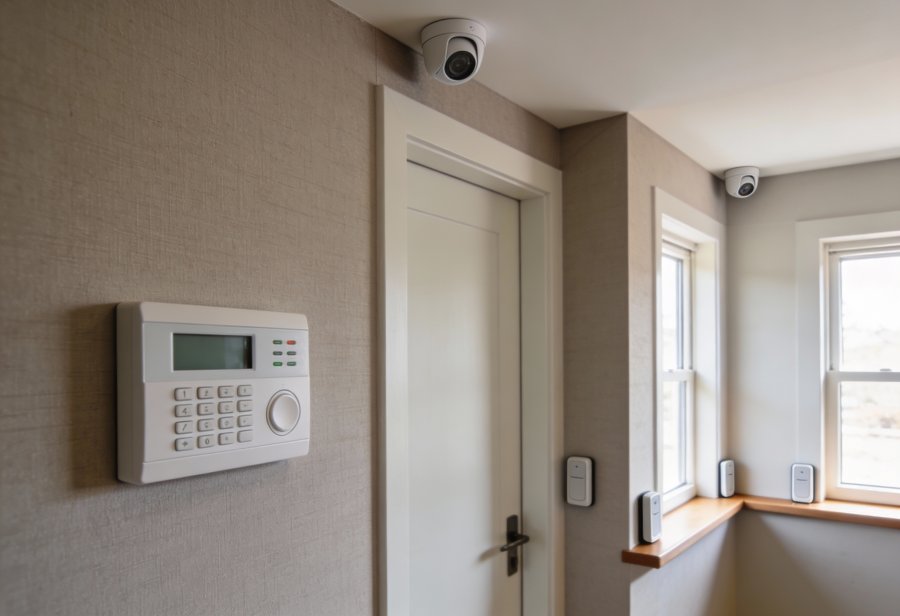
    Revolutionizing Safety: The Evolution of Home Security

    Home security has come a long way from the days when a sturdy lock and a loud alarm were enough to keep intruders out. Today’s systems are smarter, more connected, and designed to fit seamlessly into our busy lives. Instead of just reacting to threats, modern security solutions allow us to stay one step ahead. With remote monitoring, you can check your property in real-time from anywhere—whether you’re at work, on vacation, or relaxing at home. A quick glance on your phone can show you live footage, let you lock or unlock doors, or send instant alerts if something seems off.

    This shift reflects how our lifestyles have changed. We’re more mobile, more connected, and expect our safety measures to keep pace. Traditional locks and alarms are now just the starting point—they’re reactive tools that alert us after an incident happens. Today’s integrated systems are proactive, offering continuous oversight and the ability to intervene before a situation escalates. High-definition cameras, cloud storage, and smart sensors work together to create a seamless security experience that combines safety with convenience.

    Remote control is at the heart of this revolution. Imagine checking a camera during lunch or silencing a false alarm from thousands of miles away. This level of control makes security more adaptable, giving homeowners peace of mind and confidence that their home is protected 24/7. As these systems evolve, they become increasingly customizable, allowing you to tailor your security setup to your routines and specific household needs. It’s not just about adding gadgets—it’s about creating a smarter, more responsive security environment that fits into everyday life.

    The core of modern home security is the integration of different components—cameras, sensors, locks—into a unified platform. When one part detects movement, others react accordingly—cameras activate, alerts are sent, and alarms can sound—all automatically. This interconnected approach turns a passive setup into a dynamic safeguard that adapts to changing conditions and threats. The ability to manage everything remotely via apps and cloud platforms means security is no longer confined to your physical location but always within reach.

    Looking ahead, these advancements will only become more sophisticated. AI-powered threat detection, facial recognition, and predictive analytics promise a future where security systems are more intuitive and less intrusive. As technology continues to develop, staying informed and vigilant about potential cybersecurity risks will be key. Modern home security isn’t just about gadgets; it’s about creating an integrated, intelligent safety net that adapts to our unpredictable world and offers real peace of mind.

    Building Blocks of Modern Home Security: Key Components Unveiled

    Modern home security systems are built around a few key elements that work together to provide a comprehensive safeguard. Surveillance cameras are central to this setup, serving both as a visual deterrent and a real-time monitoring tool. These cameras come in various styles—some visible to ward off intruders, others discreetly placed to monitor indoor and outdoor spaces without drawing attention. With remote access capabilities, homeowners can view live footage anytime, from anywhere, using smartphones or computers. This instant visibility helps in quickly assessing any unusual activity and responding promptly.

    Alarm systems have also evolved beyond simple sirens. Today’s models incorporate sensors on doors, windows, and inside rooms, creating a network that detects movement, glass breakage, or tampering. When triggered, they instantly notify homeowners and monitoring services, who can then dispatch emergency responders if necessary. These alarms are highly customizable, allowing different alerts for specific zones or times, which helps tailor the security system to individual household needs. Integration with other smart devices makes the entire setup more flexible and responsive.

    Smart access controls are transforming how we manage entry to our homes. Keyless solutions like smart locks and biometric scanners enable quick, secure entry without traditional keys. You can grant temporary access to visitors, service providers, or family members and monitor who enters and leaves through detailed logs. When connected to home automation, unlocking a door can trigger lights, adjust the thermostat, or activate cameras, creating a seamless and secure living environment. This integration not only enhances safety but also adds a layer of everyday convenience.

    All these components are designed to function as an interconnected system. When a sensor detects movement, cameras can activate automatically, and alerts are sent directly to your device. This layered approach ensures that each part complements the others, creating a more effective security net. For example, if an alarm goes off, you can instantly view live footage to verify whether it’s a threat or a false alarm, reducing response times and increasing confidence in your home’s safety.

    Remote management is a defining feature of modern security systems. Thanks to cloud platforms and smartphone apps, homeowners can arm or disarm their systems, check live feeds, and control access from anywhere in the world. This flexibility makes security an active, ongoing process rather than a static setup. Proper placement and regular maintenance of devices—like cleaning cameras or updating firmware—are essential for reliability, ensuring the system adapts to evolving threats and household changes.

    This perspective is expanded in Lawson Zimmerman‘s article Experience the Future of Home Security with Smart, Integrated Solutions on Pentego.

    In essence, the core components of today’s home security are about integration, flexibility, and responsiveness. They work together to create a smart, adaptive safety network tailored to the unique needs of modern households. When properly installed and maintained, these elements provide not only protection but also peace of mind—allowing homeowners to feel secure knowing their home is actively guarded around the clock.

    Experience Reliable Security Solutions with F.I.S.T Security in Markham, Ontario

    F.I.S.T Security is a trusted Canadian-owned and operated business based in Markham, Ontario, specializing in comprehensive security services. We pride ourselves on our reputation for excellence and going the extra mile for our clients. Our main offerings include intruder detection, card access systems, alarm monitoring, remote video surveillance, lighting, environmental control, and notably, CCTV solutions. Whether you need enhanced surveillance or access control, FIST Security is committed to providing tailored security systems that suit your specific needs. Contact us today at 416.755.4233 or email [email protected] to learn more about how we can protect your property and assets with top-tier security technology.
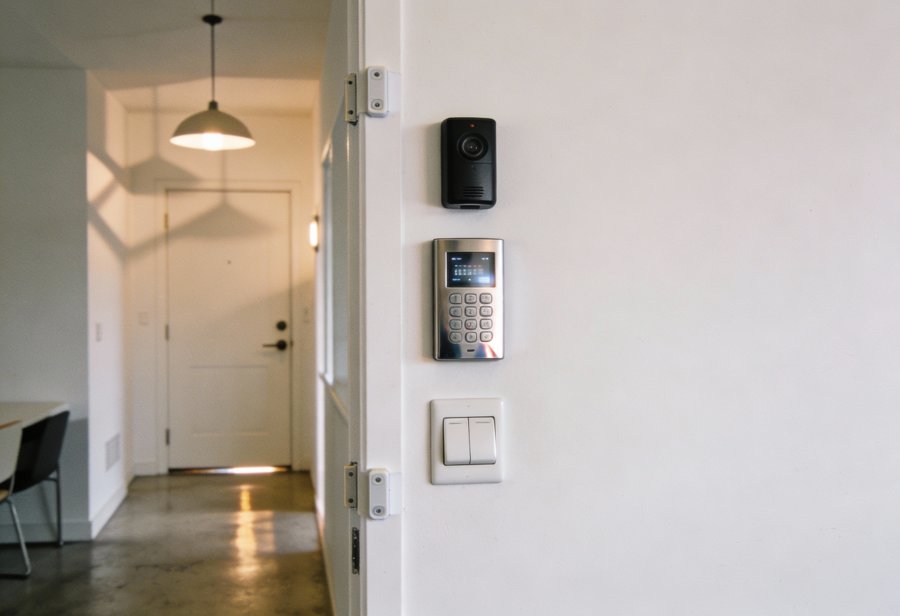
    Next-Gen Innovations: Trends Shaping Future Home Security

    Emerging trends in home security are transforming how we protect our spaces, with technology becoming smarter and more interconnected than ever before. Artificial intelligence stands at the forefront, enabling systems to learn household routines and distinguish between normal activity and potential threats. This not only reduces false alarms but also directs attention precisely where it’s needed, making security more proactive. Cameras powered by AI can automatically detect suspicious behavior, such as someone lingering near an entry point, and send instant alerts, turning security from a reactive measure into an anticipatory one.

    Wireless and cloud-based solutions continue to dominate, offering homeowners easier installation, greater flexibility, and simpler upgrades. Without extensive wiring, expanding or upgrading a system becomes straightforward and less disruptive. Cloud storage ensures that footage and controls are accessible from anywhere, whether you’re at work, traveling, or simply relaxing at home. This seamless connectivity allows for continuous remote management, making home security a dynamic, always-on tool that adapts to your lifestyle.

    The integration of smart home devices is deepening, creating a cohesive ecosystem where security, lighting, climate control, and appliances work together effortlessly. Imagine arriving home and having your door unlock automatically, lights turn on, and cameras activate—all triggered by your smartphone or voice command. This interconnected approach not only boosts security but also enhances daily convenience, automating routine tasks and responding intelligently to different scenarios. It’s about making safety an integral part of your living environment rather than a separate system.

    Facial recognition technology is gradually making its way into residential security. Doorbell cameras equipped with this feature can identify familiar faces and alert you if someone unknown appears. Over time, AI can analyze behavior patterns to help systems prioritize genuine threats while ignoring harmless activity. This personalized security reduces false alarms and ensures your safety measures are finely tuned to your household’s needs, creating a more tailored and less intrusive experience.

    However, these technological advancements come with challenges. Increased reliance on wireless networks and cloud platforms raises cybersecurity concerns, emphasizing the need for strong data protection practices. Connectivity issues can temporarily disable remote access or trigger false alarms, which highlights the importance of proper device placement and regular updates. Staying vigilant about cybersecurity and choosing reputable, compatible devices are essential steps to ensure these innovations enhance, rather than compromise, your home’s safety.

    This perspective is expanded in Kie Russell‘s article Revolutionizing Home Security with Smart Remote Control Systems on The North Shore.

    Looking ahead, continuous innovation promises even greater intelligence and integration. Advances in AI, machine learning, and device connectivity will make security systems more intuitive and less intrusive, shifting from reactive responses to predictive prevention. As these technologies evolve, staying informed and proactive is key to maintaining effective, personalized security. Ultimately, the future of home safety lies in smarter, more adaptive solutions that seamlessly blend protection with everyday living.

    Strategic Safety: Implementing Effective Home Security Plans

    Creating an effective home security setup starts with understanding your household’s unique vulnerabilities. Walk around your home and identify weak spots—unlocked windows, poorly lit entrances, or hidden corners that are hard to see from the street. Focusing on these areas allows you to plan a targeted security strategy that covers your most vulnerable points without overcrowding your property with unnecessary devices. Installing cameras at key entry points, adding sensors on vulnerable doors, and ensuring outdoor lighting is sufficient can make a significant difference, deterring intruders before they even attempt to breach your home.

    Placement is crucial. Cameras should be positioned where they can capture clear, unobstructed views of doors, driveways, and outdoor spaces. Sensors need to be aligned properly to detect movement and tampering without triggering false alarms from passing cars or pets. Strategic positioning ensures your devices respond accurately, providing reliable alerts and footage when it matters most. Regularly reviewing and adjusting these placements keeps your system effective as your household or environment changes.

    The article Transforming Home Security with Smarter, Seamless Technology by Layla Harper on Better Bricks Masonry provides useful background.

    Once your devices are installed, connect everything to a central hub or mobile app. Many modern systems use cloud platforms that enable remote access and control, letting you arm or disarm your system, view live feeds, and receive alerts from anywhere. Test each component thoroughly—check camera angles, sensor sensitivity, and alarm responses—to confirm everything works smoothly. Regular maintenance, like cleaning cameras and updating firmware, sustains system performance and prevents glitches that could compromise security.

    Educating everyone in your household about security routines is just as vital as the technology itself. Make sure family members know how to activate alarms, lock doors, and respond to alerts. Establish simple habits—like locking doors and windows at night or when leaving the house—that become second nature. When everyone follows these routines consistently, your home becomes a more resilient defense against intruders, reducing the chances of accidental disarmament or oversight.

    Despite advanced technology, challenges like Wi-Fi outages or misconfigurations can weaken your setup. Having backup measures—such as physical keys or wired sensors—adds an extra layer of protection. Periodic reviews of your system’s settings, along with professional installation if needed, can catch issues early and ensure everything functions as intended. Keeping your system well-maintained and properly configured maximizes its reliability and responsiveness.

    Finally, personalize your security measures to fit your household’s lifestyle. If you have young children, indoor cameras and door sensors in play areas are essential. Frequent travelers benefit from remote monitoring and quick access controls. Customizing alerts and routines makes your system more intuitive and reduces false alarms. A security setup that adapts seamlessly to your daily life provides not just protection but peace of mind, helping you feel secure in a world full of uncertainties.
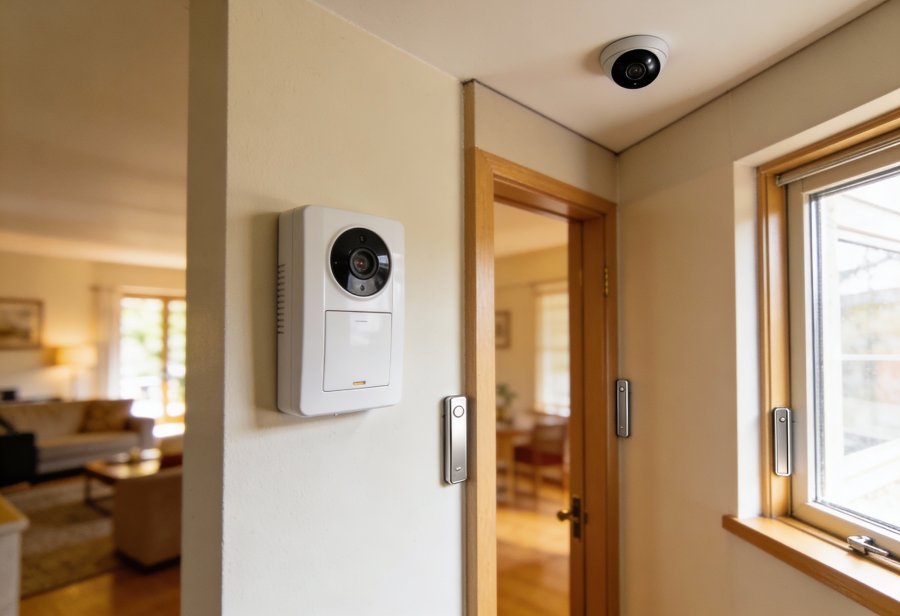
    Looking Ahead: The Future of Intelligent Home Security Systems

    The future of home security is set to become even more intelligent and interconnected as technological advancements accelerate. Artificial intelligence will play a central role, enabling systems to learn household routines and adapt their responses accordingly. This evolution will lead to fewer false alarms and more precise threat detection, making security smarter and less intrusive. Cameras powered by AI will distinguish familiar faces from strangers, alerting homeowners only when genuine concerns arise, shifting security from reactive to proactive prevention.

    Wireless and cloud-based solutions will continue to dominate, offering greater flexibility and easier upgrades. With minimal wiring needed, expanding or modifying security setups will become straightforward and less disruptive. Cloud storage ensures that footage and controls are accessible from anywhere, whether at work, traveling, or relaxing at home. This seamless connectivity transforms home security into a dynamic, always-on tool that adapts effortlessly to lifestyle changes, providing peace of mind at all times.

    Home automation will become more integrated, creating a cohesive ecosystem where security, lighting, climate control, and appliances work harmoniously. Imagine arriving home to unlock your door automatically, with lights turning on and cameras activating—all triggered by your smartphone or voice command. This interconnectedness not only enhances safety but also boosts daily convenience, automating routine tasks and responding intelligently to different scenarios. It’s about making safety an effortless part of everyday living rather than a separate effort.

    Facial recognition technology is gradually becoming a standard feature in residential security. Doorbell cameras equipped with this tech can identify familiar faces and send alerts if someone unknown appears. Over time, AI can analyze behavior patterns to help systems prioritize real threats, reducing false alarms and ensuring your security measures are finely tuned to your household. This personalization creates a less intrusive, more tailored security environment that adapts to individual routines and needs.

    However, these innovations also come with challenges. Increased reliance on wireless networks and cloud platforms raises cybersecurity concerns, emphasizing the need for strong data protection practices. Connectivity issues can sometimes disable remote access or trigger false alarms, highlighting the importance of proper device placement and regular updates. Staying vigilant about cybersecurity and choosing reputable, compatible devices are crucial to ensure these advances genuinely enhance your home’s safety rather than compromise it.

    Looking ahead, continuous innovation promises even greater intelligence and adaptability. Advances in AI, machine learning, and device connectivity will make security systems more intuitive and responsive, shifting from reactive measures to predictive safeguards. Staying informed and proactive about emerging trends will help homeowners maintain effective, personalized security that keeps pace with an unpredictable world. The future of home security will be about smarter, more seamless protection—integrated into daily life, yet unobtrusive and highly reliable.

  • Understanding Black Toenails from Walking and Foot Injury Risks

    A black toenail from walking, often dismissed as a harmless bruise, is more than just a cosmetic issue—it’s a sign of repeated trauma from ill-fitting shoes or long-distance walking. While most cases resolve naturally as the nail grows out, persistent discoloration or accompanying pain can signal underlying problems, including infections or more serious conditions like melanoma. Recognizing the connection between footwear choices and nail health is crucial, as improper shoes exacerbate injury risk and long-term damage. Minor injuries may seem insignificant initially, but neglecting early signs can lead to complications affecting mobility and comfort. Adapting daily habits—such as wearing supportive, well-fitting shoes and practicing good foot hygiene—can prevent many issues. How you respond to that darkening nail can influence your foot health—are you paying enough attention? Staying vigilant helps differentiate harmless bruises from signals of deeper concern, ensuring your toes stay healthy and pain-free in the long run.

    Unearthing the Truth About Black Toenails from Walking

    A black toenail might catch your eye and seem alarming at first, but for many people, it’s a surprisingly common issue linked to walking. Often, it results from minor injuries—like repeated pressure or bumping the toe inside tight shoes—that cause blood to collect under the nail. This collection of blood creates that dark, bluish-black discoloration we recognize as a black toenail. While it looks serious, most of these cases are harmless and tend to heal naturally over time.

    Understanding why black toenails happen is important because they’re usually just a sign of minor trauma. When you walk long distances or wear shoes that don’t fit quite right, your toes can experience repeated impacts. These small injuries might seem insignificant, but they can cause tiny blood vessels under the nail to rupture, leading to bleeding beneath the nail plate. This is known as a subungual hematoma, and it’s usually what causes the dark color.

    Despite their appearance, black toenails from walking are typically not something to panic over. In most cases, the nail will gradually grow out, pushing the blood-filled part away, and the discoloration will fade. Recognizing that these injuries are common and often manageable with simple care—like wearing better-fitting shoes and keeping feet clean—can help you stay calm. Most minor injuries resolve on their own, and the nail eventually sheds and regrows without long-term damage.

    However, it’s worth noting that not every black toenail is benign. If discoloration persists beyond a few weeks, worsens, or if pain and swelling develop, seeking medical advice becomes essential. Sometimes, ongoing trauma or underlying health conditions can complicate things, making professional assessment necessary. Being aware of these signs helps prevent overlooked issues from developing into more serious problems.

    Knowing the basics about why your toenail turns black after walking can help you avoid unnecessary worry and promote better foot health habits. Simple steps like choosing proper footwear, trimming nails regularly, and paying attention to changes can make a big difference. Staying informed allows you to protect your toes and keep your feet healthy for years to come.

    Footstep Facts: Anatomy, Injuries, and Impact on Toenails

    The toenail may be small, but it plays a crucial role in protecting your toes and supporting overall foot health. Made of keratin, the nail grows from the nail matrix, a tiny area located beneath the skin at the base of the nail. As the nail pushes outward, it acts as a shield against injuries, helping you maintain balance and mobility. Keeping the toenail healthy depends on good hygiene, regular trimming, and avoiding repeated trauma, which can weaken the nail over time.

    Walking and other activities exert constant pressure on the toes, especially the front part of the foot. Every step involves the toes hitting the inside of your shoes, and over long distances or uneven terrains, this repeated impact can cause damage. Tiny blood vessels under the nail can rupture from this trauma, leading to bleeding beneath the nail’s surface. This is often what causes the dark discoloration seen in black toenails—known as a subungual hematoma.

    Footwear choice significantly influences toenail health. Shoes that are too tight or don’t fit properly increase pressure on the toes, raising the risk of injury. Repeated trauma from ill-fitting shoes can weaken the nail’s structure, cause it to lift or thicken, and sometimes lead to discoloration. Selecting shoes with enough room and support helps prevent these issues before they develop into more serious problems.

    The anatomy of the toenail explains why injuries in this area often result in visible changes. Blood from ruptured vessels seeps into the space beneath the nail, creating that dark bruise. Since nails grow slowly—about one to two millimeters per month—it can take weeks or months for a damaged nail to grow out and for the discoloration to fade. This slow growth means minor injuries may go unnoticed until they become visible as a black or bluish stain.

    Repeated trauma from walking or tight shoes can also weaken the nail’s integrity over time. Over months or years, this can lead to thickened, brittle, or misshapen nails—signs that injury or pressure has compromised nail growth. Recognizing these early changes and adjusting footwear or foot care routines can help prevent long-term damage.

    Understanding how walking impacts toenail health, along with basic anatomy, helps you identify early signs of trouble. Good footwear, regular nail trimming, and attentive foot care are simple steps that support healthy nails and prevent black toenails. Being proactive ensures your toes stay healthy, comfortable, and free from unnecessary injury or deformity.

    Current Views: Demystifying Black Toenails and Walking

    Many people notice a black toenail after walking and immediately think it’s just a minor bruise that will go away on its own. This is a common view because most cases are caused by simple trauma—like bumping the toe inside tight shoes or walking long distances—that lead to blood pooling under the nail, forming a subungual hematoma. For many, the dark discoloration is more of a cosmetic issue than a health concern, and patience often sees it fade naturally over time.

    However, awareness is shifting. People now understand that not all black toenails are harmless. While most are just temporary injuries, some worry that persistent discoloration might hide more serious problems. For example, ongoing bleeding, infection, or even rare conditions like melanoma can mimic or mask a simple injury. Recognizing these red flags encourages more vigilant monitoring and prevents overlooked issues from worsening.

    In general, a black toenail resulting from walking appears on toes subjected to repeated impact, especially the big toe. The discoloration is usually caused by blood beneath the nail, which gradually gets pushed out as the nail grows. Most injuries resolve without intervention, with the nail slowly shedding the damaged part and regrowing. Still, if the darkening persists beyond a few weeks, worsens, or is accompanied by pain and swelling, medical evaluation becomes necessary.

    Many now see a black toenail as a sign to pay closer attention. While it’s often a benign bruise, lingering or spreading discoloration warrants caution. Changes in the nail’s appearance, combined with symptoms like discomfort or redness, should prompt a healthcare visit. Early assessment helps distinguish minor injuries from more serious issues, ensuring proper care and avoiding complications.

    Ultimately, the common perception has evolved from viewing black toenails as purely cosmetic to recognizing the importance of vigilance. Most injuries are harmless and resolve with simple care, but understanding when to seek medical advice makes all the difference. Being aware allows you to manage minor issues effectively and keep your feet healthy, avoiding long-term damage or discomfort.

    Footwear and Care Costs: Budgeting for Healthy Toes

    Caring for black toenails from walking involves both understanding the treatment process and considering the costs involved. Visiting a healthcare professional, such as a podiatrist, can range from about $50 to $200, depending on the complexity of the case. If the injury requires draining a subungual hematoma, additional procedures might add another $100 to $300. While these expenses may seem significant initially, they often prevent more serious complications that could cost much more to treat later.

    Investing in supportive footwear is another crucial aspect. Shoes that fit well and provide proper support typically cost between $50 and several hundred dollars. Although this purchase might seem like an upfront expense, it significantly reduces the risk of repeated trauma. Good shoes help prevent the toes from banging against the shoe interior, lowering the chances of black toenails and long-term damage, which can save you money on future treatments.

    On a smaller scale, affordable foot care products like antiseptic creams, bandages, or cushioned insoles are budget-friendly options that support healing. These items, usually priced between $10 and $50, are easy to add to your routine. Simple habits such as regular nail trimming, keeping feet clean, and avoiding tight shoes are low-cost but effective ways to prevent black toenails altogether.

    Preventive measures often require an initial investment but pay off by avoiding costs associated with infection, permanent nail damage, or more invasive treatments down the line. Early intervention and proper foot care are like investments in your mobility and overall health. They help you steer clear of the financial burden that neglecting minor injuries can create over time.

    Balancing treatment costs with preventive strategies means being realistic about what it takes to maintain healthy toes. Choosing the right footwear and seeking prompt medical advice when needed are small expenses that can save you from significant future costs. These steps protect not just your feet but also your wallet, making managing foot health both affordable and effective.

    In the end, caring for black toenails is about smart spending and proactive habits. Investing in quality shoes and quick medical attention when issues arise is often cheaper than dealing with long-term complications. It’s a practical approach that keeps your feet healthy and your budget intact, ensuring that minor injuries don’t turn into costly problems down the road.

    Real-Life Impact: How Black Toenails Shape Daily Footwear Choices

    Black toenails can have a real impact on daily walking routines, especially if they cause discomfort or swelling. When the toe hurts, it’s natural to adjust your stride or avoid putting pressure on that foot, which can lead to subtle changes in your gait. Over time, these modifications might cause imbalance or strain in other parts of your foot, leg, or back. Even a seemingly minor injury like a black toenail can ripple outward, affecting overall mobility and comfort.

    Many people find themselves modifying their routines to prevent aggravating the injury. Someone who enjoys long walks or hikes might cut back on their usual routes, opting for shorter or flatter terrain. Others switch to looser shoes or sandals temporarily, which can relieve pressure but might also alter how they walk. These adjustments, while helpful in the short term, can sometimes lead to new issues such as altered posture or soreness in other areas of the body.

    Ignoring early signs of a black toenail often results in increased swelling, pain, or even infection. This can turn a manageable bruise into a more serious problem, making recovery longer and more complicated. Paying attention to proper footwear—like shoes with a wide toe box—and maintaining good foot hygiene can help prevent worsening conditions. These small steps enable you to keep walking comfortably and reduce the risk of complications.

    For active individuals like athletes or outdoor lovers, managing black toenails involves practical strategies. Using toe caps or padding inside shoes minimizes friction and impact, allowing them to stay active despite injuries. These simple modifications help maintain their routines without risking further trauma, demonstrating how proactive care keeps life moving smoothly.

    Sometimes, even with care, a black toenail can influence daily decisions. Whether it’s avoiding tight shoes, choosing supportive footwear, or taking breaks during long walks, these choices help protect the toe and promote healing. Being attentive to how your body responds encourages smarter habits and reduces the likelihood of long-term damage.

    In essence, a black toenail doesn’t have to stop you in your tracks. With early intervention and mindful adjustments, most can continue their routines with minimal disruption. Recognizing the impact on walking habits and taking simple preventive steps keeps feet healthy and pain-free, supporting an active lifestyle without unnecessary setbacks.

    Key Foot Health Concerns: Recognizing Risks and Preventing Damage

    Understanding the specific concerns around black toenails helps clarify why paying attention to foot health matters. A black toenail often signals a walking foot injury, most commonly a subungual hematoma, where blood pools under the nail after repeated trauma or pressure. This injury typically occurs when toes repeatedly hit the front of tight or ill-fitting shoes during long walks, causing blood vessels beneath the nail to rupture. Recognizing this link highlights how footwear choices directly influence nail health and the risk of injury.

    Toenail discoloration isn’t always harmless. While many black toenails are just minor bruises from trauma, persistent or spreading darkening can conceal more serious issues. Continued bleeding, infection, or rare conditions like melanoma can mimic or hide a simple injury. Monitoring changes in color, along with symptoms like pain or swelling, becomes essential to distinguish minor bruising from potential health threats, prompting timely medical evaluation when needed.

    Shoe pressure injuries play a major role in causing black toenails. Shoes that squeeze tightly or don’t fit properly increase repetitive trauma, weakening the nail and blood vessels beneath. Over time, this trauma can lead to thickened, deformed nails or long-term damage if ignored. Choosing footwear with enough room and support helps prevent these injuries before they develop into more severe problems, safeguarding overall foot health.

    Beyond obvious signs, many hidden foot issues can go unnoticed. Tiny injuries or blood pooling under the nail might not cause immediate pain but can lead to complications like infections or nail deformities if left unchecked. Regularly inspecting your toes and being alert to subtle changes can catch problems early, avoiding long-term damage that hampers function and comfort.

    Repeated trauma from walking or improper footwear can cause lasting damage. Over months or years, this may result in thickened, brittle, or misshapen nails—signs that injury or pressure has compromised growth. Recognizing these early warning signs allows for adjustments in footwear or foot care routines, helping preserve nail health and prevent permanent deformities.

    Signs like persistent pain, swelling, or pus around the nail indicate complications such as infections or more serious conditions requiring medical attention. These symptoms show that what might seem like a minor bruise has escalated, emphasizing the importance of prompt care. Staying alert to these warning signals ensures minor injuries don’t develop into long-term problems, keeping your toes healthy and pain-free.

    By understanding these foot health concerns, you can better prevent black toenails and manage potential issues early. Adjusting footwear, maintaining good hygiene, and seeking medical advice when necessary form the foundation of effective foot care. Staying proactive not only preserves your toenails but also supports overall mobility and comfort, keeping you active and confident in your everyday life.

  • Discover How Future Running Shoes Will Transform Your Wellness

    Are you truly equipped to select the perfect running shoes, or are you risking injury with every step? This comprehensive guide reveals that choosing the right footwear is more than a matter of brand or style—it’s about understanding your unique foot type, gait, and running terrain. From flat feet to high arches, knowing your biomechanics can transform your running experience, preventing common injuries like stress fractures and plantar fasciitis. The process involves mindful testing, proper fit, and matching shoes to your specific needs, with an emphasis on support and cushioning. But what if your shoes could do more than just support? The future holds exciting innovations—smart, customizable, eco-friendly footwear designed to adapt to your biomechanics and improve performance sustainably. Embracing these advancements could revolutionize your running journey, making each step safer, more efficient, and deeply aligned with your holistic wellness.

    Discover How Proper Running Shoes Can Transform Your Experience

    Choosing the right running shoes is a crucial step toward making your running experience both enjoyable and safe. Many runners underestimate how much footwear can influence comfort, performance, and injury prevention. When you select shoes that fit well and support your unique foot structure, you’re laying a solid foundation for a sustainable running habit. Proper footwear doesn’t just feel better; it actively helps protect your body from common issues like blisters, plantar fasciitis, shin splints, and stress fractures—injuries that can sideline you for weeks or even months.

    Getting this choice right starts with understanding your foot type and gait. Each person’s feet are different, and knowing whether you have flat feet, high arches, or a neutral arch can make a big difference in selecting the best shoes for your needs. For example, flat feet tend to overpronate, causing the foot to roll inward excessively, which can lead to instability and strain on tendons and ligaments. High arches often underpronate, meaning the foot doesn’t absorb shock efficiently, putting extra stress on bones and joints. Recognizing your foot’s shape and how you move during a run allows you to choose footwear that offers the support and cushioning your body needs.

    The terrain you run on plays a vital role in this decision. Road shoes are designed to be lightweight and flexible, with ample cushioning to absorb impact from pavement and concrete. Trail shoes are built with rugged soles and deeper lugs to provide traction on uneven or slippery surfaces, along with added protection against rocks and debris. If your routine involves switching between different terrains, hybrid options can offer a balanced solution, combining features of both. Matching your footwear to your usual running environment enhances safety, comfort, and overall performance, making each run more enjoyable and less prone to injury.

    The fit of your shoes is perhaps the most critical factor. Shoes should feel snug around the midfoot, supporting your arch without feeling restrictive. There should be about a thumb’s width of space in the toe box to wiggle your toes comfortably—no pinching or squeezing. The heel needs to sit securely without slipping as you move, providing stability during your stride. Remember, feet tend to swell during activity, so trying shoes in the late afternoon or after a run can help you find the most accurate fit. A well-fitting shoe acts as an extension of your foot, aligning with your natural gait and supporting every step you take.

    Support and cushioning are more than just comfort features—they’re essential for maintaining proper biomechanics. If you have flat feet or tend to overpronate, look for shoes with firm midsoles and stability features that help control inward rolling. Those with high arches benefit from extra cushioning to absorb shock and protect joints from repetitive impact. Runners with neutral arches have the flexibility to choose shoes that balance support and flexibility, supporting their natural gait without restricting movement. When these elements are matched to your biomechanics, your runs become more comfortable, and the risk of injury decreases significantly.

    Selecting footwear that matches your terrain and support needs requires patience and careful testing. Take your time trying on several pairs in the late afternoon or evening, when your feet are naturally swollen. Wear the socks you plan to run in, and walk or jog around inside the store or at home to assess comfort and support. The shoes should stabilize your heel without slipping and provide enough room in the toe box for your toes to move freely. Feel how each pair responds when you press on the midsole—firm yet responsive cushioning is ideal. Trust your instincts; if a pair doesn’t feel right when you try it on, it won’t become more comfortable during your run.

    Remember, shoes are an investment in your health and long-term running enjoyment. Worn-out footwear loses support and cushioning, increasing your injury risk. Keep an eye on signs like thinning soles, worn treads, or decreased responsiveness, and plan to replace your shoes every 500 to 800 kilometers. Regular updates ensure your support system remains effective, helping you stay injury-free and able to maintain a consistent, sustainable routine. Incorporating proper lacing techniques can also enhance support and stability, locking your heel in place and preventing blisters or slippage. Small adjustments like these can significantly improve comfort and confidence during your runs.

    Choosing the right running shoes isn’t just about following trends or brand names—it’s about understanding your body and prioritizing your well-being. A thoughtful, personalized approach ensures your footwear supports your biomechanics, enhances your performance, and encourages a long-lasting, injury-free running practice. When your shoes feel like a natural extension of your body, every step becomes a step toward better health and holistic wellness. Investing time and care into your footwear choices sets the stage for a joyful, sustainable running journey that nourishes both your physical and mental well-being.

    Unlocking Foot Mechanics: The Key to Customized Support

    Understanding your foot mechanics is a vital step in selecting running shoes that truly support your natural movement and help prevent injuries. Since everyone’s feet are unique, taking the time to identify your specific foot type can make a significant difference in how comfortable and supportive your footwear feels during a run. The three main categories—flat feet, high arches, and neutral arches—each have distinct support needs and influence your gait pattern. Recognizing which category you fall into allows you to choose shoes that enhance stability, cushioning, and overall comfort.

    Flat feet, or low arches, tend to overpronate, meaning the foot rolls inward excessively when you run. This inward motion can lead to instability and puts extra strain on tendons, ligaments, and muscles, raising the risk of issues like shin splints, plantar fasciitis, and stress fractures. To identify if you have flat feet, a simple test is the wet footprint: step onto a piece of paper with wet feet and observe the imprint. If most of the sole is visible with little to no arch showing, flat feet are likely. Shoes for this foot type typically feature added support and stability, such as firmer midsoles and medial posts, which help control overpronation and keep your gait aligned.

    High arches, on the other hand, are associated with underpronation, where the foot rolls outward or doesn’t absorb shock effectively. This can cause increased stress on bones, joints, and muscles, especially in the ankles and knees. To check for high arches, perform the same wet footprint test—if the imprint shows a narrow band in the middle with a prominent curve, high arches are present. Cushioning shoes with extra shock absorption are ideal for this type, as they help protect joints from repetitive impact and reduce discomfort during longer runs.

    Runners with neutral arches tend to have a balanced foot structure that doesn’t overpronate or underpronate significantly. Their gait is usually more natural, providing a wider array of shoe options. To determine if you have neutral arches, examine your wet footprint: a full, even imprint with a clear but not overly pronounced arch indicates neutrality. Even with a neutral foot type, choosing shoes that match your running style and terrain ensures optimal comfort and performance. This support helps your natural gait function smoothly, reducing the chance of developing overuse injuries.

    Gait analysis offers further insight into how your foot strikes the ground during movement. Many specialty stores provide gait assessments where you run on a treadmill while a professional observes your stride. This process reveals whether you tend to overpronate, supinate (roll outward), or run neutrally. Paying attention to how your feet move naturally—such as noticing if they collapse inward or outward, or if you experience discomfort—can also give clues about your gait pattern. Understanding these details helps you select footwear that promotes proper biomechanics, which is essential for injury prevention and sustained comfort.

    Matching your footwear to your foot mechanics isn’t just about comfort; it’s about supporting your body’s natural movement and reducing the risk of injury. Shoes designed for overpronation with added stability features will help control inward rolling, while cushioned models are better suited for high arches that need impact absorption. Neutral runners benefit from shoes that balance support and flexibility, allowing their gait to flow naturally. Taking the time to understand your foot type and gait pattern transforms what might seem like a simple choice into a powerful tool—helping you run more efficiently, comfortably, and injury-free. This personalized approach forms a cornerstone of holistic wellness, ensuring each step supports your long-term health and enjoyment of running.

    Master the Art of Selecting Shoes That Fit and Function Perfectly

    When choosing the right running shoes, approach the process with patience and mindfulness. Start by trying on several pairs in the late afternoon or evening when your feet are naturally more swollen and closer to their typical size during activity. Wearing the socks you intend to use during your runs ensures an accurate fit, preventing surprises on the road. Take your time walking around and gently jogging inside the store or at home, paying close attention to how each pair supports your heel and stabilizes your foot. Shoes should lock your heel in place without slipping and provide enough room in the toe box—about a thumb’s width—to wiggle your toes comfortably. Comfort and support should go hand in hand, allowing your foot to move naturally without feeling restricted.

    Support features like arch support or stability structures are vital, but they must match your foot type. If you tend to overpronate or have flat feet, opt for shoes with firmer midsoles and medial posts that help control inward rolling. For those with high arches, look for models with extra cushioning to absorb shock and protect your joints from repetitive impact. Runners with neutral arches have more flexibility, but should still select shoes that align with their gait and terrain, ensuring a balanced blend of support and responsiveness. During trial, press gently on the midsole—if it feels firm yet responsive—and test the cushioning by pressing on the heel and forefoot. Shoes that respond well to this test usually provide the right amount of shock absorption and stability for longer runs.

    Matching your footwear to your usual terrain is another key step. Road running shoes are typically lightweight and flexible, with ample cushioning designed to absorb impact from hard surfaces like pavement or concrete. Trail shoes feature rugged soles and deeper lugs to grip uneven, slippery, or rocky paths, along with reinforced areas for added protection against debris. If your routine involves switching between terrains, hybrid shoes can offer a versatile solution, combining features suitable for both. Wearing terrain-specific shoes enhances safety and comfort, helping you perform confidently without discomfort or slipping. Consider how your typical running environment influences your choice, and prioritize footwear that complements that terrain for a smoother, injury-free experience.

    Don’t rush this process—take your time to compare several options side by side. Focus on how each pair supports your heel and arch, ensuring there’s minimal slippage and no pinching. The shoes should feel snug but not tight, with enough room in the toe box to prevent cramping. Trust your instincts—if a pair doesn’t feel right when you try it on, it’s unlikely to become more comfortable during your run. Remember, a well-fitting shoe that aligns with your biomechanics will support your natural gait, boost performance, and reduce injury risk. Investing the effort now means fewer setbacks later, making your running routine more sustainable and enjoyable.

    Support and cushioning are fundamental, not just for immediate comfort but for long-term health. Worn-out shoes lose their ability to cushion and stabilize, increasing the likelihood of injuries like tendinitis, stress fractures, or plantar fasciitis. Regularly replacing your shoes—every 500 to 800 kilometers—keeps your support system intact and your body protected. Small details like proper lacing can also make a significant difference; locking your heel in place prevents blisters and slippage, especially on longer runs or uneven terrain. Adjusting laces to fit your foot’s shape can enhance stability and comfort, giving you confidence with every stride. These simple, mindful adjustments turn selecting and wearing your running shoes into acts of self-care, supporting your overall journey toward holistic wellness.

    Ultimately, choosing the right running shoes is about understanding your body and respecting its needs. It’s a personalized process that requires listening carefully to how each pair feels during fitting and testing. When your shoes support your biomechanics and match your terrain, running becomes more than exercise—it becomes a form of mindful self-care. The right footwear encourages a sustainable, injury-free routine, transforming every step into an opportunity for long-term health and enjoyment. Dedicate time to this crucial step, and you’ll lay a strong foundation for a joyful, balanced, and resilient running journey that aligns with your broader wellness goals.

    Expert Tips to Optimize Your Shoe Choice and Running Comfort

    Choosing the right running shoes involves more than just picking a stylish pair off the shelf. It’s about adopting a mindful, deliberate process that prioritizes comfort, support, and fit to enhance your running experience and protect your body. Start by trying on shoes later in the day when your feet are naturally swollen, mimicking the conditions during a long run. Wearing the socks you plan to use while running ensures the fit will be accurate and comfortable when you’re actually on the move. Take your time walking around and gently jogging inside the store or at home—this gives you a feel for how each pair supports your heel and stabilizes your foot during movement.

    Pay attention to how each shoe feels in the heel area. A good fit should lock your heel in place without slipping, preventing blisters and instability. The midfoot should feel snug but not tight, supporting your arch without restricting blood flow or causing discomfort. The toe box needs to have about a thumb’s width of space, giving your toes enough room to wiggle and breathe without feeling cramped. Comfort is the key here—if a shoe doesn’t feel right when you try it on, it’s unlikely to improve during a run. Trust your instincts; your body knows best what support and fit feel natural.

    Support features like arch support or stability structures are essential, but they must align with your foot type. Overpronators or those with flat feet should look for shoes with firmer midsoles and medial posts that help control inward rolling. High-arched runners benefit from extra cushioning that absorbs shock and shields joints from impact stress. Neutral arch runners have more flexibility to choose shoes that balance support and responsiveness, allowing their natural gait to shine through. During your trial, press gently on the midsole to test responsiveness—firm yet responsive cushioning indicates a good match for longer distances and varied terrain.

    Matching your shoes to your typical running terrain makes a significant difference in comfort and safety. Road shoes are lightweight and flexible, designed to cushion impacts on hard surfaces like pavement or concrete. Trail shoes feature rugged soles with deep lugs, offering better grip on uneven, muddy, or rocky paths, along with reinforced toe caps for added protection. If your routine involves switching between terrains, consider hybrid shoes that combine features of both. Wearing terrain-specific footwear enhances stability and grip, reducing the risk of slips and discomfort while boosting confidence on every surface.

    Don’t rush the selection process. Take your time to compare several options side by side, feeling how each pair supports your heel, arch, and overall foot. The shoes should feel snug but not tight—there should be no pinching or squeezing in any area. Walk, jog, and even simulate your running stride to see how each shoe responds during movement. Remember, every foot is unique, so listen to what your body tells you. If a pair doesn’t feel right when trying it on, it’s unlikely to become more comfortable once you start running. Prioritizing fit and support now saves you from discomfort and injuries down the line.

    Support and cushioning are more than just comfort—they’re vital for maintaining proper biomechanics and preventing injury. Worn-out shoes lose their ability to cushion impacts and stabilize your gait, increasing the risk of problems like tendinitis, stress fractures, or plantar fasciitis. Regularly replacing your running shoes—every 500 to 800 kilometers—keeps your support system intact and your body protected. Keep an eye on signs of wear, such as thinning soles or worn treads, and swap out your shoes before they become a liability. Properly fitted, supportive footwear forms the foundation of a sustainable, injury-free running routine.

    Small details like lacing can make a big difference in how supported and stable your shoes feel. Locking your heel with a snug lacing pattern prevents slippage and reduces blisters, especially on longer runs or uneven terrain. Conversely, loosening the laces slightly for wider or swollen feet can improve comfort without sacrificing support. Experimenting with different lacing techniques is a simple, cost-free way to optimize fit. When your shoes are laced correctly, they feel like an extension of your foot—providing confidence and reducing the risk of injury. Adjusting laces to your foot’s shape and your activity’s demands is a mindful act of self-care that enhances your overall running experience.

    Choosing and caring for your running shoes is a continuous journey of mindfulness and attentiveness. Regularly check for signs of wear, and replace your shoes before they lose their supportive qualities. Remember, supporting your biomechanics through proper fit and terrain matching isn’t just about comfort—it’s a crucial step in injury prevention. Small adjustments, like lacing and sock choice, can significantly impact how supported and secure you feel during each run. Incorporating these mindful habits into your routine turns shoe selection into an act of self-love and care, aligning with your broader goals of holistic wellness. When you treat your feet with respect and attention, every step becomes a step toward a healthier, more balanced you.

    Future of Running Shoes: Innovations That Support Your Wellness Journey

    Looking ahead, the landscape of running shoe technology is set to transform in exciting and meaningful ways that can significantly support your long-term wellness journey. Advances in materials science are paving the way for lighter, more durable, and environmentally friendly footwear options. Imagine shoes made from innovative bio-based foams or recycled fabrics that do not compromise performance but help reduce environmental impact. These developments aim to create footwear that is not only resilient and responsive but also aligned with a sustainable ethos—allowing you to enjoy your runs while respecting the planet.

    Smart technology integration is becoming increasingly embedded in running shoes, turning them into high-tech tools that offer real-time insights. Embedded sensors now monitor gait, impact forces, and fatigue levels, transmitting data directly to your smartphone or smartwatch. This instant feedback enables you to adjust your running form, avoid overtraining, and catch early signs of injury before they develop into serious issues. Such innovations harmonize with a holistic wellness approach by empowering you to listen more attentively to your body and make informed decisions that support your health and longevity.

    Personalization takes center stage in the evolution of footwear design, with advancements like 3D printing and custom-molded shoes becoming more accessible. This means you could soon get shoes tailored precisely to your unique foot shape, gait pattern, and terrain preferences—enhancing comfort and performance while reducing injury risks caused by ill-fitting footwear. Custom-fit shoes foster a more natural gait, allowing your body to move efficiently and sustainably, which is the cornerstone of injury prevention and holistic wellness.

    The development of midsole technology is particularly promising. New systems are engineered to return energy more efficiently, effectively acting like springs that propel you forward and absorb shock better than current models. This innovation translates into less fatigue during longer runs and faster recovery afterward, helping you maintain consistency in your training without risking overuse injuries. Such support aligns perfectly with a sustainable approach, encouraging you to run longer and healthier, with less stress on joints and muscles.

    Eco-conscious design is increasingly driving innovations in the footwear industry. Brands are investing in sustainable manufacturing processes, sourcing recycled or biodegradable materials, and designing shoes that can be easily recycled at the end of their lifecycle. This shift not only supports your health by encouraging mindful consumption but also contributes to environmental conservation. As eco-friendly options become more widespread and affordable, they make it easier for you to pursue your wellness goals while staying aligned with your values of sustainability and respect for the planet.

    Artificial intelligence and machine learning are set to revolutionize how shoes are developed and adapted to individual needs. By analyzing vast amounts of biomechanical data, these technologies can help create smarter shoes that adapt dynamically during your run. Imagine footwear that adjusts its support or cushioning in real time, optimizing comfort and reducing injury risk on the fly. This level of personalization and responsiveness can elevate your running experience, making it safer, more efficient, and more aligned with your body’s natural rhythms—integral to a mindful, holistic approach to health.

    Finally, as these technological advancements become more accessible, the possibilities for every runner expand. High-performance, innovative footwear is no longer limited to elite athletes; it becomes attainable for enthusiasts at all levels. This democratization of advanced features supports the idea that holistic wellness is inclusive and achievable for everyone. By embracing these future trends, you can continually refine your approach, ensuring your gear evolves alongside your needs and aspirations. Moving forward, your footwear can be a powerful partner—supporting your health, protecting your body, and inspiring a lifelong love of running rooted in authenticity, sustainability, and well-being.

  • Galileo’s Defiance: Catalyst for Scientific Revolution and Progress

    Galileo Galilei’s revolutionary discoveries transformed our understanding of the universe, revealing a cosmos far more complex and dynamic than previously believed. His pioneering use of the telescope uncovered moons orbiting Jupiter and lunar surface irregularities, challenging the notion of perfect heavens. Yet, his scientific courage came at a steep personal cost—facing the Inquisition, recanting publicly, and enduring house arrest. This story of relentless defiance raises a compelling question: did Galileo’s bold challenge to tradition and authority make him a martyr for progress? His unwavering pursuit of truth, despite immense risks, inspired future generations to prioritize evidence over dogma and sparked the scientific revolution. Today, his legacy reminds us that genuine progress often demands sacrifice and resistance—what are we willing to risk for the sake of knowledge and societal advancement?

    Galileo Galileo: A Revolutionary Mind Challenging the Cosmos and Authority

    Galileo Galilei stands as one of the most influential figures in the history of science, known for transforming how we understand the universe. His discoveries didn’t just expand our knowledge—they challenged centuries-old views rooted in tradition and authority. Galileo’s work with the telescope revealed moons orbiting Jupiter and uneven lunar surfaces, evidence that the universe was far more complex than previously believed. These findings questioned the notion of perfect, unchanging heavens and opened the door to new ways of thinking about our place in the cosmos.

    But Galileo’s story isn’t just about scientific breakthroughs. It’s about daring to stand against powerful institutions and long-held beliefs. His support for the heliocentric model, which placed the Sun at the center of the universe, directly challenged the church’s teachings and the authority that dictated what was accepted as truth. His willingness to question authority made him a symbol of intellectual independence and courage, but it also put him in grave danger.

    His defiance wasn’t easy or without cost. Galileo’s persistent questioning of the geocentric view and his advocacy for new ideas brought him into conflict with the religious authorities of his time. The Inquisition’s trial forced him to publicly recant his findings and spend the rest of his life under house arrest. Despite these personal sacrifices, Galileo’s ideas continued to ripple through the scientific community, inspiring future generations to value evidence over dogma.

    The question of whether Galileo’s rebellious spirit made him a martyr for progress remains central to his story. He risked everything—his reputation, his safety, and his freedom—to pursue truth and challenge the status quo. His story exemplifies how standing up to entrenched power often involves personal hardship, yet sparks the very change that can redefine society’s understanding of the world.

    Galileo’s life shows that true progress often comes at a cost. His courage to challenge authority helped forge the scientific revolution and set a precedent for intellectual freedom. His legacy endures as a reminder that questioning dogma, despite opposition, is essential for discovery and growth. In the end, Galileo’s defiance and discoveries continue to inspire those who believe that truth is worth fighting for, even when the odds are stacked against them.

    Galileo’s Origins and the Scientific Awakening of the Renaissance

    Galileo Galilei was born in 1564 in Pisa, Italy, during a time when the scientific world was still rooted in ancient ideas and classical authority. Growing up in the late Renaissance, he developed a natural curiosity for mathematics and observation, which set him apart early on. His innovative approach combined meticulous experimentation with a willingness to question long-standing beliefs, quickly earning him a reputation as an outsider willing to challenge the status quo.

    The scientific environment of the late 16th and early 17th centuries was marked by a dramatic shift from medieval thinking to modern inquiry. The heliocentric model proposed by Copernicus, which placed the Sun at the center of the universe, gained traction among progressive thinkers but faced intense opposition from the church and traditional scholars. Galileo’s work pushed these emerging ideas further, blending technological innovation with rigorous observation to challenge the geocentric view that had dominated for centuries.

    Using his improved telescope, Galileo made discoveries that shook the foundations of accepted wisdom. He observed moons orbiting Jupiter, providing clear evidence that not all celestial bodies revolved around Earth. He also documented the Moon’s uneven surface and sunspots, which contradicted the idea of a perfect, unchanging heaven. These findings questioned the classical belief that the universe was static and divine, suggesting instead a dynamic, evolving cosmos.

    Throughout his career, Galileo’s relationship with authority was fraught with tension. His support for heliocentrism and his use of the telescope to back it up put him at odds with religious leaders and academic peers alike. His outspoken advocacy challenged the church’s teachings and the long-held notion of Earth’s central position in the universe. Despite the risks, Galileo persisted, driven by a conviction that science should be based on evidence rather than dogma.

    The growing controversy culminated in his trial by the Inquisition in 1633. Forced to recant his views publicly, Galileo faced house arrest and the suppression of his work. Yet, even under these harsh constraints, his ideas continued to influence future generations. His courage to challenge authority and pursue truth helped ignite the scientific revolution, laying the groundwork for a new era of inquiry that would eventually reshape humanity’s understanding of the cosmos.

    Rebellion Against the Norm: How Galileo’s Defiance Reshaped Scientific Legacy

    Galileo’s unwavering refusal to conform to the authorities of his time didn’t just shape his reputation; it altered the course of scientific history. His bold support for heliocentrism and his challenge to church doctrine made him a controversial figure, feared and misunderstood by many. During his lifetime, suspicion and hostility surrounded him, as his ideas threatened the stability of accepted beliefs. The Inquisition’s trial, which forced him to publicly recant, was a harsh blow—humiliating and silencing him for years. Yet, even under the weight of persecution, his ideas continued to circulate quietly, inspiring future scientists and thinkers to question dogma and prioritize evidence over authority.

    This trial marked a turning point, revealing the high personal costs of rebellion. Recanting publicly was a bitter moment for Galileo, who had dedicated his life to uncovering truth. It stung his pride and integrity, forcing him into silence and house arrest. Many peers distanced themselves, wary of association with a man branded as a heretic. Still, his ideas persisted in underground circles, fueling the intellectual fire that would eventually ignite the scientific revolution. His willingness to endure such hardship underscored a core truth: standing up to dominant beliefs often demands personal sacrifice.

    Galileo’s resilience left a lasting impression that transcended his lifetime. His perseverance demonstrated that the pursuit of truth can come with profound costs, but those sacrifices can also inspire societal change. His suffering and persecution turned him into a symbol of scientific independence and courage. Over time, recognition of his contributions grew, cementing his legacy as a pioneer who dared to challenge the status quo. His story shows that true progress often involves risking everything for the sake of discovery, and that enduring hardship can ultimately lead to recognition and transformation.

    The clash between Galileo and the church reflected a broader cultural struggle—the tension between faith and reason. His defiance questioned the idea that knowledge should be dictated from above, advocating instead for evidence-based inquiry. This stance was risky, as it threatened the foundation of the established order. Yet, it helped establish the principle that science must be rooted in observation and skepticism, even when it defies authority. His courage in the face of this opposition laid the groundwork for the modern separation of science and dogma, emphasizing that progress often requires brave resistance.

    Despite the personal setbacks, Galileo’s influence persisted. His ideas continued to circulate secretly, fueling ongoing debates and inspiring future generations. His resilience proved that standing for truth, despite severe consequences, can eventually shift societal perceptions. His life underscores that challenging authority isn’t just about ideas—it’s about risking reputation, safety, and freedom. Yet, those sacrifices serve a higher purpose: advancing human understanding and fostering a culture of inquiry that values evidence over dogma.

    Today, Galileo’s story remains a powerful reminder of the costs—and the necessity—of rebellion in the pursuit of knowledge. His willingness to face persecution for the sake of truth set a precedent for scientific courage and independence. His legacy encourages us to question, to challenge, and to stand firm against suppression, knowing that progress often begins with those willing to pay a price. Galileo’s defiance proved that even under the harshest circumstances, the quest for understanding can ignite change that endures well beyond his time.

    The Price of Courage: Personal Sacrifice and the Cost of Challenging Power

    Galileo’s rebellion against the powerful authorities of his time came with a steep personal cost. His unwavering support for heliocentrism and his challenge to church doctrine made him a controversial figure, feared and misunderstood by many. During his lifetime, suspicion and hostility surrounded him, as his ideas threatened the stability of accepted beliefs. The Inquisition’s trial, which forced him to publicly recant, was a harsh blow—humiliating and silencing him for years. Yet, even under the weight of persecution, his ideas persisted in underground circles, inspiring future scientists and thinkers to question dogma and prioritize evidence over authority.

    This trial marked a turning point, revealing the high personal stakes involved in defying entrenched power. Recanting publicly was a bitter, humiliating moment for Galileo, who had dedicated his life to uncovering truth. It struck at his pride and integrity, forcing him into silence and house arrest. Many peers distanced themselves, wary of association with a man branded as a heretic. Nevertheless, his ideas continued to circulate secretly, fueling the revolutionary shift in scientific thought. His willingness to endure such hardship underscored a vital truth: standing against dominant beliefs often demands extraordinary sacrifice.

    Galileo’s resilience left a lasting legacy that extended far beyond his lifetime. His perseverance proved that the pursuit of truth can come with profound personal costs but can also inspire societal change. His suffering and persecution transformed him into a symbol of scientific independence and moral courage. Over time, recognition of his groundbreaking contributions grew, cementing his status as a pioneer who dared to challenge the status quo. His story demonstrates that genuine progress often involves risking everything—reputation, safety, even freedom—for the sake of discovery.

    The clash between Galileo and the church reflected a broader cultural tension—the battle between faith and reason. His defiance questioned the notion that knowledge should be dictated from above, advocating instead for evidence-based inquiry. This stance was dangerous, threatening the very foundations of the established order. Yet, it helped establish the principle that science must be rooted in observation and skepticism, even when it defies authority. Galileo’s courage in facing these risks laid the groundwork for the modern separation of science and dogma, emphasizing that progress requires brave resistance.

    Despite these personal sacrifices, Galileo’s influence persisted. His ideas continued to circulate secretly, sparking debate and inspiring future generations. His willingness to stand firm against suppression showed that fighting for truth, even at great personal risk, can eventually shift societal perceptions. His life underscores that challenging authority isn’t just about ideas—it’s about risking reputation, safety, and freedom. Those sacrifices, though costly, helped ignite a movement that forever changed how humanity seeks knowledge and understands the universe.

    Legacy of Resistance: Galileo’s Enduring Relevance in Modern Scientific Battles

    Galileo’s story remains strikingly relevant today, especially as we navigate ongoing debates about scientific independence and institutional authority. In a world flooded with misinformation and vested interests, his example reminds us that questioning accepted wisdom is essential for genuine progress. When political, religious, or corporate powers resist uncomfortable truths, Galileo’s courage to stand firm offers a powerful model for resisting pressure and defending evidence-based inquiry.

    His legacy encourages a mindset rooted in curiosity and skepticism. Modern scientists often face similar challenges—results that threaten powerful narratives or threaten status quo interests. Galileo’s willingness to challenge dogma shows how safeguarding scientific independence is crucial. When researchers push boundaries and ask tough questions, they risk backlash, but history demonstrates that these acts of rebellion often lead to societal advances and more accurate understanding.

    Current issues like climate change, public health, or technological ethics echo Galileo’s struggles. When influential groups attempt to silence or distort scientific findings, his example underscores the importance of resilience and integrity. Standing up for truth—even when it’s risky—can eventually sway public opinion and policy, just as it did centuries ago. His life shows that persistent advocacy for evidence can ignite change, even under intense opposition.

    The personal sacrifices Galileo made highlight that progress often comes at a cost. His defiance challenged powerful institutions and placed him in peril, yet he persisted because he believed in the pursuit of truth. Today’s scientists and advocates draw inspiration from that same resilience, understanding that real change requires courage and conviction. Galileo’s story reminds us that fighting for knowledge and integrity is sometimes costly but ultimately necessary for societal growth.

    In a time when misinformation is rampant and authority figures often resist scrutiny, Galileo’s example urges us to defend inquiry and skepticism. Whether in policymaking, education, or public discourse, resisting suppression and dogma is vital. His legacy proves that progress begins with those willing to challenge the status quo, risking personal loss to advance collective understanding.

    His life also teaches that resistance can spark a cultural shift. Challenging entrenched beliefs may lead to short-term setbacks, but enduring such struggles is part of the path toward enlightenment. Galileo’s defiance laid the groundwork for a worldview that values evidence over dogma—a principle that continues to shape our approach to science and truth today.

    Ultimately, Galileo’s story encourages us to question authority responsibly, stand firm in the face of opposition, and prioritize truth above all. In doing so, we honor his legacy and continue the pursuit of knowledge that he championed—knowing that real progress often begins with the courage to defy, despite the risks.

  • Unmasking Caller ID Spoofing: Protect Yourself from Deceptive Calls

    Discover the hidden dangers behind caller ID spoofing—an insidious technology that manipulates your phone’s display to deceive you. While it can serve legitimate purposes, scammers exploit it to impersonate trusted institutions, spreading fear and fraud with convincing false identities. How can you differentiate between genuine and fake calls when the technology is designed to deceive? Understanding the complex protocols like SS7 and emerging tools such as VoIP and AI-driven scams reveals how easy it is for cybercriminals to craft convincing impersonations. This knowledge becomes your first line of defense, prompting crucial questions: When you answer an unexpected call, is it truly who they say they are? Are your personal details safe from these sophisticated digital masquerades? As threats evolve, staying vigilant—and leveraging new verification tools—becomes essential to protect yourself in an increasingly deceptive digital landscape. Will future innovations finally restore trust in caller ID, or will scammers find new ways to outsmart us?

    Unmasking Caller ID Spoofing: The Hidden Deception That Undermines Trust

    Caller ID spoofing is a trick that manipulates what you see on your phone’s screen when a call comes in. Instead of displaying the actual number or name of the caller, spoofing makes it look like the call is coming from somewhere else entirely. This technology can serve legitimate purposes, such as protecting privacy or managing large-scale outreach, but it’s often exploited by scammers and cybercriminals to deceive and manipulate. As a result, the trust you place in your caller ID can be easily undermined by these false signals.

    The core of caller ID spoofing lies in how call information is transmitted across telecommunication networks. When someone makes a call, their number and sometimes their name are sent alongside the voice data through a protocol called Signaling System 7 (SS7). This system is designed to route calls efficiently and display caller details before you even pick up. Because SS7 doesn’t verify the accuracy of the information it transmits, it’s vulnerable to manipulation. Malicious actors can inject false data into the call setup, making it appear as if a trusted organization or individual is calling.

    This vulnerability opens the door for a range of deceptive practices. Scammers often forge caller IDs to impersonate banks, government agencies, or colleagues, aiming to lower your defenses and trick you into revealing sensitive information or making payments. They may use VoIP services or exploit weaknesses in telecom protocols to set any number they want, crafting convincing fake identities. The ease of digital manipulation means that even seemingly familiar numbers can be faked convincingly, blurring the line between genuine and malicious calls.

    Understanding how caller ID information is transmitted reveals why these calls can seem so authentic. Your phone displays what it receives from the network, but since that data can be manipulated, it’s not a reliable indicator of the caller’s true identity. This disconnect makes caller ID spoofing a powerful tool for scammers, who can create convincing fake identities on a large scale. Recognizing this technology’s strengths and vulnerabilities is key to staying cautious and questioning suspicious calls instead of trusting them blindly.

    The potential for abuse is significant because the same technology that helps facilitate clear communication can be exploited for deception. While legitimate organizations may use caller ID manipulation for good reasons, such as local number display or emergency alerts, scammers take advantage of these features to carry out their schemes. As digital manipulation tools become more accessible and sophisticated, the threat of spoofed calls grows, making it crucial for users to understand how these tricks work.

    Knowing the technology behind caller ID spoofing empowers you to approach incoming calls with a healthy dose of skepticism. It reminds us that appearances can be deceiving and that trusting a caller ID without verification can lead to serious consequences. Staying informed about how this manipulation happens is your best defense against falling victim to digital masquerades—protecting your personal information and maintaining confidence in your phone’s caller display.

    The Tech Behind Your Calls: How Caller ID Information Is Transmitted and Manipulated

    When you answer a call, your phone relies on a set of established standards and protocols to display the caller’s information. The primary system behind this process is called Signaling System 7 (SS7), a global communication protocol that handles the routing and management of calls across networks. SS7 exchanges data about the caller’s number and sometimes their name, enabling your device to show this information almost instantly, often before you even pick up. This fast exchange makes it convenient to identify who’s calling, helping you decide whether to answer or ignore.

    However, the way caller ID information is transmitted is not foolproof. SS7 and similar protocols operate without verifying the accuracy of the data they carry. They simply pass along the caller’s details as provided by the originating network. This lack of verification creates an opening for manipulation. Scammers and cybercriminals exploit this vulnerability by injecting false data into the call setup process. They can make it appear as if the call is coming from a trusted organization, like a bank or government agency, even though it’s not.

    Legitimate organizations also use caller ID manipulation for beneficial purposes. For example, customer service centers might display local numbers to improve answer rates, or emergency alerts may use caller ID tricks to reach specific communities while safeguarding privacy. These practices highlight the flexibility of caller ID technology, but they also underscore how easily it can be misused. The same system that enhances communication can be turned into a tool for deception when exploited by malicious actors.

    Many scammers leverage Voice over IP (VoIP) services to make spoofing easier. These digital platforms allow them to set any number they wish before placing a call. By exploiting weaknesses in protocols like SS7, they inject false caller details into the data stream, making fake calls appear convincing. Some even mask their actual numbers entirely through number masking techniques, making it nearly impossible to verify the caller’s real identity at a glance. This ease of manipulation significantly amplifies the threat posed by spoofed calls.

    Understanding how caller ID data is transmitted reveals why these calls can seem so authentic. Your phone displays the information it receives from the network, but since that information can be manipulated or forged, it’s not a reliable indicator of who’s really calling. This disconnect is what makes caller ID spoofing such a powerful tool for scammers. Recognizing the technology’s strengths and vulnerabilities helps you approach incoming calls with a more critical eye, reducing the risk of falling victim to deception.

    Inside the Mind of Scammers: Tactics, Motives, and the Impact of Spoofed Calls

    Caller ID spoofing isn’t just about changing a caller’s number; it’s a calculated deception that exploits human trust and vulnerabilities in telecommunications systems. Scammers craft convincing fake identities by impersonating trusted institutions like banks, government agencies, or even familiar colleagues, aiming to lower your defenses and manipulate your response. Their goal is often to extract sensitive information, lure victims into financial scams, or spread malware—all by making the call appear legitimate.

    Using digital call manipulation tools like VoIP services, these fraudsters can easily set any number they wish before dialing. They exploit weaknesses in protocols such as SS7, injecting false caller details during the call setup. This means the fake number appears authentic on your screen, even though it’s entirely fabricated. The sophistication of these techniques makes it increasingly difficult to distinguish genuine calls from malicious ones, especially when scammers mask their real numbers altogether through number masking or spoofing.

    The motives behind caller ID spoofing are diverse but mostly revolve around financial gain and emotional manipulation. Scammers often impersonate law enforcement or tax authorities, threatening legal action to pressure victims into quick, unthinking decisions. Others pretend to be tech support or bank representatives, convincing people to reveal passwords or install malicious software. These tactics rely heavily on creating a sense of authority or urgency, which can override rational judgment and prompt victims to act impulsively.

    The impact on victims can be severe. Answering a spoofed call might lead to personal data theft, financial loss, or identity fraud. Some victims lose thousands of dollars before realizing they’ve been duped. Emotional distress also plays a role, as scam calls can create feelings of vulnerability and violation. Over time, repeated exposure to such deception can erode trust in legitimate communication channels, making individuals more cautious and, paradoxically, more vulnerable.

    Despite the malicious intent, caller ID manipulation is a double-edged sword. Legitimate organizations use similar techniques for customer service purposes, such as displaying local numbers to improve answer rates or deploying emergency alerts that protect privacy. These benign uses highlight how flexible and powerful the technology is—yet also how easily it can be exploited when in the wrong hands. The line between helpful and harmful use is razor-thin, which underscores the importance of vigilance.

    Scammers continuously refine their tactics, leveraging AI and automation to craft highly convincing fakes. They can generate calls that mimic real voices, create urgency through scripted messages, and adapt quickly to new security measures. This evolution makes it more urgent than ever for consumers to stay informed and skeptical of suspicious calls. Recognizing the motives and tactics behind spoofing helps you see these calls not as isolated nuisances but as deliberate attempts at deception.

    Understanding the motives and methods behind caller ID spoofing reveals why it’s such a potent tool for scammers. It plays on trust, authority, and fear—emotions that can override rational judgment. By forging believable identities, scammers exploit the natural tendency to trust familiar or official-looking numbers. This deception can lead to devastating financial and emotional consequences, emphasizing the need for constant awareness and cautious verification.

    Being aware of these tactics is your best defense. Question suspicious calls, especially those that create urgency or ask for sensitive information, and verify through trusted channels. Recognize that the technology behind caller ID spoofing is powerful but flawed, and use that knowledge to stay one step ahead. In a landscape where deception grows more sophisticated, vigilance and skepticism remain your strongest tools to unmask these digital masquerades.

    Stay Safe from Digital Deception: Practical Strategies to Detect and Defend Against Spoofing

    To protect yourself from falling victim to caller ID spoofing, staying vigilant is key. When you receive an unexpected call, especially from an unfamiliar number claiming to be from your bank, government agency, or tech support, pause before answering. Look closely at the caller ID; suspicious digits, odd area codes, or messages that create a sense of urgency are common red flags scammers use to pressure you into quick decisions. Never share sensitive information like passwords or Social Security numbers over the phone unless you’ve independently verified the caller’s identity through official channels.

    Using caller verification tools can add an extra layer of security. Apps like Truecaller, Hiya, or RoboKiller maintain databases of scam numbers and can flag suspicious calls in real time. Many telecom providers also implement protocols like STIR/SHAKEN, which help authenticate caller identities at the network level. Enabling call blocking features or spam filters on your device can prevent scam calls from ringing through, giving you more control and peace of mind. These tools are especially helpful if you receive frequent spam calls or suspect spoofing attempts.

    Pay attention to patterns that signal trouble. Repeated calls from unfamiliar or suspicious numbers, especially those claiming to be from official institutions but with odd area codes or unfamiliar formats, should raise suspicion. Calls that threaten legal action, demand quick responses, or request personal details are typical red flags. When in doubt, hang up and verify the caller’s identity through official contact information—never use the number provided during the suspicious call. Contact organizations directly using trusted numbers from their websites or previous correspondence.

    Practical measures like call-blocking apps and spam filters can significantly reduce the number of unwanted or suspicious calls reaching you. Most smartphones now include built-in features to block numbers or filter suspected spam automatically. Third-party apps analyze incoming calls and alert you to potential spoofing based on known scam patterns or flagged numbers. Employing these tools helps prevent many malicious calls from ringing through, reducing your exposure to deception and safeguarding your personal information.

    Finally, cultivating a cautious mindset is your best defense. Be wary of calls that create urgency or ask for confidential information. Remember, legitimate organizations rarely demand immediate responses or request sensitive data over the phone without prior verification. When in doubt, hang up and reach out through trusted contact channels. Staying informed about common scam tactics—by following updates from consumer protection agencies and cybersecurity sources—strengthens your awareness. Combining technological safeguards with a skeptical approach makes it much harder for scammers to succeed and helps you maintain control over your calls.

    Gazing Into the Future: Battling Spoofing with Technology and Vigilance

    The world of caller ID spoofing is evolving rapidly, with scammers continuously refining their methods to bypass existing defenses. Today’s tactics include highly convincing digital call manipulation that can make fake identities appear almost indistinguishable from legitimate ones. This sophistication makes it increasingly difficult for the average person to tell genuine calls from malicious imitations, raising the stakes for personal and financial security.

    Fortunately, technological advancements are offering new tools to combat these threats. Protocols like STIR/SHAKEN are gaining momentum and aim to authenticate caller information at the network level. When fully adopted, these standards promise to significantly reduce spoofing success rates by verifying the legitimacy of caller identities before they reach your phone. Telecom providers are expanding these protections, which could help restore trust in the reliability of caller ID as a helpful communication tool.

    Despite these improvements, scammers adapt quickly. They exploit vulnerabilities in protocols and leverage AI-driven tools to generate more convincing fakes. This ongoing cat-and-mouse game means no single solution will eliminate spoofing entirely. Staying vigilant remains essential, as scammers find new ways to deceive even the most cautious users. Awareness of emerging tactics and continuous education are vital to keeping pace with this ever-changing landscape.

    Looking ahead, innovations like AI-powered call verification and blockchain-based identity records offer hope. These technologies can analyze call patterns in real time and create tamper-proof logs, making it harder for scammers to succeed. However, technological progress must be complemented by strong policies, consumer education, and industry standards that promote transparency and accountability. Only through a combined effort can we build a more secure communication environment.

    While challenges remain, the ongoing commitment of regulators, telecom companies, and security experts signals a positive shift. Each advancement makes spoofing more difficult and helps restore confidence in caller ID. Staying informed and cautious is your best defense, ensuring that you can better recognize, verify, and protect yourself from these digital masquerades. The fight against caller ID deception is ongoing, but with concerted effort, a safer, more trustworthy phone system is within reach.