In an age where threats are constantly evolving, can modern home security truly keep your family safe? Today’s integrated systems go far beyond traditional locks and alarms, offering remote surveillance, smart access controls, and AI-powered threat detection. These innovations promise unprecedented convenience and peace of mind, allowing homeowners to monitor and manage their safety from anywhere. Yet, with increased connectivity comes new risks—cybersecurity concerns, false alarms, and system vulnerabilities that could undermine your security setup. How do you balance the convenience of smart technology with the need for reliable protection? This comprehensive overview explores the core components of contemporary security systems, emerging trends like facial recognition and automation, and practical strategies for effective implementation. As technology advances rapidly, staying informed and vigilant is crucial to ensuring your home remains a sanctuary in an unpredictable world—are you prepared to adapt to the future of home security?
Revolutionizing Safety: The Evolution of Home Security
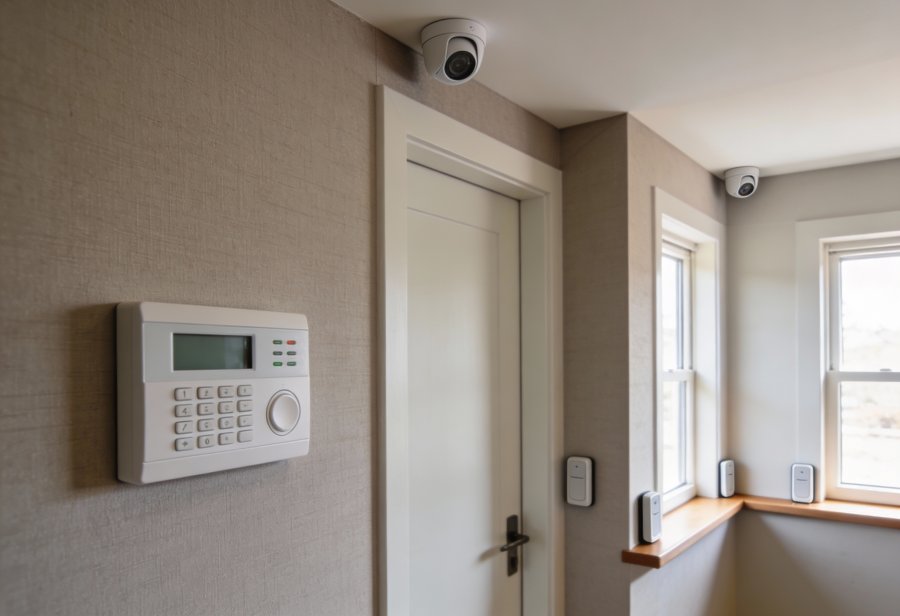
Home security has come a long way from the days when a sturdy lock and a loud alarm were enough to keep intruders out. Today’s systems are smarter, more connected, and designed to fit seamlessly into our busy lives. Instead of just reacting to threats, modern security solutions allow us to stay one step ahead. With remote monitoring, you can check your property in real-time from anywhere—whether you’re at work, on vacation, or relaxing at home. A quick glance on your phone can show you live footage, let you lock or unlock doors, or send instant alerts if something seems off.
This shift reflects how our lifestyles have changed. We’re more mobile, more connected, and expect our safety measures to keep pace. Traditional locks and alarms are now just the starting point—they’re reactive tools that alert us after an incident happens. Today’s integrated systems are proactive, offering continuous oversight and the ability to intervene before a situation escalates. High-definition cameras, cloud storage, and smart sensors work together to create a seamless security experience that combines safety with convenience.
Remote control is at the heart of this revolution. Imagine checking a camera during lunch or silencing a false alarm from thousands of miles away. This level of control makes security more adaptable, giving homeowners peace of mind and confidence that their home is protected 24/7. As these systems evolve, they become increasingly customizable, allowing you to tailor your security setup to your routines and specific household needs. It’s not just about adding gadgets—it’s about creating a smarter, more responsive security environment that fits into everyday life.
The core of modern home security is the integration of different components—cameras, sensors, locks—into a unified platform. When one part detects movement, others react accordingly—cameras activate, alerts are sent, and alarms can sound—all automatically. This interconnected approach turns a passive setup into a dynamic safeguard that adapts to changing conditions and threats. The ability to manage everything remotely via apps and cloud platforms means security is no longer confined to your physical location but always within reach.
Looking ahead, these advancements will only become more sophisticated. AI-powered threat detection, facial recognition, and predictive analytics promise a future where security systems are more intuitive and less intrusive. As technology continues to develop, staying informed and vigilant about potential cybersecurity risks will be key. Modern home security isn’t just about gadgets; it’s about creating an integrated, intelligent safety net that adapts to our unpredictable world and offers real peace of mind.
Building Blocks of Modern Home Security: Key Components Unveiled
Modern home security systems are built around a few key elements that work together to provide a comprehensive safeguard. Surveillance cameras are central to this setup, serving both as a visual deterrent and a real-time monitoring tool. These cameras come in various styles—some visible to ward off intruders, others discreetly placed to monitor indoor and outdoor spaces without drawing attention. With remote access capabilities, homeowners can view live footage anytime, from anywhere, using smartphones or computers. This instant visibility helps in quickly assessing any unusual activity and responding promptly.
Alarm systems have also evolved beyond simple sirens. Today’s models incorporate sensors on doors, windows, and inside rooms, creating a network that detects movement, glass breakage, or tampering. When triggered, they instantly notify homeowners and monitoring services, who can then dispatch emergency responders if necessary. These alarms are highly customizable, allowing different alerts for specific zones or times, which helps tailor the security system to individual household needs. Integration with other smart devices makes the entire setup more flexible and responsive.
Smart access controls are transforming how we manage entry to our homes. Keyless solutions like smart locks and biometric scanners enable quick, secure entry without traditional keys. You can grant temporary access to visitors, service providers, or family members and monitor who enters and leaves through detailed logs. When connected to home automation, unlocking a door can trigger lights, adjust the thermostat, or activate cameras, creating a seamless and secure living environment. This integration not only enhances safety but also adds a layer of everyday convenience.
All these components are designed to function as an interconnected system. When a sensor detects movement, cameras can activate automatically, and alerts are sent directly to your device. This layered approach ensures that each part complements the others, creating a more effective security net. For example, if an alarm goes off, you can instantly view live footage to verify whether it’s a threat or a false alarm, reducing response times and increasing confidence in your home’s safety.
Remote management is a defining feature of modern security systems. Thanks to cloud platforms and smartphone apps, homeowners can arm or disarm their systems, check live feeds, and control access from anywhere in the world. This flexibility makes security an active, ongoing process rather than a static setup. Proper placement and regular maintenance of devices—like cleaning cameras or updating firmware—are essential for reliability, ensuring the system adapts to evolving threats and household changes.
This perspective is expanded in Lawson Zimmerman‘s article Experience the Future of Home Security with Smart, Integrated Solutions on Pentego.
In essence, the core components of today’s home security are about integration, flexibility, and responsiveness. They work together to create a smart, adaptive safety network tailored to the unique needs of modern households. When properly installed and maintained, these elements provide not only protection but also peace of mind—allowing homeowners to feel secure knowing their home is actively guarded around the clock.
Experience Reliable Security Solutions with F.I.S.T Security in Markham, Ontario
F.I.S.T Security is a trusted Canadian-owned and operated business based in Markham, Ontario, specializing in comprehensive security services. We pride ourselves on our reputation for excellence and going the extra mile for our clients. Our main offerings include intruder detection, card access systems, alarm monitoring, remote video surveillance, lighting, environmental control, and notably, CCTV solutions. Whether you need enhanced surveillance or access control, FIST Security is committed to providing tailored security systems that suit your specific needs. Contact us today at 416.755.4233 or email [email protected] to learn more about how we can protect your property and assets with top-tier security technology.
Next-Gen Innovations: Trends Shaping Future Home Security
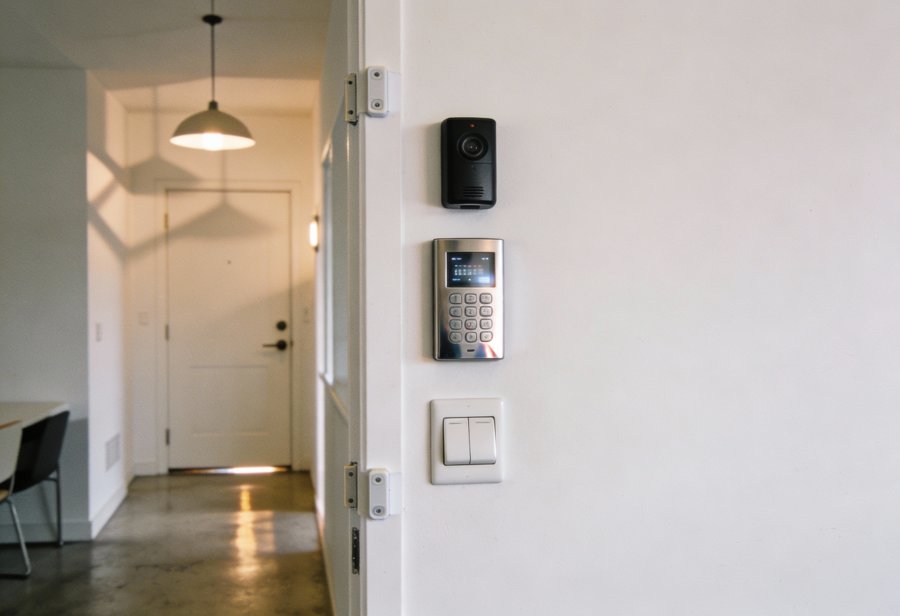
Emerging trends in home security are transforming how we protect our spaces, with technology becoming smarter and more interconnected than ever before. Artificial intelligence stands at the forefront, enabling systems to learn household routines and distinguish between normal activity and potential threats. This not only reduces false alarms but also directs attention precisely where it’s needed, making security more proactive. Cameras powered by AI can automatically detect suspicious behavior, such as someone lingering near an entry point, and send instant alerts, turning security from a reactive measure into an anticipatory one.
Wireless and cloud-based solutions continue to dominate, offering homeowners easier installation, greater flexibility, and simpler upgrades. Without extensive wiring, expanding or upgrading a system becomes straightforward and less disruptive. Cloud storage ensures that footage and controls are accessible from anywhere, whether you’re at work, traveling, or simply relaxing at home. This seamless connectivity allows for continuous remote management, making home security a dynamic, always-on tool that adapts to your lifestyle.
The integration of smart home devices is deepening, creating a cohesive ecosystem where security, lighting, climate control, and appliances work together effortlessly. Imagine arriving home and having your door unlock automatically, lights turn on, and cameras activate—all triggered by your smartphone or voice command. This interconnected approach not only boosts security but also enhances daily convenience, automating routine tasks and responding intelligently to different scenarios. It’s about making safety an integral part of your living environment rather than a separate system.
Facial recognition technology is gradually making its way into residential security. Doorbell cameras equipped with this feature can identify familiar faces and alert you if someone unknown appears. Over time, AI can analyze behavior patterns to help systems prioritize genuine threats while ignoring harmless activity. This personalized security reduces false alarms and ensures your safety measures are finely tuned to your household’s needs, creating a more tailored and less intrusive experience.
However, these technological advancements come with challenges. Increased reliance on wireless networks and cloud platforms raises cybersecurity concerns, emphasizing the need for strong data protection practices. Connectivity issues can temporarily disable remote access or trigger false alarms, which highlights the importance of proper device placement and regular updates. Staying vigilant about cybersecurity and choosing reputable, compatible devices are essential steps to ensure these innovations enhance, rather than compromise, your home’s safety.
This perspective is expanded in Kie Russell‘s article Revolutionizing Home Security with Smart Remote Control Systems on The North Shore.
Looking ahead, continuous innovation promises even greater intelligence and integration. Advances in AI, machine learning, and device connectivity will make security systems more intuitive and less intrusive, shifting from reactive responses to predictive prevention. As these technologies evolve, staying informed and proactive is key to maintaining effective, personalized security. Ultimately, the future of home safety lies in smarter, more adaptive solutions that seamlessly blend protection with everyday living.
Strategic Safety: Implementing Effective Home Security Plans
Creating an effective home security setup starts with understanding your household’s unique vulnerabilities. Walk around your home and identify weak spots—unlocked windows, poorly lit entrances, or hidden corners that are hard to see from the street. Focusing on these areas allows you to plan a targeted security strategy that covers your most vulnerable points without overcrowding your property with unnecessary devices. Installing cameras at key entry points, adding sensors on vulnerable doors, and ensuring outdoor lighting is sufficient can make a significant difference, deterring intruders before they even attempt to breach your home.
Placement is crucial. Cameras should be positioned where they can capture clear, unobstructed views of doors, driveways, and outdoor spaces. Sensors need to be aligned properly to detect movement and tampering without triggering false alarms from passing cars or pets. Strategic positioning ensures your devices respond accurately, providing reliable alerts and footage when it matters most. Regularly reviewing and adjusting these placements keeps your system effective as your household or environment changes.
The article Transforming Home Security with Smarter, Seamless Technology by Layla Harper on Better Bricks Masonry provides useful background.
Once your devices are installed, connect everything to a central hub or mobile app. Many modern systems use cloud platforms that enable remote access and control, letting you arm or disarm your system, view live feeds, and receive alerts from anywhere. Test each component thoroughly—check camera angles, sensor sensitivity, and alarm responses—to confirm everything works smoothly. Regular maintenance, like cleaning cameras and updating firmware, sustains system performance and prevents glitches that could compromise security.
Educating everyone in your household about security routines is just as vital as the technology itself. Make sure family members know how to activate alarms, lock doors, and respond to alerts. Establish simple habits—like locking doors and windows at night or when leaving the house—that become second nature. When everyone follows these routines consistently, your home becomes a more resilient defense against intruders, reducing the chances of accidental disarmament or oversight.
Despite advanced technology, challenges like Wi-Fi outages or misconfigurations can weaken your setup. Having backup measures—such as physical keys or wired sensors—adds an extra layer of protection. Periodic reviews of your system’s settings, along with professional installation if needed, can catch issues early and ensure everything functions as intended. Keeping your system well-maintained and properly configured maximizes its reliability and responsiveness.
Finally, personalize your security measures to fit your household’s lifestyle. If you have young children, indoor cameras and door sensors in play areas are essential. Frequent travelers benefit from remote monitoring and quick access controls. Customizing alerts and routines makes your system more intuitive and reduces false alarms. A security setup that adapts seamlessly to your daily life provides not just protection but peace of mind, helping you feel secure in a world full of uncertainties.
Looking Ahead: The Future of Intelligent Home Security Systems
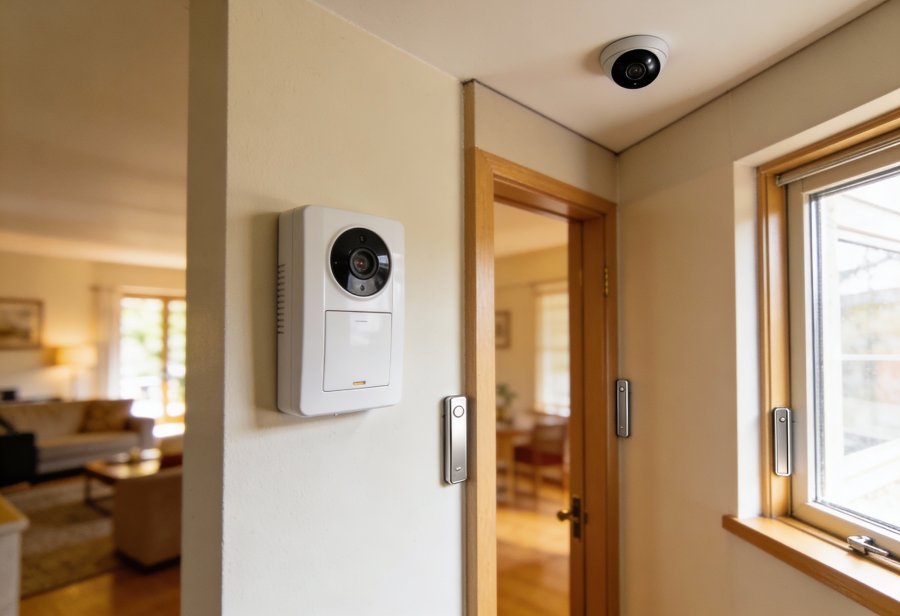
The future of home security is set to become even more intelligent and interconnected as technological advancements accelerate. Artificial intelligence will play a central role, enabling systems to learn household routines and adapt their responses accordingly. This evolution will lead to fewer false alarms and more precise threat detection, making security smarter and less intrusive. Cameras powered by AI will distinguish familiar faces from strangers, alerting homeowners only when genuine concerns arise, shifting security from reactive to proactive prevention.
Wireless and cloud-based solutions will continue to dominate, offering greater flexibility and easier upgrades. With minimal wiring needed, expanding or modifying security setups will become straightforward and less disruptive. Cloud storage ensures that footage and controls are accessible from anywhere, whether at work, traveling, or relaxing at home. This seamless connectivity transforms home security into a dynamic, always-on tool that adapts effortlessly to lifestyle changes, providing peace of mind at all times.
Home automation will become more integrated, creating a cohesive ecosystem where security, lighting, climate control, and appliances work harmoniously. Imagine arriving home to unlock your door automatically, with lights turning on and cameras activating—all triggered by your smartphone or voice command. This interconnectedness not only enhances safety but also boosts daily convenience, automating routine tasks and responding intelligently to different scenarios. It’s about making safety an effortless part of everyday living rather than a separate effort.
Facial recognition technology is gradually becoming a standard feature in residential security. Doorbell cameras equipped with this tech can identify familiar faces and send alerts if someone unknown appears. Over time, AI can analyze behavior patterns to help systems prioritize real threats, reducing false alarms and ensuring your security measures are finely tuned to your household. This personalization creates a less intrusive, more tailored security environment that adapts to individual routines and needs.
However, these innovations also come with challenges. Increased reliance on wireless networks and cloud platforms raises cybersecurity concerns, emphasizing the need for strong data protection practices. Connectivity issues can sometimes disable remote access or trigger false alarms, highlighting the importance of proper device placement and regular updates. Staying vigilant about cybersecurity and choosing reputable, compatible devices are crucial to ensure these advances genuinely enhance your home’s safety rather than compromise it.
Looking ahead, continuous innovation promises even greater intelligence and adaptability. Advances in AI, machine learning, and device connectivity will make security systems more intuitive and responsive, shifting from reactive measures to predictive safeguards. Staying informed and proactive about emerging trends will help homeowners maintain effective, personalized security that keeps pace with an unpredictable world. The future of home security will be about smarter, more seamless protection—integrated into daily life, yet unobtrusive and highly reliable.