Author: Kenzie Wilson

  • Mastering the Joy and Life Lessons of Learning to Ride a Bike

    Mastering the Joy and Life Lessons of Learning to Ride a Bike

    Learning to ride a bike is more than just mastering balance and pedals; it’s a universal symbol of courage, independence, and family support. But does the thrill of newfound freedom outweigh the fear of falling? This journey, filled with wobbling starts and triumphant moments, teaches children resilience, patience, and perseverance—values that extend far beyond the bike. Parents’ encouragement transforms each stumble into a step toward confidence, creating bonds that last a lifetime. Expert insights reveal that gradual skill-building, safety awareness, and celebrating small victories turn what might seem daunting into an empowering experience. Yet, the real question remains: does overcoming the fear of falling ultimately open the door to true independence? As children navigate this delicate balance, they not only learn a skill but also cultivate a growth mindset that prepares them for future challenges. The ride is a metaphor for life itself—sometimes wobbly, but always worth the effort.

    Celebrating the Milestone: Learning to Ride a Bike and Building Lasting Memories

    Learning to ride a bike is a milestone that stays with families long after the wheels stop turning. It’s a moment filled with anticipation, a blend of nervousness and excitement as children take their first shaky pushes on two wheels. This experience isn’t just about mastering balance; it’s about building confidence and independence, shared through laughter and encouragement. Parents often remember those first attempts vividly—how they steadied a small seat, cheered from the sidelines, and celebrated each small victory with pride.

    These early bike rides become more than just a skill; they symbolize trust and support within the family. The process involves patience, gentle guidance, and a willingness to let children learn at their own pace. Whether it’s a quiet street or a park path, these safe spaces foster a sense of adventure while keeping fears at bay. For kids, the journey from wobbling to riding smoothly is a powerful lesson in perseverance and resilience, reinforced by the love and reassurance of loved ones.

    Learning to ride also marks a transition from dependence to independence. As children gain control and confidence, they begin to explore the world around them with a new sense of freedom. The thrill of balancing on their own, feeling the wind in their hair, and moving forward under their own power creates a joy that’s hard to match. These moments of achievement not only boost self-esteem but also teach that effort and persistence lead to real rewards.

    At the heart of this experience is the universal theme of overcoming fears. Many children grapple with the idea of falling or losing control, but with gentle encouragement, they discover that setbacks are part of the process. Each wobble and tumble becomes a stepping stone toward mastery. Parents and caregivers help transform anxiety into curiosity, turning the learning experience into a shared adventure that deepens bonds and creates lasting memories.

    The significance of learning to ride extends beyond childhood milestones. It teaches resilience, patience, and the importance of trying again after a fall. These lessons shape how children approach future challenges, fostering a mindset that values growth and perseverance. It’s a journey that, while sometimes wobbly, ultimately leads to a sense of achievement and the confidence to keep pushing forward.

    Ultimately, teaching a child to ride a bike is about more than just pedals and wheels. It’s about nurturing independence, encouraging courage, and sharing moments of triumph. These experiences build a foundation of trust and resilience that lasts a lifetime, reminding us that sometimes, the greatest growth comes from taking that first uncertain push and finding our balance.

    Mastering Balance, Pedaling, and Steering: The Core Skills to Ride Confidently

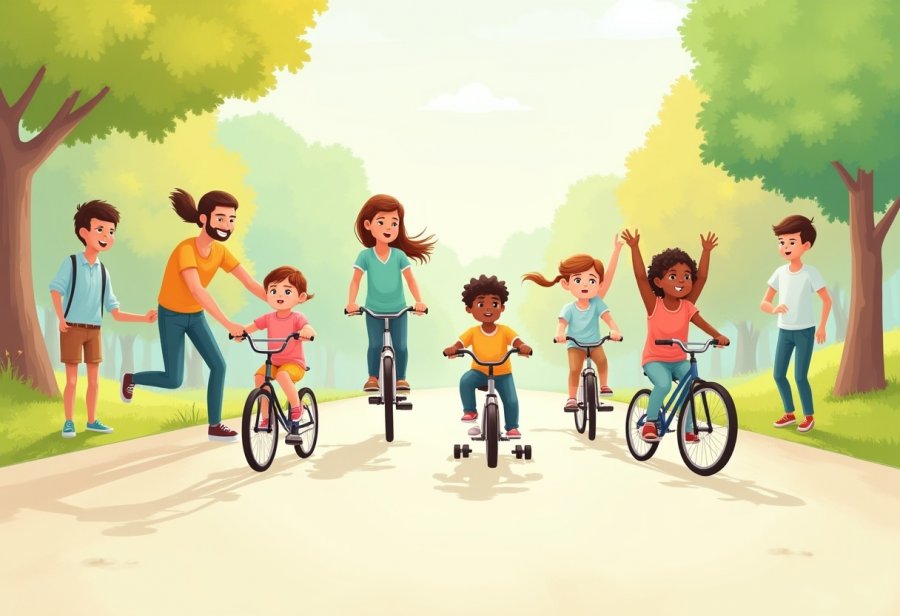
    Teaching a child to ride a bike involves mastering several interconnected skills that come together to build confidence and enjoyment. The first essential component is balancing, which forms the foundation for all riding. Kids need to learn how to shift their weight and stay steady on two wheels. Starting with a balance bike or removing the pedals temporarily allows children to focus solely on balancing. This approach helps them develop coordination and trust in their ability to stay upright before progressing to pedaling.

    Once balance feels more natural, introducing pedals is the next step. Pedaling requires practice and patience, as children often wobble or struggle at first. Encouragement and gentle guidance help them push through these initial difficulties, gradually learning to pedal smoothly and maintain momentum. Steering is equally important because it enables children to navigate turns and stay on course. Developing good steering skills early on boosts their sense of control and confidence, making independent riding feel more manageable.

    Safety remains a vital part of the learning process. Teaching children about wearing helmets and protective gear from the start not only keeps them safe but also establishes good habits. When kids see safety as an integral part of riding, they’re more comfortable taking risks and enjoying their practice. Reinforcing the idea that falls are normal and part of learning helps them approach each attempt with a positive attitude, reducing fear and hesitation.

    Introducing these elements gradually makes the learning experience more manageable and fun. Rushing through the stages can lead to frustration or accidents, so allowing children to progress at their own pace is key. Celebrating small victories—like balancing a little longer or pedaling a few extra meters—keeps motivation high and reinforces their belief in their growing skills. Each success, no matter how minor, builds their confidence and fuels their desire to keep going.

    Transitioning from supervised practice to independent riding marks a significant milestone. Many children start with training wheels or balance bikes, which provide stability and reassurance. As they improve, parents often remove training wheels, understanding that wobbling and falls are natural steps along the way. These moments teach resilience and persistence, emphasizing that setbacks are just part of the journey to mastery.

    Family support and patience are crucial throughout this process. Creating a safe, encouraging environment—like parks or quiet streets—allows kids to experiment and learn without unnecessary stress. Gentle guidance, praise, and celebrating progress help children develop resilience and independence. When learning is approached with understanding and care, riding becomes not just a skill but a memorable experience that fosters trust in themselves and their abilities.
    Beyond the Bike: How Riding Fosters Resilience, Independence, and Joy

    Learning to ride a bike goes far beyond simply balancing on two wheels; it’s a powerful lesson in resilience, independence, and pure joy. Every wobble, fall, and restart teaches children that setbacks are part of growth. When they persevere through these challenges, they discover that persistence pays off, building confidence that extends well beyond the bike. This journey shows kids that obstacles can be overcome with patience and effort, fostering a mindset that values resilience and determination.

    Riding independently ignites a sense of freedom that’s hard to match. Feeling the wind in their hair and moving forward under their own power, children begin to trust their abilities. It’s not just about getting from point A to B—it’s about realizing they can explore more, make decisions, and handle challenges on their own. This sense of independence becomes a foundation for tackling new skills and life’s hurdles with confidence and self-reliance.

    The thrill of riding a bike sparks genuine joy. It’s a feeling of liberation, excitement, and accomplishment that stays with children long after the bike is put away. These moments of happiness reinforce a positive attitude toward trying new things, showing that effort can lead to rewarding experiences. As they experience this joy, kids learn that perseverance can turn effort into success, encouraging them to keep pushing their boundaries and embrace adventure.

    Learning to ride also cultivates patience and persistence. Children quickly realize that mastery doesn’t happen overnight but through small, consistent steps. Each wobble or fall becomes a valuable lesson, teaching them that failure is just part of the process. This attitude helps them develop resilience, making it easier to face future challenges with optimism and a proactive mindset. Over time, they come to see setbacks as opportunities to learn and grow.

    These lessons—resilience, independence, joy, and patience—are more than just about riding a bike. They shape how children approach challenges throughout life, instilling a growth mindset and confidence that lasts. The experience of learning to ride teaches that with support and perseverance, even the most intimidating obstacles can be overcome. It’s a journey that not only transforms a child’s relationship with a bike but also prepares them to navigate life’s many adventures with courage and resilience.

    Insights from Experts: Best Practices and Common Pitfalls in Teaching Kids to Ride

    Experts in child development and cycling emphasize that patience and positive reinforcement are crucial when teaching kids to ride. Celebrating small successes—like balancing a little longer or pedaling a few meters without wobbling—can significantly boost a child’s confidence and enthusiasm. Rushing or pressuring children often leads to frustration or fear, so creating a relaxed environment where mistakes are viewed as natural steps fosters a growth mindset. When kids see setbacks as part of learning rather than failures, they develop resilience and a willingness to try again.

    Child psychologists highlight the importance of building confidence through consistent praise and encouragement. They advise parents to avoid criticizing falls or errors, as negative reactions can cause anxiety and hesitation. Instead, focusing on effort and persistence helps children understand that progress is gradual and that persistence pays off. Introducing safety gear early—such as helmets and knee pads—reinforces the idea that safety is a priority, making children more comfortable taking risks and practicing regularly.

    Cycling professionals recommend starting with balance bikes or removing pedals temporarily. This approach allows children to focus solely on mastering balance and steering without feeling overwhelmed. Once they gain confidence in these basic skills, transitioning to pedaling becomes much smoother. Supporting their progress with gentle guidance and celebrating small victories helps turn each wobble or fall into a valuable learning experience, rather than a setback. Patience and a step-by-step approach are key to avoiding frustration and building lasting skills.

    The environment where children learn also matters. Flat, open spaces like parks or quiet streets provide a safe and encouraging setting for practice. These spaces allow kids to experiment freely, gain confidence, and develop control without the fear of traffic or hazards. Consistent practice in such areas, combined with positive feedback, fosters a sense of achievement and enjoyment. When children associate riding with fun and success, they’re more likely to stay motivated and eager to improve.

    Finally, understanding that each child learns at their own pace is essential. Some may pick up balancing quickly, while others need more time and reassurance. Respecting individual differences and offering steady support helps prevent discouragement and promotes perseverance. When setbacks are viewed as part of the process—rather than failures—children develop resilience and a healthy attitude toward challenges. This supportive, patient approach ensures that learning to ride remains a positive, empowering experience that builds confidence and independence for years to come.

    Empowering Future Adventures: Supporting Children in Their Bike-Riding Journey and Growth

    Learning to ride a bike is a milestone that reaches beyond simply mastering two wheels; it’s a foundation for independence, resilience, and joy that lasts a lifetime. When children conquer their fears and find their balance, they learn that persistence and support can turn challenges into achievements. For parents and caregivers, patience, encouragement, and attentive guidance are key. Celebrating every small victory—whether it’s a wobble longer than before or a few meters of steady pedaling—builds confidence and makes the journey rewarding.

    Creating a safe environment for practice makes a significant difference. Short, consistent sessions in parks, quiet streets, or open spaces allow children to focus on their skills without feeling overwhelmed. Providing safety gear from the start, like helmets and knee pads, not only protects them but also reinforces the importance of safety. When kids see safety as part of the process, they’re more relaxed and willing to take risks, which accelerates their learning and enjoyment.

    Encouragement and positive reinforcement are powerful tools. Praising effort rather than perfection helps children develop a growth mindset, making setbacks feel like natural steps forward. Recognizing small improvements—like balancing a little longer or pedaling a few extra meters—boosts motivation and instills a sense of achievement. Sharing these moments with family turns learning into a memorable bonding experience, fostering pride and perseverance.

    Patience remains essential, as every wobble or fall is a valuable part of learning. When children feel supported and understood, they’re more likely to approach each attempt with curiosity rather than fear. Teaching them that mistakes are normal helps develop resilience, which they carry into other areas of life. Overcoming the fear of falling requires reassurance that setbacks are temporary and that persistence leads to success.

    Respecting each child’s unique pace is crucial. Some may master balancing quickly, while others need more time and reassurance. Tailoring encouragement to their individual needs prevents frustration and builds trust. When setbacks are viewed as part of the learning process, children grow resilient and confident, ready to face future challenges with a positive attitude.

    Remember, the skills learned while riding a bike extend well beyond the ride itself. They cultivate patience, determination, and self-trust—values that will serve children throughout their lives. Every push on the pedals and every wobble overcome teaches them that effort and perseverance are worth it, fostering a mindset that embraces growth and adventure.

    Parents play a vital role in nurturing this journey. Your support, gentle guidance, and celebration of progress create a positive learning atmosphere. By maintaining patience and showing confidence in their abilities, you help children develop a resilient mindset that will empower them long after they’ve learned to ride. These shared experiences become lasting memories of growth, trust, and family bonds.

    In the end, learning to ride a bike isn’t just about mastering two wheels; it’s about empowering children to face life’s challenges with courage and optimism. With every fall and every victory, they build resilience, independence, and joy—lessons that will carry them through many adventures ahead. Encouraging them along this path sets the stage for a lifetime of confidence, resilience, and a love for exploration.

  • The Hidden Environmental Impact of Ubiquitous Nylon

    The Hidden Environmental Impact of Ubiquitous Nylon

    Nylon, a ubiquitous material woven into our daily lives—from clothing and carpets to industrial components—revolutionized manufacturing with its strength, elasticity, and affordability. Yet beneath its practicality lies a complex web of environmental consequences, driven by reliance on fossil fuels during its production. The chemical processes involved release greenhouse gases and pollutants, contaminating ecosystems and contributing to climate change. Moreover, nylon’s durability means it persists in landfills for centuries, fragmenting into microfibers that threaten marine life and soil health. As awareness grows, efforts to recycle nylon and develop sustainable biobased alternatives are underway, but challenges remain in scaling these solutions. Will technological innovation and responsible practices bridge the gap between nylon’s utility and its environmental toll? This compelling story urges us to reconsider the true cost behind the convenience of this synthetic fiber and to seek a more sustainable future.

    Nylon’s Ubiquity and Hidden Power in Daily Life

    Nylon is one of those materials that’s almost impossible to miss in modern life. Whether it’s the tights we wear, the carpets under our feet, or the gear used in sports and outdoor activities, nylon pops up everywhere. Its widespread presence isn’t accidental—it’s thanks to its unique blend of strength, elasticity, and affordability. When nylon was first introduced in the mid-20th century, it revolutionized the textile industry by offering a durable, inexpensive alternative to natural fibers like silk, cotton, and wool. Since then, it’s become a cornerstone of countless everyday products, quietly shaping the way we live.

    What makes nylon particularly indispensable is not just its versatility but also its practicality. It resists wear and tear remarkably well, keeps its shape over time, and can be produced at a low cost, making it accessible to mass markets. From the durable fibers in our clothing to the industrial strands used in ropes, fishing lines, and car parts, nylon’s ability to be spun into fine or thick strands has opened up a multitude of possibilities. Its durability means products last longer, which appeals to manufacturers and consumers alike—yet behind this convenience lies a complex story of chemical innovation and industrial scaling.

    The origins of nylon trace back to the 1930s, when chemists at DuPont aimed to develop a fiber that could match silk’s strength but be produced more cheaply. Their breakthrough came with the discovery of condensation polymerization—a process that links small molecules called monomers into long, stable chains. These chains form the backbone of nylon’s structure, enabling it to be spun into fibers that are both strong and flexible. This chemical innovation not only transformed textiles but also sparked a wave of synthetic materials that would reshape manufacturing across industries worldwide.

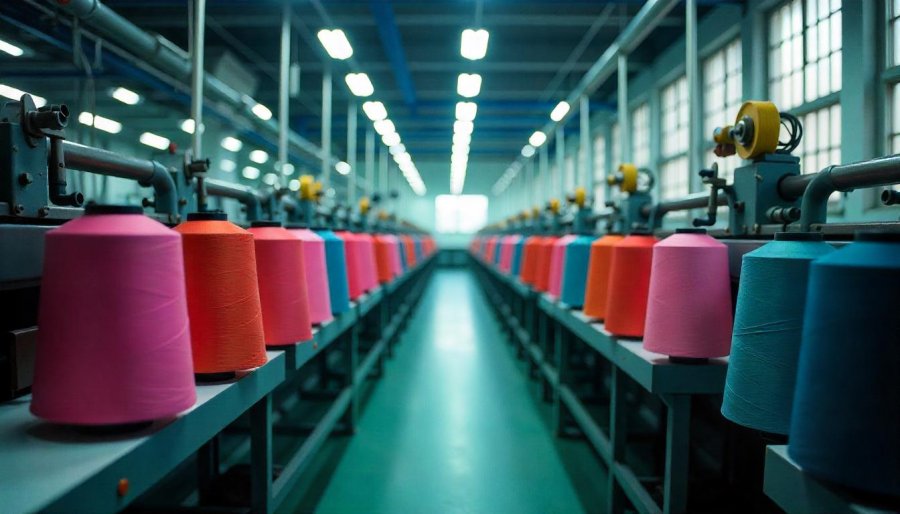
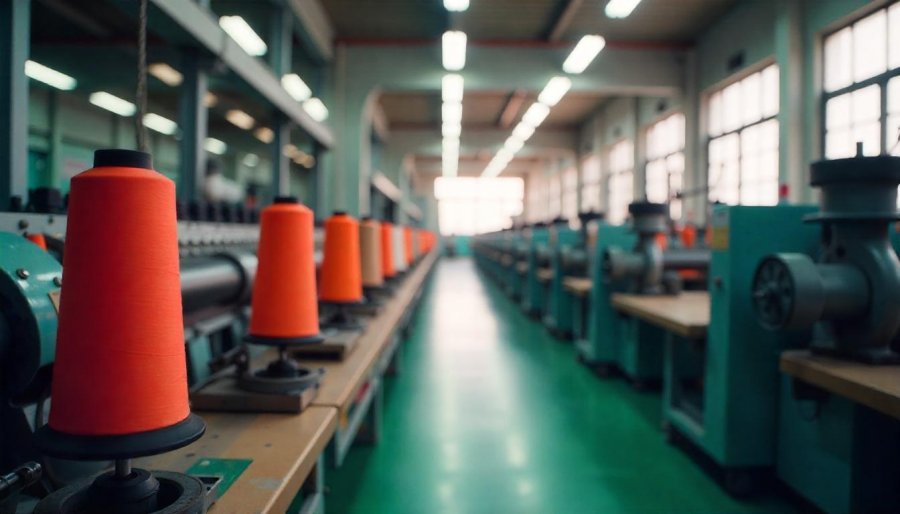
    Producing nylon involves sourcing raw materials primarily from petrochemicals like crude oil and natural gas. These fossil fuels are processed into chemical building blocks such as hexamethylenediamine and adipic acid through a series of complex reactions involving oxidation, distillation, and synthesis. Once prepared, these monomers are fed into large reactors where they undergo condensation polymerization, creating long chains of nylon. The resulting material is then melted and extruded through tiny nozzles to form fibers, which can be woven into fabrics or molded into various shapes. While efficient for large-scale production, this process is energy-intensive and depends heavily on non-renewable resources.

    The environmental footprint of nylon production is significant. Its reliance on fossil fuels means that each step—from raw material extraction to fiber creation—contributes to greenhouse gas emissions and pollution. Manufacturing facilities release volatile organic compounds and nitrous oxide, a potent greenhouse gas, into the atmosphere. Water used during production can become contaminated with chemicals, risking local ecosystems and communities. These pollutants don’t stay confined to factories; they disperse widely, adding to the larger issues of plastic pollution and ecological degradation associated with synthetic fibers.

    Once in use, nylon products tend to last for decades because of their durability and resistance to wear. However, this longevity also means that nylon waste accumulates in landfills for hundreds of years. As these materials slowly break down, they fragment into microfibers, tiny plastic particles that contaminate soil and waterways. During washing, small fibers shed from nylon garments often escape filtration systems, ending up in oceans and threatening marine life that can mistake them for food. The persistence of nylon in the environment exemplifies the double-edged nature of this material’s utility—convenient yet potentially harmful.

    As awareness of these environmental impacts grows, efforts are underway to develop more sustainable alternatives. Recycling existing nylon—such as from fishing lines, carpets, or discarded garments—can help reduce reliance on virgin petrochemicals and keep plastic waste out of ecosystems. Advances in chemical recycling aim to break nylon waste back into its basic monomers, enabling repeated reuse without quality loss. Researchers are also exploring biobased fibers derived from renewable sources like algae or plants, which could replace traditional nylon altogether. While these innovations hold promise, scaling them to meet global demand remains a challenge, underscoring the need for continued innovation and responsible production practices.

    From Chemistry to Industry: The Birth and Production of Nylon

    Nylon’s story begins in the 1930s, when chemists at DuPont set out to create a revolutionary fiber that could rival silk in strength and durability but be produced more cheaply. Their efforts led to the breakthrough discovery of condensation polymerization, a process that links small molecules called monomers into long, stable chains. This chemical innovation formed the backbone of nylon’s structure, allowing it to be spun into fibers suitable for textiles and industrial uses alike. It was a game-changer, not just for the textile industry but for manufacturing as a whole, opening the door to a new era of synthetic materials that would reshape everyday life.

    The key to producing nylon lies in its chemical origins, primarily derived from petrochemicals like crude oil and natural gas. These fossil fuels are processed through a series of complex reactions—oxidation, distillation, and synthesis—to create the essential building blocks, such as hexamethylenediamine and adipic acid. Once these monomers are prepared, they’re fed into large industrial reactors where they undergo condensation polymerization. During this process, the monomers chemically bond, forming long, stable chains of nylon polymer. This method is highly efficient and scalable, enabling manufacturers to produce vast quantities of nylon fibers rapidly to meet global demand.

    Once the polymer chains are formed, they are melted and extruded through tiny nozzles to create fibers. These molten strands are then cooled, stretched, and treated to increase their strength and elasticity. The resulting fibers can be woven into fabrics or molded into various shapes, making nylon incredibly versatile. While the process is optimized for mass production, it is energy-intensive and heavily reliant on fossil fuels. The chemical reactions involved also release pollutants such as volatile organic compounds and nitrous oxide, a potent greenhouse gas, contributing to climate change and local air quality issues. This industrial process, though efficient, leaves a significant environmental footprint that’s often overlooked.

    Beyond the factory, the environmental impact of nylon persists throughout its lifecycle. Its durability means nylon products—ranging from clothing and carpets to fishing lines and car parts—can last decades, but this longevity comes at a cost. Nylon waste accumulates in landfills for hundreds of years, slowly breaking down into microfibers that contaminate soil and waterways. During washing, tiny fibers shed from nylon garments often escape filtration systems, ending up in oceans where marine animals ingest them, mistaking them for food. This persistent presence in ecosystems highlights the complex relationship between nylon’s utility and its ecological footprint, revealing the hidden costs of a material praised for its durability.

    Efforts are now underway to address these challenges and develop more sustainable alternatives. Recycling existing nylon—such as from fishing lines, carpets, and discarded garments—can reduce reliance on virgin petrochemicals and help divert plastic waste from ecosystems. Advances in chemical recycling techniques aim to break down nylon waste into its basic monomers, enabling repeated reuse without degrading quality. Researchers are also exploring biobased fibers derived from renewable resources like algae or plants, which could eventually replace traditional nylon altogether. While these innovations show promise, scaling them to meet global demand remains a significant hurdle. Continuous innovation and responsible production practices are essential to balancing nylon’s benefits with its environmental costs, ensuring a more sustainable future for this ubiquitous material.

    Balancing Benefits and Burdens: The Current Challenges of Nylon in Our World

    Nylon remains a dominant force across a wide range of industries, thanks to its unmatched combination of durability, affordability, and versatility. From activewear and hosiery to fishing lines, automotive components, and carpets, it’s woven into the fabric of everyday life in ways many of us don’t often notice. Its resilience and resistance to wear make it an appealing choice for products designed to last, which sustains high demand. However, this very durability presents a significant challenge: nylon products can persist in landfills for hundreds of years, gradually breaking down into microfibers that pollute soils and waterways. These tiny particles are increasingly recognized as a threat to ecosystems and marine life, as they often end up ingested by animals or dispersed into the environment.

    The environmental impacts tied to nylon are layered and complex. Its production relies heavily on fossil fuels, with manufacturing processes emitting substantial greenhouse gases and hazardous pollutants. Factories release volatile organic compounds and nitrous oxide, a potent greenhouse gas, into the atmosphere, fueling climate change. Water contamination is another serious concern; wastewater from nylon factories often contains residual chemicals that seep into nearby rivers and lakes, harming aquatic ecosystems and local communities. These pollutants don’t stay confined to manufacturing sites—they travel far and wide, exacerbating the global plastic pollution crisis and contributing to the degradation of ecosystems worldwide.

    As awareness of these issues grows, the market is gradually shifting toward more sustainable practices. Recycled nylon, made from existing plastic waste such as fishing lines, carpets, and discarded garments, offers a promising alternative to virgin petrochemical production. Recycling not only reduces the demand for new fossil fuels but also helps divert plastic waste from landfills and oceans. Advances in chemical recycling techniques aim to break nylon waste down into its basic monomers, enabling their reuse without quality loss, thus supporting a circular economy. Meanwhile, researchers are exploring biobased fibers derived from renewable resources like algae and plants, which could eventually replace traditional nylon altogether, reducing environmental harm from raw material extraction.

    Despite these promising developments, scaling sustainable alternatives remains a major hurdle. Recycling processes are often costly and technically challenging, limiting widespread adoption. In many regions, lax regulations and outdated manufacturing practices still dominate, allowing environmentally harmful methods to persist. The durability that makes nylon so useful also complicates waste management; many products are discarded long before reaching their end of life, contributing to the persistent problem of plastic waste. Additionally, microfibers shed during laundering escape filtration systems, entering oceans and threatening marine species that mistake them for food. These interconnected issues highlight the urgent need for systemic change—through improved waste management, innovative materials, and stronger policies—to mitigate nylon’s environmental footprint.

    Addressing the challenges posed by nylon requires concerted effort from industry, government, and consumers alike. Governments can implement stricter emissions standards, support recycling infrastructure, and incentivize the development of sustainable materials. Consumers play a crucial role by choosing products made from recycled or biobased nylon and adopting habits that reduce microfiber pollution, like washing clothes less frequently or using filters. Industry leaders must prioritize transparency and invest in cleaner production methods, embracing innovations that lessen environmental impacts. While nylon’s utility isn’t likely to disappear overnight, balancing its benefits with responsible practices is essential to minimize ecological harm and move toward a more sustainable future.

    Ultimately, the story of nylon underscores the broader challenge of reconciling industrial progress with environmental stewardship. Its role in modern life is undeniable, but so too is its environmental cost. Recognizing these trade-offs can inspire smarter choices—whether through technological innovation, policy reform, or individual action—that push the industry toward greener practices. The transition to sustainable alternatives isn’t simple or immediate, but it’s necessary if we want to protect ecosystems and ensure that the convenience nylon provides today doesn’t come at the expense of future generations. Nylon’s future depends on our collective ability to rethink how we produce, use, and dispose of this pervasive material, fostering a balance between innovation, responsibility, and ecological health.

  • Unlocking Human Potential: The Power of Genes and Environment

    Is intelligence primarily dictated by our DNA, or do environmental factors hold the true power? This compelling exploration delves into the longstanding debate, revealing that genes set a foundation while experiences shape our abilities. The story of Sheldon Cooper from The Big Bang Theory illustrates this complexity: extraordinary IQ paired with social struggles highlights that intelligence manifests in many forms. Research shows that traits like emotional intelligence, creativity, and social skills are influenced by both inherent potential and environmental nurturing. Advances in genetics, neuroimaging, and twin studies affirm that intelligence is dynamic and adaptable, not fixed. This understanding encourages a shift from fixed mindsets to recognizing that growth, effort, and supportive conditions can unlock human potential at any age. Are we limited by our genes, or can perseverance and opportunity redefine what we are capable of achieving? The answer lies in embracing the intricate dance of biology and environment—opening endless possibilities for personal development and societal progress.

    Unlocking the Secrets of Human Intelligence: Genes or Environment?

    Have you ever stopped to wonder what truly shapes our intelligence? Is it something we’re born with, encoded in our genes from day one? Or do our experiences—like the education we receive, the environment we grow up in, and the social interactions we have—play a bigger role? This question has fascinated scientists and thinkers for generations because it touches on the very essence of human potential. It’s a puzzle that’s not easy to solve, but exploring it helps us better understand ourselves and others.

    The debate over whether intelligence is primarily inherited or shaped by our surroundings isn’t new. For a long time, many believed that genes held the key, leading to the development of standardized IQ tests designed to measure innate mental ability. Early thinkers like Francis Galton argued that intelligence was a fixed trait passed down through generations. But as research advanced, it became clear that this view oversimplifies the picture. Studies of twins and adopted children showed that external factors—such as education, nutrition, and social environment—also significantly influence how our potential is realized.

    Thinking about intelligence as a complex trait involves more than just IQ scores. Traits like emotional intelligence, creativity, and social skills all contribute to how we function and succeed in life. Some aspects, like reasoning and problem-solving, seem more tied to genetics, while others—like empathy and adaptability—are heavily shaped by our experiences. This suggests that our DNA provides a foundation, but the environment acts as a sculptor, shaping and developing our abilities over time.

    This ongoing conversation isn’t just academic; it affects how we see ourselves and others. If intelligence were mainly in our genes, it might imply that some people are inherently destined for success, while others aren’t. But if environment has more influence, then effort, opportunity, and support can unlock potential in everyone. Recognizing that both elements matter encourages us to see intelligence as a dynamic, fluid quality—something that can grow and change with effort and the right circumstances.

    As we explore this topic further, we’ll see how modern science continues to shed light on this intricate dance between biology and environment. Understanding this interplay helps explain the incredible diversity of human talents and reminds us that intelligence isn’t fixed. Instead, it’s a flexible trait—one capable of evolving throughout our lives, offering hope and motivation to nurture our abilities and support others in doing the same.

    Tracing the Roots and Foundations of Intelligence Research

    The story of intelligence research stretches back over a century, blending curiosity with evolving ideas about what truly makes us smart. Early thinkers believed that intelligence was mostly inherited, which led to the creation of standardized tests like the IQ test to measure mental ability more objectively. Pioneers such as Francis Galton argued that intelligence was a fixed genetic trait, sparking the idea that some people are naturally more gifted than others. These early concepts laid the groundwork for a debate that continues today: are we born with a certain level of intelligence, or can it be shaped over time?

    As the field developed, researchers realized that intelligence isn’t just one thing. It encompasses a broad range of skills, including reasoning, creativity, problem-solving, and social abilities. Initially, intelligence was thought to be captured by a single number—an IQ score. But over time, scholars recognized that human intelligence is more diverse, leading to theories that break it down into multiple domains and types. This shift broadened the understanding that intelligence isn’t solely about innate talent but also involves various capacities that can develop differently in each person.

    The advent of standardized testing marked a major milestone. Alfred Binet’s IQ test, introduced in the early 20th century, provided a way to compare mental abilities across individuals. It made the notion of measuring intelligence more practical and accessible. Yet, from the start, scientists understood that external factors—like education, nutrition, and social environment—play crucial roles. This insight gradually shifted the view from seeing intelligence as mainly inherited to appreciating how environment influences development.

    Twin and adoption studies further clarified the relationship between genetics and environment. These studies revealed that genetic factors account for a significant portion of differences in intelligence, but environmental influences are equally impactful. For example, a child with high genetic potential might not reach that potential without a stimulating environment, while another might excel despite less favorable circumstances. This evidence underscores that intelligence isn’t fixed or dictated solely by genes; it results from ongoing interactions between our biology and our surroundings.

    Today, advances in neuroimaging and genomics continue to deepen our understanding. Brain scans show physical markers associated with cognitive abilities, while genetic research uncovers specific markers that influence intelligence. These tools reveal that intelligence is a dynamic trait, shaped by both inherited factors and brain development, which responds to experiences throughout life. The history of intelligence research reflects this shift from simple measurements to a complex picture of how biology and environment work together.

    Ultimately, the story of intelligence is one of increasing nuance. It’s no longer about whether genes or environment dominate but about how they interact. Recognizing this complexity helps us appreciate the diversity of human talents and reminds us that intelligence is flexible—something that can be nurtured and cultivated at any stage of life. This ongoing exploration continues to challenge old assumptions and open new pathways for understanding what makes us truly smart.

    Modern Science’s Perspective: The Dynamic Interplay of Nature and Nurture

    Modern perspectives have transformed the way we understand the complex dance between genetics and environment in shaping intelligence. Instead of viewing these factors as opposing forces, scientists now see them as interconnected elements that work together to influence our cognitive abilities. Advances in genetics and neuroimaging reveal that genes set certain potentials, but it’s the environment that determines how much of that potential is actually realized. This shift has led to a more nuanced understanding—that innate talent provides a foundation, while nurturing experiences and opportunities shape the final outcome.

    Research into gene-environment interactions highlights this interplay vividly. Someone might carry genetic markers associated with high intelligence, but without access to quality education, nutrition, or stimulating experiences, that potential can remain unrealized. Conversely, individuals with fewer innate advantages can often achieve remarkable levels of competence through supportive surroundings and persistent effort. This perspective emphasizes that neither genetics nor environment alone defines intelligence; instead, it’s their ongoing interaction that molds our abilities over time.

    The concept of neuroplasticity has revolutionized how we view brain development. It demonstrates that the brain remains adaptable throughout life, capable of rewiring itself in response to learning and social engagement. This means environmental factors such as education, social support, and life challenges can significantly influence cognitive growth, regardless of genetic predispositions. As a result, intelligence is no longer seen as a fixed trait but as something that can be cultivated at any age, opening doors for continuous personal development and lifelong learning.

    While some still emphasize genetic influences, there’s a growing consensus that environment plays an equally vital role. Factors like access to quality education, emotional support, nutrition, and social interactions can profoundly impact how innate abilities develop. This evolving view encourages moving away from fixed notions of intelligence, instead highlighting effort, resilience, and opportunity as key drivers of growth. It’s a reminder that the potential for achievement isn’t predetermined but can be unlocked through the right conditions.

    Twin and adoption studies reinforce this more balanced picture. They show that about half of the variation in IQ can be attributed to genetics, but environmental influences are crucial in determining actual performance. These findings challenge outdated ideas of fixed intelligence, instead emphasizing that growth and change are always possible when nurturing conditions are in place. Recognizing this dynamic fosters a more hopeful and inclusive outlook—one where everyone has the capacity to develop their abilities, regardless of starting point.

    Applying Knowledge: How Environment and Genetics Shape Real-World Success

    Understanding how genetics and environment influence intelligence isn’t just an abstract idea—it has real, practical implications for how we approach personal growth, education, and development. Recognizing that both inherited traits and life experiences shape our abilities encourages us to see potential as something that can be cultivated, not fixed. This mindset shifts the focus from innate talent to effort, opportunity, and support, making growth accessible at any stage of life.

    For parents and educators, creating environments rich with learning opportunities can unlock a child’s full potential. Providing access to quality education, diverse experiences, and emotional support helps nurture talents and build resilience. Encouraging a growth mindset—where effort and perseverance are valued over innate ability—fosters a sense of possibility that motivates lifelong learning. Small acts, like praising progress and curiosity, can have a lasting impact on motivation and self-belief.

    Misconceptions about intelligence can limit progress. Believing it’s solely genetic might lead to low expectations or a fixed mindset, while overemphasizing environment can dismiss natural talents. Combining both ideas reminds us that effort, opportunity, and support matter just as much as genetics. This balanced approach promotes a more inclusive view, where everyone’s abilities can develop through persistence and the right conditions.

    Engaging in mentally stimulating activities can boost cognitive growth over time. Puzzles, learning a new language, or picking up a hobby challenge the brain’s plasticity—its ability to adapt and rewire itself. Even if improvements aren’t immediately obvious, consistent effort pays off. For those with natural talent, ongoing practice solidifies skills; for others, dedication can lead to remarkable progress, proving that growth is always within reach.

    Supporting ongoing learning isn’t limited to childhood. Adults can benefit from new experiences, social interactions, and continuous education. Volunteering, exploring new interests, or taking courses keeps the brain engaged and promotes emotional and cognitive development. Small changes—like seeking challenging opportunities or surrounding yourself with motivating peers—can unlock new levels of potential. Fostering an environment of curiosity and resilience ultimately encourages everyone to keep growing, no matter their age or background.

    Embracing Growth: Rethinking Intelligence as a Lifelong Journey of Potential

    Understanding the relationship between genetics and environment reshapes how we see intelligence not as a fixed trait, but as a fluid and evolving quality. As scientific discoveries continue to deepen our insight, they reveal a picture of human potential that’s more flexible than ever imagined. Our genes lay down a foundation, but it’s our experiences, efforts, and opportunities that build upon it, unlocking abilities that might have remained hidden. Recognizing this interplay encourages a mindset of growth, resilience, and continuous development, no matter where someone starts.

    This evolving understanding underscores that everyone has room to grow. No matter the genetic starting point, effort and supportive environments can propel people toward new heights of capability. Breakthroughs in brain science and genetics show that the brain remains adaptable throughout life, capable of rewiring itself in response to learning and social engagement. This means improvement isn’t reserved for childhood; it’s a lifelong journey that depends on nurturing conditions and persistent effort.

    Seeing intelligence as a dynamic trait shifts our focus from innate talent to the power of effort and environment. Small actions, like embracing challenges, seeking new learning opportunities, or surrounding ourselves with inspiring communities, can spark meaningful growth. Every setback becomes a stepping stone, and persistence turns potential into achievement. This mindset not only fosters personal resilience but also creates a more inclusive view of success—one that values progress over fixed ability.

    Looking ahead, embracing the complex dance between genes and environment offers a broader vision for human development. Investing in education, mental health, and social support isn’t just about policy; it’s about unlocking the collective potential of society. When we understand that growth is possible at every stage of life, we become more hopeful and motivated to nurture talents, support diverse abilities, and foster environments where everyone can thrive.

    Finally, this journey of understanding invites us to stay curious and open-minded. The science of intelligence continues to evolve, challenging old notions and illuminating new pathways. By holding on to the idea that growth is always within reach, we can inspire ourselves and others to push past limitations, celebrate progress, and see the pursuit of knowledge as a lifelong adventure. Every step forward affirms that our true potential is as limitless as our willingness to learn and adapt.

  • Unbreakable Faith and Bold Leadership of Joan of Arc

    Discover the extraordinary story of Joan of Arc, a young woman whose unwavering faith and fearless leadership challenged societal norms and reshaped history. Her divine visions and strategic brilliance transformed her into a symbol of hope and divine purpose amid France’s darkest hours during the Hundred Years’ War. Yet, her rise to power drew suspicion, and her bold challenges to gender roles and church authority ultimately led to her tragic downfall and martyrdom. How did a humble girl from a small village withstand persecution and leave a legacy that endures centuries later? Her story is a compelling testament to the power of conviction, resilience, and moral courage—reminding us that true leadership often demands sacrifice and unwavering belief in a higher purpose. Today, Joan’s legacy continues to inspire leaders and dreamers alike to challenge convention, stand firm in their principles, and believe in something greater than themselves.

    Joan of Arc’s Leadership and Faith: A Young Woman’s Divine Calling

    Joan of Arc’s story is more than just a tale of battles and divine visions; it’s about a young woman whose unwavering faith and fearless leadership defied the expectations of her time. Her unwavering sense of purpose gave her a clarity and confidence that inspired those around her, transforming her into a symbol of hope during France’s darkest days. Her leadership was rooted in a profound conviction that she was chosen by a higher power to guide her nation through chaos and despair, a belief that fueled her every move.

    What set Joan apart was her ability to blend spiritual insight with strategic thinking. She believed her visions and voices from saints and angels were direct messages guiding her actions. This divine guidance became the foundation of her authority, empowering her to lead troops into battle and rally soldiers when morale was low. Her faith was active, not passive—driving her bold decisions and inspiring unwavering loyalty among her followers.

    Joan’s leadership was revolutionary, especially considering her gender. Dressed in armor and commanding armies, she shattered traditional ideas of what women could achieve. Her willingness to step outside societal norms, fueled by her divine visions, challenged the conventions that confined women to domestic roles. Her example demonstrated that faith and determination could break barriers, inspiring others to reconsider what was possible when driven by a higher purpose.

    Her story also highlights how her spiritual conviction gave her a legitimacy that transcended her humble origins. To supporters, she was a vessel of divine will—a living proof that higher powers supported her cause. This belief in divine backing made her leadership almost supernatural, inspiring loyalty and admiration that went beyond mere political or military strategy. Her unwavering faith made her a compelling figure who commanded both respect and devotion.

    As her influence grew, so did opposition. Her divine claims and militant role as a female leader challenged both church authority and societal expectations. Her steadfast belief in her visions and her refusal to renounce her divine mission made her a target for suspicion and hostility. Yet, her conviction remained unshaken, and her story endures as a powerful reminder that true leadership often springs from a profound sense of higher purpose and unwavering belief.

    The Turbulent Roots of France: Society, War, and Divine Legitimacy

    In the turbulent landscape of 15th-century France, the nation was deeply embroiled in the Hundred Years’ War, a long and exhausting conflict with England that fractured the country and drained its resources. The chaos of battle and shifting alliances eroded the authority of the French crown, leaving a power vacuum filled with uncertainty and internal divisions. Society was still rooted in feudal traditions, where landownership, loyalty, and hierarchy dictated social standing. During this upheaval, the idea that rulers derived their legitimacy from divine approval gained renewed significance, becoming a key lens through which people made sense of the chaos and sought hope.

    Born around 1412 in a small village in northeastern France, Joan grew up amid this instability. From a young age, she was deeply religious and claimed to experience visions and voices from saints and angels. These divine messages told her she was destined to serve France and lead it to victory. Despite her humble background and limited education, Joan believed she was chosen by higher powers, and her childhood encounters with the divine laid the foundation for her unwavering sense of purpose.

    Her rise challenged the strict gender roles of her time. Society expected women to remain within domestic boundaries, supporting men rather than leading armies. Yet, Joan defied this norm by dressing in armor and taking command during pivotal moments like the Siege of Orléans in 1429. Her willingness to step into a traditionally male role, driven by her divine visions, made her a symbol of breaking societal expectations. Her example inspired others to reconsider what women could achieve when driven by faith and conviction, opening doors that had long been closed.

    The ongoing conflict created fertile ground for her message. When the English forces laid siege to Orléans, hope was waning. Joan’s arrival revitalized the French troops, who believed her divine visions supported her mission. Her leadership turned the tide of the battle, boosting morale and inspiring renewed confidence across France. This pivotal victory cemented her status as a divine instrument of national salvation, resonating with a population desperate for hope amid chaos.

    Her story is deeply rooted in her unwavering faith in divine guidance. She believed her visions and voices from saints were direct messages supporting her cause. This spiritual conviction gave her a purpose beyond ordinary courage—she was confident her actions were supported by higher powers. Her steadfast belief in divine backing made her leadership compelling, inspiring loyalty and admiration that extended beyond mere military strategy. Her rise challenged societal norms and questioned the very foundations of authority and legitimacy.

    Joan’s journey exemplifies how faith can serve as a catalyst for extraordinary change, especially in times of crisis. Her divine visions didn’t just motivate her; they legitimated her role, allowing her to lead with conviction and resilience. Her story reminds us that leadership rooted in higher purpose can inspire collective hope and action, even in the face of overwhelming adversity. Through her example, she demonstrated that belief in something greater can redefine what’s possible, transforming a young girl from a humble village into a legendary figure whose impact echoes through history.

    Divine Visions in Action: How Faith Fueled Joan’s Military and Spiritual Leadership

    Joan of Arc’s leadership was profoundly rooted in her divine visions and unwavering faith. She believed saints and angels communicated directly with her, offering guidance and reassurance as she committed herself to her mission of freeing France. This spiritual conviction wasn’t just a personal belief; it became the engine that fueled her confidence and inspired those around her. Her certainty that she was acting on divine instructions allowed her to make bold decisions on the battlefield and in strategic planning, often in moments when others hesitated.

    Her conviction in her divine messages gave her a sense of legitimacy that transcended her humble origins. Joan genuinely thought her visions were direct communications from saints, guiding her every step. This deep-seated belief transformed her from a young girl into a commanding leader, as she carried herself with the authority of someone chosen by higher powers. Her unwavering faith created a magnetic sense of purpose that rallied troops and supporters alike, making her influence seem almost supernatural.

    What set Joan apart was her ability to blend spiritual insight with practical military strategy. She saw her divine visions not as mere inspiration, but as clear directives that shaped her actions. Whether leading troops into battle or rallying soldiers at moments of despair, she trusted her visions implicitly. This divine guidance became a source of resilience, helping her face danger with a fearless resolve that seemed rooted in divine support rather than mere human courage.

    Her religious conviction also strengthened her claims of authority. Joan’s assertions that she was guided by saints positioned her as a vessel of divine power, inspiring loyalty from her followers and even convincing skeptics of her divine mandate. Her refusal to renounce her visions, despite mounting opposition and accusations of heresy, reinforced her role as a holy instrument. Her leadership challenged societal norms, especially as a woman dressed in armor—an act driven by her divine calling—making her a symbol of divine purpose and resistance.

    Throughout her campaigns, Joan’s visions and voices weren’t just personal experiences—they were the foundation of her authority and purpose. Her belief that she was acting under divine instruction motivated her to confront danger head-on and make decisions others would shy away from. Her resilience, fueled by faith, kept her steadfast in the face of opposition, turning her into a symbol of divine will. Her spiritual leadership elevated her beyond ordinary military tactics, inspiring loyalty and hope in a time desperate for both.

    Joan’s unwavering faith and visionary leadership transformed her into a legendary figure. Her ability to see divine purpose in her actions and inspire others through her conviction continues to resonate. Her story reminds us that belief in a higher power can ignite extraordinary resilience and leadership, especially when faced with adversity. Her actions demonstrate how faith can be a powerful force—guiding, legitimizing, and elevating a leader in times of profound crisis.

    From Heroine to Martyr: The Tragic Fall and Enduring Legacy of Joan of Arc

    Joan of Arc’s journey took a tragic turn after her military successes when she was betrayed and captured by Burgundian forces allied with the English. Her enemies saw her divine claims and militant leadership as a threat to both church authority and societal norms, making her a target for political and religious hostility. Her trial was a calculated effort to discredit her influence and silence her voice. Accused of heresy, witchcraft, and cross-dressing—charges rooted in her divine visions and her armor—she faced a court intent on erasing her impact. Despite her unwavering faith, Joan refused to deny her visions, which only fueled her enemies’ hostility.

    Her trial was biased and filled with distortions. Court officials twisted her words and refused to accept her steadfastness, seeking to break her spirit and undermine her authority. Her refusal to recant her divine claims made her appear defiant and dangerous in the eyes of her judges. In 1431, at just 19 years old, Joan was condemned and burned at the stake—an act of brutal suppression aimed at silencing her and reasserting societal control. Her death was a heartbreaking blow, not only to her supporters but also to the cause she believed in so passionately.

    Yet, Joan’s story did not end with her execution. In the years that followed, her legacy grew stronger. Posthumously exonerated in 1456 after a retrial that declared her innocent and recognized her as a martyr, she became a symbol of faith, resilience, and moral courage. Her life and death inspired countless others to believe in divine support and to stand firm in their convictions. Over time, Joan transitioned from a controversial figure into a revered hero, embodying the idea that true leadership often demands great sacrifice.

    Her fall also reveals how societal norms can be ruthlessly enforced when someone challenges the status quo. Joan’s divine visions and her militant role as a female leader threatened both church authority and gender expectations. Her willingness to wear armor and lead troops made her a target for suspicion and hostility. Her execution was an attempt to silence her influence and reaffirm societal control, but it only cemented her legacy as a symbol of defiance and divine purpose.

    Despite this tragic ending, Joan’s influence endured. Her unwavering faith and courage continue to inspire the idea that moral conviction and resilience can challenge even the deepest societal restrictions. Her story reminds us that standing by our beliefs, even at great personal cost, can spark lasting change. Joan of Arc remains a powerful testament to the strength of faith and the extraordinary resilience of those willing to fight for what they believe is right.

    Her Legacy Reigns: How Joan’s Courage Continues to Inspire Modern Leadership and Faith

    Joan of Arc’s story continues to resonate today because her unwavering faith and courage remind us of what’s possible when we lead with conviction. Her example shows that true influence isn’t just about strategy or power—it’s about believing deeply in a higher purpose and inspiring others to do the same. Modern leaders, whether in politics, activism, or community work, often draw from her legacy, emphasizing authenticity, moral clarity, and resilience as essential qualities for creating lasting change.

    Her life challenges us to think about how faith in something greater than ourselves can propel us forward, especially during difficult times. Joan’s confidence that she was supported by divine guidance gave her a sense of legitimacy that transcended her humble beginnings. Today, many successful figures find strength in their core values and moral vision, inspiring trust and loyalty through clarity of purpose. Her story reminds us that genuine influence often stems from a deep inner certainty that what we stand for matters.

    Moreover, Joan’s defiance of societal norms—breaking gender roles and leading armies dressed in armor—still speaks to the power of challenging conventions. She demonstrated that leadership isn’t confined to traditional structures or expectations. When driven by a sense of divine purpose, individuals can redefine what’s possible and inspire others to rethink assumptions about gender, authority, and courage. Her example encourages us to trust our own visions and act boldly, knowing that transformative change often begins with challenging the status quo.

    Resilience also plays a key role in her enduring impact. Joan faced rejection, betrayal, and death, yet her faith never wavered. Her unwavering commitment to her beliefs and her refusal to abandon her divine mission set a powerful example for anyone facing setbacks in pursuit of what’s right. Her legacy teaches that standing firm in our convictions, even when it comes at great personal cost, can inspire future generations and create ripple effects far beyond our immediate circle.

    Today, Joan of Arc remains a symbol of hope and moral courage. Her life encourages us to lead with heart, to stand up for what we believe in, and to trust in higher ideals—even when the path is uncertain or dangerous. Her story proves that faith—whether in ourselves, a cause, or a higher power—can move mountains. Her legacy invites us to reflect on how unwavering belief can ignite change and inspire others to follow suit.

    In a world still grappling with questions of authority, gender roles, and moral purpose, Joan’s example reminds us that true leadership involves sacrifice, resilience, and unwavering conviction. Her life shows that standing firm in our beliefs can leave a lasting mark, challenging societal constraints and sparking progress. Her story encourages us all to trust in our higher purpose, lead with integrity, and inspire those around us—just as she did centuries ago.