Learning to ride a bike is more than just mastering balance and pedals; it’s a universal symbol of courage, independence, and family support. But does the thrill of newfound freedom outweigh the fear of falling? This journey, filled with wobbling starts and triumphant moments, teaches children resilience, patience, and perseverance—values that extend far beyond the bike. Parents’ encouragement transforms each stumble into a step toward confidence, creating bonds that last a lifetime. Expert insights reveal that gradual skill-building, safety awareness, and celebrating small victories turn what might seem daunting into an empowering experience. Yet, the real question remains: does overcoming the fear of falling ultimately open the door to true independence? As children navigate this delicate balance, they not only learn a skill but also cultivate a growth mindset that prepares them for future challenges. The ride is a metaphor for life itself—sometimes wobbly, but always worth the effort.
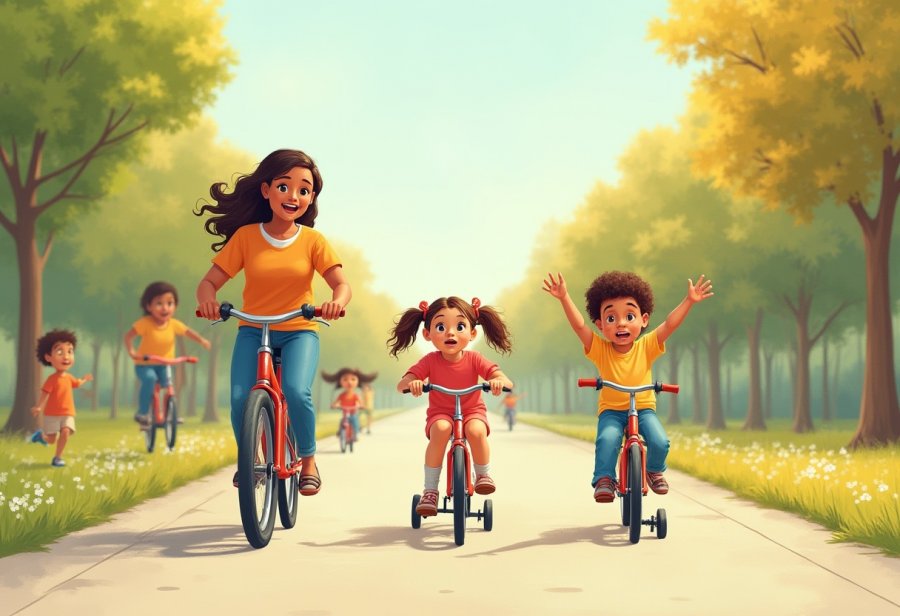
Celebrating the Milestone: Learning to Ride a Bike and Building Lasting Memories
Learning to ride a bike is a milestone that stays with families long after the wheels stop turning. It’s a moment filled with anticipation, a blend of nervousness and excitement as children take their first shaky pushes on two wheels. This experience isn’t just about mastering balance; it’s about building confidence and independence, shared through laughter and encouragement. Parents often remember those first attempts vividly—how they steadied a small seat, cheered from the sidelines, and celebrated each small victory with pride.
These early bike rides become more than just a skill; they symbolize trust and support within the family. The process involves patience, gentle guidance, and a willingness to let children learn at their own pace. Whether it’s a quiet street or a park path, these safe spaces foster a sense of adventure while keeping fears at bay. For kids, the journey from wobbling to riding smoothly is a powerful lesson in perseverance and resilience, reinforced by the love and reassurance of loved ones.
Learning to ride also marks a transition from dependence to independence. As children gain control and confidence, they begin to explore the world around them with a new sense of freedom. The thrill of balancing on their own, feeling the wind in their hair, and moving forward under their own power creates a joy that’s hard to match. These moments of achievement not only boost self-esteem but also teach that effort and persistence lead to real rewards.
At the heart of this experience is the universal theme of overcoming fears. Many children grapple with the idea of falling or losing control, but with gentle encouragement, they discover that setbacks are part of the process. Each wobble and tumble becomes a stepping stone toward mastery. Parents and caregivers help transform anxiety into curiosity, turning the learning experience into a shared adventure that deepens bonds and creates lasting memories.
The significance of learning to ride extends beyond childhood milestones. It teaches resilience, patience, and the importance of trying again after a fall. These lessons shape how children approach future challenges, fostering a mindset that values growth and perseverance. It’s a journey that, while sometimes wobbly, ultimately leads to a sense of achievement and the confidence to keep pushing forward.
Ultimately, teaching a child to ride a bike is about more than just pedals and wheels. It’s about nurturing independence, encouraging courage, and sharing moments of triumph. These experiences build a foundation of trust and resilience that lasts a lifetime, reminding us that sometimes, the greatest growth comes from taking that first uncertain push and finding our balance.
Mastering Balance, Pedaling, and Steering: The Core Skills to Ride Confidently
Teaching a child to ride a bike involves mastering several interconnected skills that come together to build confidence and enjoyment. The first essential component is balancing, which forms the foundation for all riding. Kids need to learn how to shift their weight and stay steady on two wheels. Starting with a balance bike or removing the pedals temporarily allows children to focus solely on balancing. This approach helps them develop coordination and trust in their ability to stay upright before progressing to pedaling.
Once balance feels more natural, introducing pedals is the next step. Pedaling requires practice and patience, as children often wobble or struggle at first. Encouragement and gentle guidance help them push through these initial difficulties, gradually learning to pedal smoothly and maintain momentum. Steering is equally important because it enables children to navigate turns and stay on course. Developing good steering skills early on boosts their sense of control and confidence, making independent riding feel more manageable.
Safety remains a vital part of the learning process. Teaching children about wearing helmets and protective gear from the start not only keeps them safe but also establishes good habits. When kids see safety as an integral part of riding, they’re more comfortable taking risks and enjoying their practice. Reinforcing the idea that falls are normal and part of learning helps them approach each attempt with a positive attitude, reducing fear and hesitation.
Introducing these elements gradually makes the learning experience more manageable and fun. Rushing through the stages can lead to frustration or accidents, so allowing children to progress at their own pace is key. Celebrating small victories—like balancing a little longer or pedaling a few extra meters—keeps motivation high and reinforces their belief in their growing skills. Each success, no matter how minor, builds their confidence and fuels their desire to keep going.
Transitioning from supervised practice to independent riding marks a significant milestone. Many children start with training wheels or balance bikes, which provide stability and reassurance. As they improve, parents often remove training wheels, understanding that wobbling and falls are natural steps along the way. These moments teach resilience and persistence, emphasizing that setbacks are just part of the journey to mastery.
Family support and patience are crucial throughout this process. Creating a safe, encouraging environment—like parks or quiet streets—allows kids to experiment and learn without unnecessary stress. Gentle guidance, praise, and celebrating progress help children develop resilience and independence. When learning is approached with understanding and care, riding becomes not just a skill but a memorable experience that fosters trust in themselves and their abilities.
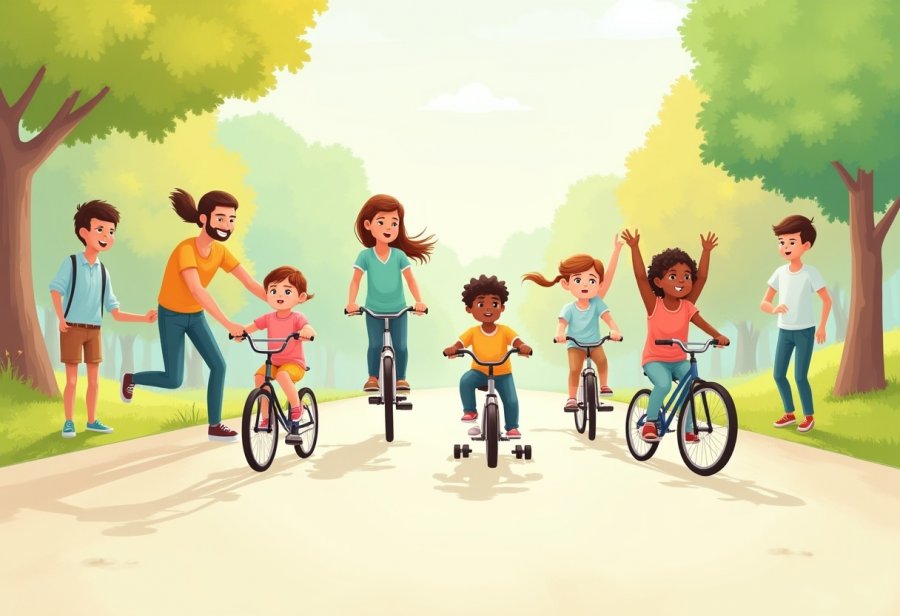
Beyond the Bike: How Riding Fosters Resilience, Independence, and Joy
Learning to ride a bike goes far beyond simply balancing on two wheels; it’s a powerful lesson in resilience, independence, and pure joy. Every wobble, fall, and restart teaches children that setbacks are part of growth. When they persevere through these challenges, they discover that persistence pays off, building confidence that extends well beyond the bike. This journey shows kids that obstacles can be overcome with patience and effort, fostering a mindset that values resilience and determination.
Riding independently ignites a sense of freedom that’s hard to match. Feeling the wind in their hair and moving forward under their own power, children begin to trust their abilities. It’s not just about getting from point A to B—it’s about realizing they can explore more, make decisions, and handle challenges on their own. This sense of independence becomes a foundation for tackling new skills and life’s hurdles with confidence and self-reliance.
The thrill of riding a bike sparks genuine joy. It’s a feeling of liberation, excitement, and accomplishment that stays with children long after the bike is put away. These moments of happiness reinforce a positive attitude toward trying new things, showing that effort can lead to rewarding experiences. As they experience this joy, kids learn that perseverance can turn effort into success, encouraging them to keep pushing their boundaries and embrace adventure.
Learning to ride also cultivates patience and persistence. Children quickly realize that mastery doesn’t happen overnight but through small, consistent steps. Each wobble or fall becomes a valuable lesson, teaching them that failure is just part of the process. This attitude helps them develop resilience, making it easier to face future challenges with optimism and a proactive mindset. Over time, they come to see setbacks as opportunities to learn and grow.
These lessons—resilience, independence, joy, and patience—are more than just about riding a bike. They shape how children approach challenges throughout life, instilling a growth mindset and confidence that lasts. The experience of learning to ride teaches that with support and perseverance, even the most intimidating obstacles can be overcome. It’s a journey that not only transforms a child’s relationship with a bike but also prepares them to navigate life’s many adventures with courage and resilience.
Insights from Experts: Best Practices and Common Pitfalls in Teaching Kids to Ride
Experts in child development and cycling emphasize that patience and positive reinforcement are crucial when teaching kids to ride. Celebrating small successes—like balancing a little longer or pedaling a few meters without wobbling—can significantly boost a child’s confidence and enthusiasm. Rushing or pressuring children often leads to frustration or fear, so creating a relaxed environment where mistakes are viewed as natural steps fosters a growth mindset. When kids see setbacks as part of learning rather than failures, they develop resilience and a willingness to try again.
Child psychologists highlight the importance of building confidence through consistent praise and encouragement. They advise parents to avoid criticizing falls or errors, as negative reactions can cause anxiety and hesitation. Instead, focusing on effort and persistence helps children understand that progress is gradual and that persistence pays off. Introducing safety gear early—such as helmets and knee pads—reinforces the idea that safety is a priority, making children more comfortable taking risks and practicing regularly.
Cycling professionals recommend starting with balance bikes or removing pedals temporarily. This approach allows children to focus solely on mastering balance and steering without feeling overwhelmed. Once they gain confidence in these basic skills, transitioning to pedaling becomes much smoother. Supporting their progress with gentle guidance and celebrating small victories helps turn each wobble or fall into a valuable learning experience, rather than a setback. Patience and a step-by-step approach are key to avoiding frustration and building lasting skills.
The environment where children learn also matters. Flat, open spaces like parks or quiet streets provide a safe and encouraging setting for practice. These spaces allow kids to experiment freely, gain confidence, and develop control without the fear of traffic or hazards. Consistent practice in such areas, combined with positive feedback, fosters a sense of achievement and enjoyment. When children associate riding with fun and success, they’re more likely to stay motivated and eager to improve.
Finally, understanding that each child learns at their own pace is essential. Some may pick up balancing quickly, while others need more time and reassurance. Respecting individual differences and offering steady support helps prevent discouragement and promotes perseverance. When setbacks are viewed as part of the process—rather than failures—children develop resilience and a healthy attitude toward challenges. This supportive, patient approach ensures that learning to ride remains a positive, empowering experience that builds confidence and independence for years to come.
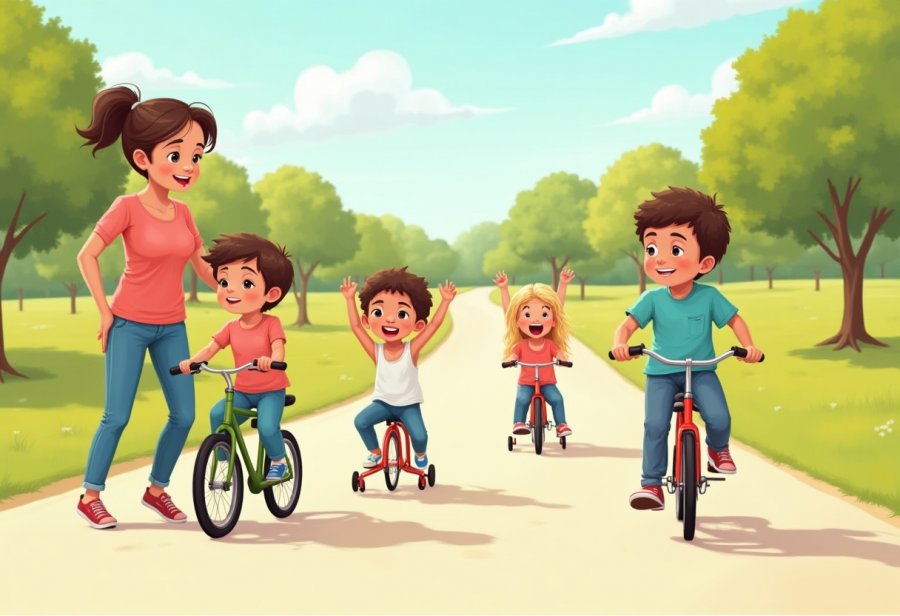
Empowering Future Adventures: Supporting Children in Their Bike-Riding Journey and Growth
Learning to ride a bike is a milestone that reaches beyond simply mastering two wheels; it’s a foundation for independence, resilience, and joy that lasts a lifetime. When children conquer their fears and find their balance, they learn that persistence and support can turn challenges into achievements. For parents and caregivers, patience, encouragement, and attentive guidance are key. Celebrating every small victory—whether it’s a wobble longer than before or a few meters of steady pedaling—builds confidence and makes the journey rewarding.
Creating a safe environment for practice makes a significant difference. Short, consistent sessions in parks, quiet streets, or open spaces allow children to focus on their skills without feeling overwhelmed. Providing safety gear from the start, like helmets and knee pads, not only protects them but also reinforces the importance of safety. When kids see safety as part of the process, they’re more relaxed and willing to take risks, which accelerates their learning and enjoyment.
Encouragement and positive reinforcement are powerful tools. Praising effort rather than perfection helps children develop a growth mindset, making setbacks feel like natural steps forward. Recognizing small improvements—like balancing a little longer or pedaling a few extra meters—boosts motivation and instills a sense of achievement. Sharing these moments with family turns learning into a memorable bonding experience, fostering pride and perseverance.
Patience remains essential, as every wobble or fall is a valuable part of learning. When children feel supported and understood, they’re more likely to approach each attempt with curiosity rather than fear. Teaching them that mistakes are normal helps develop resilience, which they carry into other areas of life. Overcoming the fear of falling requires reassurance that setbacks are temporary and that persistence leads to success.
Respecting each child’s unique pace is crucial. Some may master balancing quickly, while others need more time and reassurance. Tailoring encouragement to their individual needs prevents frustration and builds trust. When setbacks are viewed as part of the learning process, children grow resilient and confident, ready to face future challenges with a positive attitude.
Remember, the skills learned while riding a bike extend well beyond the ride itself. They cultivate patience, determination, and self-trust—values that will serve children throughout their lives. Every push on the pedals and every wobble overcome teaches them that effort and perseverance are worth it, fostering a mindset that embraces growth and adventure.
Parents play a vital role in nurturing this journey. Your support, gentle guidance, and celebration of progress create a positive learning atmosphere. By maintaining patience and showing confidence in their abilities, you help children develop a resilient mindset that will empower them long after they’ve learned to ride. These shared experiences become lasting memories of growth, trust, and family bonds.
In the end, learning to ride a bike isn’t just about mastering two wheels; it’s about empowering children to face life’s challenges with courage and optimism. With every fall and every victory, they build resilience, independence, and joy—lessons that will carry them through many adventures ahead. Encouraging them along this path sets the stage for a lifetime of confidence, resilience, and a love for exploration.