Category: Lifestyle

Home, beauty, and everyday living inspiration.

  • The Future of Moving Safety with Cutting-Edge Protection Technologies

    The Future of Moving Safety with Cutting-Edge Protection Technologies

    Moving—whether to a new home or office—is often seen as an exciting fresh start, but beneath the surface lies a complex challenge: protecting your most valuable possessions. Are you aware that a careless move can turn cherished heirlooms, electronics, or critical documents into costly losses? Professional movers bring more than muscle; they offer expert handling, meticulous packing, and strategic planning to safeguard your belongings against damage. Their use of advanced materials, secure loading techniques, and route planning minimizes risks and ensures a smooth transition. Yet, the true game-changer lies in emerging technologies—sensor-equipped boxes, climate-controlled containers, GPS tracking—that are revolutionizing moving safety. Could these innovations redefine your moving experience, offering unparalleled peace of mind? This growing intersection of expertise and technology promises not just protection, but a stress-free journey to your new beginning, prompting the question: Are you ready to entrust your valuables to the professionals equipped for the future?

    Reliable and Expert Home Movers in Toronto with Over 50 Years of Experience

    Looking for trusted home movers in Toronto, Ontario? Fess Moving offers an expertly curated moving service tailored to your specific requirements. Our process is simple, efficient, and convenient, ensuring your move is smooth and stress-free. With over 50 years of expertise, we prioritize satisfaction and reliability in every move we handle. Whether you’re relocating locally or across the city, our team is dedicated to providing personalized solutions that meet your needs. Contact Fess Moving today at 437-559-2890 or email [email protected] to experience our professional and dependable moving services designed just for you.

    Safeguarding Valuables During Your Move: Why Professional Movers Make the Difference

    Moving to a new home or office is a significant milestone, but it also brings the challenge of safeguarding your most valuable belongings. Whether it’s family heirlooms, expensive electronics, or important documents, these items often hold more than just monetary value—they’re connected to memories or vital operations. A careless move can easily lead to breakage, loss, or damage, turning what should be an exciting new chapter into a stressful ordeal.

    That’s where professional movers come in. They’re not just about hauling boxes—they’re trained experts who understand how to handle your possessions with care. Their approach combines careful packing techniques, strategic handling, and experience to prevent damage before it happens. From selecting the right packing materials to properly securing everything in the truck, their focus is on protecting your valuables throughout the entire process.

    Fragile and high-value items require a special touch. Movers wrap glassware, artwork, and electronics in bubble wrap, foam padding, or thick blankets to absorb shocks and prevent scratches. They also use specialized padding and crates for delicate belongings, ensuring each piece is well-protected during transit. These precautions are rooted in best practices, significantly reducing the risk of costly accidents.

    Transporting belongings securely is equally important. Movers employ straps, braces, and dividers to prevent items from shifting inside the truck. They plan routes that avoid rough roads, construction zones, or obstacles, minimizing jolts and sudden stops. Proper loading and route planning help ensure your valuables arrive intact and ready to be unpacked.

    Choosing professional movers isn’t just about convenience; it’s a smart way to protect what matters most. Their expertise, supplies, and planning work together to make your move safer and more manageable. Trusting professionals turns a potentially stressful event into a smooth transition, giving you peace of mind as you begin your new chapter.

    Core Techniques for Valuables Protection: Packing, Securing, and Planning

    Professional movers rely on a variety of proven techniques to ensure valuables stay safe during transit. The foundation is proper packing—using sturdy boxes that match each item’s size and weight prevents crushing or damage. Fragile belongings like glassware, art, and electronics are carefully wrapped in bubble wrap, foam padding, or thick blankets, absorbing shocks and guarding against scratches. Movers also utilize specialized padding materials to protect furniture and delicate items, minimizing dents and breaks during handling and movement.

    Securing items inside the truck is just as crucial as packing them well. Movers use straps, braces, and dividers to prevent belongings from shifting or colliding during transit. Proper stacking—placing heavier items at the bottom and lighter, fragile ones on top—reduces movement and the risk of damage. They plan the loading sequence carefully, loading the most vulnerable items last so they’re unloaded first, which lessens their exposure to rough handling and jolts along the way.

    Route planning plays a significant role in safeguarding possessions. Experienced movers choose smooth, obstacle-free roads, avoiding construction zones, steep inclines, and areas with heavy traffic. This helps prevent sudden jolts or stops that could dislodge or damage items. When navigating tight spaces like stairs or narrow hallways, movers develop strategies in advance, often using dollies and hand trucks to handle heavy or awkward items safely. These precautions significantly reduce the chances of accidents or mishandling during the move.

    A relevant discussion appears on Purist Blog in Vic Reynolds‘s Secure Your Valuables with Expert Moving Safeguards.

    Protective tools and supplies further enhance safety. Moving blankets, foam padding, and bubble wrap are used generously around fragile or high-value items. Inside the truck, straps and braces secure belongings, preventing shifting during transit. For especially delicate or valuable objects, custom crates or padded containers provide an extra layer of security. Investing in these supplies makes a noticeable difference in protecting your belongings from damage, no matter how bumpy the ride.

    Insurance coverage rounds out these safety measures. Reputable moving companies offer policies that protect against unforeseen damages or losses despite all precautions. Knowing your valuables are insured provides peace of mind, allowing you to focus on settling into your new space rather than worrying about potential mishaps. Combining meticulous packing, thoughtful securing, strategic route planning, and insurance creates a comprehensive safety net, ensuring your possessions arrive intact and ready to enjoy.

    Stress-Free Moving Through Structured Planning and Precise Logistics

    Organized planning is the backbone of a smooth, stress-free move. When professional movers take the time to craft a detailed logistics plan, they transform what could be chaos into a well-orchestrated process. Having a clear roadmap—covering everything from scheduling and packing sequences to transportation routes—reduces surprises and delays, giving you a sense of control. This proactive approach means fewer last-minute issues and a more predictable transition, allowing you to focus on settling into your new space rather than managing unforeseen problems.

    A well-structured plan also streamlines the entire move, making it more efficient. When timing, resources, and routes are coordinated in advance, downtime is minimized, and bottlenecks are avoided. Proper scheduling ensures fragile and high-value items are prioritized, handled with care, and less likely to be damaged or lost. This organized approach not only safeguards your belongings but also helps prevent unnecessary stress, keeping the process manageable even when facing tight deadlines or complex logistics.

    Beyond physical logistics, systematic planning involves clear labeling and tracking. When each box is systematically documented and labeled with its contents and destination, unpacking becomes quicker and less frustrating. Knowing exactly where everything belongs simplifies the setup process and reduces the risk of mishandling or overlooking important items. For sensitive equipment or confidential documents, this level of organization is especially valuable, providing peace of mind that all possessions are accounted for and correctly handled.

    Anticipating potential obstacles is a key benefit of good planning. Experienced movers identify tricky access points like narrow hallways, stairs, or tight corners in advance. They develop strategies—such as using dollies, ramps, or specialized equipment—to navigate these spaces safely. Considering weather conditions and traffic patterns ahead of time allows them to choose optimal routes, avoiding rough roads or construction zones. This foresight minimizes jolts and sudden stops, protecting your belongings and reducing the chance of accidents.

    Secure Your Valuables with Expert Moving Protection Strategies, written by Fi Brooks on Papa Bear Lessons, offers a deeper look at this topic.

    Having contingency plans in place further enhances safety and reduces stress. When movers analyze possible challenges—like road closures, equipment issues, or access restrictions—they develop backup strategies. These preparations mean they can adapt quickly, keeping your move on track and your valuables secure. This level of preparedness ensures that unexpected delays or obstacles don’t turn into costly setbacks or damage.

    A meticulously planned move feels less overwhelming because every step is purposefully mapped out. This clarity instills confidence, allowing you to focus on the excitement of your new beginning rather than fretting over details. When logistics are handled with precision, the entire process becomes smoother, safer, and more predictable. The result is a move that not only protects your possessions but also preserves your peace of mind, turning what often feels like a daunting event into a manageable transition.

    Practical Tips to Protect Your Valuables During Every Step of Your Move

    To effectively protect your valuables during a move, start with careful packing. Use sturdy boxes that match the size and weight of each item to prevent crushing or damage. Wrap fragile objects like glassware, artwork, and electronics with bubble wrap, foam padding, or thick moving blankets. These materials absorb shocks and guard against scratches. Label each box clearly with its contents and handling instructions, such as “Fragile” or “This Side Up,” so everyone knows to treat them with extra care.

    When loading items into the truck, place heavier boxes at the bottom and lighter, more delicate items on top. Secure everything with straps or bungee cords to prevent shifting during transit. Movement inside the truck can cause damage or accidents, especially if items topple or collide. Using tools like dollies and hand trucks helps move heavy or awkward items safely, reducing the risk of drops or mishaps. Taking your time and handling each piece deliberately can make a big difference in protecting your belongings.

    Handling delicate or high-value items requires extra attention. Wrap each piece individually with ample padding, and consider using custom boxes or padded crates for added security. Electronics, artwork, and antiques benefit from climate-controlled transport or specialized packing to prevent environmental damage. Whenever possible, keep these valuables with you during the move rather than loading them into the truck. This gives you better control over their handling and reduces the chance of accidents or mishandling.

    This perspective is expanded in Finn Graham‘s article Secure Your Valuables with Professional Moving Safeguards on Quantum Odyssey 5351898.

    Route planning is another key step. Choose roads that are smooth and avoid construction zones, steep inclines, or areas with heavy traffic. If you need to navigate stairs, narrow hallways, or tight spaces, plan your approach in advance. Using dollies and hand trucks minimizes physical strain and the risk of dropping or damaging items in tricky spots. Moving carefully and thoughtfully throughout the process helps ensure everything arrives at your new home or office in good condition.

    Finally, make good use of protective tools and supplies. Moving blankets, foam padding, and bubble wrap should be used generously around fragile or high-value items. Inside the truck, straps and braces secure belongings and prevent shifting during transit. For especially delicate objects, consider custom crating or padded containers for extra security. These small investments in equipment and supplies significantly reduce the chance of damage and help keep your move controlled and safe from start to finish.

    Future Innovations in Moving Safety: Technology and Practices That Enhance Protection

    Emerging technologies are beginning to reshape how valuables are protected during moves, promising safer and more efficient relocations. Sensor-equipped boxes now monitor conditions such as temperature, humidity, and movement in real time. When an item shifts or faces environmental risks, these devices send immediate alerts, allowing movers to make quick adjustments before any damage occurs. This kind of real-time feedback is especially valuable for high-value or sensitive possessions, providing an added layer of security beyond traditional packing methods.

    Innovative protective materials are also gaining traction. Impact-absorbing foams, climate-controlled containers, and advanced padding help shield fragile items from physical shocks and environmental fluctuations. Climate-controlled crates, for example, maintain stable conditions for artwork and electronics, reducing deterioration risks during transit. As these materials become more accessible, they empower movers to handle delicate belongings with greater confidence, significantly lowering the chance of damage.

    GPS tracking and route optimization software are transforming transportation safety. Real-time GPS devices allow both movers and clients to track cargo continuously, increasing transparency and accountability. Meanwhile, route planning tools analyze road conditions, traffic patterns, and obstacles to suggest the safest pathways, avoiding rough terrain and construction zones. Dynamic rerouting ensures a smoother journey, minimizing jolts and sudden stops that could jeopardize valuables. These technological advances make the entire moving process more predictable and secure.

    The integration of these innovations is making high-quality moving safety more affordable and widespread. Both professional movers and individuals can leverage these tools to identify potential issues early and respond proactively. For clients with valuable or sensitive items, this means greater peace of mind, knowing that cutting-edge solutions are actively protecting their possessions. As these technologies become standard, they set new benchmarks for safety and reliability in the industry.

    Digital record-keeping and data collection further enhance transparency. Detailed logs of packing procedures, handling steps, route choices, and sensor data help document every part of the move. This level of record-keeping not only facilitates dispute resolution but also provides insights for continuous safety improvements. Moving companies adopting such practices demonstrate a commitment to professionalism and client trust, elevating industry standards.

    Looking ahead, ongoing research and development promise even more sophisticated tools. Modular packing systems, impact-resistant containers, and AI-driven route planning are on the horizon, aiming to make moves safer and more efficient. The goal is clear: to protect valuables more effectively while reducing stress for all involved. As these advancements mature, they will redefine what’s possible in moving safety, ensuring that technology keeps pace with the industry’s evolving needs.
  • Transform Your Outdoors with a Custom Deck Oasis

    Transform Your Outdoors with a Custom Deck Oasis

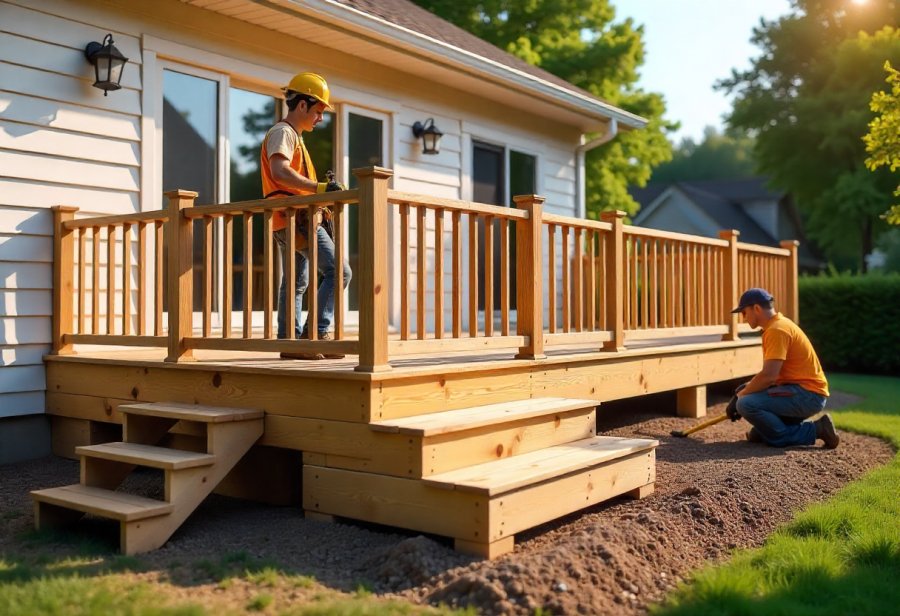
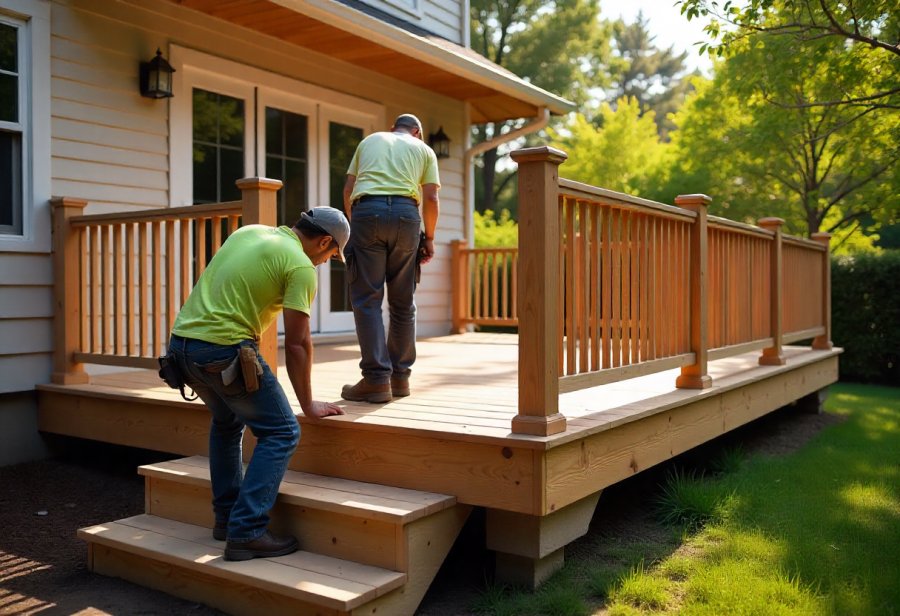
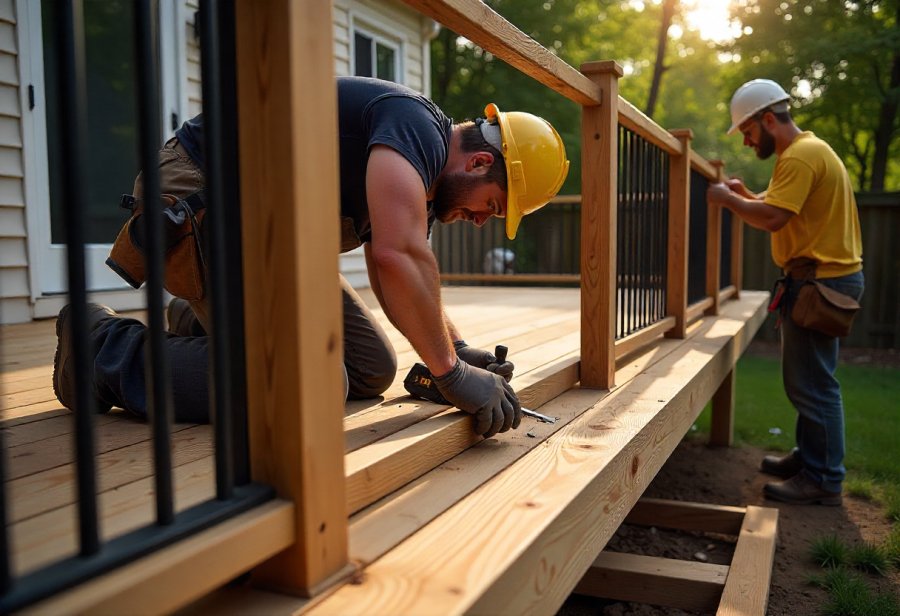
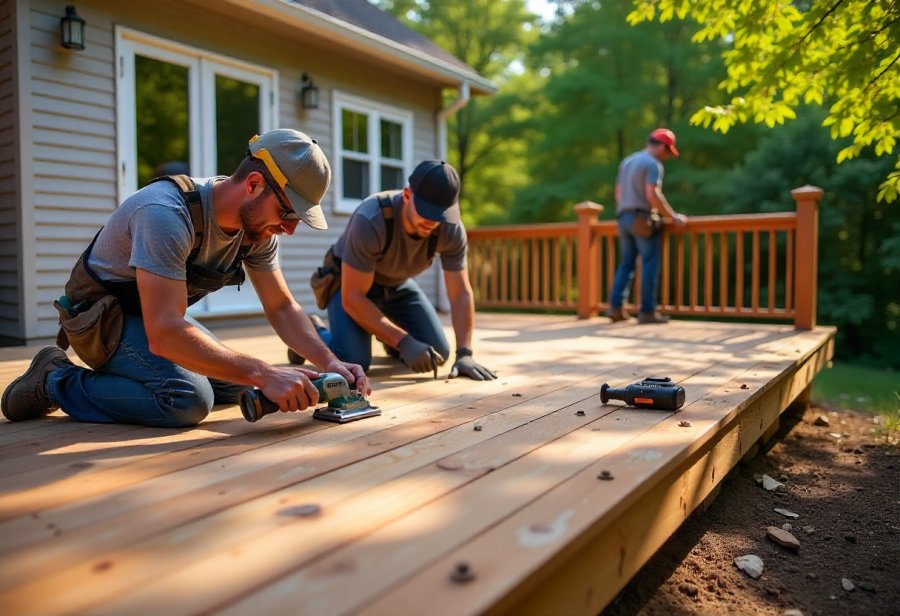
    Building a custom deck is more than an outdoor project; it’s an opportunity to craft a personal sanctuary that elevates your home’s appeal and functionality. From meticulous planning and design—selecting materials, layout, and style—to expert craftsmanship, every decision shapes a space that blends beauty with durability. Skilled artisans transform raw materials into resilient, elegant structures, paying close attention to details like joinery, finishes, and weather-resistant features. As outdoor living evolves, future innovations such as eco-friendly materials, smart technology, and adaptable designs promise even greater versatility and longevity. Are you ready to trust the artistry behind turning wood into a timeless retreat? This guide invites you to envision, design, and build a deck that not only enhances your outdoor experience but also becomes a lasting expression of craftsmanship and personal style.

    Transform Your Outdoor Space with Toronto Deck and Rail’s Expert Services

    Looking to enhance your Toronto home’s outdoor appeal? Toronto Deck and Rail (TDR) specializes in premium deck building, offering top-tier deck design, repair, and build services. Renowned for our Premium Selection, White-Glove Service, and Transparent Pricing, we ensure every project exceeds expectations. Whether you’re dreaming of a new deck or need repairs, our experienced team provides personalized solutions tailored to your needs. Contact us today at 289-277-4366 or email [email protected] to start transforming your outdoor living space with trusted experts.

    Transform Your Outdoor Space with a Custom Deck

    Building a custom deck goes beyond simply adding a structure to your backyard; it’s an opportunity to create a personal outdoor sanctuary. Unlike off-the-shelf options, a tailored deck allows you to design a space that perfectly reflects your style and suits your lifestyle. Whether you picture a cozy corner for quiet evenings or a spacious platform for hosting gatherings, customizing your deck puts control in your hands from layout to finishes.

    This upgrade isn’t just about looks. A well-designed deck can boost your home’s value and elevate curb appeal, turning your backyard into a seamless extension of your living space. When crafted with care and skill, it becomes an inviting area to relax, entertain, and make memories. A thoughtfully built deck invites you outdoors and encourages everyday moments of enjoyment in your own backyard retreat.

    Choosing to invest in a custom deck means prioritizing quality and longevity. Unlike standard options, a bespoke build involves selecting premium materials and expert techniques that stand up to weather, foot traffic, and the test of time. Skilled craftsmen pay close attention to every joint, finish, and detail, ensuring the structure isn’t just attractive but also durable. The result is an outdoor feature designed to last through seasons of use without losing its charm.

    Designing your deck starts with imagining how you want to use the space and how it will fit into your yard’s unique features. From size and shape to style and materials, each decision shapes the final product. Proper planning early on helps prevent surprises and keeps your project on track, resulting in a seamless blend of beauty and functionality. A custom deck isn’t just an addition—it’s a reflection of your personal outdoor vision.

    Building a deck involves a step-by-step process that combines craftsmanship with technical precision. It begins with site preparation, where clearing and leveling create a solid foundation. The framing follows, supporting the decking boards and any custom features like railings or stairs. Every detail, from fasteners to finishes, plays a vital role in ensuring your deck is safe, attractive, and built to last. When executed with care, your backyard transforms into a lasting outdoor retreat, ready to be enjoyed for years to come.

    Design Your Perfect Outdoor Oasis: Planning and Visualization

    Designing a custom deck begins with a clear vision of how you want the space to function and flow with your home’s style. Start by measuring your yard carefully, noting natural features like trees, slopes, or existing structures that could influence your layout. Visualizing your daily routines—whether you need a dining area, a lounging spot, or an outdoor kitchen—helps shape your initial concepts. Sketching rough layouts or experimenting with simple design apps can make it easier to see how different configurations will work in your space.

    Once you have a sense of the layout, think about the style you prefer. Do you lean towards a sleek, modern look, a cozy rustic vibe, or something more traditional? Matching your deck’s design to your home’s architecture ensures a cohesive look. For example, contemporary homes pair well with clean lines and minimal details, while cottage-style houses often call for warm woods and decorative accents. Establishing this aesthetic early on sets the tone for the entire project.

    Next, consider the size and shape of the deck. Larger decks provide more room for furniture and socializing, but they also require more planning and materials. The shape—whether rectangular, multi-level, or with curves—should complement your yard’s features and your lifestyle. For uneven terrain, a multi-level design can create distinct zones for dining, relaxing, and entertaining, making the space more functional and visually interesting.

    Choosing the right materials is crucial for durability and ease of maintenance. Think about how much care each option demands. Pressure-treated lumber offers affordability and pest resistance, while composite decking provides long-lasting low-maintenance performance. Natural woods like cedar or redwood add warmth but may need more upkeep. Your choice impacts not just the look but also the lifespan and upkeep of your deck, so select materials that match your expectations for longevity.

    Practical details like stairs, lighting, and built-in features also matter. Consider how your deck will connect to your house—adding stairs or ramps where needed—and plan for lighting to create ambiance and safety. Built-in seating, planters, or fire pits can enhance both function and style. Planning these elements early ensures a seamless design and prevents surprises during construction, helping your deck become a cohesive outdoor living space tailored to your needs.

    Artistry and Skill: Crafting a Deck That Stands Out

    Creating a custom deck is as much about craftsmanship as it is about design. Skilled builders bring an artistry that elevates a simple outdoor structure into something truly special. Every cut, joint, and finish is executed with care, reflecting a dedication to quality that goes far beyond basic construction. When a craftsman carefully selects each piece of wood—paying attention to grain and texture—they’re not just choosing materials; they’re enhancing the deck’s natural beauty and character. This meticulous attention to detail results in a seamless, polished appearance that makes the entire space stand out.

    The artistry shows most clearly in the finer details—intricate joinery, smooth finishes, and thoughtfully crafted accents. Expert carpenters measure precisely, ensuring every joint fits perfectly, every surface is level, and every element aligns harmoniously. Decorative touches like custom railings or unique balusters aren’t just visually appealing—they’re built to withstand the weather and daily use, blending beauty with durability. These details reveal a mastery of technique that transforms a basic deck into a piece of outdoor art, reflecting real craftsmanship rather than mass-produced sameness.

    Good craftsmanship also involves understanding how different materials behave over time. Skilled builders choose fasteners, sealants, and finishes that prevent rust, decay, and warping. They sand surfaces carefully to eliminate splinters and rough edges, and apply protective coatings that shield the wood from moisture, UV rays, and pests. These seemingly small decisions have a big impact on how long your deck will look pristine and remain structurally sound. When craftsmanship is at the core of the build, the result is a resilient outdoor space that ages gracefully.

    Beyond technical skill, craftsmanship is about an eye for harmony and aesthetic balance. Every element—the angles, the spacing, the textures—must work together to create a cohesive visual story. Whether aiming for a sleek modern look or a rustic charm, a skilled artisan ensures each detail complements the overall design. This thoughtful approach guarantees that your deck feels intentional, inviting, and aligned with your personal style. The result is more than just a structure; it’s a carefully curated outdoor extension of your home.

    The best decks are those that feel thoughtfully made, where every detail invites admiration and use. Skilled artisans focus on quality and longevity, never cutting corners. Their mastery turns ordinary materials into a durable, beautiful outdoor masterpiece. When craftsmanship is at the heart of the project, your deck becomes a lasting expression of artistry and care—a space that you can enjoy for years to come. It’s an investment not only in your home’s value but in creating a personal sanctuary that combines practical outdoor elegance with timeless beauty.

    Step-by-Step: Building Your Dream Deck from Foundation to Finish

    Building your custom deck transforms detailed planning into a tangible outdoor haven. The process begins with site preparation—clearing away debris, shrubs, and obstacles to create a clean, level foundation. Taking the time to properly level the ground and ensure good drainage now prevents future issues like shifting or cracking, saving you headaches down the line. Once the site is ready, skilled builders carefully lay out the perimeter, making sure everything is square and aligned. Attaching sturdy ledger boards to your house and supporting posts and beams forms the backbone of the structure, ensuring strength and stability.

    With the framework in place, attention shifts to installing the decking boards. Laying these down requires precision—spacing each board evenly and aligning them smoothly creates an inviting, safe surface. Choosing durable fasteners that resist rust guarantees that your deck remains secure over time. Proper spacing allows for wood expansion and contraction with seasonal changes, preventing warping or buckling. As the surface takes shape, adding railings, stairs, or custom features elevates both safety and style, turning structural elements into design details that complement your aesthetic.

    Finishing touches are just as vital as the main build. Sanding smooths rough edges and splinters, making your outdoor space safer and more comfortable. Applying sealants or stain not only enhances the natural beauty of the wood but also acts as a protective barrier against moisture, UV rays, and pests. These protective layers extend the lifespan of your deck, reducing maintenance needs and helping it look fresh for years. Every nail, joint, and finish should reflect careful craftsmanship, ensuring the structure’s resilience and visual harmony.

    Throughout the build, meticulous attention to detail is essential. Using high-quality fasteners, sealants, and construction techniques guarantees a durable, weather-resistant deck. Every measurement, cut, and connection must be precise—this is what transforms raw materials into a seamless outdoor retreat. Working systematically from foundation to finish, each step builds upon the last, culminating in a finished product that is both beautiful and built to last. When executed with care and expertise, your deck becomes a lasting outdoor extension of your home where memories will be made for years to come.

    Future Trends in Deck Design: Innovation, Sustainability, and Smart Technology

    Looking ahead, the future of custom deck design is set to blend innovative materials and smart technology in ways that elevate outdoor living to new heights. Recycled composites and responsibly sourced woods are gaining popularity, offering durability and eco-friendliness that appeal to conscious homeowners. These sustainable options resist weather, pests, and decay better than traditional woods, making your backyard retreat both beautiful and resilient while reducing environmental impact. As technology advances, so do the possibilities for creating decks that are as functional as they are stylish.

    Smart integrations are transforming outdoor spaces into seamless extensions of modern homes. Automated lighting systems, embedded LED fixtures, and weather-responsive shading devices turn decks into inviting nighttime retreats and all-weather gathering spots. With a simple tap or voice command, you can adjust ambiance, control outdoor sound systems, or even modify temperature settings. These features add convenience and luxury, making outdoor spaces usable rain or shine and elevating everyday outdoor moments into extraordinary experiences.

    Design concepts are becoming more flexible, emphasizing modularity and adaptability. Homeowners now envision decks that can evolve alongside their needs — whether adding a hot tub, expanding seating areas, or installing new features like outdoor kitchens. This versatility ensures your outdoor space remains relevant and functional as your lifestyle changes. Future innovations will likely focus on lightweight, easy-to-install components that can be reconfigured without extensive renovations, giving you a dynamic backyard retreat that’s as personalized as it is practical.

    Sustainability continues to drive innovation in deck craftsmanship. The shift toward low-impact building methods and eco-conscious materials reflects a broader movement toward mindful living. New treatments and finishes aim to extend the life of decks while minimizing environmental footprints. This approach not only preserves natural resources but also aligns your outdoor space with your values, creating a backyard sanctuary that is both beautiful and responsible.

    Staying ahead in deck design means keeping an eye on emerging trends and technological breakthroughs. By planning for future upgrades—such as integrated solar lighting or wireless automation—you ensure your outdoor haven remains fresh and relevant. Embracing these innovations now sets the stage for a timeless, personalized space that evolves with your lifestyle, blending craftsmanship with forward-thinking design. Your dream deck isn’t just a vision for today; it’s an investment in a sustainable, stylish outdoor retreat for years to come.

  • Unveil the Hidden World of Underground Street Racing Brotherhood

    Unveil the Hidden World of Underground Street Racing Brotherhood

    Underground street racing is more than just a pursuit of adrenaline; it’s a fiercely loyal community built on trust, brotherhood, and shared passion. These clandestine races, held in shadowy city corners, forge bonds that run deeper than speed, as racers support each other through victories, setbacks, and risks. This culture celebrates creativity, technical mastery, and resilience, influencing urban fashion, music, and identity. Yet, with heightened risks and legal pressures, the scene faces an uncertain future—balancing innovation and safety, tradition and evolution. Will responsible craftsmanship and community engagement preserve its rebellious spirit? Or will increasing regulation threaten its core? As technology advances and new generations rise, underground racing’s enduring challenge is to adapt without losing its soul—a potent mix of loyalty, risk, and raw urban energy that continues to define its legacy.

    Underground Street Racing: A Heartbeat of Rebellion and Community

    Underground street racing isn’t just about the thrill of hitting top speeds; it’s a pulsating subculture fueled by adrenaline, loyalty, and a rebellious spirit. These races take place away from official tracks, often in hidden corners of the city—deserted industrial lots, quiet alleyways, or overlooked residential streets—where racers can push themselves and their cars without interference. The atmosphere is electric, filled with the roar of engines, squealing tires, and the tense anticipation before each start. For many enthusiasts, it’s about more than just winning; it’s about belonging to a community that values trust, brotherhood, and the rush of living on the edge.

    The roots of underground racing stretch back to informal gatherings among car lovers seeking an outlet for their passion and desire for speed. What began as spontaneous races among friends has grown into a global movement. As technology became more accessible, racers started modifying their cars to gain an edge—turning everyday vehicles into high-performance machines. Online forums and social media platforms now connect these groups across cities and countries, transforming local spots into parts of a worldwide network. Despite its illegal status, the scene persists, driven by a collective love of speed, innovation, and loyalty.

    Street racing’s defining elements—modified cars, nighttime runs, and urban landscapes—make this scene uniquely compelling. Drivers dedicate time and resources to customizing their vehicles, reflecting their personal style and racing philosophy. Night races add an element of secrecy and thrill, as darkness offers cover and heightens the adrenaline rush. The city streets, with their winding alleys, industrial sites, and empty lots, become makeshift racetracks. These locations are chosen for their accessibility and emptiness, providing a stage where skill, courage, and street smarts determine who comes out on top.

    But this world isn’t without risks. Law enforcement cracks down through fines, arrests, and vehicle impoundments, while safety concerns—high speeds, unregulated modifications, and inexperienced drivers—can lead to accidents. Communities nearby often face noise complaints and property damage, complicating the scene’s existence. Yet, beyond the dangers, underground racing remains a powerful form of self-expression. For many, modifying cars is a way to showcase creativity, technical skill, and pride—turning machines into symbols of loyalty and achievement.

    At its core, underground racing fosters a profound sense of brotherhood that runs deeper than the races themselves. Through shared risks and experiences—winning races, repairing cars after crashes, or standing together during police raids—participants build bonds rooted in trust and loyalty. These relationships create a family-like community, where secret meet-ups and quiet support reinforce their connection. For many, this scene offers a sense of belonging that’s hard to find elsewhere, making it more than just a sport—it’s a way of life that unites people through speed, craftsmanship, and shared values.

    Brotherhood and Loyalty: The Soul of Street Racing

    Street racing isn’t just about the thrill of speed; it’s about forging a bond that runs deeper than the asphalt beneath the tires. Within these underground circles, loyalty and trust form the foundation of a community that feels more like family than just a group of racers. Over countless nights of victories, setbacks, and close calls, these relationships grow stronger, built through shared experiences and mutual support.

    Support is woven into the fabric of this scene—whether it’s advising a newcomer on the best way to tune a car or helping a teammate repair damage after a tough race. Acts of kindness and loyalty are second nature, turning casual acquaintances into lifelong friends. These bonds aren’t just about friendship; they’re about creating a dependable network that stands together in moments of danger, police raids, or mechanical emergencies.

    Night racing intensifies this sense of kinship. As darkness cloaks the city, crews gather in secret spots, sharing stories, fueling engines, and preparing for the adrenaline rush ahead. These gatherings become rituals, reinforcing trust and camaraderie with every engine roar and every shared secret. Each race is more than a test of speed—it’s a reaffirmation of loyalty, a way to prove that they’re in this together.

    The culture of modification also feeds into this brotherhood. Sharing tips on tuning engines, swapping parts, or showcasing new upgrades sparks pride and collective craftsmanship. Every tweak and upgrade becomes a badge of loyalty, symbolizing dedication not just to speed but to the community’s shared identity. These shared passions turn individual efforts into a collective pursuit, strengthening the bonds that hold them together.

    Unwritten rules and secret codes underpin this loyalty. Racers respect boundaries, keep race locations discreet, and look out for each other’s safety. Covering for a teammate or keeping quiet about race details isn’t just etiquette—it’s a way of earning and maintaining trust. These rituals, though informal, are crucial in maintaining the scene’s resilience and ensuring that loyalty endures amidst external threats.

    This sense of brotherhood often extends beyond individual crews to entire neighborhoods or regions. Racers from the same area develop a shared identity and pride, representing their community with loyalty and respect. For many, underground racing becomes a symbol of urban pride—more than just a sport, it’s a testament to resilience, loyalty, and shared passion that connects generations.

    At its core, underground street racing is a collective story of loyalty, trust, and brotherhood. It’s a scene driven by shared risks, mutual support, and a fierce commitment to each other and the craft. These bonds create a community that endures, thrives, and continues to define the pulse of urban street culture, proving that in racing, as in life, loyalty runs deeper than speed.

    Shaping Society: The Broader Impact of Underground Racing Culture

    Underground street racing extends its influence far beyond the adrenaline of quick accelerations and midnight thrill rides. It shapes social identities and cultural expressions in ways that resonate well beyond the scene itself. The style, language, and customs born from these communities often seep into mainstream urban culture—impacting fashion, music, and slang. For many young enthusiasts, racing becomes a form of rebellion and self-expression, offering an alternative to conventional paths and forging a shared identity rooted in creativity, resilience, and defiance.

    These racing circles serve as more than just outlets for speed; they are communities that foster a sense of belonging and purpose. In cities like Los Angeles or Tokyo, crews act as extended families, passing down skills, stories, and values across generations. These groups often transform into safe spaces where youth can channel their energy into craftsmanship and technical mastery, developing leadership skills and pride. Their collective effort turns individual modifications into symbols of cultural resilience, turning street cars into moving canvases of urban pride.

    Despite their underground nature, these groups influence broader social dynamics, challenging stereotypes about urban youth. They demonstrate ingenuity, craftsmanship, and a desire for respect—traits that often fly under the radar of mainstream society. Their presence sparks conversations about opportunity, community development, and identity, even amidst crackdowns and legal pressures. Many see their culture as a form of resistance—asserting independence and pride in environments that often marginalize them—each act of speed and loyalty a statement of resilience.

    Media portrayals, especially in films and online videos, have amplified this influence, elevating street racing’s cultural footprint. The “Fast and Furious” franchise, for example, romanticized the brotherhood and adrenaline, inspiring fashion trends and youth attitudes worldwide. While these depictions sometimes glamorize the danger, they also highlight themes of loyalty, ingenuity, and community. This exposure fuels new generations’ interest in automotive creativity and street culture, encouraging them to embrace innovation responsibly while respecting the scene’s core values.

    Technological advancements are pushing underground racing into new territories of sophistication. Modern tuning software, lightweight materials, and aerodynamic upgrades open avenues for more refined modifications and safer practices. These innovations foster a culture of technical mastery, attracting enthusiasts eager to push boundaries responsibly. However, they also increase risks, making safety awareness and responsible craftsmanship vital to the scene’s sustainability. Striking a balance between cutting-edge innovation and caution will be key to its evolution.

    Looking ahead, the future of underground street racing depends on its ability to adapt without losing its rebellious spirit. More organized, sanctioned events could offer safer venues while preserving the brotherhood and loyalty that define the culture. Building trust with authorities and communities through responsible practices and open dialogue can help legitimize the scene and ensure its longevity. As the scene continues to evolve, it will rely on its deep roots in loyalty, resilience, and creativity—qualities that keep the pulse of underground racing alive and thriving in urban landscapes around the world.

    Insights from the Insiders: Expert Perspectives on Racing Safety and Brotherhood

    Many seasoned racers and insiders agree that while the adrenaline rush and brotherhood are what draw people into underground street racing, safety must always come first. They emphasize that responsible modifications—like upgrades that improve vehicle control—are essential to reduce risks during high-speed runs. Pushing a car beyond its limits without proper safety measures can lead to tragic accidents, so experienced racers often advise newcomers to learn the basics first and avoid reckless upgrades that compromise stability.

    Building trust within these communities is another key point insiders highlight. The unspoken rules—such as choosing discreet locations and respecting each other’s boundaries—are what maintain safety and cohesion. Veterans frequently share stories of acts of support, like helping a teammate troubleshoot mechanical issues or sharing spare parts after a race, which strengthen bonds that go far beyond just racing. This mutual reliance turns casual drivers into a dependable brotherhood rooted in trust and responsibility.

    Establishing good relationships with local authorities and residents is also crucial. Some racing groups actively participate in community outreach or safety initiatives, demonstrating that responsibility and respect can coexist with their passion for speed. When racers communicate openly and show they respect the neighborhood, it reduces tension and helps sustain the scene. This approach fosters understanding and can even open doors to organized, sanctioned events that preserve the core values of loyalty and brotherhood.

    Mentorship plays a vital role in maintaining the integrity of underground racing. Experienced racers often take newcomers under their wing, teaching them proper driving techniques and emphasizing the importance of respecting the community’s unwritten codes. This passing down of knowledge instills a sense of responsibility and safety awareness, helping prevent reckless behavior that could threaten everyone’s safety. It also preserves the scene’s energy and passion for future generations.

    Responsibility and accountability are increasingly part of the scene’s culture. Leading by example—through safe driving practices, responsible modifications, and community engagement—helps elevate the scene’s reputation. When veteran racers prioritize safety alongside loyalty, they demonstrate that brotherhood isn’t just about winning races but looking out for each other’s well-being. This mindset helps protect both participants and the neighborhoods where racing occurs, making the scene more sustainable.

    Many insiders see underground street racing as more than a reckless sport; it’s a craft and form of artistic expression. When driven responsibly, modifications and racing can be disciplined pursuits that showcase technical mastery and creativity. The true spirit of brotherhood involves supporting each other to push limits safely, turning risk into responsible innovation. When safety and passion work together, the scene can grow responsibly while staying true to its roots of loyalty and community.

    In the end, the future of underground racing depends on balancing its rebellious spirit with safety and responsibility. Experienced racers and community leaders agree that fostering trust, encouraging mentorship, and promoting safe practices are essential steps. By embracing innovation responsibly and maintaining respect for boundaries, the scene can continue to thrive without losing its core identity. This ongoing evolution relies on the commitment of those who see racing as more than just speed—a shared culture rooted in loyalty, craftsmanship, and brotherhood.

    Driving into the Future: Trends and Challenges in Underground Street Racing

    As underground street racing continues to evolve, its future holds a mix of exciting opportunities and notable challenges. Advances in technology, like smarter tuning devices and innovative modifications, are making racing more accessible and safer for enthusiasts. These innovations foster creativity and technical mastery, inspiring new generations to develop their skills responsibly. However, increasing legal restrictions and safety concerns are driving the scene further underground, where secrecy becomes even more essential. Balancing cutting-edge innovation with regulation will shape how underground racing adapts in the years ahead.

    Many within the community see potential for more organized, sanctioned events that preserve brotherhood and loyalty while promoting safety. Such initiatives could create safer venues, maintaining the adrenaline and camaraderie that define the culture. If managed thoughtfully, these steps might lend legitimacy and respectability to underground racing, helping it sustain momentum over time. The key will be to uphold the scene’s rebellious spirit and trust-based bonds, even as it shifts toward a more structured future.

    Looking ahead, the ability of the scene to embrace safety and responsibility will determine its longevity. Responsible modifications, discreet racing spots, and open dialogue with authorities can reduce conflicts and improve public perception. Mentorship from veteran racers will play a crucial role, passing down principles of respect, caution, and community care. When experienced members lead by example, they help ensure that the passion for speed doesn’t come at the expense of safety or community trust.

    Technological progress will likely continue to push the boundaries of what’s possible on city streets. Advanced tuning software, lightweight materials, and aerodynamic upgrades fuel innovation, attracting enthusiasts eager to refine their craft. But with greater power comes higher risks, making safety awareness and responsible craftsmanship vital. Striking a balance between pushing limits and protecting participants will be essential for the scene’s sustainable growth and ongoing vitality.

    Despite the hurdles, the core values of loyalty, brotherhood, and a shared love of speed remain strong. The scene’s resilience depends on how well it can stay true to its roots while adapting responsibly to new realities. By fostering a culture that values respect and innovation alike, underground racing can continue to thrive as a vital part of urban culture. Its future will be defined by those who see speed not just as a thrill, but as a way to build community, craft, and lasting bonds that transcend the streets.

  • Unlock the Secret to Dog Happiness Through Nature Walks

    Unlock the Secret to Dog Happiness Through Nature Walks

    Few moments in a dog’s day evoke such pure joy as a walk outdoors with their favorite human. These routines are more than just physical exercise—they serve as vital mental and emotional nourishment, stimulating senses, fostering trust, and building confidence. But what makes these simple outings so profoundly meaningful? Exploring new scents, sounds, and sights turns routine walks into lively adventures that reduce boredom and promote emotional resilience. The bond deepens with every shared sniff and gentle encouragement, transforming everyday routines into cherished rituals of companionship. Natural environments amplify these benefits, energizing dogs and calming their minds, yet the key lies in variety, intentionality, and understanding your pet’s unique needs. Could these simple steps unlock lasting happiness and emotional well-being for your dog? Indeed, outdoor walks are a cornerstone of canine happiness, proving that life’s greatest joys often come from life’s smallest moments.

    Discover the Joy of Outdoor Walks and Canine Happiness

    Few moments in a dog’s day bring more pure joy than a walk outdoors with their favorite human. It’s a simple activity, yet it offers so much more than just exercise. These outdoor outings are essential for a dog’s happiness, providing opportunities to explore new scents, sounds, and sights that stimulate their senses and enrich their minds. Every sniff, bark, or wag of the tail reflects the excitement and curiosity that make these walks so special.

    Beyond the physical benefits, outdoor walks serve as a vital mental escape. They turn routine exercise into a lively adventure, helping dogs stay calm and balanced. When dogs are free to investigate their surroundings at their own pace, they feel a sense of purpose and confidence. This natural curiosity fosters emotional resilience and reduces stress, making each walk a moment of genuine happiness.

    The bond between dogs and their owners deepens during these shared experiences. A walk becomes more than just a daily chore—it’s a ritual of trust and connection. Gentle guidance, praise, and encouragement reinforce feelings of safety and support, transforming outdoor outings into joyful bonding moments. Over time, these shared adventures create a sense of security, making dogs eager to embark on each new walk with enthusiasm.

    Natural environments amplify these feelings of joy. Bright sunlight energizes dogs, while diverse sights and smells keep their minds engaged. Parks, trails, and gardens offer a variety of stimuli that boost their mood and help them relax. Connecting with nature during walks doesn’t just benefit their physical health; it nurtures a calm, happy demeanor that dogs carry with them throughout the day.

    In essence, outdoor walks are a cornerstone of a dog’s emotional well-being. They nurture curiosity, build trust, and foster a sense of independence—all while strengthening the bond between pet and owner. These simple moments of exploration remind us that the greatest joys often come from life’s smallest experiences, making every walk a treasured part of a dog’s happiness and a reflection of the love we share.

    Unraveling the Psychology Behind a Dog’s Joy

    Outdoor walks have a powerful impact on a dog’s mental well-being, shaping their happiness in ways that go beyond physical activity. When dogs are outside, their senses are flooded with a flood of stimuli—scents, sights, and sounds—that keep their minds sharp and engaged. This sensory richness is essential because it helps prevent boredom, which often leads to behavioral issues like excessive barking or destructive chewing. By exploring new smells and observing their surroundings, dogs satisfy their natural curiosity and instincts, giving them a sense of purpose and contentment.

    The mental stimulation from outdoor experiences isn’t just interesting; it’s crucial for emotional health. Sniffing different scents—whether it’s fresh grass, a squirrel’s trail, or blooming flowers—activates their highly developed olfactory senses. These olfactory adventures provide ongoing mental enrichment, helping dogs feel fulfilled and reducing feelings of frustration or anxiety. When their senses are engaged in this way, dogs tend to be calmer, more relaxed, and more emotionally balanced during and after walks, turning outdoor outings into sources of comfort and happiness.

    Trust and positive interactions with their owners also play a key role in a dog’s happiness during outdoor outings. When a dog explores confidently and freely, it’s often because they feel safe and supported by their human. Gentle guidance, praise, and encouragement reinforce this sense of security, transforming what might seem like routine exercise into a meaningful bonding experience. Over time, these shared moments of discovery strengthen the emotional connection between owner and pet, cultivating mutual trust and love that elevate the joy of every walk.

    The feeling of independence that comes with outdoor exploration also boosts a dog’s confidence. Allowing dogs to sniff, investigate, and explore at their own pace helps develop resilience and curiosity. This autonomy nurtures a positive cycle—each successful exploration builds trust in their abilities and deepens their emotional strength. When dogs feel confident in their surroundings, they’re better equipped to handle new or challenging situations, making outdoor walks a vital part of their emotional growth.

    Natural environments like parks and trails amplify these benefits. Bright sunlight energizes dogs, while the diverse sights and smells spark their curiosity and joy. Green spaces have a calming effect, helping to reduce stress and promote a peaceful demeanor. Regular outdoor experiences foster a sense of security and happiness that dogs carry into their daily lives. By engaging their senses and nurturing their independence, outdoor walks become essential tools for creating confident, emotionally resilient, and joyful dogs.

    Real-Life Examples of Outdoor Walks Boosting Happiness and Health

    Outdoor walks are among the simplest yet most effective ways to boost a dog’s happiness and overall health. Owners often notice a marked change in their pets’ mood after a good outing—more relaxed, cheerful, and eager to engage with their surroundings. These walks do more than just help burn off energy; they provide essential mental stimulation and emotional fulfillment that can’t be replicated indoors. Seeing a dog’s tail wagging eagerly or their nose sniffing excitedly is a clear sign of genuine enjoyment and contentment.

    The physical benefits of outdoor walks are well understood—helping maintain a healthy weight, strengthening muscles, and improving cardiovascular health. But the mental and emotional advantages are just as significant. When dogs explore new environments—sniffing fresh scents, listening to different sounds—they engage their brains in ways that indoor routines simply can’t match. This mental engagement reduces boredom, a common trigger for destructive behaviors like excessive barking or chewing, and keeps their minds sharp and active.

    Sniffing plays a starring role during outdoor adventures. Each new scent tells a story—whether it’s the trail of a squirrel, blooming flowers, or a patch of fresh grass. These olfactory adventures aren’t just interesting; they’re vital for a dog’s mental health. Their highly developed sense of smell offers endless stimulation, giving them a sense of purpose with every discovery. This natural curiosity and exploration elevate their happiness and foster a sense of fulfillment, making outdoor walks a highlight of their day.

    Play and free running also significantly contribute to a dog’s well-being. Chasing a ball, sprinting across an open field, or simply stretching out in a park helps burn off excess energy and lifts their mood. After such activity, dogs often return home more relaxed and content, their bodies and minds both satisfied. These moments of playful exploration strengthen the bond between pet and owner, creating joyful memories and building trust.

    Shared outdoor experiences deepen the connection between dogs and their owners. Gentle guidance, praise, and encouragement during walks foster feelings of safety and support. When a dog explores confidently, it’s often because they trust their owner to protect and guide them. These positive interactions transform routine outings into meaningful rituals of companionship, where mutual trust and affection flourish.

    Connecting with nature amplifies these benefits. Bright sunlight energizes dogs, while diverse sights and smells spark their curiosity and joy. Parks, trails, and gardens create calming environments that help reduce stress and promote a peaceful demeanor. Regular outdoor walks in natural settings help dogs carry this relaxed, happy attitude into everyday life, making each walk not just an exercise but a source of ongoing emotional nourishment.

    Every outdoor walk is a chance for a dog to experience joy, discovery, and trust. These simple routines are powerful tools for nurturing a dog’s emotional health, building confidence, and strengthening the bond between pet and owner. When approached with intentionality and curiosity, each step in the outdoors becomes a moment of genuine happiness—proof that the smallest experiences often deliver the greatest rewards.

    Strategies to Enhance Every Outdoor Adventure for Maximum Joy

    To maximize the joy and enrichment of outdoor walks, changing up your routine can make a big difference. Exploring new parks, trails, or even different neighborhoods keeps your dog curious and engaged. Fresh environments stimulate their senses and prevent boredom from settling in, turning each walk into an exciting adventure rather than just a daily chore. Incorporating variety helps maintain their enthusiasm and keeps their mind sharp, ensuring they look forward to every outing.

    Adding specific activities like sniffing breaks or gentle training along the way can further enhance the experience. Allow your dog to pause and investigate interesting scents or practice simple commands such as “sit,” “leave it,” or “come,” making the walk more interactive and rewarding. Using positive reinforcement, like praise or treats, encourages your dog to associate outdoor time with fun and learning. These small moments of interaction deepen your bond and help your dog see walks as something to look forward to, not just a routine task.

    Matching the pace and intensity of the walk to your dog’s energy level is key. Some dogs thrive on brisk, energetic outings that tire them out, while others prefer a leisurely stroll to soak in the surroundings. Paying attention to their cues ensures each walk feels comfortable and enjoyable. When your dog feels relaxed and not overwhelmed, they’re more likely to explore confidently and get the most mental and emotional benefit from the experience.

    Creating a calm, positive atmosphere during walks also makes a big difference. Use gentle guidance and soft words to reassure your dog, especially in unfamiliar environments. Avoid rushing or pulling on the leash, as these can create stress and diminish the sense of adventure. Let your dog lead at their own pace, offering encouragement and praise along the way. This approach helps them see outdoor walks as safe, happy explorations rather than chores, fostering trust and enthusiasm.

    Weather considerations are also important in tailoring a positive walk. During hot days, opt for early mornings or late evenings when temperatures are cooler, and avoid slippery or muddy conditions that could cause discomfort or injury. Choosing shaded routes or grassy areas can keep your dog comfortable and safe. These simple adjustments show your care and help ensure each walk remains a pleasant, stress-free experience, making your dog eager to venture outdoors day after day.

    Final Reflections: Embracing Outdoor Walks as a Path to Canine Bliss

    Outdoor walks are one of the simplest yet most powerful ways to nurture a dog’s happiness and emotional health. The joy a dog shows when exploring new environments, sniffing eagerly, or basking in sunlight highlights how essential these moments are. These outings do more than keep dogs physically active; they feed their minds and emotions, creating a sense of fulfillment that lasts well beyond the walk itself. Connecting with the outdoors—whether in a park, trail, or neighborhood—allows dogs to engage their senses and curiosity in ways indoor routines simply can’t match. These shared explorations strengthen the bond between owner and pet, built on trust, love, and mutual joy.

    Research consistently shows that regular outdoor walks boost a dog’s mood and confidence. Dogs who experience these moments tend to be calmer, less anxious, and more eager to engage with their surroundings. Sniffing new scents, listening to different sounds, and observing diverse sights stimulate their senses and foster a feeling of purpose. This mental engagement prevents boredom, which is often linked to behavioral issues like excessive barking or destructive chewing. When dogs are happily absorbed in exploring, they develop resilience and a relaxed demeanor that benefits their overall well-being.

    Beyond physical health, outdoor walks serve as vital emotional nourishment. They are opportunities for dogs to feel safe, supported, and loved. When guided gently, praised, and encouraged, dogs learn to trust their owners and to see walks as positive adventures rather than chores. These shared routines build security and deepen the bond, transforming everyday outings into meaningful rituals of companionship. Over time, this trust translates into a confident, happy dog eager to explore and connect.

    Natural environments amplify these benefits. Bright sunlight energizes dogs, while the variety of sights and smells sparks their curiosity and joy. Green spaces like parks and trails create calming atmospheres that reduce stress and promote peace. These outdoor settings help dogs carry a relaxed, joyful attitude into daily life, making each walk a source of ongoing emotional balance and resilience. By prioritizing outdoor exploration, owners give their pets a powerful tool for lifelong happiness and confidence.

    Every outdoor walk becomes a celebration of life’s simple pleasures. They are moments where curiosity, trust, and love come together, reinforcing that happiness often resides in the smallest experiences. Embracing this perspective encourages us to make outdoor time a daily priority, transforming routine walks into meaningful adventures. These shared experiences not only enrich a dog’s emotional health but also deepen the connection that makes pet ownership truly rewarding. In the end, it’s these simple, joyful moments that create lasting memories and a fulfilled life for both dogs and their humans.

  • Reconnect with Nature and Boost Wellness Through Trail Running

    Reconnect with Nature and Boost Wellness Through Trail Running

    Could venturing into nature unlock a deeper level of wellness that modern routines often overlook? Running through scenic trails offers more than just physical exercise—it’s a transformative experience that rejuvenates both body and mind. Immersed in lush greenery, with fresh air and natural rhythms, runners find a meditative escape that reduces stress, boosts mood, and enhances mental clarity. The varied terrain challenges stabilizing muscles and builds endurance in ways flat surfaces cannot. Historically rooted in human survival, trail running has evolved into a sport that celebrates resilience, mindfulness, and environmental connection. Today’s enthusiasts, equipped with innovative gear and fueled by a global community, embrace outdoor adventure for holistic health. Could this simple act of stepping outside be the secret to lasting vitality, balance, and peace amid the chaos of daily life? The path to wellness might just be found on a trail, waiting to be explored.

    Experience Holistic Wellness Through Nature Running

    Running through nature offers more than just a way to stay active; it provides a holistic approach to enhancing both mental and physical health. Unlike indoor workouts or city jogging, hitting a trail immerses you in an environment that actively engages your senses and promotes a sense of calm. The sights of greenery, the sounds of rustling leaves, and the fresh air create a peaceful escape from modern life’s constant noise and distractions. This connection with nature helps reset your mind and revitalizes your body, turning exercise into a restorative experience.

    Trail running combines cardiovascular benefits with mental clarity. The uneven terrain challenges your muscles and improves balance, coordination, and strength, offering a more dynamic workout than flat surfaces. Simultaneously, the natural surroundings have a calming effect that reduces stress hormones like cortisol. Many runners describe their time on the trail as a moving meditation, where rhythmic breathing and footsteps help clear the mind and foster mindfulness. Over time, this practice nurtures resilience and cultivates a more centered outlook on life.

    Beyond the physical and mental perks, outdoor running nurtures emotional well-being. The scenic environment acts as a distraction from daily worries, encouraging you to focus on your surroundings and your body’s movements. This mindfulness helps lower anxiety and lifts your mood, making it easier to face everyday challenges. Regular runs in green spaces become a mental refuge, helping you feel more balanced and less overwhelmed. It’s a simple activity with profound effects, creating a ripple of benefits that extend into many aspects of daily life.

    In addition, outdoor running supports physical health in ways indoor workouts often can’t. Softer earth trails absorb impact better than concrete, reducing joint strain. Navigating hills and uneven terrain builds endurance and engages stabilizing muscles that are often neglected on flat surfaces. These physical challenges promote overall strength and help prevent injuries. The combination of physical exertion and mental calm makes outdoor running a comprehensive approach to achieving lasting wellness, blending fitness with mindfulness.

    In essence, incorporating trail running into your routine opens the door to a healthier, more balanced life. It’s more than exercise—it’s a journey toward reconnecting with nature, reducing stress, and nurturing your well-being. Each step outside onto the trails offers an opportunity to refresh your body and mind, fostering resilience and clarity. By embracing this practice, you invite a natural, sustainable way to enhance your overall health and find moments of peace amid the chaos.

    Tracing the Roots: The Evolution of Trail Running

    The story of trail running stretches back thousands of years, rooted deeply in human survival and culture. Early humans relied on endurance running not just as a sport, but as a vital skill for hunting, gathering, and exploring vast, rugged landscapes. Their ability to cover long distances on uneven terrain was essential for survival, laying the groundwork for what we now call trail running. Over generations, various cultures incorporated running into rituals and traditions, transforming it from a necessity into a meaningful activity connected to community, spirituality, and identity.

    Ancient civilizations like Greece celebrated running as a symbol of strength and excellence. The original Olympic races took place on natural tracks and open fields, emphasizing physical prowess in harmony with nature. Indigenous groups, such as Native American tribes, regarded running as a spiritual practice—a way to connect with ancestors and the land. These ancient traditions highlight how outdoor running was more than just physical exercise; it was intertwined with cultural and spiritual life long before it became a modern fitness trend.

    The rise of trail running as a sport gained momentum in the 20th century, driven by increasing health awareness and a desire to reconnect with nature. Organized trail races emerged in the 1970s and 80s, showcasing the challenge and beauty of natural terrains. Ultramarathons and mountain races pushed athletes to their limits, blending athleticism with a love for the outdoors. These events helped establish trail running as a sport that celebrates endurance, resilience, and a deep appreciation for the environment.

    As urbanization expanded, more runners sought escape from paved roads, turning to the wilderness. Trail running became a way to experience nature firsthand while maintaining fitness. Influential figures like Scott Jurek and Kilian Jornet inspired many by pushing the boundaries of endurance in wild landscapes, broadening the sport’s appeal. Today, technological advances—such as lightweight shoes, GPS devices, and outdoor gear—make exploring rugged terrain safer and more accessible, fueling its growth across the globe.

    Regional variations have enriched trail running, adapting it to local landscapes and cultural values. In Japan, spiritual elements and mindfulness practices are often integrated into trail routines. Scandinavian countries embrace winter trail running, with gear designed for snow and cold. North American forests and mountain ranges support a vibrant scene focused on outdoor adventure and conservation. These diverse influences reinforce trail running’s universal appeal as a holistic activity that combines physical challenge with a profound connection to nature.

    The ongoing evolution of trail running is driven by community, innovation, and environmental consciousness. Online networks share tips, stories, and sustainability initiatives, fostering a global movement that values both athletic achievement and ecological responsibility. As the sport continues to grow, it remains rooted in its fundamental purpose: a celebration of human resilience, a bond with the natural world, and a path to lasting wellness.

    The Modern Surge: Embracing Nature in Today’s Running Scene

    Today, trail running has surged in popularity, drawing a diverse mix of enthusiasts—from casual joggers seeking a scenic escape to seasoned ultramarathoners pushing their limits. This growth reflects a broader cultural shift toward outdoor activities and a deeper appreciation for the mental and physical benefits they offer. Modern trail runners often rely on specialized gear, like lightweight shoes designed for uneven terrain, moisture-wicking clothing, and hydration packs, making outdoor adventures more comfortable and accessible for all levels.

    Community plays a central role in today’s scene. Races and organized events, ranging from local 5Ks to multi-day mountain ultras, bring people together, fostering camaraderie and shared passion for nature. These gatherings motivate newcomers and seasoned athletes alike, creating a sense of belonging that keeps people engaged. Many runners also enjoy exploring trails solo or in small groups, finding their own rhythm while soaking in the scenery and reconnecting with the environment.

    Regional differences shape how trail running is practiced worldwide. In Japan, trails often incorporate spiritual practices, blending mindfulness with physical activity. Scandinavian countries, with their snowy landscapes, have developed gear suited for winter trail running, turning cold-weather terrains into a popular pursuit. North America’s vast forests and mountain ranges support a vibrant scene focused on outdoor adventure and environmental conservation. These variations demonstrate how trail running adapts to local landscapes and cultural values, enriching the global community.

    Technology has transformed the sport further. GPS watches, running apps, and online communities help track progress, share stories, and set goals, making outdoor running more engaging. Social media platforms foster connections across borders, inspiring more people to explore trails and adopt an active lifestyle. At the same time, awareness of environmental impact has grown, leading to initiatives like Leave No Trace and sustainable trail maintenance that help preserve natural spaces for future generations.

    Safety remains a priority as outdoor running expands. Planning routes carefully, checking trail conditions, and informing someone of your plans are essential steps. Basic trail awareness—such as navigating uneven terrain or recognizing local wildlife—builds confidence and ensures a safe experience. Many organizations now offer safety workshops and trail guides, making outdoor running more inclusive and secure for everyone, from families to solo explorers.

    Despite its increasing popularity, the essence of trail running remains rooted in harmony with nature. It’s about more than just fitness; it’s a way to reconnect with the environment while challenging oneself physically and mentally. The sport encourages mindfulness, resilience, and environmental stewardship—values that resonate deeply in today’s wellness landscape. This holistic approach underscores why trail running is more than a sport; it’s a lifestyle choice that fosters lasting well-being.

    The future of nature running looks promising, driven by ongoing innovation and community support. New gear, such as eco-friendly shoes and advanced outdoor apparel, makes exploring rugged terrain safer and more enjoyable. Digital platforms continue to connect enthusiasts worldwide, sharing tips and sustainability efforts. As awareness of mental health and environmental issues grows, trail running offers an accessible way to integrate physical activity with mindfulness and conservation.

    In embracing this practice, more people discover the profound benefits of outdoor running. Whether it’s a peaceful morning jog or a challenging mountain race, exploring natural trails provides a rewarding avenue for health, clarity, and connection. With each step into the wilderness, runners deepen their bond with nature and themselves, making trail running not just a fitness activity but a meaningful journey toward holistic wellness.

    Turning Theory Into Action: Practical Benefits of Outdoor Running

    Running through nature isn’t just an idealistic concept; it has real, tangible effects that can transform your daily life. The mental clarity gained from outdoor runs helps you approach work and personal challenges with a calmer, more focused mindset. Whether it’s a quick jog in a nearby park or a longer trail adventure, these moments in green spaces act as mental resets, reducing stress and boosting your mood for hours afterward.

    Physical benefits from outdoor running extend beyond cardio health. Navigating uneven terrain and varied surfaces builds strength, improves balance, and engages stabilizing muscles that often go unused on flat, paved roads. Softer earth trails absorb impact better than concrete, safeguarding your joints over the long term. This makes outdoor running a smarter, more joint-friendly option, especially if you’re seeking sustainable fitness that supports longevity.

    Proper gear plays a key role in making outdoor running practical and enjoyable. Lightweight trail shoes with good grip prevent slips and injuries, while moisture-wicking clothing keeps you comfortable in different weather conditions. Hydration packs and portable snacks support longer outings, ensuring you stay fueled and alert. When you’re prepared, consistency becomes easier, and the activity seamlessly fits into your weekly routine, turning exercise into a sustainable habit rather than a chore.

    Incorporating short outdoor runs into your schedule offers surprisingly powerful benefits. Even a brief session in a local park can elevate your mood and sharpen your focus. Over time, these small routines help build resilience against daily stress and fatigue, improving sleep and increasing energy levels. The cumulative effect of regular outdoor activity can lead to significant improvements in overall health, making wellness a natural part of everyday life.

    Connecting with nature through outdoor running also deepens your environmental awareness. Participating in local trail clean-ups or choosing eco-friendly gear reinforces your bond with the land. This sense of stewardship turns exercise into a meaningful act of conservation, encouraging you to protect the spaces that support your physical and mental health. It transforms running from a solitary activity into a shared commitment to sustainability.

    Safety remains a crucial aspect as outdoor running gains popularity. Planning routes carefully, checking trail conditions, and informing someone of your plans helps prevent accidents. Developing basic trail awareness—like navigating uneven terrain and recognizing wildlife—boosts your confidence and makes each outing safer and more enjoyable. Many organizations offer safety workshops, making outdoor running accessible and secure for everyone, from families to solo explorers.

    Ultimately, outdoor running is about more than just fitness; it’s a practical, accessible way to enhance your overall well-being. With the right preparation, a sense of purpose, and a connection to nature, you can make it a sustainable part of your life. Each step outside becomes an opportunity to boost your physical health, clear your mind, and reconnect with the environment—all vital ingredients for lasting wellness.

    Embrace the Journey: Cultivating Lasting Wellness with Nature Running

    Running through nature offers a powerful way to support both your body and mind, shaping a journey toward lasting wellness. The physical benefits—improved endurance, stronger muscles, and healthier joints—are clear, but the mental advantages are equally transformative. Regular outdoor runs help clear mental clutter, boost focus, and reduce stress, making everyday challenges easier to handle. The natural environment acts as a calming reset button, soothing your nervous system and fostering a sense of peace that lingers long after the run ends.

    The growing body of research confirms that time spent in green spaces can significantly lower anxiety and elevate mood. Many runners notice feeling more resilient, energized, and better equipped to face life’s demands. These changes develop gradually; consistency is key. Small, regular outings in nature build a foundation of mental clarity and physical strength that supports a healthier, more balanced life. Each step into the outdoors deepens this connection, turning exercise into a meaningful act of self-care and rejuvenation.

    Incorporating outdoor running into your routine doesn’t require elaborate plans or specialized equipment. Even a brief jog in a nearby park can provide a mental lift and boost your mood. Over weeks and months, these small efforts compound into noticeable improvements in energy, sleep quality, and overall wellbeing. The scenic trails keep motivation high and make fitness feel less like a chore and more like a natural extension of daily life. This simple activity becomes an accessible, sustainable way to foster resilience and happiness.

    Beyond personal health, outdoor running encourages a stronger bond with nature, inspiring a sense of responsibility for environmental preservation. Participating in trail clean-ups or choosing eco-friendly gear reinforces this connection. It transforms a solitary activity into a shared commitment to protect the spaces that support our wellness. As you nurture your body and mind, you also contribute to the health of the planet, creating a ripple effect of benefits that reach far beyond your own routine.

    There’s no better time than now to embrace outdoor running as a core part of your wellness journey. Whether it’s a peaceful morning jog or a challenging mountain trail, each step outside offers an opportunity to boost your physical health, clear your mind, and reconnect with the natural world. These moments of movement and mindfulness help you cultivate resilience and sustain your well-being amid life’s chaos. The path to lasting health is right outside your door—just lace up, step out, and let nature guide your way. Your body and mind will thank you for it.

  • Unleash the Ultimate Summer Outdoor Adventure for Your Family

    Unleash the Ultimate Summer Outdoor Adventure for Your Family

    Summer ignites a world of outdoor adventures, family bonding, and endless possibilities for fun under the sun. As the days stretch longer and weather warms, children and parents alike are drawn outside to embrace the simple joys of nature—whether on a beach building sandcastles, chasing a soccer ball, or splashing in the pool. But beyond mere recreation, these moments cultivate health, confidence, and deep connections, turning routine days into treasured summer memories. The key lies in thoughtful planning: safety, variety, and flexibility ensure everyone stays engaged and secure. Yet, as outdoor activities evolve with technology and sustainability, the future promises even more inclusive, environmentally conscious family adventures. Are we truly making the most of these fleeting summer days? With creativity and intention, outdoor play can become a catalyst for lifelong habits of exploration, learning, and joy—turning summer into a season of meaningful discovery.

    Summer Comes Alive: Embracing Outdoor Fun and Family Bonds

    Summer is the season when outdoor fun truly comes alive. As the days grow longer and the weather warms up, families naturally gravitate toward spending more time outside, eager to soak up the sunshine and fresh air. Whether it’s a quick trip to the park, a day at the beach, or simple backyard play, these moments outside become the heart of summer memories. Kids thrive in this environment, their boundless energy matched only by their curiosity to explore new spaces and try new activities.

    For parents, summer offers a perfect chance to step away from screens and routines, embracing the simple joys of outdoor life with their children. Sunlight helps bodies produce vitamin D, essential for strong bones and a healthy immune system, while outdoor play boosts mood and energy levels. Running, jumping, and climbing in open spaces support physical development and build confidence, turning outdoor activities into valuable moments of growth.

    Beyond health benefits, outdoor adventures strengthen family bonds. Playing catch, riding bikes, or sharing a picnic encourages interaction, teamwork, and shared experiences that deepen connections. These simple, unstructured moments often turn into treasured traditions, creating stories that kids will carry with them long after summer ends.

    Many families are eager to discover new ways to keep children active and engaged during the sunny days. From spontaneous backyard games like hide-and-seek to planned outings at parks or lakes, options are endless. Sometimes, the simplest activities—flying a kite or building a sandcastle—are the most memorable, reminding us that outdoor fun doesn’t need elaborate plans or fancy gear.

    Getting outside isn’t just about fun; it’s about fostering curiosity, resilience, and a love for nature. Creating opportunities for exploration and play helps children develop a sense of adventure and independence. When families embrace outdoor life, they turn ordinary summer days into vibrant experiences filled with laughter, discovery, and connection.

    Summer outdoor adventures also provide a natural rhythm to family life, offering a break from daily routines and a chance to slow down and enjoy each moment. Whether it’s a spontaneous splash in the pool or a quiet walk through a neighborhood trail, these experiences build lasting memories and a sense of togetherness. Summer is fleeting, but the joy of outdoor play can set the tone for a lifetime of healthy habits and shared stories.

    The Essentials of Planning Safe and Exciting Outdoor Adventures

    Planning and safety are the cornerstones of any successful outdoor summer activity. Starting with simple steps like choosing age-appropriate games and gathering the right gear can make a big difference in how smoothly the day unfolds. Knowing what your kids enjoy and what they’re capable of helps set realistic expectations, keeping frustration at bay and ensuring everyone stays engaged. Essentials like water bottles, sunscreen, and hats should be ready to protect your family from the sun, creating a safe space for kids to explore and play freely.

    Safety measures are vital to prevent accidents and maintain the fun. Always supervise children closely, especially around water, outdoor equipment, or uneven terrain. Applying sunscreen regularly, dressing kids in protective clothing, and ensuring they stay hydrated are simple habits that can prevent common sun-related issues. Keeping an eye on the weather forecast is equally important—extreme heat, thunderstorms, or strong winds can quickly turn a fun day into a safety concern. Having a plan B, like moving activities indoors or into shaded areas, allows you to adapt quickly and keep the mood positive.

    Variety is key to keeping outdoor activities fresh and engaging. Mixing active pursuits like soccer, tag, or frisbee with quieter options such as nature walks or outdoor crafts prevents boredom and caters to different interests and energy levels. Offering a range of options ensures everyone feels involved and excited. For instance, a day might start with a game of catch, transition to a nature scavenger hunt, and end with a family picnic. These changes keep the experience lively and prevent fatigue, making outdoor play something kids look forward to.

    Creating an organized environment makes outdoor adventures more enjoyable. Setting up designated zones for different activities—using cones, ropes, or blankets—helps manage space and keeps chaos at bay. Shade tents or umbrellas provide refuge from the sun, ensuring comfort during breaks. An orderly setup not only enhances safety but also makes transitions smoother, so the day flows effortlessly from one activity to the next.

    Planning logistics ahead of time reduces stress and maximizes fun. Packing a small first aid kit, extra clothes, hats, and plenty of water means minor issues won’t derail your plans. Checking the weather forecast the night before helps you decide whether to bring umbrellas or plan indoor alternatives. This preparation creates a relaxed environment where kids can focus on playing and exploring, while parents feel confident that everything is under control.

    Flexibility remains essential. Weather can shift unexpectedly, or kids’ moods may change, so staying adaptable keeps everyone happy. Sometimes, a spontaneous splash in the pool or a quick story under a tree becomes the highlight of the day. Embracing these unplanned moments turns routine outdoor activities into treasured memories. A flexible approach allows families to enjoy outdoor fun safely and seamlessly, making every day a potential adventure.

    Creating Memorable Family Experiences Under the Sun

    Creating memorable family outdoor adventures starts with thoughtful planning that sets the stage for fun and connection. Designing a day around a theme or specific zones—like water play, quiet crafts, or active sports—helps keep everyone engaged and moving smoothly from one activity to the next. It’s about creating a flow that balances excitement with moments of rest, making the day feel lively yet manageable. When kids see clear areas for different kinds of play, they know what to expect and can switch gears easily, turning routine outings into exciting adventures.

    Matching activities to your children’s ages and interests makes all the difference. For younger kids, simple pleasures like building sandcastles or chasing butterflies create joyful moments. Older children, meanwhile, might enjoy more energetic pursuits such as hiking, setting up obstacle courses, or playing team sports. Offering a mix of active, creative, and relaxing options ensures that everyone’s needs are met, preventing boredom and keeping the energy high. This variety transforms outdoor time into a highlight of the summer, where each moment feels fresh and purposeful.

    Flexibility is key to turning outdoor adventures into lasting memories. Weather can change unexpectedly, and kids’ moods might shift throughout the day. Being ready to adapt—whether that means finding shade during a heatwave, switching from a game to a story session, or moving indoors—keeps everyone comfortable and happy. Sometimes, the spontaneous splash in a pool or a quiet moment under a tree becomes the most cherished part of the day. Embracing these unplanned surprises turns ordinary outings into moments of true connection and joy.

    Getting kids involved in the planning process boosts their excitement and sense of ownership. Asking what they want to explore or which outdoor spaces they’re curious about makes the experience more meaningful. When children feel invested, they tend to participate more enthusiastically and develop a genuine love for outdoor adventures. It’s also an opportunity to teach decision-making and responsibility in a natural setting. This collaboration turns the outing into a shared journey, strengthening family bonds through mutual discovery.

    Using simple tools and a bit of organization can elevate outdoor days from good to great. Setting up designated zones with cones, ropes, or blankets creates structure without limiting spontaneity. Shade tents or umbrellas offer refuge from the sun, ensuring comfort and safety during breaks. Keeping supplies like water, snacks, and outdoor gear close at hand allows for seamless transitions between activities. When everything is prepared and well-organized, families can focus on enjoying each moment—making every outdoor adventure not just fun, but also effortless and memorable.

    Practical Tips for Effortless and Enjoyable Outdoor Summer Days

    Getting outdoor summer activities started doesn’t need to be complicated. Begin by assessing your available space—whether it’s your backyard, a local park, or a nearby beach—and identify what equipment and resources you already have. Gathering essentials like balls, chalk, water toys, and picnic supplies ahead of time keeps things organized and ready to go, so you spend less time preparing and more time enjoying.

    Safety remains the top priority. Apply sunscreen before heading out, ensure kids wear hats and protective clothing, and keep plenty of water on hand to prevent dehydration. Supervise children closely, especially around water or unfamiliar equipment, and stay alert to weather conditions. If a storm or extreme heat rolls in unexpectedly, having a plan to move activities indoors or into shaded areas will keep everyone safe and comfortable.

    Organizing your outdoor space enhances both safety and fun. Create designated zones for different activities—using cones, ropes, or blankets—so kids know where to play and transition smoothly between games. Shade tents or umbrellas provide refuge from the sun during breaks, making rest periods enjoyable rather than hurried. Keeping supplies within easy reach streamlines transitions and keeps the atmosphere relaxed and lively.

    Planning your day with flexibility in mind helps avoid stress and ensures the fun continues regardless of surprises. Pack a small first aid kit, extra clothes, and plenty of water to handle minor mishaps or changing conditions. Check the weather forecast beforehand to adjust plans as needed, whether that means shifting a hike indoors or switching to a quieter activity during the hottest part of the day.

    Mixing different types of activities keeps outdoor time fresh and engaging. Incorporate active pursuits like soccer, frisbee, or tag with quieter options such as nature walks, outdoor crafts, or storytelling. Changing activities throughout the day prevents boredom, caters to varying energy levels, and keeps everyone eager for the next adventure.

    Ultimately, outdoor summer fun hinges on thoughtful planning combined with a relaxed attitude. By preparing ahead, staying adaptable, and encouraging spontaneous moments—like a quick splash in the pool or a family picnic—families turn ordinary days into memorable experiences. When executed with a focus on safety and variety, outdoor activities become seamless, joyful, and something your family will look forward to all season long.

    The Bright Future of Family Outdoor Fun: Trends, Technology, and Sustainability

    Looking ahead, the future of summer outdoor family activities promises to be more exciting and inclusive than ever before. As environmental awareness grows, families are increasingly drawn to sustainable outdoor experiences like community gardening, nature conservation projects, and eco-friendly adventures. These activities not only entertain but also teach children the importance of caring for the planet, making outdoor fun purposeful and meaningful.

    Technology continues to reshape how we explore the outdoors. Augmented reality scavenger hunts, outdoor fitness apps, and digital nature guides are turning traditional play into immersive adventures. Imagine kids hunting for virtual treasures in the park or tracking their steps on family hikes—these innovations foster curiosity and learning while keeping outdoor activities fresh and engaging.

    Public parks and community spaces are evolving to better serve families of all backgrounds and abilities. More inclusive play zones, sensory-friendly areas, and well-maintained trails are encouraging broader participation. This shift promotes a sense of belonging, ensuring outdoor fun isn’t limited by age or physical ability but is accessible to everyone, fostering stronger community bonds.

    Creative programming is also gaining popularity. Themed outdoor days, outdoor art festivals, and adventure-based events make each summer outing special. These experiences inspire families to seek out new environments, turning routine days into memorable stories and cultivating a lifelong love for outdoor exploration.

    Environmental education is becoming a core part of outdoor activities. Workshops on star gazing, bird watching, or outdoor survival help kids develop a deeper connection to nature. Paired with eco-friendly gear like solar lanterns and biodegradable water bottles, these initiatives promote responsible outdoor enjoyment without compromising fun.

    Looking further, innovations like solar-powered equipment, biodegradable outdoor gear, and eco-conscious transportation options will make outdoor adventures even greener. As families adopt these sustainable practices, outdoor fun becomes not just enjoyable but also environmentally responsible. This shift encourages a new generation to value and protect the natural world.

    Overall, the future of outdoor family activities is bright and full of potential. The blend of technological advances, sustainability efforts, and inclusive spaces will create richer, more meaningful experiences. Families will find new ways to connect, learn, and grow together under the sun, turning every summer into a season of discovery and joy.

    This evolving landscape invites everyone to embrace outdoor adventures with fresh enthusiasm. The possibilities for fun, learning, and bonding are expanding, making summer an even more vibrant and vital time for family life. As we look ahead, one thing is clear: outdoor play will continue to be at the heart of memorable family summers for years to come.

  • Mastering the Joy and Life Lessons of Learning to Ride a Bike

    Mastering the Joy and Life Lessons of Learning to Ride a Bike

    Learning to ride a bike is more than just mastering balance and pedals; it’s a universal symbol of courage, independence, and family support. But does the thrill of newfound freedom outweigh the fear of falling? This journey, filled with wobbling starts and triumphant moments, teaches children resilience, patience, and perseverance—values that extend far beyond the bike. Parents’ encouragement transforms each stumble into a step toward confidence, creating bonds that last a lifetime. Expert insights reveal that gradual skill-building, safety awareness, and celebrating small victories turn what might seem daunting into an empowering experience. Yet, the real question remains: does overcoming the fear of falling ultimately open the door to true independence? As children navigate this delicate balance, they not only learn a skill but also cultivate a growth mindset that prepares them for future challenges. The ride is a metaphor for life itself—sometimes wobbly, but always worth the effort.

    Celebrating the Milestone: Learning to Ride a Bike and Building Lasting Memories

    Learning to ride a bike is a milestone that stays with families long after the wheels stop turning. It’s a moment filled with anticipation, a blend of nervousness and excitement as children take their first shaky pushes on two wheels. This experience isn’t just about mastering balance; it’s about building confidence and independence, shared through laughter and encouragement. Parents often remember those first attempts vividly—how they steadied a small seat, cheered from the sidelines, and celebrated each small victory with pride.

    These early bike rides become more than just a skill; they symbolize trust and support within the family. The process involves patience, gentle guidance, and a willingness to let children learn at their own pace. Whether it’s a quiet street or a park path, these safe spaces foster a sense of adventure while keeping fears at bay. For kids, the journey from wobbling to riding smoothly is a powerful lesson in perseverance and resilience, reinforced by the love and reassurance of loved ones.

    Learning to ride also marks a transition from dependence to independence. As children gain control and confidence, they begin to explore the world around them with a new sense of freedom. The thrill of balancing on their own, feeling the wind in their hair, and moving forward under their own power creates a joy that’s hard to match. These moments of achievement not only boost self-esteem but also teach that effort and persistence lead to real rewards.

    At the heart of this experience is the universal theme of overcoming fears. Many children grapple with the idea of falling or losing control, but with gentle encouragement, they discover that setbacks are part of the process. Each wobble and tumble becomes a stepping stone toward mastery. Parents and caregivers help transform anxiety into curiosity, turning the learning experience into a shared adventure that deepens bonds and creates lasting memories.

    The significance of learning to ride extends beyond childhood milestones. It teaches resilience, patience, and the importance of trying again after a fall. These lessons shape how children approach future challenges, fostering a mindset that values growth and perseverance. It’s a journey that, while sometimes wobbly, ultimately leads to a sense of achievement and the confidence to keep pushing forward.

    Ultimately, teaching a child to ride a bike is about more than just pedals and wheels. It’s about nurturing independence, encouraging courage, and sharing moments of triumph. These experiences build a foundation of trust and resilience that lasts a lifetime, reminding us that sometimes, the greatest growth comes from taking that first uncertain push and finding our balance.

    Mastering Balance, Pedaling, and Steering: The Core Skills to Ride Confidently

    Teaching a child to ride a bike involves mastering several interconnected skills that come together to build confidence and enjoyment. The first essential component is balancing, which forms the foundation for all riding. Kids need to learn how to shift their weight and stay steady on two wheels. Starting with a balance bike or removing the pedals temporarily allows children to focus solely on balancing. This approach helps them develop coordination and trust in their ability to stay upright before progressing to pedaling.

    Once balance feels more natural, introducing pedals is the next step. Pedaling requires practice and patience, as children often wobble or struggle at first. Encouragement and gentle guidance help them push through these initial difficulties, gradually learning to pedal smoothly and maintain momentum. Steering is equally important because it enables children to navigate turns and stay on course. Developing good steering skills early on boosts their sense of control and confidence, making independent riding feel more manageable.

    Safety remains a vital part of the learning process. Teaching children about wearing helmets and protective gear from the start not only keeps them safe but also establishes good habits. When kids see safety as an integral part of riding, they’re more comfortable taking risks and enjoying their practice. Reinforcing the idea that falls are normal and part of learning helps them approach each attempt with a positive attitude, reducing fear and hesitation.

    Introducing these elements gradually makes the learning experience more manageable and fun. Rushing through the stages can lead to frustration or accidents, so allowing children to progress at their own pace is key. Celebrating small victories—like balancing a little longer or pedaling a few extra meters—keeps motivation high and reinforces their belief in their growing skills. Each success, no matter how minor, builds their confidence and fuels their desire to keep going.

    Transitioning from supervised practice to independent riding marks a significant milestone. Many children start with training wheels or balance bikes, which provide stability and reassurance. As they improve, parents often remove training wheels, understanding that wobbling and falls are natural steps along the way. These moments teach resilience and persistence, emphasizing that setbacks are just part of the journey to mastery.

    Family support and patience are crucial throughout this process. Creating a safe, encouraging environment—like parks or quiet streets—allows kids to experiment and learn without unnecessary stress. Gentle guidance, praise, and celebrating progress help children develop resilience and independence. When learning is approached with understanding and care, riding becomes not just a skill but a memorable experience that fosters trust in themselves and their abilities.

    Beyond the Bike: How Riding Fosters Resilience, Independence, and Joy

    Learning to ride a bike goes far beyond simply balancing on two wheels; it’s a powerful lesson in resilience, independence, and pure joy. Every wobble, fall, and restart teaches children that setbacks are part of growth. When they persevere through these challenges, they discover that persistence pays off, building confidence that extends well beyond the bike. This journey shows kids that obstacles can be overcome with patience and effort, fostering a mindset that values resilience and determination.

    Riding independently ignites a sense of freedom that’s hard to match. Feeling the wind in their hair and moving forward under their own power, children begin to trust their abilities. It’s not just about getting from point A to B—it’s about realizing they can explore more, make decisions, and handle challenges on their own. This sense of independence becomes a foundation for tackling new skills and life’s hurdles with confidence and self-reliance.

    The thrill of riding a bike sparks genuine joy. It’s a feeling of liberation, excitement, and accomplishment that stays with children long after the bike is put away. These moments of happiness reinforce a positive attitude toward trying new things, showing that effort can lead to rewarding experiences. As they experience this joy, kids learn that perseverance can turn effort into success, encouraging them to keep pushing their boundaries and embrace adventure.

    Learning to ride also cultivates patience and persistence. Children quickly realize that mastery doesn’t happen overnight but through small, consistent steps. Each wobble or fall becomes a valuable lesson, teaching them that failure is just part of the process. This attitude helps them develop resilience, making it easier to face future challenges with optimism and a proactive mindset. Over time, they come to see setbacks as opportunities to learn and grow.

    These lessons—resilience, independence, joy, and patience—are more than just about riding a bike. They shape how children approach challenges throughout life, instilling a growth mindset and confidence that lasts. The experience of learning to ride teaches that with support and perseverance, even the most intimidating obstacles can be overcome. It’s a journey that not only transforms a child’s relationship with a bike but also prepares them to navigate life’s many adventures with courage and resilience.

    Insights from Experts: Best Practices and Common Pitfalls in Teaching Kids to Ride

    Experts in child development and cycling emphasize that patience and positive reinforcement are crucial when teaching kids to ride. Celebrating small successes—like balancing a little longer or pedaling a few meters without wobbling—can significantly boost a child’s confidence and enthusiasm. Rushing or pressuring children often leads to frustration or fear, so creating a relaxed environment where mistakes are viewed as natural steps fosters a growth mindset. When kids see setbacks as part of learning rather than failures, they develop resilience and a willingness to try again.

    Child psychologists highlight the importance of building confidence through consistent praise and encouragement. They advise parents to avoid criticizing falls or errors, as negative reactions can cause anxiety and hesitation. Instead, focusing on effort and persistence helps children understand that progress is gradual and that persistence pays off. Introducing safety gear early—such as helmets and knee pads—reinforces the idea that safety is a priority, making children more comfortable taking risks and practicing regularly.

    Cycling professionals recommend starting with balance bikes or removing pedals temporarily. This approach allows children to focus solely on mastering balance and steering without feeling overwhelmed. Once they gain confidence in these basic skills, transitioning to pedaling becomes much smoother. Supporting their progress with gentle guidance and celebrating small victories helps turn each wobble or fall into a valuable learning experience, rather than a setback. Patience and a step-by-step approach are key to avoiding frustration and building lasting skills.

    The environment where children learn also matters. Flat, open spaces like parks or quiet streets provide a safe and encouraging setting for practice. These spaces allow kids to experiment freely, gain confidence, and develop control without the fear of traffic or hazards. Consistent practice in such areas, combined with positive feedback, fosters a sense of achievement and enjoyment. When children associate riding with fun and success, they’re more likely to stay motivated and eager to improve.

    Finally, understanding that each child learns at their own pace is essential. Some may pick up balancing quickly, while others need more time and reassurance. Respecting individual differences and offering steady support helps prevent discouragement and promotes perseverance. When setbacks are viewed as part of the process—rather than failures—children develop resilience and a healthy attitude toward challenges. This supportive, patient approach ensures that learning to ride remains a positive, empowering experience that builds confidence and independence for years to come.

    Empowering Future Adventures: Supporting Children in Their Bike-Riding Journey and Growth

    Learning to ride a bike is a milestone that reaches beyond simply mastering two wheels; it’s a foundation for independence, resilience, and joy that lasts a lifetime. When children conquer their fears and find their balance, they learn that persistence and support can turn challenges into achievements. For parents and caregivers, patience, encouragement, and attentive guidance are key. Celebrating every small victory—whether it’s a wobble longer than before or a few meters of steady pedaling—builds confidence and makes the journey rewarding.

    Creating a safe environment for practice makes a significant difference. Short, consistent sessions in parks, quiet streets, or open spaces allow children to focus on their skills without feeling overwhelmed. Providing safety gear from the start, like helmets and knee pads, not only protects them but also reinforces the importance of safety. When kids see safety as part of the process, they’re more relaxed and willing to take risks, which accelerates their learning and enjoyment.

    Encouragement and positive reinforcement are powerful tools. Praising effort rather than perfection helps children develop a growth mindset, making setbacks feel like natural steps forward. Recognizing small improvements—like balancing a little longer or pedaling a few extra meters—boosts motivation and instills a sense of achievement. Sharing these moments with family turns learning into a memorable bonding experience, fostering pride and perseverance.

    Patience remains essential, as every wobble or fall is a valuable part of learning. When children feel supported and understood, they’re more likely to approach each attempt with curiosity rather than fear. Teaching them that mistakes are normal helps develop resilience, which they carry into other areas of life. Overcoming the fear of falling requires reassurance that setbacks are temporary and that persistence leads to success.

    Respecting each child’s unique pace is crucial. Some may master balancing quickly, while others need more time and reassurance. Tailoring encouragement to their individual needs prevents frustration and builds trust. When setbacks are viewed as part of the learning process, children grow resilient and confident, ready to face future challenges with a positive attitude.

    Remember, the skills learned while riding a bike extend well beyond the ride itself. They cultivate patience, determination, and self-trust—values that will serve children throughout their lives. Every push on the pedals and every wobble overcome teaches them that effort and perseverance are worth it, fostering a mindset that embraces growth and adventure.

    Parents play a vital role in nurturing this journey. Your support, gentle guidance, and celebration of progress create a positive learning atmosphere. By maintaining patience and showing confidence in their abilities, you help children develop a resilient mindset that will empower them long after they’ve learned to ride. These shared experiences become lasting memories of growth, trust, and family bonds.

    In the end, learning to ride a bike isn’t just about mastering two wheels; it’s about empowering children to face life’s challenges with courage and optimism. With every fall and every victory, they build resilience, independence, and joy—lessons that will carry them through many adventures ahead. Encouraging them along this path sets the stage for a lifetime of confidence, resilience, and a love for exploration.

  • Transform Your Outdoor Space with Stylish Custom Decks

    Transform Your Outdoor Space with Stylish Custom Decks

    A beautifully crafted outdoor deck can transform your backyard into a personal sanctuary, blending style with functionality. Yet, does striving for perfection sometimes overshadow practicality? This exploration delves into the evolution of outdoor spaces—from humble beginnings to sophisticated retreats—highlighting how modern innovations and sustainable materials have expanded design possibilities. Today’s decks balance aesthetics with durability, incorporating smart technology, eco-friendly choices, and versatile layouts that adapt to changing needs. Skilled craftsmanship ensures these outdoor environments are not only visually stunning but resilient enough to withstand weather and time. As homeowners seek more personalized and environmentally conscious retreats, the future promises modular, connected, and sustainable outdoor spaces that serve as true extensions of our homes. But in the pursuit of beauty, how do we ensure practicality remains at the heart of outdoor living? This balance between artistry and resilience defines the timeless appeal of modern outdoor decks.

    Transform Your Outdoors: The Art of Custom Decks as Personal Retreats

    A well-designed custom deck can completely transform your outdoor space into a personal sanctuary. Instead of a bland backyard, it becomes an inviting retreat—an extension of your home where you can unwind, entertain, or simply enjoy nature’s beauty. The magic lies in thoughtful details: choosing the right materials, layout, and features to craft a space that’s both stunning and practical. When done well, a deck isn’t just about looks; it elevates how you experience your outdoor environment every day.

    Designing a deck tailored to your lifestyle allows you to express your personality and taste. Whether you prefer the warmth of natural wood, sleek modern lines, or rustic charm, each choice shapes the overall atmosphere. A personalized touch turns a simple platform into a focal point that harmonizes with your yard and home. High craftsmanship ensures these details foster a sense of cohesion, making your outdoor space feel welcoming and well thought out.

    However, this pursuit of beauty raises an important question: how much should aesthetics influence the design? The allure of intricate details and high-end finishes can sometimes lead to compromises in practicality. Delicate materials or complex layouts might look stunning initially but could demand frequent maintenance or sacrifice durability over time. Finding the right balance between artistry and resilience is key to ensuring your deck remains a reliable, long-lasting retreat that continues to impress without becoming a burden.

    Outdoor spaces have evolved significantly from their humble origins. Early decks were basic structures—simple platforms built from local woods to meet functional needs like shade or social gathering spots. Over time, these spaces grew into more refined expressions of outdoor living, influenced by cultural shifts, technological advancements, and changing lifestyles. Today’s decks are designed not just for utility but as personalized extensions of the home, blending style with function.

    Modern innovations in materials and construction have expanded what’s possible. From composite decking that resists weather and pests to multi-level layouts and integrated lighting, today’s decks are as much about artistry as they are about durability. These advancements enable outdoor spaces that feel like natural, stylish retreats—places where beauty and practicality coexist seamlessly. It’s a reflection of how outdoor design now aims to elevate daily living.

    Creating a custom deck is about more than just aesthetics; it’s about enhancing your everyday life. A well-planned deck becomes a versatile hub for family routines, social gatherings, and quiet moments alike. Thoughtful features—like built-in seating, shaded pergolas, or natural elements—transform a basic outdoor platform into a personalized retreat. When crafted with care, these spaces encourage you to spend more time outdoors, making your backyard a true extension of your home.

    Ultimately, a beautiful outdoor space should serve you in practical ways without sacrificing style. The right balance between design and durability ensures your deck remains a reliable haven for years to come. It’s about creating an outdoor retreat that not only looks stunning but also withstands the test of time, weather, and everyday use. When beauty and practicality work together, your backyard can become a timeless escape—personal, functional, and forever inviting.

    From Humble Origins to Artful Expression: The History and Evolution of Deck Design

    Outdoor living spaces have roots as old as human history itself, born from a simple desire to connect indoors comfort with the natural world. Early decks and patios started as straightforward structures, built from locally sourced materials, primarily serving functional needs like shade, shelter, or a space for social gatherings. These humble platforms reflected regional styles and climate conditions, emphasizing durability and practicality over aesthetics. Over time, these basic structures laid the groundwork for more refined outdoor environments that could extend the living space beyond four walls.

    As construction techniques and materials improved, decks evolved from utilitarian platforms into expressions of craftsmanship and personal taste. The introduction of pressure-treated woods, along with naturally beautiful options like cedar and redwood, allowed for longer-lasting, more visually appealing designs. This shift opened the door for a wide array of styles—rustic, modern, coastal—that could be tailored to individual preferences. The outdoor space began to mirror indoor design trends, emphasizing beauty, comfort, and a seamless connection to the landscape.

    The late 20th century marked a turning point with the advent of innovative materials like composite decking, which offered durability and low maintenance. These advancements made decks more resistant to weather, pests, and wear, transforming them into resilient outdoor rooms. Hardware improvements, such as concealed fasteners, created cleaner lines, while multi-level layouts and integrated lighting turned decks into versatile spaces for relaxation and entertainment. This period showcased a new appreciation for outdoor design as an art form capable of blending functionality with aesthetics.

    Designers and landscape architects played key roles in elevating deck design into an art, emphasizing harmony with nature and visual impact. Influential figures like Martha Schwartz and Michael Van Valkenburgh introduced artistic sensibilities, transforming backyard decks into personalized retreats. Skilled craftsmen focused on craftsmanship, balancing resilience with beauty, and inspiring innovations that made outdoor spaces both durable and striking. Their work helped redefine what outdoor living could be—more than just a backyard feature, but a true extension of the home’s personality.

    Today, decks symbolize more than a simple outdoor platform; they embody a cultural shift towards lifestyle, sustainability, and personal expression. The integration of eco-friendly materials, energy-efficient features, and seamless indoor-outdoor transitions reflects a broader desire for responsible, stylish living. The evolution of outdoor spaces continues to be driven by technological advances and changing tastes, creating environments that are as functional as they are beautiful. These spaces now serve as vital components of modern homes, designed to stand the test of time while celebrating individuality and craftsmanship.

    Modern Trends and Standards: Crafting Stylish and Sustainable Outdoor Living Spaces

    Today’s outdoor deck designs seamlessly blend practicality with style, reflecting what homeowners seek in their backyard retreats. Clean lines and minimalist aesthetics dominate the scene, with natural materials like cedar, redwood, and composite decking taking center stage. These choices are not just about looks—they prioritize durability and low maintenance, ensuring that outdoor spaces remain beautiful with minimal effort over time.

    Technology plays a pivotal role in modern outdoor spaces. Integrated lighting systems, outdoor speakers, and weather sensors have become standard features, transforming decks into versatile extensions of indoor living. Smart features are designed to blend seamlessly into the overall aesthetic, allowing for cozy evenings or lively gatherings without clutter or distraction. The goal is to create adaptable environments that can shift effortlessly from relaxation to entertainment.

    Layouts have evolved beyond simple rectangular platforms. Multi-level designs, curved forms, and built-in features like seating areas, fire pits, and planters add visual interest and personal touches. These elements help define different zones—dining, lounging, or socializing—while maintaining a harmonious connection with the surrounding landscape. The focus is on crafting outdoor rooms that invite exploration and comfort, making every inch feel intentional and welcoming.

    Sustainability now drives most design choices. Eco-friendly materials such as recycled plastics, bamboo composites, and responsibly harvested woods are increasingly popular, offering long-lasting durability while reducing environmental impact. Solar-powered lighting and water-efficient features further align outdoor spaces with eco-conscious living. Today’s homeowners want outdoor retreats that are as responsible as they are beautiful, reflecting their values and commitment to sustainability.

    Creating seamless indoor-outdoor connections remains a top priority. Large sliding doors, expansive decks, and minimal railings promote a fluid transition from inside to outside, fostering a sense of openness and harmony with nature. This design approach makes outdoor spaces feel like natural extensions of the home, encouraging frequent use and fostering a relaxed, inviting atmosphere.

    Design professionals and landscape architects continue to influence these standards by pushing innovations in materials, layout options, and craftsmanship. Their emphasis on durability, environmental responsibility, and aesthetic appeal inspires homeowners to craft outdoor spaces that are both stunning and functional. While technical advances elevate outdoor living, the challenge lies in balancing these features with practicality to ensure longevity.

    Ultimately, today’s outdoor spaces are about more than just visual appeal—they’re evolving into adaptable, sustainable retreats that enhance daily life. With thoughtful design, they become personalized havens that stand the test of time, blending beauty with resilience. This balance ensures outdoor decks are not only inspiring but also practical, creating the ideal backdrop for lifelong memories.

    Real-Life Impact: How Custom Decks Enhance Outdoor Living and Create Personal Paradises

    Custom decks are living, breathing parts of outdoor spaces, tailored to meet the specific needs and lifestyles of homeowners. When designed thoughtfully, they transform ordinary yards into versatile hubs of activity—whether it’s a cozy spot for morning coffee, a lively area for weekend barbecues, or a peaceful retreat for quiet evenings. The key is understanding how the space will be used, which guides decisions about layout, features, and materials to ensure both functionality and beauty.

    In real-life settings, durability is paramount. High-quality materials like composite boards or pressure-treated wood resist weather, pests, and heavy foot traffic, making the deck a lasting investment. Features such as built-in seating, shaded pergolas, or integrated lighting add layers of convenience, turning a simple platform into a fully functional outdoor room. Thoughtful design details like slip-resistant surfaces and sturdy framing help ensure safety, especially in regions with challenging climates or frequent use.

    Skilled craftsmanship elevates these projects from basic structures to personalized retreats. Precise measurements, strong framing, and secure fastening techniques create a reliable foundation that withstands the elements. Good builders also navigate local codes and permits smoothly, preventing future issues. When construction is executed with care, the result isn’t just visually appealing—it’s resilient enough to handle years of outdoor living and changing weather conditions.

    Custom features further enhance usability and aesthetic appeal. Built-in planters, natural water elements, or clever storage solutions add personality and practicality. Shade structures like pergolas or retractable awnings provide comfort during warmer months, while integrated natural elements foster a calming atmosphere. These touches transform a deck from a simple space into your own backyard paradise—an extension of your home that reflects your style and needs.

    A well-designed, durable outdoor deck becomes more than just an addition to your home; it’s a catalyst for everyday life. Families gather here, friends celebrate, and quiet moments are enjoyed under the open sky. Its versatility means it can evolve with your changing needs, offering a reliable backdrop for creating lifelong memories. When built with attention to detail and a focus on practicality, a custom deck truly enhances outdoor living, making your backyard a personal haven that’s as functional as it is beautiful.

    Innovating for Tomorrow: The Future of Outdoor Decks in a Sustainable and Smart World

    The future of outdoor decks is set to blend innovative design with a growing emphasis on sustainability, reshaping outdoor living spaces into more adaptable and eco-friendly retreats. Recycled plastics, bamboo composites, and responsibly sourced woods are increasingly becoming standard choices, allowing homeowners to enjoy durable, stylish decks that align with their environmental values. These materials not only stand up better against the elements but also reduce the ecological footprint of outdoor construction, making long-lasting beauty more accessible and responsible.

    Smart technology is already making waves in outdoor spaces, and its influence is only expected to grow. Automated lighting, weather sensors, and integrated sound systems are transforming decks into seamless extensions of indoor comfort. Future innovations might include fully connected outdoor environments where climate control, lighting, and even appliances can be managed via apps or voice commands. Such features will make outdoor retreats more convenient and versatile, encouraging more frequent and spontaneous use.

    Homeowners are increasingly seeking multi-purpose outdoor areas that can evolve with their needs. Modular furniture, reconfigurable layouts, and movable planters will become commonplace, allowing outdoor spaces to shift from tranquil mornings to lively gatherings effortlessly. Natural landscaping and sustainable features will further enhance these flexible designs, creating outdoor retreats that feel organic and deeply connected to their surroundings.

    Energy efficiency and green living are driving many upcoming advancements. Solar-powered lighting, water-efficient watering systems, and green materials will become standard, aligning outdoor spaces with broader environmental goals. These features will enable outdoor retreats to be both beautiful and responsible, supporting lifestyles that value sustainability without sacrificing comfort or style.

    Designers and landscape architects are already experimenting with concepts that emphasize resilience and aesthetic appeal. Modular components that can be upgraded or expanded will give homeowners the flexibility to adapt their outdoor spaces over the years. Advances in craftsmanship and material science will ensure decks are built to withstand weather and wear while maintaining a sleek, modern look.

    Staying ahead of these trends will require homeowners and builders to remain curious and open-minded. Prioritizing eco-conscious, versatile designs and choosing high-quality, durable materials will prepare outdoor spaces for future needs. Regular updates, thoughtful maintenance, and collaboration with skilled professionals will help ensure decks continue to be stylish, functional, and sustainable for decades to come.

    In essence, the future of outdoor decks promises spaces that are as responsible as they are beautiful—designed to adapt, endure, and inspire. When innovation meets a commitment to sustainability, outdoor retreats will become more than just extensions of a home; they will be personalized sanctuaries that elevate daily life and respect the environment. This evolving landscape offers exciting possibilities for creating outdoor spaces that are timeless, resilient, and truly reflective of modern values.

  • Cultivate Deep Connections and Healing Through Gardening Together

    Cultivate Deep Connections and Healing Through Gardening Together

    In an era dominated by digital screens and fleeting online interactions, could the simple act of gardening together unlock deeper emotional bonds and foster healing? This compelling exploration reveals how tending to a garden side by side nurtures trust, patience, and open communication, transforming outdoor labor into a powerful ritual of connection. The act of planting seeds, watering plants, and witnessing growth becomes more than horticulture—it’s a metaphor for relationship resilience, emphasizing how shared effort and mindfulness can cultivate empathy and emotional strength. Scientific and historical evidence underscores gardening’s therapeutic benefits, highlighting its role in reducing stress and boosting well-being. Whether in small balcony pots or community plots, engaging in joint gardening activities offers an accessible pathway to meaningful connection. As life blooms outside the soil, so can relationships—reminding us that genuine bonds flourish through patience, cooperation, and shared care in our often disconnected world.

    Reconnecting in a Digital World: The Power of Gardening Together

    In a world increasingly dominated by screens and digital exchanges, finding genuine human connection can feel more elusive than ever. We spend hours scrolling through social media feeds, replying to endless emails, and chasing notifications, often at the expense of real, face-to-face moments. Amid this constant digital noise, simple outdoor activities like gardening offer a refreshing reminder of what it truly means to connect authentically.

    Gardening together creates a space where trust, patience, and shared purpose naturally develop. Working side by side in the soil encourages cooperation and open communication, whether planting seeds, watering rows, or tending to flowers. These shared efforts foster mutual support and create a sense of accomplishment that strengthens bonds and leaves lasting memories. Watching a sprout emerge or a flower bloom becomes a tangible symbol of teamwork and care.

    Beyond the activity itself, gardening cultivates mindfulness and calm. Being outdoors in nature reduces stress and invites a sense of presence. Focusing on soil, plants, and the slow process of growth helps people become more attuned to their emotions and those of others. These quiet, nurturing moments build empathy and emotional resilience, deepening connections in ways that words often cannot.

    Throughout history, gardens have served as places of healing and reflection. Ancient civilizations understood their restorative power long before modern science confirmed it. Today, studies show that outdoor activities like gardening can lower stress hormones, lift moods, and boost overall well-being. Engaging in gardening as a shared activity taps into this natural healing power, making it a meaningful way to reconnect with ourselves, each other, and the natural world.

    In a digital age that often isolates us, gardening offers a simple yet profound way to slow down, nurture life, and strengthen relationships. It reminds us that growth takes time and patience—qualities that are essential for healthy bonds. As we dig into the earth together, we not only cultivate plants but also foster deeper, more authentic connections that can help us heal and thrive beyond the garden.

    Building Emotional Bonds Through Shared Outdoor Efforts

    Sharing outdoor activities like gardening naturally fosters emotional bonds. When people work side by side in a garden, trust and understanding develop almost effortlessly. Planting seeds, watering plants, and tending to the same space require cooperation, which lays a solid foundation of mutual support. As challenges such as pests or unpredictable weather arise, partners learn to communicate and problem-solve together, strengthening their connection through shared effort. Watching the fruits of their labor—whether a sprouting seed or a blooming flower—serves as a tangible reminder of what teamwork and patience can achieve, deepening their relationship.

    Gardening also cultivates a sense of mindfulness and calm. Being outdoors in nature encourages presence, helping individuals stay grounded amid daily pressures. Focusing on soil, plants, and the slow process of growth nurtures patience and attention to detail. These quiet moments of nurturing create space for empathy to flourish, making it easier to connect emotionally. Over time, tending a garden becomes a powerful way to build emotional resilience and deepen understanding between people.

    The link between gardening and mental health isn’t new. Ancient civilizations used gardens for healing and reflection, long before scientific studies confirmed their benefits. Today, research shows that outdoor activities like gardening can significantly lower stress hormones, improve mood, and enhance overall well-being. Engaging in shared gardening taps into this natural restorative power, offering a meaningful way to reconnect with ourselves, each other, and the environment. It becomes more than a hobby; it’s a therapeutic act that nurtures emotional health.

    The process of caring for plants together mirrors traits vital for healthy relationships. Growth in a garden requires time, patience, and ongoing effort—qualities that translate well into personal bonds. Watching plants flourish through consistent care can boost confidence and pride, which often spill over into everyday interactions. These shared moments of nurturing create a cycle of mutual support, reinforcing trust and emotional strength as both the garden and the bond grow stronger.

    Engaging in outdoor activities like gardening taps into a deep human need for connection. It offers a calming environment that encourages mindfulness and emotional openness, making it easier to share feelings and support each other. Caring for something outside ourselves, witnessing its growth, and doing so together fosters trust and empathy naturally. These simple acts of care remind us that genuine bonds often develop through patience, cooperation, and shared effort.

    The act of working in the garden also encourages vulnerability. When people open up about their hopes, fears, or struggles while tending plants, it creates authentic opportunities for connection. The shared experience of nurturing life helps break down barriers, making emotional exchanges feel more genuine and less forced. Over time, these moments of openness deepen trust and foster a sense of safety within relationships.

    Moreover, the tangible progress in a garden offers visual encouragement. Seeing seeds sprout or flowers bloom provides a sense of achievement that reinforces positive feelings about collaboration. This visible growth acts as a metaphor for personal development and relationship building, reminding us that patience and persistence yield meaningful results. Such shared victories build confidence and a sense of shared purpose.

    Ultimately, gardening together creates a fertile ground—not just for plants, but for emotional growth. It cultivates qualities like patience, support, and empathy, which are essential for resilient, caring relationships. By tending to something outside ourselves, we learn to nurture and be nurtured, fostering deeper bonds that can withstand life’s inevitable challenges. Gardening becomes a simple yet profound act of connection, healing, and mutual care.

    Deepening Connections and Healing Through Collaborative Gardening

    Tending a garden together creates a space where emotional bonds can deepen naturally. The shared effort of planting, watering, and caring for plants encourages trust and open communication. As both participants work side by side, they learn to rely on each other’s contributions, which builds a foundation of mutual support. Watching a seed sprout or a flower bloom becomes a powerful symbol of teamwork and patience, reinforcing the idea that caring and collaboration lead to growth—not just of plants, but of relationships as well.

    Gardening also fosters mindfulness and calm, creating a peaceful environment that invites emotional openness. Being outdoors in nature helps people stay present and reduces stress, making it easier to connect on a deeper level. Focusing on soil, plants, and the slow process of growth encourages patience and attention to detail. These quiet moments of nurturing serve as opportunities for empathy to flourish, helping individuals better understand and support each other’s feelings and needs.

    Research supports the idea that shared gardening offers genuine mental health benefits. Studies show that outdoor activities like gardening can lower stress hormones, lift moods, and improve overall well-being. Personal stories reveal that working in the garden together can rebuild trust and strengthen communication, especially after difficult times. Engaging with nature in this way not only nurtures the plants but also provides a therapeutic space for emotional healing and resilience.

    The act of caring for plants over time mirrors qualities essential for healthy relationships. Growth requires patience, consistent effort, and support—traits that translate well into personal bonds. Watching plants flourish through your joint effort builds confidence and pride, which often spill over into daily interactions. These shared nurturing moments foster a cycle of mutual care, strengthening trust and emotional resilience as both the garden and the relationship develop.

    Working in the garden also encourages vulnerability and authentic connection. Sharing hopes, fears, or struggles while tending to plants creates opportunities for meaningful exchanges. The garden becomes a safe space where openness is supported by the act of nurturing life together. Over time, these honest moments deepen trust, making emotional bonds more genuine and lasting.

    Visible progress in the garden offers a powerful metaphor for personal and relational growth. Seeing seeds sprout or flowers bloom provides a sense of achievement that reinforces the value of patience and persistence. These shared victories foster confidence and reinforce the idea that caring efforts, no matter how small, lead to meaningful results. Watching life flourish together strengthens the conviction that support and dedication can overcome challenges.

    Gardening as a shared activity goes beyond physical labor—it cultivates qualities like support, empathy, and patience that are vital for resilient relationships. Tending to something outside ourselves teaches us to nurture and be nurtured, creating bonds that withstand life’s inevitable ups and downs. In caring for plants side by side, we learn to foster deeper connections rooted in mutual effort, understanding, and love.

    Practical Ways to Foster Bonding and Wellness via Gardening

    Gardening as a way to build stronger bonds and promote healing can be adapted to a variety of settings, making it accessible for individuals, families, and entire communities. Starting small is often the best approach—whether it’s a few pots of herbs on a balcony or a small patch in the yard. These modest efforts give everyone a chance to experience the satisfaction of nurturing life and create a shared project that encourages routine and ongoing connection.

    Families and friends can turn gardening into a regular activity, like weekend planting sessions or evening watering routines. Dedicating time to work together in the garden transforms it into a meaningful ritual. These shared moments foster conversation, teamwork, and patience, turning gardening into more than just a task—they become a way to strengthen emotional ties and create lasting memories.

    Community gardens take this idea further by bringing together diverse groups to share a common space. They promote a sense of belonging, pride, and collective achievement. Participating in community gardening often includes workshops or volunteer days that offer opportunities for social interaction, stress relief, and mutual support. These collective efforts help break down barriers, foster understanding, and demonstrate how nature-based activities can serve as powerful tools for community bonding.

    Getting started doesn’t require much. Choosing a manageable space—whether it’s a balcony, a vacant lot, or even a windowsill—and selecting easy-to-grow plants like herbs or flowers makes the process approachable. Small acts like planting a few seeds or watering a shared patch can spark a sense of teamwork and pride, encouraging continued involvement. Making gardening a relaxed, routine activity helps build momentum and transforms it into a source of ongoing connection rather than a chore.

    Resources and support play a key role in making gardening accessible. Local nurseries and gardening centers often provide beginner-friendly supplies and advice, while community organizations might organize workshops or group planting days. Online platforms—blogs, videos, social media groups—offer tips, success stories, and inspiration, helping newcomers feel confident and motivated to start their own gardening journey. These tools turn the act of planting into a shared adventure that promotes emotional well-being.

    Creating a shared gardening project is more than just planting; it’s about cultivating relationships. Whether tending a balcony garden or participating in a community plot, the act of caring for plants together encourages patience, communication, and mutual support. Over time, these efforts deepen bonds rooted in trust and shared purpose, reminding us that nurturing life outside ourselves can have a profound impact on our emotional health.

    In a world where digital interactions can often feel superficial, gardening offers a tangible way to reconnect. It provides a calming environment that encourages mindfulness and emotional openness. Working side by side to nurture something outside ourselves fosters trust and empathy, creating space for genuine connection. These simple acts of care and cooperation build resilience and support, laying the groundwork for stronger, more compassionate relationships that extend beyond the garden bed.

    Cultivating Deeper Bonds: Reflection on Gardening as a Path to Connection

    Gardening together offers more than just nurturing plants; it opens a pathway to deeper emotional bonds and personal healing. As we work side by side in the soil, trust and communication naturally grow, laying a foundation for stronger relationships that extend beyond the garden itself. Watching seeds sprout or flowers bloom becomes a powerful reminder that patience, care, and teamwork can lead to meaningful change, both in nature and in our lives.

    The act of caring for something outside ourselves teaches us that growth takes time and effort—qualities essential for healthy connections. Seeing progress in the garden boosts confidence and pride, reinforcing the value of support and persistence. These shared moments of nurturing create a cycle of mutual reinforcement, strengthening bonds and fostering resilience through collective effort and patience.

    Research supports the idea that outdoor activities like gardening significantly improve mental health and emotional well-being. Whether reducing stress hormones or elevating mood, tending a garden with others provides a calming space for mindfulness and emotional openness. These shared experiences nurture a sense of belonging and trust, allowing us to connect more authentically in a world often characterized by superficial interactions.

    Engaging in gardening develops qualities like empathy and support that are vital for lasting relationships. The slow, deliberate process of tending plants teaches patience and understanding, which can translate into everyday life. As the garden flourishes, so do feelings of confidence and emotional strength. These moments of shared care and discovery remind us that nurturing life outside ourselves can also nurture our capacity for love, kindness, and resilience.

    Choosing to incorporate gardening into our routines, whether on a balcony, in a community space, or in the backyard, transforms simple acts into powerful rituals of connection. It encourages ongoing communication, cooperation, and support—building a sense of shared purpose. In a digital age that often leaves us feeling disconnected, tending to plants together offers a tangible way to foster genuine bonds, deepen emotional resilience, and find healing through the quiet, steady act of caring for life.

  • Embrace a Positive Mindset for Your Ultimate Camping Adventure

    Embrace a Positive Mindset for Your Ultimate Camping Adventure

    Embarking on your first camping trip may seem intimidating, but with the right mindset, it transforms into a rewarding adventure filled with discovery and connection. How can a simple shift in attitude turn outdoor challenges into memorable stories? This guide reveals that approaching camping with positivity, patience, and flexibility unlocks its true magic. From preparing essential gear and choosing beginner-friendly locations, to embracing surprises like weather changes or gear mishaps, each step is designed to boost confidence and enjoyment. The journey emphasizes slowing down to savor nature’s quiet beauty—listening to birds, stargazing, or sharing stories around the campfire—turning minor mishaps into shared laughter. Reflecting on each trip helps you learn and grow, fueling your passion for future outdoor explorations. Isn’t it time you discovered that the outdoors isn’t about perfection but about creating meaningful moments and lasting memories? Your adventure awaits—are you ready to embrace it?

    Transform Camping into a Joyful Escape with the Right Mindset

    Camping isn’t just about sleeping outdoors; it’s an opportunity to step away from screens and daily routines, reconnecting with nature in a simple, meaningful way. Whether you’re trying it for the first time or just starting to explore outdoor adventures, your attitude makes all the difference. Approaching camping with a positive mindset—being open-minded, flexible, and ready for surprises—can turn any trip into a memorable escape. Seeing challenges as part of the adventure rather than obstacles helps keep stress at bay and makes the experience more enjoyable.

    A cheerful outlook and some patience can transform small mishaps—like struggling with a tent or facing unexpected weather—into stories worth sharing. Camping offers a unique chance to pause and truly enjoy the quiet beauty of the outdoors. Waking up to sunrise, breathing fresh air, and listening to nature’s sounds can be grounding and refreshing, helping you disconnect from the chaos of daily life and reconnect with the natural world. These moments of stillness boost your mood and give you a fresh perspective.

    Having the right mindset before heading out is key. When you’re mentally prepared and open to new experiences, you’re more likely to stay relaxed and adaptable, even if plans don’t go perfectly. Viewing surprises—like weather shifts or gear hiccups—as part of the journey helps keep the mood light. This outlook turns potential frustrations into opportunities for spontaneous fun and shared laughter, making the trip more rewarding.

    Many first-timers worry about whether they’re prepared enough or if they’ll enjoy the outdoor experience. These concerns are normal but often stem from myths about camping being complicated or expensive. In reality, camping can be simple and affordable. Starting with beginner-friendly spots and packing just the essentials can boost your confidence and make your first trip less intimidating. With a positive attitude and practical steps, anyone can enjoy the outdoors.

    Approaching camping with curiosity and an open heart shifts your focus from perfection to discovery. Trying new trails, experimenting with campfire recipes, or simply watching the stars deepens your connection to nature. This mindset encourages you to see each trip as a chance to learn, explore, and find joy in the little things. Patience and humor are your best tools for handling unexpected moments, turning minor setbacks into stories that strengthen bonds and create lasting memories.

    Camping is about creating moments of joy, exploration, and connection. When you bring a positive attitude, the outdoors becomes a place of endless possibility. Each trip offers new lessons and memories, reminding you that the real goal isn’t to get everything right but to enjoy the journey. Simple pleasures—like a campfire story or a quiet night under the stars—become the highlights, making every outdoor experience feel special.

    In essence, your mindset shapes your entire camping experience. By approaching each trip with curiosity, patience, and a sense of adventure, you’ll find that outdoor adventures become more than just escapes—they turn into opportunities for growth, connection, and unforgettable memories. The outdoors is waiting, ready to reward your open spirit with moments of wonder and discovery.

    Master the Basics for a Smooth and Confident First Trip

    Getting ready for your first camping trip might seem overwhelming at first, but breaking it down into simple steps makes the process much easier. Start with a basic checklist of essential gear: a sturdy tent, sleeping bags suited for the weather, a reliable stove, and weather-appropriate clothing. Focusing on the essentials helps keep packing straightforward and prevents last-minute stress. Choosing a beginner-friendly campsite is equally important—look for spots that are flat, accessible, and equipped with basic amenities like water and restrooms. These locations make setting up camp easier and allow you to focus on enjoying the outdoors rather than troubleshooting logistics.

    Planning your activities ahead of time can also ease nerves and give you a sense of control. Map out a rough schedule that includes travel, meal times, and some downtime to relax and take in the scenery. Checking the weather forecast before packing ensures you bring the right layers or rain gear, so you’re prepared for changing conditions. Familiarize yourself with safety basics—wildlife awareness, simple first aid, and how to handle unexpected situations—to boost your confidence before you hit the trail. These small steps create a solid foundation, making your trip smoother from start to finish.

    When packing, aim for a practical approach. Bring enough food and water for your trip, plus a little extra in case of delays. Pack clothes in layers—easy to add or remove—and don’t forget essentials like a first aid kit, insect repellent, and a flashlight. These small items can greatly improve your comfort and safety, allowing you to relax and focus on the experience. Organize your gear thoughtfully so you can find things easily and set up quickly once at the campsite. Being prepared reduces hassle and frees up more time for outdoor fun.

    Choosing the right spot to set up your tent can transform your experience. Look for a flat, clear area away from low-hanging branches or rocky patches. Arrive early to give yourself plenty of time to select a good location and pitch your tent without rushing. If possible, practice assembling your tent at home beforehand—familiarity makes the process quicker and less stressful. Once your shelter is up, take a moment to breathe in the fresh air and soak in your surroundings. Feeling comfortable with your setup helps you relax and enjoy the natural beauty around you.

    As you settle in, stay flexible. Weather might shift, or plans may need to change unexpectedly. Embracing these surprises with a positive attitude turns potential frustrations into memorable stories. Focus on simple joys—whether it’s a short walk, exploring nearby trails, or just sitting quietly by the fire. Keeping an open mind allows you to better enjoy each moment and makes the whole experience more rewarding. Remember, the goal isn’t perfection but creating a space for relaxation, discovery, and connection with nature.

    Turn Your First Camping Adventure into a Memorable and Enjoyable Journey

    Creating a memorable camping experience starts with your mindset. Approaching the trip with a relaxed and open attitude helps turn potential setbacks into moments of fun. When you’re not fixated on getting everything perfect, you can better enjoy simple pleasures like watching the sunrise or listening to the rustling trees. Flexibility is key—weather changes, gear mishaps, or delays are all part of the adventure, not obstacles to ruin it.

    Preparation plays a big role in building your confidence and easing nerves. Packing thoughtfully with essentials like warm layers, enough food, and reliable gear creates a calm foundation. Engaging in small activities such as short hikes or collecting interesting finds helps you feel connected without feeling overwhelmed. These little successes boost confidence and set a positive tone for the rest of the trip.

    Focusing on the little joys can turn camping into a truly special experience. Take in the details—how sunlight filters through leaves, the chorus of birds at dawn, or the crackling of the campfire. Sharing stories or singing songs around the fire fosters bonds and creates unforgettable moments. These simple pleasures remind you that camping isn’t about perfection but about connection and discovery, and being present in the outdoors.

    Patience and humor are your best allies when things don’t go as planned. Maybe setting up the tent takes longer than expected or the weather shifts unexpectedly. Instead of stressing, see these moments as part of the story you’ll tell later. Laughing at mishaps turns stressful situations into shared memories, helping everyone relax and enjoy the outdoors even more.

    Sharing the experience with family or friends enhances the fun. Activities like scavenger hunts, storytelling, or stargazing foster a sense of togetherness. For kids, discovering nature through simple activities like birdwatching or leaf collecting makes the trip more engaging. These moments of teamwork and discovery deepen bonds, making the trip more joyful and memorable.

    Remember, it’s okay if everything isn’t perfect. The goal isn’t a flawless trip but to enjoy the process of being outside. Quiet moments—listening to the wind or observing wildlife—can be the most rewarding. Giving yourself permission to slow down and soak it all in helps you truly appreciate the environment and the experience.

    After your trip, take a moment to reflect. Think about what worked well and what you’d do differently next time. Sharing stories and photos keeps the positive memories alive and fuels your enthusiasm for future outdoor adventures. Each trip offers lessons that help you grow more confident, curious, and eager to explore again.

    Put Your Plans into Practice and Embrace the Outdoors with Confidence

    Once your plans are in place, it’s time to put them into action and start enjoying your first camping trip. Arriving early at your chosen site gives you plenty of time to set up your tent without feeling rushed. Take a few deep breaths, soak in the fresh air, and really appreciate your surroundings—it’s these small moments that make camping special. Starting with simple activities like a short walk or exploring nearby trails helps you ease into the outdoor vibe and builds confidence without feeling overwhelmed.

    When you’re at the campsite, follow safety guidelines and respect the environment. Stay hydrated, especially if you’re active, and observe wildlife from a safe distance—never feed animals. Practicing Leave No Trace principles by cleaning up thoroughly and leaving the area just as you found it keeps nature pristine for everyone. Being flexible is key; weather might shift or plans may need adjusting. Embracing these surprises with a positive attitude turns potential frustrations into fun stories and memorable moments.

    Setting up your tent efficiently can give you a confidence boost and save time. Choose a flat, clear spot away from low-hanging branches or rocks, and clear away debris beforehand. If possible, practice pitching your tent at home—familiarity makes the process quicker and less stressful. Once your shelter is up, take a moment to relax and breathe in the peaceful surroundings. This is your time to unwind, so engage in easy outdoor activities like birdwatching, collecting interesting leaves, or simply sitting quietly by the fire.

    As the day unfolds, immerse yourself in activities that match your comfort level. Whether it’s a gentle hike, wading in a stream, or just sitting around the campfire, these moments deepen your connection to nature. Sharing stories, singing songs, or gazing at the stars creates bonds and unforgettable memories. Remember, the goal is to enjoy each moment, even if things don’t go perfectly. Staying present and adaptable turns setbacks into stories you’ll laugh about later.

    When night falls, gather around the campfire to reflect and soak in the starry sky. Share highlights from the day, set intentions for tomorrow, or simply enjoy the quiet beauty of nature. Unexpected weather or gear hiccups are part of the adventure—embrace them with humor and patience. This relaxed approach helps make your first trip not just enjoyable but a solid foundation for future outdoor adventures, leaving you eager to explore more with confidence.

    Reflect, Learn, and Grow from Each Camping Experience for Future Adventures

    Reflecting on your camping trip is a valuable step that helps turn each adventure into a learning experience. When you unpack and look back, consider what went well—whether it was a perfect campfire, a smooth setup, or a favorite moment in nature. Noticing these highlights reinforces what you enjoyed most and gives you confidence for future trips. Conversely, identify areas where things could improve, like packing smarter or exploring different trails, so you can tweak your plans next time.

    Each trip offers lessons beyond just gear or logistics. Maybe you realized a certain activity, like star-gazing or birdwatching, brought extra joy, or that some arrangements, like meal prep or tent placement, could be better. Recognizing these details helps you plan more effectively and feel more prepared. Reflecting also deepens your appreciation for the outdoors, reminding you why you started camping in the first place—peace, discovery, and connection with nature.

    Use these insights to dream about your next adventure. If hiking was a highlight, consider trying new trails or more challenging routes. If relaxing around the fire brought you joy, plan a trip focused on that experience, maybe with a group or family. Each reflection builds your outdoor confidence and fuels curiosity, encouraging you to try new activities or explore new locations. Over time, these lessons help shape your outdoor style, making every trip more enjoyable and personalized.

    Memories of quiet moments—like watching a sunrise, listening to the forest’s sounds, or sharing stories under the stars—become your motivation to keep exploring. These small, meaningful experiences stick with you long after the trip ends, reinforcing the value of spending time outside. They serve as gentle reminders that outdoor adventures are about more than just the destination—they’re about discovering yourself and the world around you.

    Finally, reflecting isn’t just about planning better; it’s about appreciating the journey. Every trip, successful or not, adds to your story and helps you grow more comfortable and excited about outdoor living. By staying curious, open-minded, and mindful of what you’ve learned, each adventure becomes a step toward more meaningful, fun-filled outdoor experiences. Keep looking back, and let those insights inspire your next trip into the wild.