Category: Parenting

Insights, stories, and tips for raising children at all stages.

  • Unleash the Ultimate Summer Outdoor Adventure for Your Family

    Unleash the Ultimate Summer Outdoor Adventure for Your Family

    Summer ignites a world of outdoor adventures, family bonding, and endless possibilities for fun under the sun. As the days stretch longer and weather warms, children and parents alike are drawn outside to embrace the simple joys of nature—whether on a beach building sandcastles, chasing a soccer ball, or splashing in the pool. But beyond mere recreation, these moments cultivate health, confidence, and deep connections, turning routine days into treasured summer memories. The key lies in thoughtful planning: safety, variety, and flexibility ensure everyone stays engaged and secure. Yet, as outdoor activities evolve with technology and sustainability, the future promises even more inclusive, environmentally conscious family adventures. Are we truly making the most of these fleeting summer days? With creativity and intention, outdoor play can become a catalyst for lifelong habits of exploration, learning, and joy—turning summer into a season of meaningful discovery.

    Summer Comes Alive: Embracing Outdoor Fun and Family Bonds

    Summer is the season when outdoor fun truly comes alive. As the days grow longer and the weather warms up, families naturally gravitate toward spending more time outside, eager to soak up the sunshine and fresh air. Whether it’s a quick trip to the park, a day at the beach, or simple backyard play, these moments outside become the heart of summer memories. Kids thrive in this environment, their boundless energy matched only by their curiosity to explore new spaces and try new activities.

    For parents, summer offers a perfect chance to step away from screens and routines, embracing the simple joys of outdoor life with their children. Sunlight helps bodies produce vitamin D, essential for strong bones and a healthy immune system, while outdoor play boosts mood and energy levels. Running, jumping, and climbing in open spaces support physical development and build confidence, turning outdoor activities into valuable moments of growth.

    Beyond health benefits, outdoor adventures strengthen family bonds. Playing catch, riding bikes, or sharing a picnic encourages interaction, teamwork, and shared experiences that deepen connections. These simple, unstructured moments often turn into treasured traditions, creating stories that kids will carry with them long after summer ends.

    Many families are eager to discover new ways to keep children active and engaged during the sunny days. From spontaneous backyard games like hide-and-seek to planned outings at parks or lakes, options are endless. Sometimes, the simplest activities—flying a kite or building a sandcastle—are the most memorable, reminding us that outdoor fun doesn’t need elaborate plans or fancy gear.

    Getting outside isn’t just about fun; it’s about fostering curiosity, resilience, and a love for nature. Creating opportunities for exploration and play helps children develop a sense of adventure and independence. When families embrace outdoor life, they turn ordinary summer days into vibrant experiences filled with laughter, discovery, and connection.

    Summer outdoor adventures also provide a natural rhythm to family life, offering a break from daily routines and a chance to slow down and enjoy each moment. Whether it’s a spontaneous splash in the pool or a quiet walk through a neighborhood trail, these experiences build lasting memories and a sense of togetherness. Summer is fleeting, but the joy of outdoor play can set the tone for a lifetime of healthy habits and shared stories.

    The Essentials of Planning Safe and Exciting Outdoor Adventures

    Planning and safety are the cornerstones of any successful outdoor summer activity. Starting with simple steps like choosing age-appropriate games and gathering the right gear can make a big difference in how smoothly the day unfolds. Knowing what your kids enjoy and what they’re capable of helps set realistic expectations, keeping frustration at bay and ensuring everyone stays engaged. Essentials like water bottles, sunscreen, and hats should be ready to protect your family from the sun, creating a safe space for kids to explore and play freely.

    Safety measures are vital to prevent accidents and maintain the fun. Always supervise children closely, especially around water, outdoor equipment, or uneven terrain. Applying sunscreen regularly, dressing kids in protective clothing, and ensuring they stay hydrated are simple habits that can prevent common sun-related issues. Keeping an eye on the weather forecast is equally important—extreme heat, thunderstorms, or strong winds can quickly turn a fun day into a safety concern. Having a plan B, like moving activities indoors or into shaded areas, allows you to adapt quickly and keep the mood positive.

    Variety is key to keeping outdoor activities fresh and engaging. Mixing active pursuits like soccer, tag, or frisbee with quieter options such as nature walks or outdoor crafts prevents boredom and caters to different interests and energy levels. Offering a range of options ensures everyone feels involved and excited. For instance, a day might start with a game of catch, transition to a nature scavenger hunt, and end with a family picnic. These changes keep the experience lively and prevent fatigue, making outdoor play something kids look forward to.

    Creating an organized environment makes outdoor adventures more enjoyable. Setting up designated zones for different activities—using cones, ropes, or blankets—helps manage space and keeps chaos at bay. Shade tents or umbrellas provide refuge from the sun, ensuring comfort during breaks. An orderly setup not only enhances safety but also makes transitions smoother, so the day flows effortlessly from one activity to the next.

    Planning logistics ahead of time reduces stress and maximizes fun. Packing a small first aid kit, extra clothes, hats, and plenty of water means minor issues won’t derail your plans. Checking the weather forecast the night before helps you decide whether to bring umbrellas or plan indoor alternatives. This preparation creates a relaxed environment where kids can focus on playing and exploring, while parents feel confident that everything is under control.

    Flexibility remains essential. Weather can shift unexpectedly, or kids’ moods may change, so staying adaptable keeps everyone happy. Sometimes, a spontaneous splash in the pool or a quick story under a tree becomes the highlight of the day. Embracing these unplanned moments turns routine outdoor activities into treasured memories. A flexible approach allows families to enjoy outdoor fun safely and seamlessly, making every day a potential adventure.

    Creating Memorable Family Experiences Under the Sun

    Creating memorable family outdoor adventures starts with thoughtful planning that sets the stage for fun and connection. Designing a day around a theme or specific zones—like water play, quiet crafts, or active sports—helps keep everyone engaged and moving smoothly from one activity to the next. It’s about creating a flow that balances excitement with moments of rest, making the day feel lively yet manageable. When kids see clear areas for different kinds of play, they know what to expect and can switch gears easily, turning routine outings into exciting adventures.

    Matching activities to your children’s ages and interests makes all the difference. For younger kids, simple pleasures like building sandcastles or chasing butterflies create joyful moments. Older children, meanwhile, might enjoy more energetic pursuits such as hiking, setting up obstacle courses, or playing team sports. Offering a mix of active, creative, and relaxing options ensures that everyone’s needs are met, preventing boredom and keeping the energy high. This variety transforms outdoor time into a highlight of the summer, where each moment feels fresh and purposeful.

    Flexibility is key to turning outdoor adventures into lasting memories. Weather can change unexpectedly, and kids’ moods might shift throughout the day. Being ready to adapt—whether that means finding shade during a heatwave, switching from a game to a story session, or moving indoors—keeps everyone comfortable and happy. Sometimes, the spontaneous splash in a pool or a quiet moment under a tree becomes the most cherished part of the day. Embracing these unplanned surprises turns ordinary outings into moments of true connection and joy.

    Getting kids involved in the planning process boosts their excitement and sense of ownership. Asking what they want to explore or which outdoor spaces they’re curious about makes the experience more meaningful. When children feel invested, they tend to participate more enthusiastically and develop a genuine love for outdoor adventures. It’s also an opportunity to teach decision-making and responsibility in a natural setting. This collaboration turns the outing into a shared journey, strengthening family bonds through mutual discovery.

    Using simple tools and a bit of organization can elevate outdoor days from good to great. Setting up designated zones with cones, ropes, or blankets creates structure without limiting spontaneity. Shade tents or umbrellas offer refuge from the sun, ensuring comfort and safety during breaks. Keeping supplies like water, snacks, and outdoor gear close at hand allows for seamless transitions between activities. When everything is prepared and well-organized, families can focus on enjoying each moment—making every outdoor adventure not just fun, but also effortless and memorable.

    Practical Tips for Effortless and Enjoyable Outdoor Summer Days

    Getting outdoor summer activities started doesn’t need to be complicated. Begin by assessing your available space—whether it’s your backyard, a local park, or a nearby beach—and identify what equipment and resources you already have. Gathering essentials like balls, chalk, water toys, and picnic supplies ahead of time keeps things organized and ready to go, so you spend less time preparing and more time enjoying.

    Safety remains the top priority. Apply sunscreen before heading out, ensure kids wear hats and protective clothing, and keep plenty of water on hand to prevent dehydration. Supervise children closely, especially around water or unfamiliar equipment, and stay alert to weather conditions. If a storm or extreme heat rolls in unexpectedly, having a plan to move activities indoors or into shaded areas will keep everyone safe and comfortable.

    Organizing your outdoor space enhances both safety and fun. Create designated zones for different activities—using cones, ropes, or blankets—so kids know where to play and transition smoothly between games. Shade tents or umbrellas provide refuge from the sun during breaks, making rest periods enjoyable rather than hurried. Keeping supplies within easy reach streamlines transitions and keeps the atmosphere relaxed and lively.

    Planning your day with flexibility in mind helps avoid stress and ensures the fun continues regardless of surprises. Pack a small first aid kit, extra clothes, and plenty of water to handle minor mishaps or changing conditions. Check the weather forecast beforehand to adjust plans as needed, whether that means shifting a hike indoors or switching to a quieter activity during the hottest part of the day.

    Mixing different types of activities keeps outdoor time fresh and engaging. Incorporate active pursuits like soccer, frisbee, or tag with quieter options such as nature walks, outdoor crafts, or storytelling. Changing activities throughout the day prevents boredom, caters to varying energy levels, and keeps everyone eager for the next adventure.

    Ultimately, outdoor summer fun hinges on thoughtful planning combined with a relaxed attitude. By preparing ahead, staying adaptable, and encouraging spontaneous moments—like a quick splash in the pool or a family picnic—families turn ordinary days into memorable experiences. When executed with a focus on safety and variety, outdoor activities become seamless, joyful, and something your family will look forward to all season long.

    The Bright Future of Family Outdoor Fun: Trends, Technology, and Sustainability

    Looking ahead, the future of summer outdoor family activities promises to be more exciting and inclusive than ever before. As environmental awareness grows, families are increasingly drawn to sustainable outdoor experiences like community gardening, nature conservation projects, and eco-friendly adventures. These activities not only entertain but also teach children the importance of caring for the planet, making outdoor fun purposeful and meaningful.

    Technology continues to reshape how we explore the outdoors. Augmented reality scavenger hunts, outdoor fitness apps, and digital nature guides are turning traditional play into immersive adventures. Imagine kids hunting for virtual treasures in the park or tracking their steps on family hikes—these innovations foster curiosity and learning while keeping outdoor activities fresh and engaging.

    Public parks and community spaces are evolving to better serve families of all backgrounds and abilities. More inclusive play zones, sensory-friendly areas, and well-maintained trails are encouraging broader participation. This shift promotes a sense of belonging, ensuring outdoor fun isn’t limited by age or physical ability but is accessible to everyone, fostering stronger community bonds.

    Creative programming is also gaining popularity. Themed outdoor days, outdoor art festivals, and adventure-based events make each summer outing special. These experiences inspire families to seek out new environments, turning routine days into memorable stories and cultivating a lifelong love for outdoor exploration.

    Environmental education is becoming a core part of outdoor activities. Workshops on star gazing, bird watching, or outdoor survival help kids develop a deeper connection to nature. Paired with eco-friendly gear like solar lanterns and biodegradable water bottles, these initiatives promote responsible outdoor enjoyment without compromising fun.

    Looking further, innovations like solar-powered equipment, biodegradable outdoor gear, and eco-conscious transportation options will make outdoor adventures even greener. As families adopt these sustainable practices, outdoor fun becomes not just enjoyable but also environmentally responsible. This shift encourages a new generation to value and protect the natural world.

    Overall, the future of outdoor family activities is bright and full of potential. The blend of technological advances, sustainability efforts, and inclusive spaces will create richer, more meaningful experiences. Families will find new ways to connect, learn, and grow together under the sun, turning every summer into a season of discovery and joy.

    This evolving landscape invites everyone to embrace outdoor adventures with fresh enthusiasm. The possibilities for fun, learning, and bonding are expanding, making summer an even more vibrant and vital time for family life. As we look ahead, one thing is clear: outdoor play will continue to be at the heart of memorable family summers for years to come.
  • Mastering the Joy and Life Lessons of Learning to Ride a Bike

    Mastering the Joy and Life Lessons of Learning to Ride a Bike

    Learning to ride a bike is more than just mastering balance and pedals; it’s a universal symbol of courage, independence, and family support. But does the thrill of newfound freedom outweigh the fear of falling? This journey, filled with wobbling starts and triumphant moments, teaches children resilience, patience, and perseverance—values that extend far beyond the bike. Parents’ encouragement transforms each stumble into a step toward confidence, creating bonds that last a lifetime. Expert insights reveal that gradual skill-building, safety awareness, and celebrating small victories turn what might seem daunting into an empowering experience. Yet, the real question remains: does overcoming the fear of falling ultimately open the door to true independence? As children navigate this delicate balance, they not only learn a skill but also cultivate a growth mindset that prepares them for future challenges. The ride is a metaphor for life itself—sometimes wobbly, but always worth the effort.

    Celebrating the Milestone: Learning to Ride a Bike and Building Lasting Memories

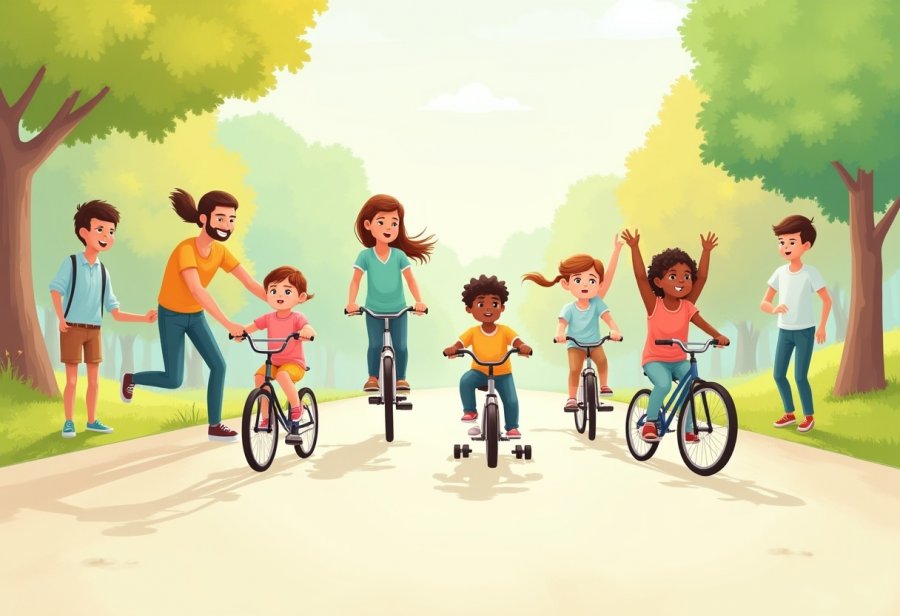
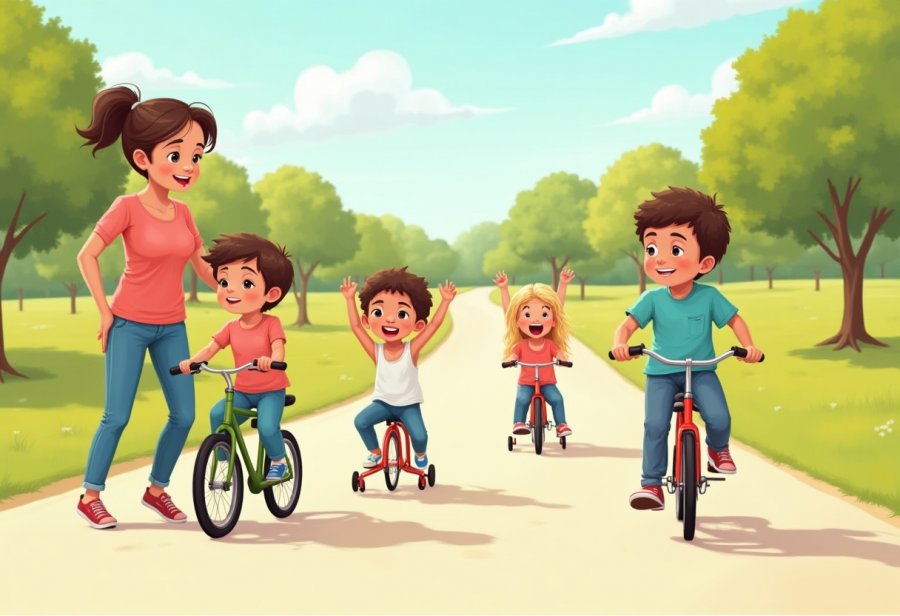
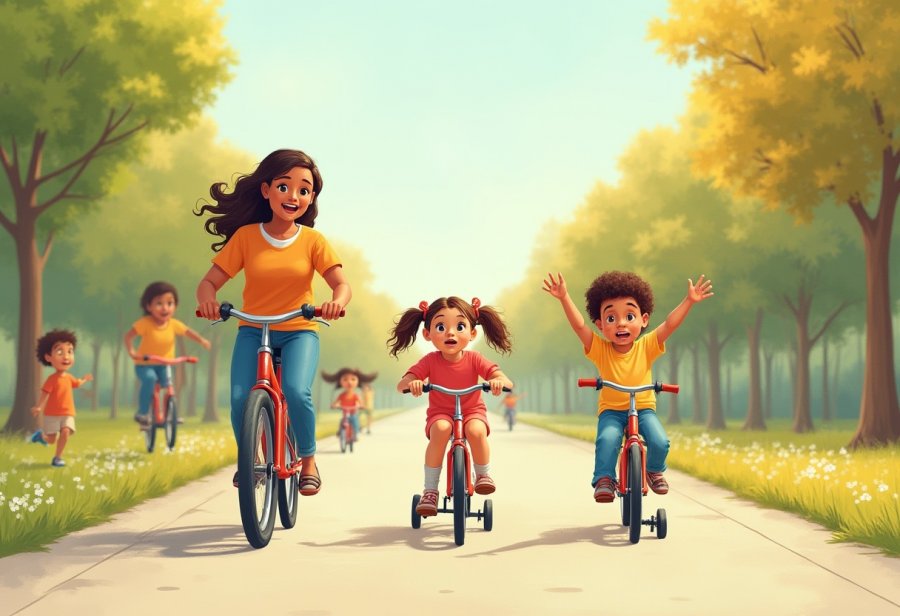
    Learning to ride a bike is a milestone that stays with families long after the wheels stop turning. It’s a moment filled with anticipation, a blend of nervousness and excitement as children take their first shaky pushes on two wheels. This experience isn’t just about mastering balance; it’s about building confidence and independence, shared through laughter and encouragement. Parents often remember those first attempts vividly—how they steadied a small seat, cheered from the sidelines, and celebrated each small victory with pride.

    These early bike rides become more than just a skill; they symbolize trust and support within the family. The process involves patience, gentle guidance, and a willingness to let children learn at their own pace. Whether it’s a quiet street or a park path, these safe spaces foster a sense of adventure while keeping fears at bay. For kids, the journey from wobbling to riding smoothly is a powerful lesson in perseverance and resilience, reinforced by the love and reassurance of loved ones.

    Learning to ride also marks a transition from dependence to independence. As children gain control and confidence, they begin to explore the world around them with a new sense of freedom. The thrill of balancing on their own, feeling the wind in their hair, and moving forward under their own power creates a joy that’s hard to match. These moments of achievement not only boost self-esteem but also teach that effort and persistence lead to real rewards.

    At the heart of this experience is the universal theme of overcoming fears. Many children grapple with the idea of falling or losing control, but with gentle encouragement, they discover that setbacks are part of the process. Each wobble and tumble becomes a stepping stone toward mastery. Parents and caregivers help transform anxiety into curiosity, turning the learning experience into a shared adventure that deepens bonds and creates lasting memories.

    The significance of learning to ride extends beyond childhood milestones. It teaches resilience, patience, and the importance of trying again after a fall. These lessons shape how children approach future challenges, fostering a mindset that values growth and perseverance. It’s a journey that, while sometimes wobbly, ultimately leads to a sense of achievement and the confidence to keep pushing forward.

    Ultimately, teaching a child to ride a bike is about more than just pedals and wheels. It’s about nurturing independence, encouraging courage, and sharing moments of triumph. These experiences build a foundation of trust and resilience that lasts a lifetime, reminding us that sometimes, the greatest growth comes from taking that first uncertain push and finding our balance.

    Mastering Balance, Pedaling, and Steering: The Core Skills to Ride Confidently

    Teaching a child to ride a bike involves mastering several interconnected skills that come together to build confidence and enjoyment. The first essential component is balancing, which forms the foundation for all riding. Kids need to learn how to shift their weight and stay steady on two wheels. Starting with a balance bike or removing the pedals temporarily allows children to focus solely on balancing. This approach helps them develop coordination and trust in their ability to stay upright before progressing to pedaling.

    Once balance feels more natural, introducing pedals is the next step. Pedaling requires practice and patience, as children often wobble or struggle at first. Encouragement and gentle guidance help them push through these initial difficulties, gradually learning to pedal smoothly and maintain momentum. Steering is equally important because it enables children to navigate turns and stay on course. Developing good steering skills early on boosts their sense of control and confidence, making independent riding feel more manageable.

    Safety remains a vital part of the learning process. Teaching children about wearing helmets and protective gear from the start not only keeps them safe but also establishes good habits. When kids see safety as an integral part of riding, they’re more comfortable taking risks and enjoying their practice. Reinforcing the idea that falls are normal and part of learning helps them approach each attempt with a positive attitude, reducing fear and hesitation.

    Introducing these elements gradually makes the learning experience more manageable and fun. Rushing through the stages can lead to frustration or accidents, so allowing children to progress at their own pace is key. Celebrating small victories—like balancing a little longer or pedaling a few extra meters—keeps motivation high and reinforces their belief in their growing skills. Each success, no matter how minor, builds their confidence and fuels their desire to keep going.

    Transitioning from supervised practice to independent riding marks a significant milestone. Many children start with training wheels or balance bikes, which provide stability and reassurance. As they improve, parents often remove training wheels, understanding that wobbling and falls are natural steps along the way. These moments teach resilience and persistence, emphasizing that setbacks are just part of the journey to mastery.

    Family support and patience are crucial throughout this process. Creating a safe, encouraging environment—like parks or quiet streets—allows kids to experiment and learn without unnecessary stress. Gentle guidance, praise, and celebrating progress help children develop resilience and independence. When learning is approached with understanding and care, riding becomes not just a skill but a memorable experience that fosters trust in themselves and their abilities.

    Beyond the Bike: How Riding Fosters Resilience, Independence, and Joy

    Learning to ride a bike goes far beyond simply balancing on two wheels; it’s a powerful lesson in resilience, independence, and pure joy. Every wobble, fall, and restart teaches children that setbacks are part of growth. When they persevere through these challenges, they discover that persistence pays off, building confidence that extends well beyond the bike. This journey shows kids that obstacles can be overcome with patience and effort, fostering a mindset that values resilience and determination.

    Riding independently ignites a sense of freedom that’s hard to match. Feeling the wind in their hair and moving forward under their own power, children begin to trust their abilities. It’s not just about getting from point A to B—it’s about realizing they can explore more, make decisions, and handle challenges on their own. This sense of independence becomes a foundation for tackling new skills and life’s hurdles with confidence and self-reliance.

    The thrill of riding a bike sparks genuine joy. It’s a feeling of liberation, excitement, and accomplishment that stays with children long after the bike is put away. These moments of happiness reinforce a positive attitude toward trying new things, showing that effort can lead to rewarding experiences. As they experience this joy, kids learn that perseverance can turn effort into success, encouraging them to keep pushing their boundaries and embrace adventure.

    Learning to ride also cultivates patience and persistence. Children quickly realize that mastery doesn’t happen overnight but through small, consistent steps. Each wobble or fall becomes a valuable lesson, teaching them that failure is just part of the process. This attitude helps them develop resilience, making it easier to face future challenges with optimism and a proactive mindset. Over time, they come to see setbacks as opportunities to learn and grow.

    These lessons—resilience, independence, joy, and patience—are more than just about riding a bike. They shape how children approach challenges throughout life, instilling a growth mindset and confidence that lasts. The experience of learning to ride teaches that with support and perseverance, even the most intimidating obstacles can be overcome. It’s a journey that not only transforms a child’s relationship with a bike but also prepares them to navigate life’s many adventures with courage and resilience.

    Insights from Experts: Best Practices and Common Pitfalls in Teaching Kids to Ride

    Experts in child development and cycling emphasize that patience and positive reinforcement are crucial when teaching kids to ride. Celebrating small successes—like balancing a little longer or pedaling a few meters without wobbling—can significantly boost a child’s confidence and enthusiasm. Rushing or pressuring children often leads to frustration or fear, so creating a relaxed environment where mistakes are viewed as natural steps fosters a growth mindset. When kids see setbacks as part of learning rather than failures, they develop resilience and a willingness to try again.

    Child psychologists highlight the importance of building confidence through consistent praise and encouragement. They advise parents to avoid criticizing falls or errors, as negative reactions can cause anxiety and hesitation. Instead, focusing on effort and persistence helps children understand that progress is gradual and that persistence pays off. Introducing safety gear early—such as helmets and knee pads—reinforces the idea that safety is a priority, making children more comfortable taking risks and practicing regularly.

    Cycling professionals recommend starting with balance bikes or removing pedals temporarily. This approach allows children to focus solely on mastering balance and steering without feeling overwhelmed. Once they gain confidence in these basic skills, transitioning to pedaling becomes much smoother. Supporting their progress with gentle guidance and celebrating small victories helps turn each wobble or fall into a valuable learning experience, rather than a setback. Patience and a step-by-step approach are key to avoiding frustration and building lasting skills.

    The environment where children learn also matters. Flat, open spaces like parks or quiet streets provide a safe and encouraging setting for practice. These spaces allow kids to experiment freely, gain confidence, and develop control without the fear of traffic or hazards. Consistent practice in such areas, combined with positive feedback, fosters a sense of achievement and enjoyment. When children associate riding with fun and success, they’re more likely to stay motivated and eager to improve.

    Finally, understanding that each child learns at their own pace is essential. Some may pick up balancing quickly, while others need more time and reassurance. Respecting individual differences and offering steady support helps prevent discouragement and promotes perseverance. When setbacks are viewed as part of the process—rather than failures—children develop resilience and a healthy attitude toward challenges. This supportive, patient approach ensures that learning to ride remains a positive, empowering experience that builds confidence and independence for years to come.

    Empowering Future Adventures: Supporting Children in Their Bike-Riding Journey and Growth

    Learning to ride a bike is a milestone that reaches beyond simply mastering two wheels; it’s a foundation for independence, resilience, and joy that lasts a lifetime. When children conquer their fears and find their balance, they learn that persistence and support can turn challenges into achievements. For parents and caregivers, patience, encouragement, and attentive guidance are key. Celebrating every small victory—whether it’s a wobble longer than before or a few meters of steady pedaling—builds confidence and makes the journey rewarding.

    Creating a safe environment for practice makes a significant difference. Short, consistent sessions in parks, quiet streets, or open spaces allow children to focus on their skills without feeling overwhelmed. Providing safety gear from the start, like helmets and knee pads, not only protects them but also reinforces the importance of safety. When kids see safety as part of the process, they’re more relaxed and willing to take risks, which accelerates their learning and enjoyment.

    Encouragement and positive reinforcement are powerful tools. Praising effort rather than perfection helps children develop a growth mindset, making setbacks feel like natural steps forward. Recognizing small improvements—like balancing a little longer or pedaling a few extra meters—boosts motivation and instills a sense of achievement. Sharing these moments with family turns learning into a memorable bonding experience, fostering pride and perseverance.

    Patience remains essential, as every wobble or fall is a valuable part of learning. When children feel supported and understood, they’re more likely to approach each attempt with curiosity rather than fear. Teaching them that mistakes are normal helps develop resilience, which they carry into other areas of life. Overcoming the fear of falling requires reassurance that setbacks are temporary and that persistence leads to success.

    Respecting each child’s unique pace is crucial. Some may master balancing quickly, while others need more time and reassurance. Tailoring encouragement to their individual needs prevents frustration and builds trust. When setbacks are viewed as part of the learning process, children grow resilient and confident, ready to face future challenges with a positive attitude.

    Remember, the skills learned while riding a bike extend well beyond the ride itself. They cultivate patience, determination, and self-trust—values that will serve children throughout their lives. Every push on the pedals and every wobble overcome teaches them that effort and perseverance are worth it, fostering a mindset that embraces growth and adventure.

    Parents play a vital role in nurturing this journey. Your support, gentle guidance, and celebration of progress create a positive learning atmosphere. By maintaining patience and showing confidence in their abilities, you help children develop a resilient mindset that will empower them long after they’ve learned to ride. These shared experiences become lasting memories of growth, trust, and family bonds.

    In the end, learning to ride a bike isn’t just about mastering two wheels; it’s about empowering children to face life’s challenges with courage and optimism. With every fall and every victory, they build resilience, independence, and joy—lessons that will carry them through many adventures ahead. Encouraging them along this path sets the stage for a lifetime of confidence, resilience, and a love for exploration.

  • Embrace a Positive Mindset for Your Ultimate Camping Adventure

    Embrace a Positive Mindset for Your Ultimate Camping Adventure

    Embarking on your first camping trip may seem intimidating, but with the right mindset, it transforms into a rewarding adventure filled with discovery and connection. How can a simple shift in attitude turn outdoor challenges into memorable stories? This guide reveals that approaching camping with positivity, patience, and flexibility unlocks its true magic. From preparing essential gear and choosing beginner-friendly locations, to embracing surprises like weather changes or gear mishaps, each step is designed to boost confidence and enjoyment. The journey emphasizes slowing down to savor nature’s quiet beauty—listening to birds, stargazing, or sharing stories around the campfire—turning minor mishaps into shared laughter. Reflecting on each trip helps you learn and grow, fueling your passion for future outdoor explorations. Isn’t it time you discovered that the outdoors isn’t about perfection but about creating meaningful moments and lasting memories? Your adventure awaits—are you ready to embrace it?

    Transform Camping into a Joyful Escape with the Right Mindset

    Camping isn’t just about sleeping outdoors; it’s an opportunity to step away from screens and daily routines, reconnecting with nature in a simple, meaningful way. Whether you’re trying it for the first time or just starting to explore outdoor adventures, your attitude makes all the difference. Approaching camping with a positive mindset—being open-minded, flexible, and ready for surprises—can turn any trip into a memorable escape. Seeing challenges as part of the adventure rather than obstacles helps keep stress at bay and makes the experience more enjoyable.

    A cheerful outlook and some patience can transform small mishaps—like struggling with a tent or facing unexpected weather—into stories worth sharing. Camping offers a unique chance to pause and truly enjoy the quiet beauty of the outdoors. Waking up to sunrise, breathing fresh air, and listening to nature’s sounds can be grounding and refreshing, helping you disconnect from the chaos of daily life and reconnect with the natural world. These moments of stillness boost your mood and give you a fresh perspective.

    Having the right mindset before heading out is key. When you’re mentally prepared and open to new experiences, you’re more likely to stay relaxed and adaptable, even if plans don’t go perfectly. Viewing surprises—like weather shifts or gear hiccups—as part of the journey helps keep the mood light. This outlook turns potential frustrations into opportunities for spontaneous fun and shared laughter, making the trip more rewarding.

    Many first-timers worry about whether they’re prepared enough or if they’ll enjoy the outdoor experience. These concerns are normal but often stem from myths about camping being complicated or expensive. In reality, camping can be simple and affordable. Starting with beginner-friendly spots and packing just the essentials can boost your confidence and make your first trip less intimidating. With a positive attitude and practical steps, anyone can enjoy the outdoors.

    Approaching camping with curiosity and an open heart shifts your focus from perfection to discovery. Trying new trails, experimenting with campfire recipes, or simply watching the stars deepens your connection to nature. This mindset encourages you to see each trip as a chance to learn, explore, and find joy in the little things. Patience and humor are your best tools for handling unexpected moments, turning minor setbacks into stories that strengthen bonds and create lasting memories.

    Camping is about creating moments of joy, exploration, and connection. When you bring a positive attitude, the outdoors becomes a place of endless possibility. Each trip offers new lessons and memories, reminding you that the real goal isn’t to get everything right but to enjoy the journey. Simple pleasures—like a campfire story or a quiet night under the stars—become the highlights, making every outdoor experience feel special.

    In essence, your mindset shapes your entire camping experience. By approaching each trip with curiosity, patience, and a sense of adventure, you’ll find that outdoor adventures become more than just escapes—they turn into opportunities for growth, connection, and unforgettable memories. The outdoors is waiting, ready to reward your open spirit with moments of wonder and discovery.

    Master the Basics for a Smooth and Confident First Trip

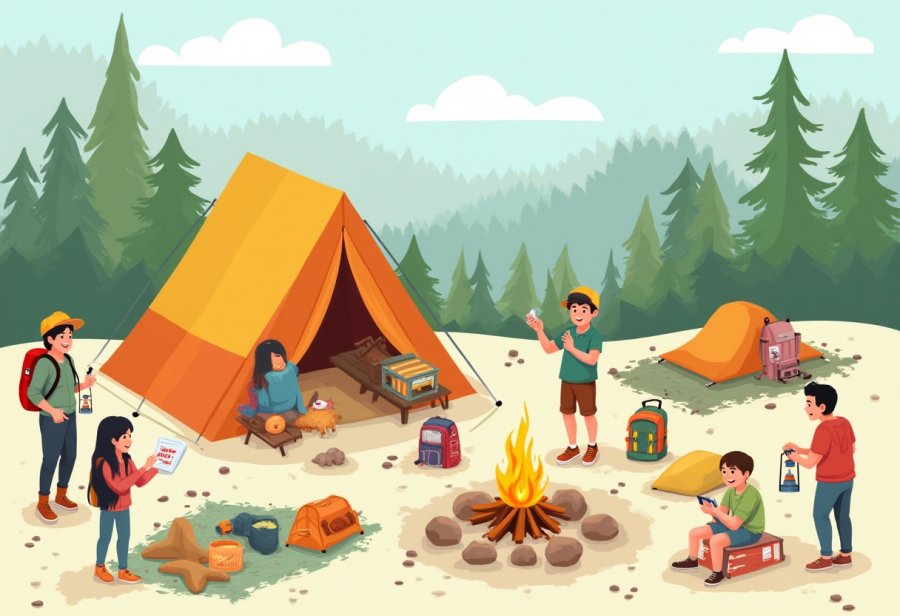
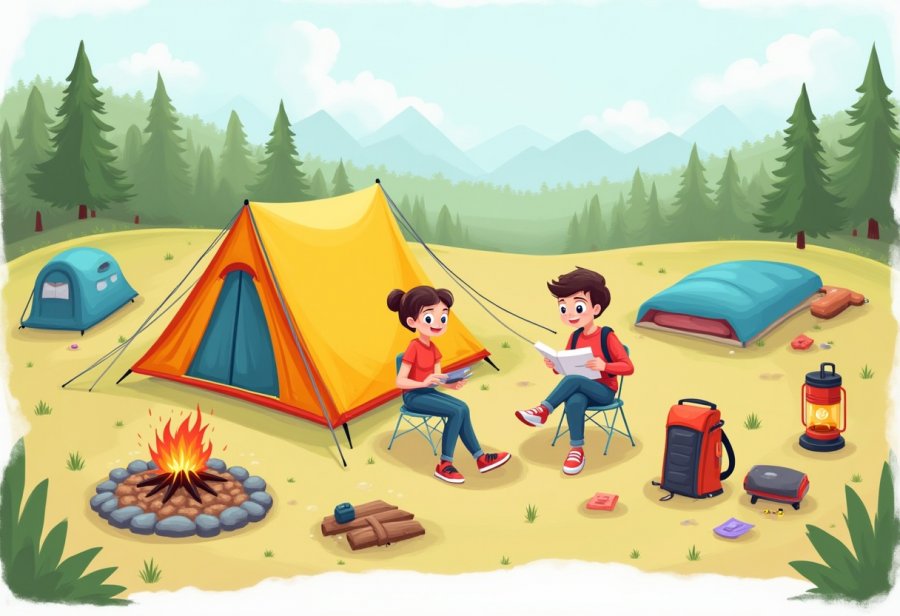
    Getting ready for your first camping trip might seem overwhelming at first, but breaking it down into simple steps makes the process much easier. Start with a basic checklist of essential gear: a sturdy tent, sleeping bags suited for the weather, a reliable stove, and weather-appropriate clothing. Focusing on the essentials helps keep packing straightforward and prevents last-minute stress. Choosing a beginner-friendly campsite is equally important—look for spots that are flat, accessible, and equipped with basic amenities like water and restrooms. These locations make setting up camp easier and allow you to focus on enjoying the outdoors rather than troubleshooting logistics.

    Planning your activities ahead of time can also ease nerves and give you a sense of control. Map out a rough schedule that includes travel, meal times, and some downtime to relax and take in the scenery. Checking the weather forecast before packing ensures you bring the right layers or rain gear, so you’re prepared for changing conditions. Familiarize yourself with safety basics—wildlife awareness, simple first aid, and how to handle unexpected situations—to boost your confidence before you hit the trail. These small steps create a solid foundation, making your trip smoother from start to finish.

    When packing, aim for a practical approach. Bring enough food and water for your trip, plus a little extra in case of delays. Pack clothes in layers—easy to add or remove—and don’t forget essentials like a first aid kit, insect repellent, and a flashlight. These small items can greatly improve your comfort and safety, allowing you to relax and focus on the experience. Organize your gear thoughtfully so you can find things easily and set up quickly once at the campsite. Being prepared reduces hassle and frees up more time for outdoor fun.

    Choosing the right spot to set up your tent can transform your experience. Look for a flat, clear area away from low-hanging branches or rocky patches. Arrive early to give yourself plenty of time to select a good location and pitch your tent without rushing. If possible, practice assembling your tent at home beforehand—familiarity makes the process quicker and less stressful. Once your shelter is up, take a moment to breathe in the fresh air and soak in your surroundings. Feeling comfortable with your setup helps you relax and enjoy the natural beauty around you.

    As you settle in, stay flexible. Weather might shift, or plans may need to change unexpectedly. Embracing these surprises with a positive attitude turns potential frustrations into memorable stories. Focus on simple joys—whether it’s a short walk, exploring nearby trails, or just sitting quietly by the fire. Keeping an open mind allows you to better enjoy each moment and makes the whole experience more rewarding. Remember, the goal isn’t perfection but creating a space for relaxation, discovery, and connection with nature.

    Turn Your First Camping Adventure into a Memorable and Enjoyable Journey

    Creating a memorable camping experience starts with your mindset. Approaching the trip with a relaxed and open attitude helps turn potential setbacks into moments of fun. When you’re not fixated on getting everything perfect, you can better enjoy simple pleasures like watching the sunrise or listening to the rustling trees. Flexibility is key—weather changes, gear mishaps, or delays are all part of the adventure, not obstacles to ruin it.

    Preparation plays a big role in building your confidence and easing nerves. Packing thoughtfully with essentials like warm layers, enough food, and reliable gear creates a calm foundation. Engaging in small activities such as short hikes or collecting interesting finds helps you feel connected without feeling overwhelmed. These little successes boost confidence and set a positive tone for the rest of the trip.

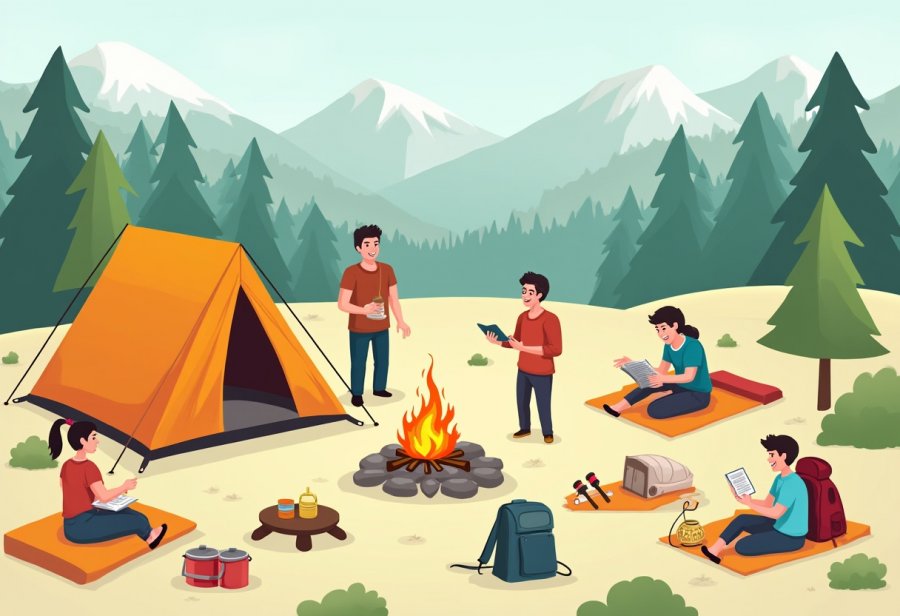
    Focusing on the little joys can turn camping into a truly special experience. Take in the details—how sunlight filters through leaves, the chorus of birds at dawn, or the crackling of the campfire. Sharing stories or singing songs around the fire fosters bonds and creates unforgettable moments. These simple pleasures remind you that camping isn’t about perfection but about connection and discovery, and being present in the outdoors.

    Patience and humor are your best allies when things don’t go as planned. Maybe setting up the tent takes longer than expected or the weather shifts unexpectedly. Instead of stressing, see these moments as part of the story you’ll tell later. Laughing at mishaps turns stressful situations into shared memories, helping everyone relax and enjoy the outdoors even more.

    Sharing the experience with family or friends enhances the fun. Activities like scavenger hunts, storytelling, or stargazing foster a sense of togetherness. For kids, discovering nature through simple activities like birdwatching or leaf collecting makes the trip more engaging. These moments of teamwork and discovery deepen bonds, making the trip more joyful and memorable.

    Remember, it’s okay if everything isn’t perfect. The goal isn’t a flawless trip but to enjoy the process of being outside. Quiet moments—listening to the wind or observing wildlife—can be the most rewarding. Giving yourself permission to slow down and soak it all in helps you truly appreciate the environment and the experience.

    After your trip, take a moment to reflect. Think about what worked well and what you’d do differently next time. Sharing stories and photos keeps the positive memories alive and fuels your enthusiasm for future outdoor adventures. Each trip offers lessons that help you grow more confident, curious, and eager to explore again.

    Put Your Plans into Practice and Embrace the Outdoors with Confidence

    Once your plans are in place, it’s time to put them into action and start enjoying your first camping trip. Arriving early at your chosen site gives you plenty of time to set up your tent without feeling rushed. Take a few deep breaths, soak in the fresh air, and really appreciate your surroundings—it’s these small moments that make camping special. Starting with simple activities like a short walk or exploring nearby trails helps you ease into the outdoor vibe and builds confidence without feeling overwhelmed.

    When you’re at the campsite, follow safety guidelines and respect the environment. Stay hydrated, especially if you’re active, and observe wildlife from a safe distance—never feed animals. Practicing Leave No Trace principles by cleaning up thoroughly and leaving the area just as you found it keeps nature pristine for everyone. Being flexible is key; weather might shift or plans may need adjusting. Embracing these surprises with a positive attitude turns potential frustrations into fun stories and memorable moments.

    Setting up your tent efficiently can give you a confidence boost and save time. Choose a flat, clear spot away from low-hanging branches or rocks, and clear away debris beforehand. If possible, practice pitching your tent at home—familiarity makes the process quicker and less stressful. Once your shelter is up, take a moment to relax and breathe in the peaceful surroundings. This is your time to unwind, so engage in easy outdoor activities like birdwatching, collecting interesting leaves, or simply sitting quietly by the fire.

    As the day unfolds, immerse yourself in activities that match your comfort level. Whether it’s a gentle hike, wading in a stream, or just sitting around the campfire, these moments deepen your connection to nature. Sharing stories, singing songs, or gazing at the stars creates bonds and unforgettable memories. Remember, the goal is to enjoy each moment, even if things don’t go perfectly. Staying present and adaptable turns setbacks into stories you’ll laugh about later.

    When night falls, gather around the campfire to reflect and soak in the starry sky. Share highlights from the day, set intentions for tomorrow, or simply enjoy the quiet beauty of nature. Unexpected weather or gear hiccups are part of the adventure—embrace them with humor and patience. This relaxed approach helps make your first trip not just enjoyable but a solid foundation for future outdoor adventures, leaving you eager to explore more with confidence.

    Reflect, Learn, and Grow from Each Camping Experience for Future Adventures

    Reflecting on your camping trip is a valuable step that helps turn each adventure into a learning experience. When you unpack and look back, consider what went well—whether it was a perfect campfire, a smooth setup, or a favorite moment in nature. Noticing these highlights reinforces what you enjoyed most and gives you confidence for future trips. Conversely, identify areas where things could improve, like packing smarter or exploring different trails, so you can tweak your plans next time.

    Each trip offers lessons beyond just gear or logistics. Maybe you realized a certain activity, like star-gazing or birdwatching, brought extra joy, or that some arrangements, like meal prep or tent placement, could be better. Recognizing these details helps you plan more effectively and feel more prepared. Reflecting also deepens your appreciation for the outdoors, reminding you why you started camping in the first place—peace, discovery, and connection with nature.

    Use these insights to dream about your next adventure. If hiking was a highlight, consider trying new trails or more challenging routes. If relaxing around the fire brought you joy, plan a trip focused on that experience, maybe with a group or family. Each reflection builds your outdoor confidence and fuels curiosity, encouraging you to try new activities or explore new locations. Over time, these lessons help shape your outdoor style, making every trip more enjoyable and personalized.

    Memories of quiet moments—like watching a sunrise, listening to the forest’s sounds, or sharing stories under the stars—become your motivation to keep exploring. These small, meaningful experiences stick with you long after the trip ends, reinforcing the value of spending time outside. They serve as gentle reminders that outdoor adventures are about more than just the destination—they’re about discovering yourself and the world around you.

    Finally, reflecting isn’t just about planning better; it’s about appreciating the journey. Every trip, successful or not, adds to your story and helps you grow more comfortable and excited about outdoor living. By staying curious, open-minded, and mindful of what you’ve learned, each adventure becomes a step toward more meaningful, fun-filled outdoor experiences. Keep looking back, and let those insights inspire your next trip into the wild.