Discover how Alexander the Great’s extraordinary blend of strategic brilliance and relentless ambition transformed him from a young Macedonian prince into one of history’s most legendary conquerors. His early years, shaped by royal duty, military training, and Aristotle’s philosophical guidance, cultivated a leader capable of inspiring loyalty and innovative thinking. His campaigns across Persia, Egypt, and India reveal a masterclass in tactical flexibility, psychological warfare, and cultural integration—foundations that built an empire that endured long after his death. But what truly set him apart was his ability to combine military genius with diplomatic finesse, founding cities and fostering shared identities among diverse peoples. Could modern leadership draw lasting lessons from his resilience, adaptability, and visionary legacy? Alexander’s story challenges us to consider how bold strategy, cultural sensitivity, and unwavering resolve can reshape the world—making him not just a conqueror, but a timeless symbol of transformative leadership.

Alexander the Great: A Leader Born of Ambition and Innovation
Alexander the Great’s story begins not merely with conquest, but with a mind uniquely attuned to leadership and innovation. From his earliest years in Macedonia, he was immersed in a culture that prized martial prowess, strategic thinking, and a sense of destiny. Born in 356 BCE in Pella, the Macedonian capital, Alexander grew up amidst an environment driven by ambition and reform, where the pursuit of power was intertwined with a belief in divine purpose. His father, King Philip II, was a formidable military reformer whose campaigns had already begun transforming Macedonia into a regional powerhouse. It was within this context of relentless expansion and strategic innovation that Alexander’s own ambitions took root.
His upbringing was carefully shaped by a combination of royal duties, military training, and philosophical education. From a young age, Alexander exhibited a talent for leadership, commanding troops in minor campaigns by his mid-teens. These early responsibilities not only honed his tactical skills but also revealed his capacity to inspire loyalty and motivate men—a trait that would become central to his later successes. His personal charisma was complemented by a keen strategic mind, capable of assessing complex situations swiftly and adapting on the fly. These qualities set the stage for a leader who would redefine what was possible on the battlefield.
In addition to practical military training, Alexander’s education under Aristotle played a crucial role in shaping his worldview. The philosopher’s teachings went beyond rhetoric, emphasizing critical inquiry, curiosity, and respect for diverse cultures. Aristotle’s influence introduced Alexander to the idea that empire-building was not merely about subjugation but about fostering cultural exchange and understanding. This intellectual foundation encouraged him to view conquest as an opportunity for integration rather than simple domination—a nuanced perspective that distinguished his approach from many of his contemporaries.
The relationship with his father, King Philip II, was both complex and formative. Philip’s military reforms, notably the development of the Macedonian phalanx, provided Alexander with a tactical blueprint that he would refine and expand. Philip’s diplomatic strategies, including forming alliances and managing a diverse realm, offered lessons in governance that Alexander would carry into his own rule. These formative experiences underscored that military success depended on more than battlefield tactics; they required political acuity, strategic vision, and the ability to unite disparate groups under a common purpose.
Growing up amid Macedonia’s rise, Alexander absorbed the ethos of boldness and expansion. His environment fostered a belief that greatness was attainable for those willing to take risks. The culture of relentless pursuit of glory, combined with the strategic innovations pioneered by his father, imbued him with a sense of destiny. From this fertile ground, he developed a conviction that the world was his to conquer and that the limits of possibility could be pushed further through courage and ingenuity. These early lessons in leadership and ambition would propel him on a path toward transforming the ancient world.
Complementing his royal and military upbringing was Aristotle’s mentorship, which cultivated a worldview rooted in inquiry and respect for local traditions. Alexander’s curiosity about different peoples, their customs, and their sciences laid the groundwork for a style of leadership that prioritized cultural integration. His early displays of ambition, combined with a sophisticated understanding of human nature, painted the picture of a leader capable of inspiring loyalty across diverse populations. These formative experiences created a foundation that would enable him to forge an empire not only through military might but also through diplomacy and shared cultural values.
In sum, Alexander’s early years were a carefully orchestrated blend of environment, education, and mentorship. His upbringing integrated the martial discipline and strategic innovations of his father with the philosophical insights of Aristotle. Responsibility, curiosity, and ambition merged to produce a leader equipped for both battlefield and statecraft. These foundational experiences did not merely prepare him for conquest; they imbued him with a vision of a unified world—an ideal he would pursue with relentless energy. Understanding this early phase reveals how a combination of innate talent and cultivated skills created the leader capable of reshaping history, driven by a profound sense of purpose and a desire to leave an indelible mark on the world.
Foundations of Greatness: Alexander’s Early Life and Influences
Alexander the Great’s early years laid a crucial foundation for a leader whose vision would ultimately reshape the ancient world. Born in 356 BCE in Pella, the Macedonian capital, his upbringing immersed him in a culture that highly valued martial skill, strategic thinking, and royal authority. His father, King Philip II, was not only a formidable statesman but also a military innovator who had already begun transforming Macedonia into a dominant regional power. Growing up amidst this climate of relentless ambition and reform, Alexander absorbed lessons about leadership, discipline, and strategic foresight—lessons that would later define his approach to conquest and governance.
From a young age, Alexander’s development was carefully guided by a combination of royal duties, military training, and philosophical education. His early command experience, leading troops in minor campaigns by his mid-teens, revealed an innate talent for tactical decision-making and leadership. These responsibilities not only sharpened his tactical acumen but also demonstrated his ability to inspire loyalty and motivate his men—traits that would become central to his legendary campaigns. His personal charisma, coupled with a natural aptitude for strategic assessment, set him apart from his peers and laid the groundwork for his future successes on the battlefield.
Education played a pivotal role in shaping Alexander’s worldview. Under the tutelage of Aristotle, he developed a profound appreciation for Greek culture, philosophy, and sciences, broadening his curiosity about the wider world beyond Greece. Aristotle’s teachings emphasized critical inquiry, curiosity, and understanding diverse cultures—an outlook that would influence Alexander’s diplomatic and cultural strategies during his campaigns. This philosophical grounding encouraged him to view empire-building not just as conquest but as an opportunity for cultural exchange and integration, setting him apart from many of his contemporaries who prioritized subjugation.
The relationship with his father, King Philip II, was both complex and formative. Philip’s military reforms, especially the development of the Macedonian phalanx, provided a tactical blueprint that Alexander would refine and adapt. His father’s diplomatic strategies, such as forging alliances and managing a diverse realm, offered lessons in governance that Alexander would carry into his own rule. These early experiences underscored that military success depended not solely on battlefield tactics but also on political acumen and the ability to unite disparate groups under a shared purpose. The mentorship and environment created by Philip’s reforms and policies imbued Alexander with a strategic mindset that combined military innovation with political savvy.
Growing up amid Macedonia’s rise to regional dominance, Alexander absorbed the ethos of boldness and expansion that permeated his environment. The culture of relentless pursuit of glory and the pursuit of greatness fostered a belief that success was attainable for those willing to take risks. The strategic innovations pioneered by his father, combined with Macedonia’s expanding ambitions, infused him with a sense of destiny. This environment cultivated a conviction that the limits of possibility could be pushed further through courage, innovation, and calculated risk-taking. These early lessons in leadership and ambition would propel him toward a path that would ultimately reshape history.
Complementing his royal and military upbringing was Aristotle’s mentorship, which cultivated a worldview rooted in inquiry and respect for local traditions. Alexander’s curiosity about different peoples, their customs, and their sciences laid the groundwork for a leadership style that prioritized cultural understanding and integration. His early displays of ambition, combined with a sophisticated grasp of human nature, painted the picture of a leader capable of inspiring loyalty across diverse populations. These formative experiences created a foundation that would enable him to forge an empire not solely through military might but also through diplomacy, cultural exchange, and shared values—elements essential for maintaining and consolidating his vast holdings.

Master of Warfare: Unraveling Alexander’s Campaigns and Conquests
Alexander’s military campaigns exemplify a masterful application of strategic innovation and tactical flexibility, enabling him to conquer vast territories across Asia Minor, Egypt, Persia, and Central Asia with remarkable efficiency. From the outset, his campaigns reveal a keen understanding that success hinges on adaptability and terrain exploitation. He frequently employed rapid, coordinated maneuvers—blending infantry and cavalry in ways that overwhelmed larger or more entrenched foes. His victories were not merely brute force; they were the result of operational ingenuity, turning seemingly unfavorable situations into decisive triumphs through clever tactics and psychological manipulation.
A defining moment of his tactical brilliance is the Battle of Gaugamela in 331 BCE. Facing Darius III’s massive Persian army, Alexander chose a battlefield that minimized Persian numerical advantage. He executed a daring feigned retreat, luring Darius’s forces into pursuit, then sharply turning his cavalry to strike along the Persian flank. This maneuver exploited gaps in the Persian formation, leading to a rout that shattered Darius’s army and forced the Persian king’s retreat. Gaugamela showcased Alexander’s mastery of battlefield deception, terrain exploitation, and swift deployment—traits that would become hallmarks of his military approach.
Throughout his conquests, Alexander demonstrated exceptional ability to integrate diverse military units and tactics. His use of the Macedonian phalanx, reinforced with lighter troops and mobile cavalry, created a flexible, formidable fighting force capable of adapting to various terrains and opponents. He combined this with cavalry charges directed by his personal daring and strategic vision. His mastery of psychological warfare—using surprise, intimidation, and morale-shattering displays—kept enemies off balance. This approach proved decisive at battles like Issus and Hydaspes, where he outmaneuvered larger armies unfamiliar with his innovative style.
Alexander’s campaigns also reflect meticulous logistics and supply management. His ability to maintain momentum over long distances—across rugged terrains and unfamiliar environments—relied on swift marches, surprise attacks, and careful planning. Scorched-earth tactics and rapid movement kept his armies resilient and motivated, even in hostile territories like Central Asia and India. His personal charisma and willingness to share hardships fostered high morale, ensuring his troops remained committed to the relentless march of conquest. These logistical and leadership qualities combined to sustain his forces amid the challenges of unprecedented expansion.
Beyond battlefield tactics, Alexander’s strategic vision extended to cultural integration. He sought not only territorial conquest but also the unification of diverse peoples under his rule. He founded cities such as Alexandria, strategically placed to serve as centers of commerce and cultural exchange, and adopted some local customs to legitimize his authority. His approach fostered stability and facilitated the blending of Greek and Eastern cultures, laying the groundwork for the Hellenistic world. This blend of military prowess and diplomatic finesse allowed him to consolidate his empire more effectively and ensured that his influence endured long after his death.
Alexander’s relentless pursuit of expansion was driven by a combination of personal ambition and a nuanced understanding of the geopolitical landscape. His campaigns often followed a pattern: rapid, decisive battles, followed by strategic garrisoning and cultural assimilation. His Indian campaign, culminating in the Battle of Hydaspes, exemplifies this approach. Facing unfamiliar terrain, war elephants, and fierce local resistance, he adapted his tactics—using the terrain to his advantage and deploying troops with precision. His ability to overcome logistical hurdles, outthink opponents, and inspire loyalty in his troops exemplified his capacity to turn ambitious visions into tangible realities.
In essence, Alexander’s empire was built on a foundation of innovative tactics, strategic flexibility, and charismatic leadership. His ability to think beyond conventional norms, combined with his talent for inspiring loyalty and fostering cultural exchange, created a legacy that transformed the ancient world. His campaigns demonstrated that victory often depends on understanding the environment, exploiting psychological advantages, and executing complex operations with discipline and daring. This synthesis of tactical brilliance and visionary ambition cemented his reputation as one of history’s greatest military minds—an architect of empire whose influence continues to resonate through the ages.
Timeless Lessons: Leadership Strategies from a Legendary Conqueror
Alexander’s strategic brilliance and relentless ambition offer timeless lessons for today’s leaders across military, political, and organizational spheres. His ability to articulate a compelling vision, combined with personal charisma, underscores that inspiring loyalty is rooted in authenticity and shared purpose. Modern leaders who can communicate a clear, motivating goal and embody it through consistent actions lay the groundwork for trust and collective commitment. Alexander’s example reminds us that leadership is as much about inspiring belief as it is about making decisions—trust and devotion often flourish when leaders share risks and hardships alongside their followers.
His tactical innovations—rapid maneuvering, integrated use of diverse units, and psychological manipulation—highlight the importance of adaptability and creative thinking in complex environments. In an era characterized by rapid change and unpredictable challenges, the capacity to shift strategies swiftly and exploit opportunities remains vital. Alexander’s mastery of terrain, deception, and surprise demonstrates that victory often hinges on thinking beyond conventional norms. Leaders today benefit from adopting this mindset—viewing obstacles as opportunities for innovation and remaining flexible in response to evolving circumstances.
Resilience was at the core of Alexander’s leadership. His relentless pursuit of expansion, despite logistical hurdles and fatigue, exemplifies that perseverance distinguishes effective leaders. His ability to maintain focus, motivate troops, and push through adversity reveals that mental toughness is as crucial as tactical skill. In today’s volatile markets and volatile geopolitical landscapes, resilience becomes a strategic asset. Leaders who emulate Alexander’s steadfastness—holding firm to their vision amid setbacks—can transform difficulties into stepping stones toward long-term success.
The talent Alexander demonstrated in unifying diverse peoples underscores the power of cultural diplomacy and personal influence. His capacity to inspire loyalty across ethnic and social boundaries reveals that sustainable leadership depends on building trust and shared identity. Founding cities like Alexandria and respecting local customs were not mere acts of conquest but deliberate strategies to foster stability and cultural exchange. Modern leaders recognize that inclusive, relationship-driven approaches—embracing diversity and fostering collaboration—are often more enduring than mere dominance. Alexander’s legacy affirms that influence is rooted in genuine connection rather than coercion.
Strategic vision extended beyond mere territorial conquest for Alexander. His emphasis on cultural integration, governance, and legacy demonstrates a sophisticated understanding that lasting empire-building requires more than military might. By founding cities and encouraging local traditions, he laid the groundwork for a vibrant Hellenistic culture that would influence civilizations for centuries. Contemporary leaders can learn from this by prioritizing relationship-building, cultural intelligence, and sustainable strategies that promote long-term cohesion. Success today often depends on shaping institutions and fostering inclusive environments that transcend immediate gains.
Alexander’s meticulous preparation and detailed understanding of his environment foreshadow fundamental principles of strategic management. His discipline in studying terrain, anticipating enemy moves, and executing complex operations with precision exemplify timeless lessons in readiness and foresight. In an age overwhelmed by information, the ability to distill insights and craft adaptable plans remains crucial. Leaders who emulate Alexander’s thorough approach—balancing analysis with decisive action—can navigate uncertainty more effectively, seize opportunities, and maintain agility amid chaos.
The core of Alexander’s legacy is his ability to inspire loyalty through a shared purpose rooted in bold vision and personal example. His charisma and clarity of goal created bonds that transcended cultural boundaries, fostering cohesion in diverse armies and populations. This capacity to motivate through authenticity and shared ideals remains central to effective leadership today. Whether managing a multinational organization or leading a nation, cultivating trust and a collective identity is often the difference between fleeting success and enduring influence.
Finally, Alexander’s combination of strategic innovation with cultural sensitivity underscores that leadership’s true power lies in balancing strength with understanding. His campaigns illustrate that victory depends not solely on brute force but on the ability to think creatively, adapt quickly, and connect with people on a human level. Leaders who embrace this holistic approach—integrating tactical flexibility with empathy and cultural awareness—are best positioned to create lasting impact. Alexander’s legacy reminds us that greatness is achieved not only through conquest but through the capacity to inspire, adapt, and build enduring legacies that shape the course of history.
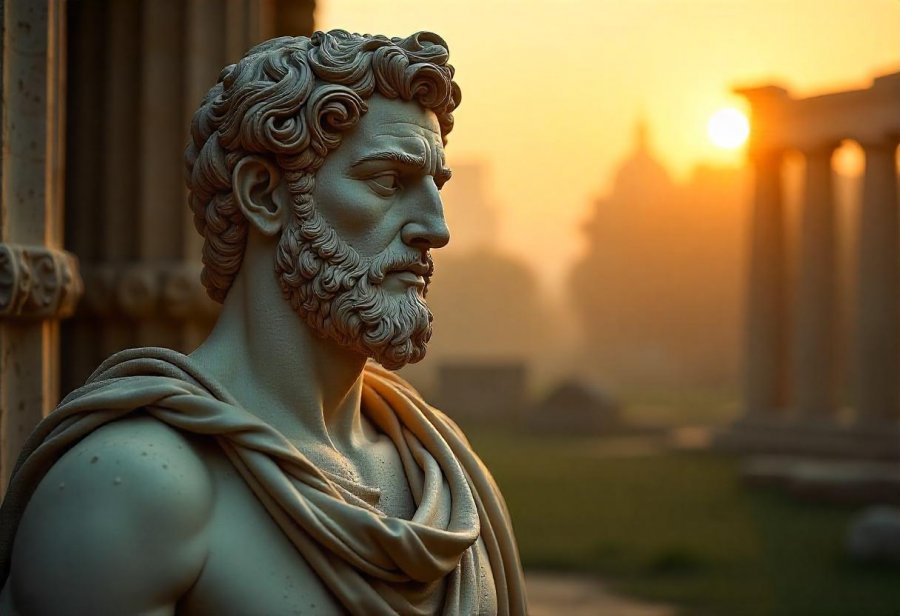
Legacy of a Legend: The Enduring Impact of Alexander’s Vision and Ambition
Alexander’s legacy endures because he exemplifies how strategic innovation combined with unwavering ambition can reshape the course of history. His extraordinary ability to blend military brilliance with cultural sensitivity not only expanded his empire’s reach but also fostered a vibrant exchange of ideas, art, and sciences that continued to influence civilizations long after his time. The lessons embedded in his campaigns—such as the importance of adaptability, psychological warfare, and inspiring loyalty—remain remarkably relevant today, shaping modern military doctrines, political strategies, and leadership philosophies.
At the core of his enduring influence lies his talent for inspiring loyalty across diverse groups. His personal charisma and unwavering clarity of purpose created bonds that transcended ethnic and cultural boundaries. This capacity to motivate through shared ideals and a compelling vision continues to serve as a foundational principle for effective leadership. Whether guiding armies or managing complex organizations, the ability to cultivate trust and collective identity remains central to long-term success. Alexander’s example reminds us that influence rooted in authenticity and shared values can forge bonds that withstand the test of time.
His tactical innovations—rapid maneuvering, integrated use of diverse units, and psychological manipulation—stand as enduring principles in the art of warfare and leadership. In an era driven by rapid change and unpredictable challenges, the capacity to think creatively and respond swiftly is more vital than ever. Alexander’s mastery of terrain, deception, and surprise demonstrates that victory often depends on thinking beyond conventional norms. Leaders today can learn from his example by viewing obstacles as opportunities for innovation and maintaining flexibility in evolving circumstances. His approach underscores that strategic agility is not just a tactical advantage but a necessary trait in navigating complex realities.
Resilience and mental toughness formed the backbone of Alexander’s campaigns. Despite logistical hurdles, fatigue, and setbacks, his relentless pursuit of expansion exemplifies that perseverance distinguishes effective leaders. His ability to maintain focus, motivate his troops, and push through adversity highlights that resilience is as crucial as tactical skill. In today’s volatile environments—be they geopolitical, economic, or organizational—such steadfastness can transform obstacles into stepping stones. Leaders who emulate Alexander’s resilience, balancing vision with tenacity, position themselves to turn difficulties into long-term triumphs.
The talent Alexander demonstrated in unifying diverse peoples through cultural diplomacy and personal influence reveals that sustainable leadership depends on trust and shared purpose. His founding of cities like Alexandria and his respect for local traditions were deliberate strategies to foster stability and cultural exchange. This approach created a sense of shared identity that helped solidify his empire and laid the groundwork for the vibrant Hellenistic culture that would shape subsequent civilizations. Modern leaders recognize that fostering inclusivity, embracing diversity, and building genuine relationships are vital for enduring success, just as Alexander did through his fusion of conquest and cultural integration.
Strategic vision, as Alexander exemplified, involves more than territorial conquest. It extends to shaping institutions, fostering collaboration, and leaving a lasting legacy. His focus on cultural integration and governance—founding cities, respecting local customs, and encouraging intellectual exchange—created a fertile environment for the dissemination of ideas and innovation. Today’s leaders can draw from this by emphasizing relationship-building, cultural intelligence, and sustainable strategies. Success no longer relies solely on immediate gains but on creating frameworks that support long-term stability and prosperity through inclusive and thoughtful leadership.
Finally, Alexander’s meticulous preparation and deep understanding of his environment highlight timeless lessons in strategic management. His discipline in studying terrain, anticipating adversaries’ moves, and executing complex operations with precision exemplifies the importance of readiness and foresight. In an age overwhelmed by information and rapid change, the ability to distill insights into actionable plans remains crucial. Leaders who emulate his thorough, disciplined approach gain resilience and agility—traits essential for navigating uncertainty and seizing opportunities. His life affirms that bold vision paired with disciplined execution can forge legacies that transcend centuries, inspiring generations to pursue greatness with clarity and purpose.
Alexander’s story reminds us that true greatness emerges not solely from conquest, but from the capacity to inspire, adapt, and build enduring legacies. His blend of strategic innovation and human connection created ripples that shaped history and continue to resonate. His legacy teaches that leadership rooted in purpose, resilience, and cultural understanding can transcend immediate ambitions, forging a future that surpasses even the grandest dreams. In doing so, Alexander set a standard for leadership that remains as relevant today as it was over two millennia ago—an enduring testament to the transformative power of vision paired with steadfast action.