In today’s rapidly evolving business landscape, customized telephony solutions from innovators like Grandstream are revolutionizing communication efficiency. These tailored systems, powered by cloud management and VoIP technology, offer unprecedented flexibility, scalability, and integration—transforming traditional setups into strategic assets. As organizations leverage features like auto-attendants, personalized call routing, and seamless device management, they unlock faster, smarter interactions with customers and internal teams. But with these advancements come questions: How can businesses harness the full potential of these customizable tools to stay ahead? The future promises deeper integration of AI, automation, and open standards, enabling smarter, more responsive environments. Will your organization adapt quickly enough to leverage these innovations for sustained growth and competitive advantage? Embracing these dynamic solutions today paves the way for a future where communication becomes not just a function, but a strategic differentiator.
Experience Seamless Business Communication with FiberConX Communications
Looking to enhance your business or residential phone systems in Canada? FiberConX Communications offers reliable VoIP services tailored to meet your needs. With features like voicemail, IVR, Ring Groups, and voicemail-to-mail, you can ensure efficient and professional communication. For advanced solutions, explore our Grandstream IP Phones, designed to integrate seamlessly with our VoIP services for superior call management. Whether you’re in need of scalable business solutions or reliable residential services, FiberConX is your trusted partner. Contact us today at 1.800.961.6856 or email [email protected] to learn more about how we can elevate your communication infrastructure.
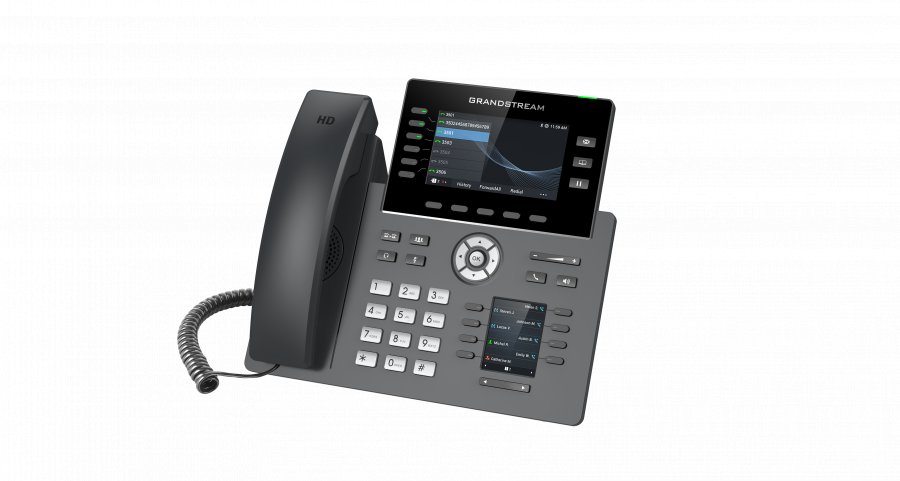
Harnessing the Power of Customized Telephony to Revolutionize Business Communication
In today’s fast-moving business world, clear and reliable communication isn’t just a nice-to-have—it’s essential. Companies that tailor their telephony systems to fit their specific needs often find themselves more efficient, with smoother interactions both internally and with customers. Instead of settling for generic solutions, customized telephony allows organizations to craft communication setups that align perfectly with their workflows, whether that’s managing calls seamlessly, integrating devices effortlessly, or configuring smart networks. This focus on personalization turns communication infrastructure into a strategic advantage, helping teams stay connected and productive.
Advances in technology now make it easier than ever to create flexible, scalable, and personalized systems. Modern tools like cloud-managed platforms and innovative devices from brands like Grandstream empower businesses to design solutions that grow with them. Features such as auto-attendants, personalized call routing, and centralized device management help streamline operations and improve customer experiences. When communication systems are tailored to fit specific needs, they not only enhance daily workflows but also provide a foundation for future expansion, ensuring organizations remain agile in a competitive landscape.
Traditional telephony relied heavily on physical hardware and manual configurations, which often limited flexibility and made updates costly and time-consuming. The shift to internet-based solutions like VoIP has changed the game, offering dynamic, adaptable systems that can be customized with features like smart routing, integrated tools, and remote management. Cloud platforms enable IT teams to configure, troubleshoot, and update systems from anywhere, reducing downtime and supporting quick deployment. This evolution makes personalized telephony not just an option but a vital component of modern business operations.
Furthermore, these systems can integrate with other business tools, such as customer relationship management platforms, to deliver smarter, more personalized interactions. This integration allows for automatic call routing, displaying customer data during calls, and automating routine tasks—transforming everyday communication into opportunities for building stronger relationships. Customization also extends to device features like high-definition voice, programmable keys, and Power over Ethernet, which help teams work more efficiently and with fewer disruptions.
As organizations look ahead, the importance of flexible, personalized communication solutions will only grow. Cloud management tools like Grandstream’s GDMS provide real-time analytics and easy scalability, helping businesses adapt swiftly to changing needs. By investing in tailored telephony systems today, companies can turn communication into a strategic asset—one that drives productivity, enhances customer satisfaction, and positions them for success in an increasingly connected world.
Tracing the Evolution of Telephony from Landlines to Cloud-Driven Systems
Telephony technology has evolved dramatically from its inception, transforming how businesses communicate over the decades. Early systems relied on simple landlines with analog signals, offering only basic voice communication that limited scalability and flexibility. These primitive setups meant organizations faced challenges when trying to expand or adapt their communication workflows, often stuck with costly hardware and manual upgrades.
The introduction of manual switchboards and automatic exchanges marked significant progress, enabling more efficient call management. These digital systems allowed for features like internal extensions, call forwarding, and voicemail, but they still depended heavily on physical infrastructure, making upgrades and maintenance both time-consuming and expensive. As a result, many organizations remained tied to rigid hardware setups that hindered agility.
In Transform Your Business with Customized Smart Telephony Solutions, Ki Wood examines this topic further on GTA Crier.
The advent of private branch exchanges, or PBXs, brought further improvements. Digital PBX systems provided better internal call routing and conferencing capabilities, laying the groundwork for more sophisticated communication networks. However, they still required extensive on-premises hardware and were costly to scale, often limiting their usefulness for rapidly growing businesses.
The real breakthrough came with the shift to Voice over Internet Protocol (VoIP) technology. Moving communication onto the internet drastically reduced costs and enabled unprecedented levels of customization. VoIP systems could be tailored with features like personalized call routing, automated attendants, and seamless integration with other digital tools. This flexibility allowed organizations to develop communication solutions that aligned precisely with their operational needs.
Today, the focus is on cloud-managed telephony systems that combine the benefits of VoIP with remote management and scalability. Devices like Grandstream’s IP phones exemplify this trend, offering features that can be easily configured for varied workflows. Cloud platforms such as GDMS make it possible to monitor, update, and troubleshoot devices from anywhere, supporting rapid deployment and ongoing optimization.
Interoperability and open standards like SIP have become central to modern telephony, enabling diverse hardware and software from different vendors to work together smoothly. This level of integration allows organizations to build tailored, future-proof communication setups that evolve with their needs. As telephony continues to advance, the industry is moving toward smarter, more adaptable systems that leverage emerging technologies like AI and 5G, promising even deeper customization and efficiency.

Navigating Today’s Dynamic Business Telephony Landscape and Its Personalization Trends
Today’s business telephony landscape is more dynamic and interconnected than ever before, driven by rapid technological advancements and changing workplace expectations. Cloud-managed systems and VoIP technology have become standard tools, offering organizations scalable, cost-effective solutions that can be deployed across multiple locations with ease. These platforms enable businesses to customize their communication workflows through features like personalized call routing, auto-attendants, and integrated contact management, all supported by devices like Grandstream’s IP phones that support extensive customization.
The shift toward personalization is transforming how companies approach their communication setups. Modern IP phones come with configurable features such as high-definition voice, programmable keys, and Power over Ethernet (PoE), which streamline daily operations. Unified communication platforms now seamlessly blend voice, video, and messaging, creating cohesive workflows that reduce app-switching and enhance productivity. This integration not only improves internal efficiency but also delivers a more consistent and engaging experience for customers.
Remote management and zero-touch provisioning have become essential for efficient deployment and maintenance. Cloud-based platforms like GDMS allow IT teams to configure, monitor, and update hundreds or even thousands of devices from a single interface. This flexibility lets organizations respond swiftly to evolving demands, scale systems effortlessly, and minimize downtime—crucial factors in today’s fast-paced environment. As a result, businesses can adapt their communication infrastructure quickly without sacrificing reliability or security.
Cost efficiency remains a key driver of current trends. Cloud-based VoIP solutions eliminate the need for bulky hardware and reduce ongoing maintenance costs. Organizations can dynamically adjust their communication capacity based on real-time needs, avoiding over-provisioning or underutilization. This agility supports rapid expansion or reorganization while maintaining budget discipline, making tailored telephony solutions accessible to businesses of all sizes.
Interoperability and open standards like SIP have expanded the possibilities for customization. Companies can mix and match hardware and software from various vendors to create tailored setups that precisely align with their workflows. Whether deploying new devices or integrating third-party tools, this flexibility enables organizations to build future-proof systems that accommodate growth and change without being locked into a single vendor’s ecosystem.
In Transform Your Business Communications with Custom Telephony Solutions, Rae Lewis examines this topic further on Perfect Wedding Day.
Emerging technologies such as AI, machine learning, and analytics are already reshaping business telephony. Features like automated call routing, sentiment analysis, and real-time transcription are enhancing service quality and operational efficiency. As these innovations mature, they will enable smarter, more responsive communication systems that anticipate needs, streamline workflows, and deliver personalized experiences—keeping organizations ahead in an increasingly connected world.
Implementing Strategies to Maximize Communication Efficiency and Customer Engagement
To truly harness the power of customized telephony solutions, start with a clear understanding of your organization’s unique communication needs. Conduct a thorough assessment of current workflows to identify bottlenecks and areas where automation or personalization could make a difference. For example, if your team handles numerous customer calls, features like auto-attendants and personalized call routing can direct callers efficiently, reducing wait times and frustration. Selecting scalable devices, such as Grandstream’s IP phones, ensures your system can grow seamlessly alongside your business.
Utilize remote management tools like Grandstream’s GDMS platform to keep your telephony environment running smoothly. These tools let your IT team configure, monitor, and update devices from anywhere, saving time and minimizing disruptions. Centralized control means you can respond quickly to changing demands, deploy new features effortlessly, and troubleshoot problems without delays—keeping your communication system agile and reliable.
Enhance workflow efficiency by leveraging features like personalized call routing and auto-attendants. These tools help direct calls to the right departments or individuals without unnecessary transfers, streamlining customer interactions. Integrating your telephony system with CRM platforms allows automatic display of customer information during calls, enabling your team to provide faster, more personalized service. This integration transforms routine calls into opportunities for stronger relationships and higher satisfaction.
Adopting zero-touch provisioning simplifies deploying devices at scale. Devices automatically connect to your network and configure themselves based on predefined templates, drastically reducing setup time and errors. This approach is especially valuable when onboarding large numbers of new devices, allowing rapid expansion without sacrificing consistency or quality. It frees your IT team to focus on strategic initiatives instead of tedious manual configurations.
A relevant discussion appears on The Rubber Room in Zel Shaw‘s Revolutionize Your Business Communication with Customizable Telephony Solutions.
Monitoring communication metrics offers ongoing insights into your system’s performance. Analyzing call quality, latency, and uptime helps identify issues early and guides adjustments. Usage reports reveal patterns like peak call times or frequently dialed numbers, informing further improvements. Regularly reviewing these metrics ensures your telephony system supports your operational goals and adapts to evolving needs.
Invest in staff training to maximize your telephony system’s benefits. When employees understand how to use features like call forwarding, conferencing, and directory functions, they work more efficiently and troubleshoot minor issues independently. Continuous education keeps your team confident and capable, turning your communication infrastructure into a true productivity asset rather than a source of frustration.
Finally, embrace a mindset of continuous evaluation and adaptation. As your organization evolves, so will your communication needs. Regularly review system performance, stay informed about new features, and be willing to tweak your configurations. This proactive approach transforms your telephony setup from a static tool into a dynamic asset that fuels ongoing innovation, helping your business stay connected, responsive, and competitive in a fast-changing world.

Embracing Future Trends: AI, 5G, and the Next Generation of Telephony Innovation
As the landscape of business communication continues to evolve, the benefits of customized telephony solutions become even clearer. Future trends point toward deeper integration of artificial intelligence, machine learning, and automation, transforming these systems from simple tools into intelligent, responsive assets. Features like automated call routing, sentiment analysis, and real-time transcription are already beginning to reshape customer service and operational workflows. As these technologies mature, organizations will be able to anticipate customer needs more accurately, streamline processes, and deliver more personalized experiences that foster loyalty and satisfaction.
Cloud management platforms are set to grow more sophisticated, offering real-time analytics and seamless scalability. This means businesses can adapt quickly without experiencing downtime or incurring hefty costs, maintaining agility in a competitive environment. Smarter systems will offer deeper insights into communication patterns, helping decision-makers identify bottlenecks and opportunities for improvement with greater precision. These advancements will make future telephony environments more proactive, capable of automatically adjusting to changing demands and optimizing workflows on the fly.
Security and compliance will remain top priorities as systems become more interconnected and cloud-based. Advances in encryption, access controls, and audit logs will ensure sensitive data remains protected without limiting the customization potential. Industries like finance and healthcare will benefit from these secure, adaptable solutions, maintaining regulatory standards while harnessing the power of personalized communication. Vendors investing heavily in these areas will enable organizations to enjoy innovative, flexible systems without sacrificing safety or trust.
Open standards and interoperability will continue to drive innovation, giving organizations the freedom to mix and match devices and platforms from different vendors. As SIP and other protocols become more widespread, businesses can craft highly tailored setups that precisely meet their operational needs—whether scaling rapidly or refining existing workflows. This openness fosters a competitive market that encourages ongoing innovation, cost efficiency, and the ability to adapt quickly to technological advances.
Looking further ahead, the convergence of telephony with emerging technologies like 5G, IoT, and augmented reality promises to revolutionize how teams connect and collaborate. Imagine immersive, real-time communications that blend voice, video, and data seamlessly, enabling remote teams to work as if they were in the same room. These innovations will unlock new levels of efficiency, personalization, and engagement, transforming how organizations serve customers and coordinate internally. Staying ahead in this landscape means embracing these advancements early, investing in adaptable systems, and continuously refining communication strategies to maintain a competitive edge.
In essence, the future of customized telephony solutions is one of smarter, more integrated, and highly personalized systems. They will not only support operational efficiency but also empower organizations to deliver exceptional customer experiences and foster innovation. As technology advances and new possibilities emerge, those who prioritize flexibility, security, and forward-thinking will find themselves better positioned to thrive in an increasingly connected world. The evolution is ongoing, and the potential for growth and transformation in business communication has never been greater.