What if true leadership isn’t measured by external victories or titles but by the strength of inner discipline? This compelling exploration reveals how rulers like Marcus Aurelius exemplified that genuine power stems from mastering oneself—cultivating patience, resilience, and moral clarity. Amid wars, plagues, and political upheaval, Aurelius’s inner Stoic virtues guided him to govern with dignity and fairness, demonstrating that lasting influence arises from within. The journey to inner discipline involves daily habits—reflection, mindfulness, embracing challenges—that build a resilient core capable of navigating chaos with calmness and purpose. Leaders who prioritize self-control and moral integrity inspire trust and loyalty, creating a foundation that endures beyond superficial successes. Could embracing this inner strength redefine leadership for a turbulent world? Ultimately, this work invites us to consider whether we can build our own empires—within—a testament to the transformative power of mastering one’s inner world.

Inner Strength: The True Foundation of Leadership Power
When we think about strength in leadership, it’s easy to be drawn to outward displays—impressive titles, commanding presence, or bold decisions that make an immediate impression. But real power doesn’t reside solely in what’s visible on the surface. Instead, it’s deeply rooted within, in an inner reserve of discipline, resilience, and clarity. True strength isn’t about domination or external victories; it’s about mastering oneself. Leaders who cultivate this inner discipline develop patience, emotional control, and moral integrity—qualities that endure through chaos and change. This internal foundation allows them to navigate challenges calmly and make thoughtful decisions, even under intense pressure.
Shifting focus from external achievements to inner mastery changes how we view leadership. It’s not about the applause or fleeting successes, but about building a steady core that remains unaffected by setbacks. Marcus Aurelius exemplifies this approach. As emperor during turbulent times—facing wars, plagues, and political strife—he remained committed to practicing Stoic virtues. His writings reveal a man who understood that true power flows from within, from governing the mind and spirit, regardless of external circumstances. This inner resilience gave him the strength to lead with dignity and fairness, even amid chaos, demonstrating that genuine authority begins with self-control.
Developing this kind of strength isn’t an overnight achievement. It begins with a simple but deliberate shift in perspective: prioritizing inner discipline over external validation. When leaders focus on cultivating patience, self-awareness, and emotional regulation, they create a foundation that supports consistent, authentic leadership. These qualities foster trust and loyalty, as others recognize a leader’s ability to stay grounded and clear-headed in difficult moments. In this way, inner strength acts as a quiet but powerful force—one that sustains influence beyond the surface and leaves a lasting legacy.
The journey toward inner discipline involves daily habits like reflection, mindfulness, and honest self-assessment. These practices help leaders recognize their internal triggers, manage impulses, and stay aligned with their core values. Over time, they develop resilience that allows them to respond thoughtfully rather than react impulsively—an essential trait for effective leadership. This internal steadiness not only benefits decision-making but also inspires those around them, creating a culture rooted in trust, patience, and integrity. Ultimately, true leadership begins from within, and its impact reverberates far beyond external displays of power.
When leadership is grounded in inner discipline, it transforms how influence is earned and maintained. External symbols of power—titles, victories, or accolades—may open doors briefly, but they don’t guarantee lasting respect. Inner strength, cultivated through consistency and moral clarity, forms a more durable foundation. Leaders who govern themselves with patience and humility set a standard others aspire to emulate. Their influence isn’t based on superficial achievements but on a steady, resilient character that withstands turbulence and inspires loyalty. In the end, the most enduring leaders are those who master their inner worlds first.
Core Principles of Inner Discipline: Mastery Over Self, Mind, and Impulses
At the core of inner discipline are qualities like self-control, mental resilience, and wisdom—traits that stand in stark contrast to the fleeting desire for external success or dominance. Self-control is about managing impulses and emotions, enabling leaders to respond thoughtfully rather than reacting impulsively in stressful situations. It creates a calm, deliberate approach that fosters trust and stability. Mental resilience acts as a mental armor, helping leaders withstand setbacks and chaos without losing focus or confidence. It’s cultivated through habits like reflection and mindfulness, which strengthen the mind over time and build a sense of steadiness amid adversity.
Resilience is the backbone of inner strength, especially in leadership roles. When faced with failures or surprises, resilient leaders do not crumble; instead, they adapt, learn, and press forward. This capacity to bounce back isn’t accidental—it’s developed through consistent effort, such as embracing challenges as opportunities for growth and practicing self-awareness. Leaders who nurture resilience demonstrate confidence that setbacks are part of progress, inspiring trust in others. Their quiet strength often remains unnoticed but is what sustains influence during turbulent times.
Wisdom, patience, and self-awareness are essential for authentic leadership rooted in inner discipline. Unlike external power or fame, these qualities develop gradually and endure through challenges. Wisdom guides leaders to look beyond immediate gains, considering long-term implications and moral consequences. Patience helps prevent impulsive decisions, allowing leaders to wait for the right moment and act with deliberation. Self-awareness clarifies personal strengths and weaknesses, fostering humility and continuous growth. These traits form a moral compass that helps navigate complex situations with honesty and fairness, earning respect that external achievements can rarely provide.
Mastering desires and impulses is crucial for genuine inner strength. Leaders who learn to regulate their reactions demonstrate a level of self-control that commands respect and trust. Recognizing emotional triggers and biases allows for more deliberate responses, especially in high-pressure moments. Practices like mindfulness and reflection reinforce this discipline, making it easier to stay centered amid chaos. The more leaders cultivate mastery over their internal worlds, the more authentic and steady their influence becomes—highlighting that true power resides in self-governance rather than external validation.
Building inner discipline doesn’t rely on grand gestures but on consistent daily routines. Simple habits like journaling, setting intentions at the start of each day, or practicing deep breathing develop self-awareness and emotional regulation. Over time, these routines become second nature, enabling leaders to respond thoughtfully rather than react impulsively when stakes are high. This ongoing effort creates a resilient inner core that supports calmness, clarity, and moral integrity—qualities that inspire trust and foster a culture of patience and fairness within organizations.
Practicing these habits—reflection, mindfulness, patience, and embracing challenges—gradually strengthens the inner core that underpins effective leadership. This discipline allows leaders to act with authenticity and purpose, regardless of external chaos. The true power of leadership lies in mastering oneself daily, which in turn inspires others to follow suit. When inner discipline becomes ingrained, leadership transforms into a moral act rooted in wisdom and resilience—leaving a lasting impact that transcends superficial achievements and external validation.
Leadership Through Wisdom: Building Authority on Virtue and Moral Clarity
Inner discipline is the foundation of ethical and effective leadership. When leaders cultivate inner strength—built on self-control, wisdom, and moral clarity—they make decisions rooted in integrity, even under intense pressure. This internal compass ensures their actions remain consistent and principled, preventing impulsive reactions driven by ego or fleeting emotions. By governing themselves first, they set a moral standard that fosters trust and respect among followers. Their leadership is defined not by external victories but by a steadfast commitment to virtue and moral consistency.
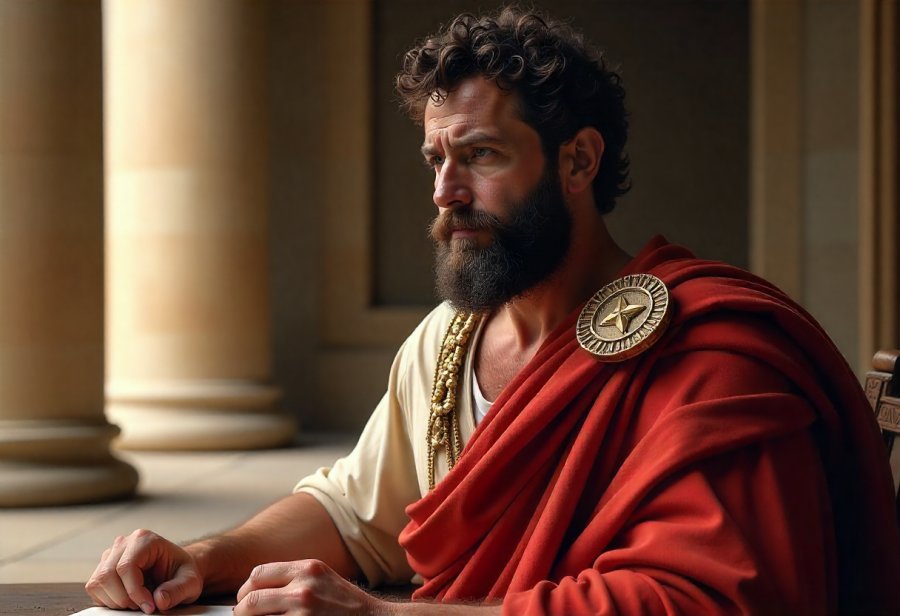
Historical figures like Marcus Aurelius exemplify how inner discipline elevates moral authority. Guided by Stoic principles, he balanced the demands of empire with humility and self-awareness. His writings reveal a leader who constantly pursued self-improvement, aligning his actions with virtue rather than personal gain. Such inner strength allowed him to lead with fairness and dignity, demonstrating that true influence stems from moral integrity. Leaders who develop this internal discipline inspire confidence because their decisions are anchored in a genuine commitment to what is right.
External symbols of power—military triumphs and territorial gains—may garner fleeting attention, but they seldom secure lasting loyalty. Inner discipline shifts focus inward, emphasizing character as the core of influence. Leaders who govern themselves with patience and clarity create a stable foundation that others can trust. Their consistency under pressure and unwavering adherence to virtue build a reputation that endures beyond external accomplishments. This moral steadiness encourages others to follow not because of fear or reward, but because of authentic respect.
Maintaining inner discipline in high-stakes situations requires deliberate effort. It involves resisting shortcuts and staying true to core values amid chaos. Actions driven by moral clarity and patience may appear as weakness to some, yet it is this quiet strength that sustains influence over time. Leaders who remain committed to their principles foster environments of trust and fairness, even when external pressures threaten to sway them. Their steadiness becomes a beacon, guiding others through turbulent times.
Practicing inner discipline daily reinforces its role as a moral backbone. Small routines like reflection, honest self-assessment, and moral review keep leaders aligned with their values. These habits cultivate humility and patience, essential qualities for authentic leadership. Over time, they develop a moral resilience that helps leaders navigate complex situations with honesty and fairness. This inner steadiness not only guides their decisions but also models integrity for those around them.
The impact of inner discipline extends beyond individual decisions. It shapes organizational culture, fostering an environment where accountability and moral behavior are prioritized. Leaders who exemplify patience and self-control inspire their teams to develop similar qualities, creating a ripple effect of integrity and trust. This internal focus transforms leadership into a moral act—one rooted in wisdom, resilience, and genuine influence—long after external accolades fade.
The journey toward cultivating inner discipline is ongoing. It demands daily commitment—reflection, mindfulness, patience, and embracing challenges as opportunities for growth. These practices strengthen the moral backbone that guides authentic leadership. When inner strength becomes second nature, leaders act with purpose and consistency, regardless of external circumstances. Their influence becomes a lasting legacy, built not on superficial displays but on a foundation of moral clarity and inner resilience.
Applying Inner Discipline in Daily Leadership: Habits for Resilience and Integrity
Practicing inner discipline in daily leadership begins with simple, intentional habits that build a resilient foundation. Starting each day with a moment of reflection helps clarify your intentions and reconnects you with your core values. This small act sets a calm, focused tone, making it easier to stay centered amid inevitable stresses. Throughout the day, pausing before reacting to challenging situations allows for thoughtful responses instead of impulsive reactions. Over time, these moments of mindfulness become second nature, helping you maintain clarity and composure even when pressure mounts.
Journaling at the end of each day reinforces self-awareness and honesty. Writing about your decisions and experiences reveals patterns—both strengths to nurture and areas for growth. This honest self-assessment cultivates humility and patience, essential for inner discipline. Recognizing your emotional triggers and biases enables more deliberate responses, especially in high-stakes moments. Consistently engaging in this practice gradually strengthens resilience and moral clarity, guiding your leadership with integrity.
Simple routines like deep breathing exercises or brief meditation during hectic moments can reset your mental state and foster calmness. These practices develop your capacity to respond thoughtfully rather than react emotionally, which is crucial when stakes are high. Leaders who remain calm and collected under pressure set a tone that encourages trust and stability within their teams. When others observe this steady demeanor, it reinforces a culture of patience and clarity that benefits everyone.
Beyond personal routines, embodying inner discipline influences the broader environment. Leaders who demonstrate patience, self-control, and moral integrity inspire their teams to develop similar qualities. Their example fosters a culture rooted in accountability and fairness, creating a ripple effect that strengthens organizational resilience. Prioritizing inner mastery helps cultivate trust and respect, making the organization more adaptable and cohesive in the face of challenges.
Embracing setbacks and challenges as opportunities for growth is also vital. Instead of reacting defensively, resilient leaders reflect on lessons learned and adjust their approach. This mindset shifts focus from avoiding mistakes to viewing them as stepping stones, reinforcing mental toughness. Over time, this resilience becomes an automatic response—empowering you to navigate uncertainty with confidence and authenticity. Such perseverance not only accelerates personal development but also models strength that others will want to emulate.
Daily commitment to reflection, mindfulness, patience, and embracing challenges creates a resilient inner core that underpins effective leadership. This inner strength allows you to lead with authenticity and purpose, no matter the external chaos. Mastering yourself through consistent discipline transforms leadership into a moral act rooted in wisdom and resilience, inspiring others and leaving a lasting impact.

Conclusion: The Power Within—Cultivating Lasting Leadership Through Inner Discipline
Inner discipline is the true foundation of authentic leadership. While external achievements and displays of power might capture immediate attention, they often fade or remain superficial. The real strength lies within—an unwavering ability to govern oneself with wisdom, patience, and resilience. Leaders who focus on cultivating their inner character create a lasting influence that endures beyond fleeting victories. Their moral authority and steady presence inspire trust and loyalty, qualities that stand the test of time and chaos alike.
History offers countless examples, but Marcus Aurelius remains a guiding light. His life exemplifies how inner mastery—grounded in self-control and moral clarity—can elevate a leader above the tumult of external circumstances. Governed by Stoic principles, he balanced the demands of empire with humility and philosophical insight. His writings reveal a man committed to continuous self-improvement, demonstrating that genuine influence stems from inner strength rather than conquest or titles. This inner resilience gave him the dignity to lead with fairness and dignity even amid chaos.
Modern research supports this timeless truth: leaders who develop inner resilience and moral clarity tend to make better decisions, maintain consistency, and foster genuine trust. Their calm presence and clear sense of purpose act as anchors during turbulent times. They navigate crises with confidence, guided by their internal compass rather than external validation. By mastering themselves first, they create a stable foundation that sustains their influence long after external accolades are forgotten. This internal power becomes a quiet but powerful force shaping lasting impact.
The path to inner discipline is ongoing, demanding daily effort—reflection, honest self-assessment, patience, and embracing challenges as growth opportunities. These habits reinforce the moral backbone that guides leadership with integrity. When inner strength becomes second nature, decisions are rooted in authenticity and purpose, regardless of external chaos. Leaders who cultivate this inner discipline not only inspire trust but also set a standard others aspire to emulate, creating a ripple effect of resilience and virtue.
In the end, leadership rooted in inner discipline transforms how influence is earned and maintained. It’s not superficial displays or external victories that define true strength, but a steady, resilient character built through consistent effort. This inner power nurtures trust, cultivates loyalty, and sustains influence through the storms of change. True leadership is a moral act—an ongoing journey of self-mastery that leaves an enduring legacy, proving that the greatest empire a leader can build is within.