Is Cleopatra’s enduring legacy rooted in her legendary beauty or her formidable intellect? While popular tales often emphasize glamour and romantic alliances, this portrayal reveals a different truth: Cleopatra was a masterful strategist, diplomat, and scholar whose true power lay in her sharp mind and cultural savvy. Fluent in multiple languages and well-versed in philosophy, sciences, and rhetoric, she skillfully navigated Egypt’s turbulent political landscape, forging strategic alliances with Rome’s top leaders not by chance but through calculated diplomacy. Her mastery of religious symbolism, cultural diplomacy, and timely negotiations enabled her to maintain her throne amidst external threats and internal rivalries. This compelling portrait challenges outdated stereotypes, emphasizing that leadership rooted in resilience, education, and strategic insight can leave a legacy far more lasting than superficial glamour. Could her story inspire us to reconsider what true power and influence truly mean? Her life exemplifies how intelligence and resilience shape enduring leadership.
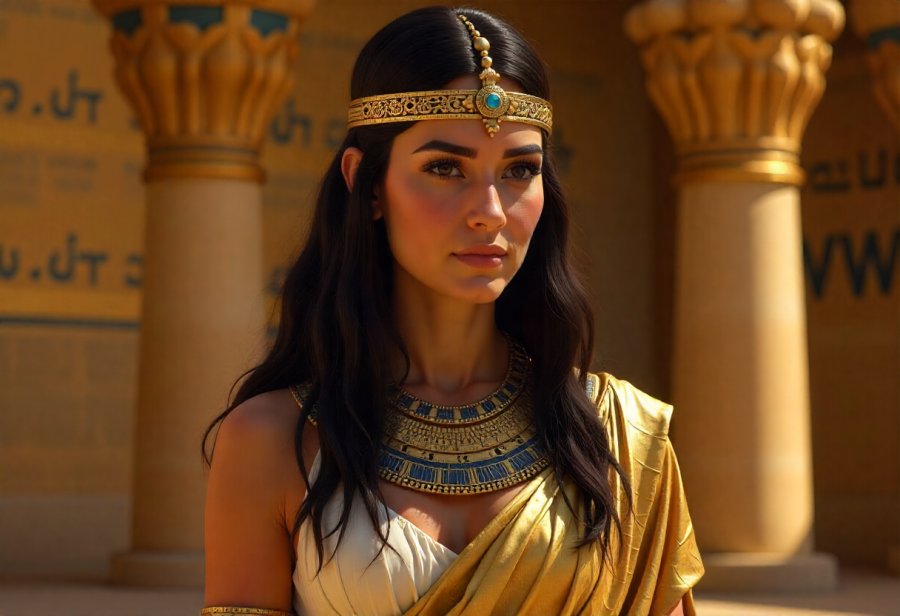
Unveiling Cleopatra: Beyond Beauty to Strategic Mastermind
Cleopatra VII is often remembered through stories that highlight her beauty and her dramatic alliances, but her true significance goes far beyond those surface tales. She was a highly intelligent and strategic ruler, a woman who used her sharp mind to steer Egypt through one of its most turbulent eras. As the last pharaoh of Egypt, her leadership was characterized by a keen understanding of power, diplomacy, and cultural influence that helped her maintain her throne amid external threats and internal rivalries.
Many of the popular images of Cleopatra come from movies and myths that emphasize her glamour and charm. However, beneath that glamorous surface was a ruler who was also a scholar, a diplomat, and a master strategist. She was fluent in multiple languages and well-versed in philosophy, rhetoric, and sciences—all skills that expanded her influence and helped her navigate complex political landscapes. Her ability to forge alliances with powerful Roman figures like Julius Caesar and Mark Antony was rooted in negotiation and mutual benefit, not just charisma.
Her reign occurred during a time when Egypt faced serious challenges. The once-mighty kingdom was struggling to preserve its independence as Rome’s influence spread across the Mediterranean. Cleopatra inherited a fragile political environment, filled with factions vying for control and external pressures threatening her sovereignty. Her survival depended on her diplomatic skill and her capacity to adapt swiftly to changing circumstances, balancing tradition with innovation to keep Egypt afloat.
What makes Cleopatra’s legacy so compelling is her mastery of statecraft. She understood that influence in the ancient world was as much about perception as raw power. She used religious symbolism, cultural patronage, and political alliances to reinforce her legitimacy and authority. Her education and intellectual pursuits weren’t just personal interests—they were tools she wielded to craft a resilient and effective leadership style that kept her in power. Her story reminds us that leadership isn’t just about appearance but about strategic mastery and resilience.
Roots of Power: The Turbulent Origins and Political Landscape of Egypt
Cleopatra VII’s rise to power unfolded against a backdrop of political instability and shifting alliances that defined ancient Egypt’s turbulent history. Her dynasty, the Ptolemies, was Macedonian Greek in origin, established after Alexander the Great’s conquest of Egypt. When her father, Ptolemy XII, died, Egypt was already fragile, torn between internal factions vying for control and external pressures from expanding empires. Cleopatra inherited a kingdom struggling to maintain its independence as Rome’s influence in the Mediterranean grew stronger.
Egypt at this time was a unique blend of Greek traditions and ancient Egyptian culture. The Ptolemaic rulers maintained Greek-style governance while also claiming divine status rooted in Egyptian kingship. Cleopatra, of Macedonian Greek descent, was immersed in Greek philosophy, rhetoric, and sciences from a young age. Her broad education set her apart from many of her peers, giving her the tools to navigate complex political waters with confidence and clarity. She was fluent in multiple languages, which enabled her to communicate directly with diverse leaders and audiences, a skill that became crucial in her diplomatic efforts.
Her path to the throne was far from straightforward. She initially co-ruled with her younger brother Ptolemy XIII, a common practice meant to secure dynastic stability. However, internal rivalries and court intrigue quickly destabilized their relationship. Cleopatra’s political acumen and strategic maneuvering allowed her to outwit her brother and establish herself as the sole ruler of Egypt. Her ability to read the shifting power dynamics within her court and adapt her approach was vital for her survival amid constant internal threats.
Egypt’s geographic position made it a prize for larger powers, especially Rome. As Roman dominance expanded, Cleopatra recognized that her survival depended on shrewd diplomacy. She sought alliances with Rome’s rising leaders, carefully balancing her own authority with external pressures. Her diplomatic skill lay in leveraging Egypt’s cultural and religious traditions to legitimize her rule while simultaneously adopting Roman political tactics when necessary. This flexible strategy helped her maintain control and influence in a rapidly changing landscape.
Throughout her reign, Cleopatra demonstrated remarkable adaptability by blending Egyptian divine symbolism with Greek and Roman political realities. She used religious festivals, iconography, and her role as a divine monarch to reinforce her legitimacy, while also engaging in realpolitik, forging alliances that served her long-term interests. Her mastery of cultural diplomacy and strategic negotiation enabled her to navigate hostile external forces and internal dissent, laying the foundation for her enduring legacy as a ruler who combined tradition with innovation.
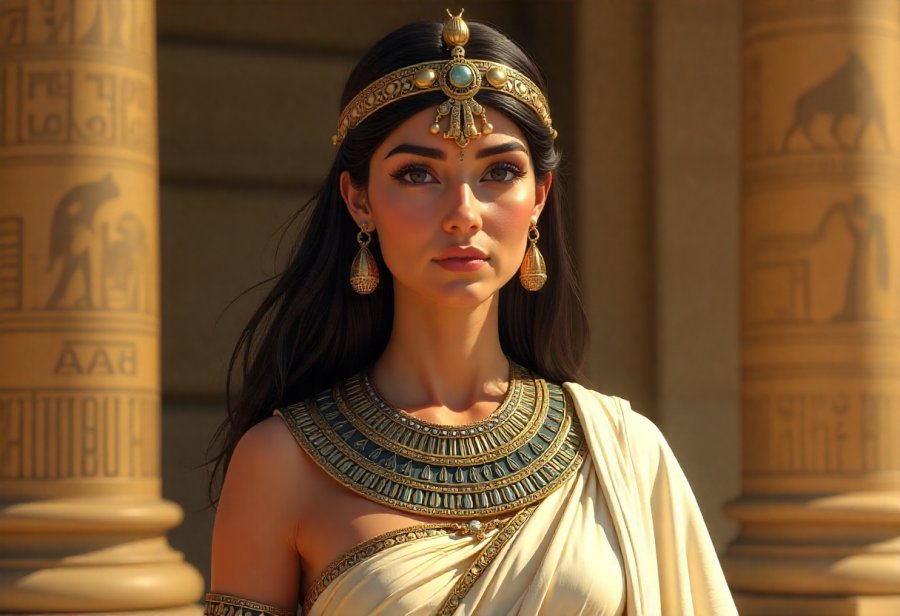
Mastering Diplomacy and Strategy: Cleopatra’s Art of Influence and Leadership
Cleopatra’s mastery of diplomacy and statecraft was the cornerstone of her ability to sustain Egypt’s independence amid relentless external pressures. She was a shrewd negotiator, relying on a deep understanding of her opponents’ motives and the right timing to strike, rather than just charm or superficial appeal. Her alliances with Julius Caesar and Mark Antony exemplify this strategic approach—partnerships carefully crafted to serve mutual interests, rooted in political calculation and cultural diplomacy.
Her education played a pivotal role in shaping her political acumen. Fluent in Egyptian, Greek, and Latin, Cleopatra could communicate directly with diverse leaders, avoiding misunderstandings or misinterpretations that often hampered diplomatic efforts. Her knowledge extended beyond rhetoric into philosophy, sciences, and mathematics, giving her a broad intellectual toolkit. This scholarly background allowed her to craft nuanced negotiations, anticipate rivals’ moves, and respond swiftly to shifting circumstances.
Balancing traditional Egyptian divine kingship with the influences of Hellenistic and Roman culture, Cleopatra understood the power of religious symbolism. She used festivals, iconography, and her role as a living goddess to legitimize her authority and foster loyalty. At the same time, she was flexible enough to adopt Roman political tactics, recognizing that influence depended as much on perception as on military strength. This ability to blend tradition with innovation kept her leadership resilient and adaptable.
Forming alliances was never just about immediate gains. Cleopatra saw them as strategic investments—partnerships that could secure her long-term position. Her relationships with Caesar and Antony weren’t based solely on personal attraction but on mutual benefit, cultural respect, and political advantage. Her skill in reading political currents and adjusting her approach made her a formidable strategist, turning potential threats into opportunities for consolidation.
Her leadership style was characterized by a deep understanding that influence is rooted in perception and cultural nuance. Cleopatra mastered the art of turning symbols of authority—religious festivals, iconography—into tools that reinforced her legitimacy across diverse audiences. Her ability to project power through cultural diplomacy helped her maintain her influence even when faced with external threats.
Throughout her reign, Cleopatra demonstrated that true leadership involves more than surface-level charisma. It requires sharp strategic thinking, cultural sensitivity, and the ability to adapt quickly. She understood that influence hinges on timing, insight, and the capacity to leverage complex social and political landscapes—traits that distinguished her from many of her contemporaries.
Her strategic mastery was not just about survival but about crafting a legacy rooted in resilience and intelligence. Cleopatra’s ability to read her environment, forge beneficial alliances, and manipulate perceptions enabled her to hold Egypt’s throne amid chaos. Her legacy as a tactician and diplomat endures, inspiring generations to view leadership as a blend of wisdom, cultural insight, and strategic foresight.
The Power of the Mind: How Cleopatra’s Intelligence Shaped Her Enduring Reign
Cleopatra’s intelligence has left an indelible mark on how she is remembered, shaping her reputation as a ruler whose true strength lay in her sharp mind and strategic insight. Her ability to navigate Egypt’s turbulent political landscape and forge vital alliances with figures like Julius Caesar and Mark Antony was rooted in a deep understanding of diplomacy, timing, and influence. This mental acuity not only helped her preserve Egypt’s independence but also ensured her legacy endured long after her reign.
Her reputation as an educated leader goes beyond mere historical curiosity. Fluent in Egyptian, Greek, and Latin, Cleopatra communicated directly with diverse leaders, breaking down barriers and fostering trust. Her broad scholarly pursuits—covering philosophy, rhetoric, sciences, and mathematics—were more than personal interests; they were vital tools in her political arsenal. This extensive knowledge allowed her to craft nuanced negotiations, anticipate rivals’ moves, and adapt swiftly to changing circumstances.
Cultural and religious symbolism played a key role in reinforcing her authority. Cleopatra understood the power of divine kingship, often using festivals, iconography, and her role as a living goddess to legitimize her rule and inspire loyalty. Her mastery in blending these spiritual elements with practical politics created a unifying image that commanded respect across different audiences. She knew that perception and influence could be as potent as military force, and she harnessed this to maintain her power.
Her alliances with Rome’s top leaders weren’t just strategic—they reflected her ability to read political currents with precision. Cleopatra saw partnerships as long-term investments, carefully negotiating terms that served her interests. Her relationships with Caesar and Antony were built on mutual benefit, cultural respect, and political acumen. This skill in turning potential threats into opportunities kept her influence strong, even amid shifting empires.
Over time, the narrative surrounding Cleopatra shifted from focus on her beauty to an appreciation of her intellect and strategic mastery. Modern scholarship recognizes her as a leader who used education, diplomacy, and cultural awareness to shape her destiny. Her story challenges outdated stereotypes, emphasizing that genuine influence depends on resilience, knowledge, and the ability to think deeply—traits that continue to inspire ideas of leadership today.
Her legacy extends beyond her lifetime, serving as a testament to the idea that lasting power is rooted in the strength of the mind. Cleopatra understood that leadership based on wisdom, cultural insight, and strategic thinking could transcend superficial appearances and fleeting fame. Her resilience and adaptability made her a formidable figure whose impact remains relevant centuries later.
In the end, Cleopatra’s story reminds us that influence built on intelligence and resilience outlives superficial glamour. Her mastery in navigating complex realities through knowledge and diplomacy transformed her into a ruler whose impact endures. She exemplifies how true authority stems from inner strength, courage, and strategic vision—lessons that resonate as powerfully now as they did in ancient Egypt.
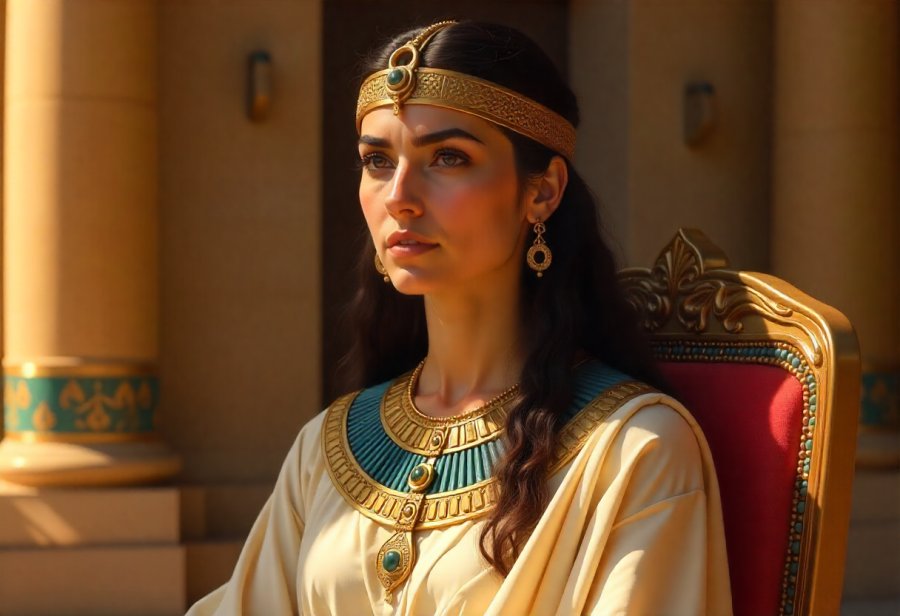
Legacy of Wisdom: How Cleopatra’s Intelligence Continues to Inspire Power and Resilience
Cleopatra’s legacy endures because her greatest strength lay in her mind—her strategic intelligence, cultural savvy, and resilience. While stories often highlight her beauty and romantic alliances, her true influence was rooted in her ability to navigate complex political landscapes with sharp insight and deft diplomacy. Her alliances with Julius Caesar and Mark Antony weren’t mere acts of charm; they were carefully crafted partnerships built on mutual benefit, timing, and cultural understanding that helped preserve Egypt’s independence amid an expanding empire.
Her reputation as an educated leader surpasses superficial admiration. Fluent in Egyptian, Greek, and Latin, Cleopatra engaged directly with diverse leaders, breaking down barriers that often hinder diplomatic efforts. Her scholarly pursuits in philosophy, rhetoric, sciences, and mathematics weren’t just personal interests—they were vital tools that empowered her to craft nuanced negotiations, anticipate rivals’ moves, and adapt swiftly to shifting circumstances. This intellectual depth gave her an edge that went far beyond appearances.
Cultural and religious symbolism played a crucial role in reinforcing her authority. Cleopatra’s mastery of divine kingship, expressed through festivals, iconography, and her role as a living goddess, helped legitimize her rule and foster loyalty across different audiences. She understood the power of perception—using cultural diplomacy as a strategic weapon to maintain influence even when external threats loomed large. Her ability to project authority through symbols and tradition kept her in power, demonstrating that influence often depends more on perception than brute force.
Her ability to read political currents and forge long-term alliances was a testament to her sharp mind. Cleopatra viewed relationships with Rome’s top leaders not as fleeting affairs but as strategic investments. Negotiating terms that served her interests, she turned potential threats into opportunities, demonstrating resilience and adaptability that kept her at the heart of power. Her leadership was a masterclass in aligning culture, diplomacy, and timing to sustain influence through turbulent times.
In the end, Cleopatra’s story challenges us to see leadership as rooted in resilience, knowledge, and strategic insight. Her impact reminds us that lasting influence is built from within—through wisdom, cultural awareness, and the courage to lead with purpose. Her legacy proves that true authority isn’t about superficial glamour but about the strength of the mind. Cleopatra’s example endures as a powerful testament to the idea that intelligence and resilience outshine fleeting appearances, leaving a mark that continues to inspire.