Learning to drive is often viewed as a milestone of independence, yet beneath the surface, it reveals a complex emotional landscape. Many teens grapple with nerves, self-doubt, and anxiety long after passing their tests, revealing a disconnect between outward progress and internal confidence. This internal struggle, rooted in fears of losing control or making mistakes, can deepen even as external skills improve, transforming a rite of passage into an emotional rollercoaster. Supportive strategies—like gradual exposure, visualization, and empathetic encouragement—are vital to transforming nerves into resilience. But do these efforts truly ease internal fears, or do they merely mask deeper uncertainties? Recognizing that internal doubts are a normal part of growth empowers teens and their supporters to foster genuine confidence that extends beyond the driver’s seat. Ultimately, understanding these hidden struggles can turn a daunting journey into a powerful step toward emotional maturity and lifelong self-trust.

The Emotional Roadmap: Navigating Teens’ Inner Drive to Independence
Learning to drive is often seen as a major milestone in a teenager’s journey toward independence—a symbol of growing up and taking on new responsibilities. But beneath the excitement and freedom, there’s a more complex emotional story unfolding. Many teens experience a whirlwind of feelings—nerves, self-doubt, even fear—that they don’t always share openly. Sitting behind the wheel can become more than just a technical task; it’s a vulnerable space where internal worries bubble up, often hidden from outside observation.
This emotional journey is about more than mastering controls or passing tests. The driver’s seat becomes a place of self-discovery, where every new challenge—like merging onto a busy highway or parallel parking in tight spaces—can trigger anxiety and second-guessing. Even teens who appear confident may be grappling with inner doubts, making the process far more emotionally charged than it initially seems. The road to independence often involves navigating these unseen struggles, which can feel overwhelming, especially when paired with societal expectations about maturity and skill.
Many teens find that their internal feelings don’t always match their outward progress. They might pass their driving test and gain confidence in familiar routes, yet still wrestle with fears of losing control or making mistakes in unfamiliar settings. This disconnect can lead to a cycle where outward achievement masks ongoing doubts, causing internal struggles to persist or even deepen over time. As they gain more independence, these hidden fears can grow stronger, making new driving situations seem even more intimidating.
Understanding this emotional landscape is crucial. It’s normal for teens to feel nervous or uncertain—these are part of the learning curve. Recognizing that internal doubts are common allows parents, instructors, and teens themselves to approach driving with patience and empathy. Instead of viewing nerves as a sign of weakness, they can see them as a natural step in growth. Supporting teens through this process helps transform their nerves into confidence, making the journey toward independence a more positive and resilient experience.
Facing Hidden Fears: The Psychology Behind Teen Driver Anxiety
Understanding teen driver anxiety means recognizing that feeling nervous or scared behind the wheel is a natural part of learning something new and high-stakes. For teens, it’s not just about mastering controls; it’s about facing a mix of desires for independence and doubts about their abilities. This internal tug-of-war often triggers feelings of self-doubt, making even simple tasks like merging onto a highway or parallel parking seem daunting. Their still-developing brains, especially in areas responsible for risk assessment and impulse control, amplify these feelings of anxiety, which can leave teens feeling unsure of themselves even when they’re technically capable.
Confidence plays a significant role in shaping how teens approach driving. Small wins—like making a smooth turn or parking correctly—can boost their belief in their skills. But this confidence is fragile, easily shaken by mistakes or challenging situations. When setbacks happen, teens often question whether they’re truly ready, fueling a cycle of fleeting confidence and recurring doubts. Recognizing that these emotional responses are normal helps teens see their fears not as failures but as part of the growth process, encouraging resilience rather than giving up.
External pressures heavily influence teen driving anxiety. Society’s portrayal of driving as a symbol of maturity and independence creates high expectations. Media stories emphasizing accidents or reckless behavior can heighten fears about safety, making teens more cautious and anxious. Parental and peer expectations can add to this stress, creating a sense that they must be perfect behind the wheel. This mixture of societal influence and personal aspiration often intensifies internal worries, making the emotional challenge of learning to drive even more overwhelming.
The roots of these fears are deeply connected to how a teen’s brain processes risk and confidence. Since judgment-related areas are still maturing, teens tend to underestimate dangers and overestimate their abilities. This imbalance can lead to overconfidence in familiar situations and heightened anxiety in unfamiliar or complex ones. Techniques like gradual exposure—starting with simple drives and slowly increasing difficulty—help them build resilience. Reinforcing positive experiences and encouraging realistic self-assessment can turn initial fears into steady confidence over time.
Many teens find that external achievements don’t always match their internal emotional state. Even after passing their tests and gaining some independence, doubts can linger or even grow. They might appear confident on the surface but still wrestle with inner fears about losing control or causing an accident. This disconnect makes each new driving challenge feel more intimidating, as internal doubts persist despite outward signs of progress. Understanding this helps parents and instructors provide better support, emphasizing patience and ongoing reassurance.
Recognizing the psychological complexity behind teen driving fears is essential. It’s not just about skills; it’s about emotional growth and self-discovery. When teens see their nerves as a normal part of the process and receive empathetic support, they’re more likely to transform anxiety into confidence. This understanding fosters resilience, helping teens navigate the emotional rollercoaster of learning to drive and ultimately develop a healthier relationship with independence and self-trust.
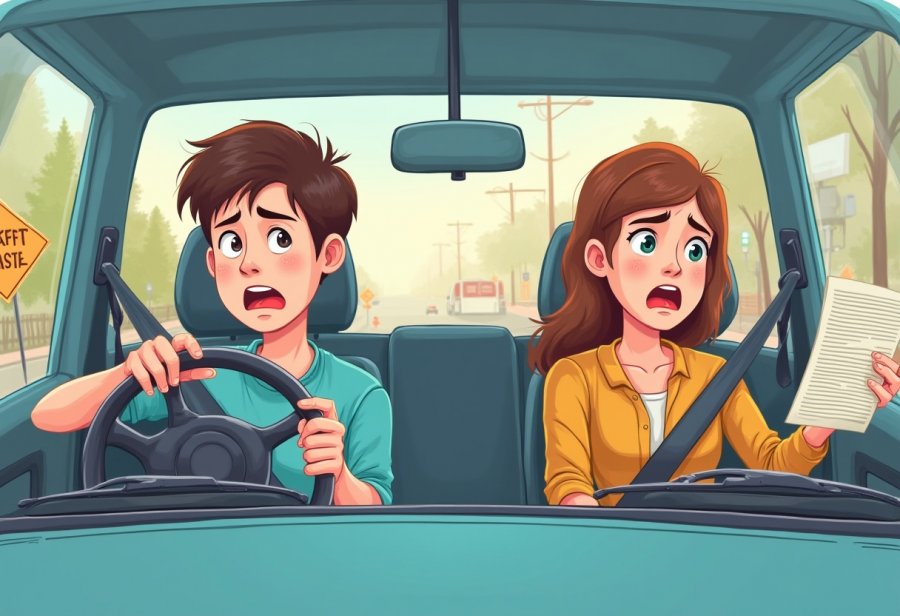
Beyond the Surface: How External Success Masks Internal Doubts
Even after teens earn their driver’s license and navigate familiar routes with confidence, many still grapple internally with doubts and fears. Outward success can create the illusion that they’ve conquered their anxiety, but beneath the surface, unresolved worries often linger. This disconnect between what they show to others and what they feel inside makes the emotional landscape more complicated than it appears. As independence grows, these hidden doubts can intensify, making new driving challenges seem even more intimidating than before.
This paradox happens because external milestones don’t address the core fears fueling internal anxiety. For example, passing a test might boost a teen’s sense of responsibility, yet it can also trigger fears about handling unfamiliar or difficult situations. A teen might confidently drive on a familiar street but feel paralyzed when faced with a complex highway merge or navigating an unfamiliar city. These feelings of vulnerability stay beneath the surface, even when outwardly they seem capable. The gap between outward achievements and internal confidence keeps doubts alive longer than many realize.
Research shows that many young drivers experience more anxiety after obtaining their license. They might think they’ve “arrived,” but this sense of accomplishment can ironically magnify awareness of remaining fears. The responsibility of driving alone or in new environments often sparks fears of losing control or causing a crash. These internal doubts can grow, even as their skills improve. It creates a cycle where external progress masks ongoing fears, fueling a confusing emotional state that’s hard to shake.
Success in certain driving areas can also increase internal pressure. A teen who passes their test may suddenly feel burdened by expectations, fearing that a mistake could undo their progress. Each drive then feels like a test rather than an opportunity, with confidence fragile and easily shaken. This ongoing tension keeps doubts alive, regardless of outward signs of mastery. The internal struggle becomes more pronounced as external achievements don’t necessarily translate into internal peace.
Often, internal doubts deepen because of the mismatch between what teens believe they can do and what they truly feel inside. External accomplishments might temporarily boost confidence, but if underlying fears aren’t addressed, they tend to persist or even intensify. Many hide their nerves behind a façade of competence, which delays recognition of their internal doubts. Without proper support, these fears can become ingrained, making future driving experiences more stressful and less confident.
This persistent internal anxiety can also lead to frustration or withdrawal. Teens might think, “I should feel confident by now,” yet instead, they feel overwhelmed at the prospect of driving alone or facing unfamiliar challenges. This disconnect between outward success and internal doubt drains motivation and fuels self-criticism. Recognizing this pattern helps shift the focus from just skill development to emotional resilience, fostering a more holistic growth process.
Understanding that internal doubts can grow even as teens appear to succeed is crucial. It reminds us that confidence isn’t solely about skills but also about trusting oneself emotionally. When internal fears are acknowledged and supported, teens can transform nerves into genuine self-trust. This emotional resilience becomes the foundation not just for safe driving but for handling life’s uncertainties beyond the road.
Practical Tools for Overcoming Inner Obstacles on the Road to Confidence
Managing internal struggles when learning to drive calls for practical strategies that help teens build confidence and manage nerves effectively. One of the most helpful approaches is gradual exposure. Instead of diving into the most challenging traffic situations right away, teens should start with simple tasks like parking in a quiet lot or driving around their neighborhood. As they grow more comfortable, they can slowly take on busier roads, highways, or unfamiliar areas. This step-by-step process allows them to develop a sense of control and reduces feelings of being overwhelmed, making each new challenge less intimidating.
Visualization techniques can also make a real difference. Before getting behind the wheel, teens should imagine themselves driving smoothly, making confident turns, and handling tricky situations with ease. Visualizing success creates positive mental associations that can translate into actual performance, calming nerves and boosting self-trust. Pairing this mental rehearsal with deep breathing exercises during stressful moments can further help calm racing thoughts and physical tension, allowing teens to stay focused and composed when it matters most.
Encouragement from parents and instructors plays a vital role. Recognizing and celebrating small wins—like executing a perfect parallel park or confidently merging onto a highway—reinforces progress and builds self-belief. Framing mistakes as normal parts of learning rather than failures fosters resilience. When teens feel supported and acknowledged, they’re more likely to view setbacks as opportunities to improve rather than signs of inadequacy. This positive reinforcement helps shift their mindset from fear to confidence.
Creating a sense of autonomy can also ease internal doubts. Allowing teens to choose routes or decide when to practice fosters a feeling of control and ownership of their learning. When they trust their judgment, internal fears tend to diminish, replaced by empowerment. Supporting their decision-making process helps them see driving as a skill they are mastering, not just a task they must endure.
Practicing mindfulness and self-compassion can transform nerves into calm. Techniques like deep breathing, grounding exercises, or brief meditation sessions before or during driving help reduce anxiety. Talking kindly to themselves—reminding that they are still learning and that mistakes are normal—encourages a growth mindset. Over time, these mental habits can turn initial apprehension into a steady sense of confidence and resilience.
Consistency and patience are key. Regular practice, combined with positive experiences and ongoing emotional support, helps teens internalize their skills and trust in their abilities. Recognizing that internal doubts are a normal part of growth encourages a more compassionate approach. Supporting teens through patience and reassurance allows nerves to be reframed as a natural part of the learning process, rather than a sign of failure.
Finally, celebrating progress—no matter how small—reinforces a positive cycle of growth. Each drive, each new skill mastered, is a step toward genuine confidence. When teens see their nerves as part of a broader journey of self-discovery, they’re more likely to face future challenges with resilience. These strategies, applied consistently, help transform the emotional rollercoaster of learning to drive into a foundation for lifelong confidence and independence.

Supporting Emotional Growth: Embracing the Journey Beyond the Driver’s Seat
Understanding what teens experience emotionally when learning to drive is essential for supporting their journey toward independence. While passing tests and gaining confidence behind the wheel are clear milestones, they don’t tell the whole story. Many teens appear ready and capable on the surface but still grapple with nerves, self-doubt, and anxiety deep inside. Recognizing these internal struggles helps us see driving as more than just a skill—it’s a significant step in emotional growth.
Even after mastering the basics, teens often feel overwhelmed or uncertain. External achievements like passing a driving test or confidently navigating familiar routes can mask ongoing fears. This disconnect between outward success and internal confidence can lead to a cycle where doubts persist or even deepen as they gain independence. Each new challenge—the unfamiliar highway, complex intersections—can trigger internal doubts that aren’t visible to others, making the emotional side of learning more complex than it seems.
Supporting teens requires understanding that internal fears are a normal part of the process. Patience, reassurance, and ongoing dialogue help them process these feelings and build resilience. When teens realize their nerves are typical rather than faults, they’re more likely to embrace each experience as an opportunity for growth. This mindset shift turns nervous energy into genuine confidence, laying a foundation for lifelong self-trust.
It’s crucial to see internal struggles as intertwined with self-discovery. Confidence isn’t just about technical skill; it’s about trusting oneself. Addressing internal doubts, rather than ignoring them, fosters emotional resilience that extends beyond driving. As teens learn to manage their fears, they develop a healthier relationship with their abilities—one rooted in patience and self-compassion rather than perfectionism.
Recognizing that internal doubts can grow even as teens succeed reshapes how we support them. It reminds us that confidence is a journey, not a destination, and that emotional growth is ongoing. Celebrating small wins and providing empathetic support encourages teens to confront their fears rather than shy away from them. Over time, this approach transforms nerves into steady self-trust, making their path to independence more confident and sustainable.
Ultimately, helping teens navigate their internal struggles isn’t just about safer driving; it’s about empowering them to face life’s challenges with resilience. When we see their nerves as part of a natural process, we foster a sense of safety and trust. This emotional foundation not only makes their driving experience more positive but also prepares them for future hurdles, instilling confidence that lasts well beyond the driver’s seat.