The Dodge Charger stands as an enduring icon of American muscle—embodying raw power, rebellious spirit, and unmistakable design. From its late-’60s roots to today’s high-performance variants like the SRT Hellcat, it has consistently ignited primal instincts and captured imaginations. What makes this legendary car truly special? Is it its thunderous engines, aggressive styling, or its cultural status as a symbol of freedom and defiance? As it evolves amidst industry shifts toward electrification, the Charger faces a pivotal question: can it maintain its visceral authenticity while embracing innovation? Its roaring engines and bold stance evoke a sense of unfiltered strength, yet the future may see its raw power transformed by electric technology. Nonetheless, the Charger’s legacy as a rebellious force on the road is unshakable. Will it continue to own the streets in new forms? Or will its primal spirit adapt yet remain unmistakably Charger?
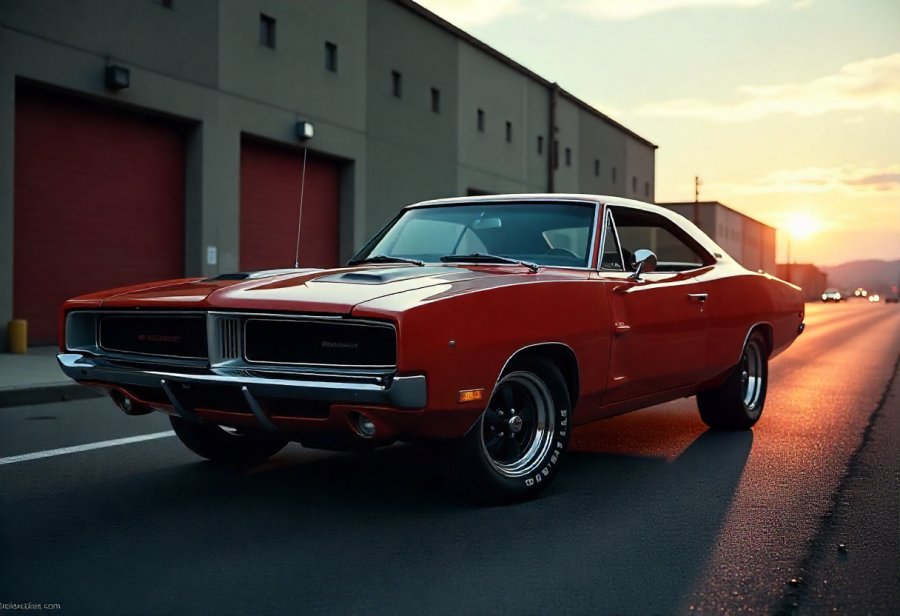
The Dodge Charger: An Icon of Rebellion and Power
The Dodge Charger stands as more than just a car; it’s an icon that captures the rebellious spirit of American muscle. Its bold lines, aggressive stance, and distinctive design have made it a symbol of power and freedom on the open road for over five decades. When the Charger first appeared in the late 1960s, it quickly became a cultural powerhouse—embodying speed, attitude, and a desire to push boundaries. Its long hood, muscular profile, and signature four round taillights are instantly recognizable and have helped define the muscle car aesthetic.
Throughout its history, the Charger has consistently represented more than transportation—it’s a statement. Featured in movies, music, and street racing scenes, it’s often associated with rebellion and adrenaline-fueled freedom. Whether tearing through city streets or making a bold appearance on the big screen in films like *Bullitt* or *Fast & Furious*, the Charger’s image is rooted in raw power and daring attitude. Its presence commands attention, inspiring respect wherever it goes.
The story of the Dodge Charger isn’t just about its striking appearance; it’s about evolution. The original models from the late ’60s and early ’70s set the standard for American muscle cars with high-performance V8 engines and fierce styling. These early versions—especially the R/T and Daytona trims—became legends thanks to their speed and boldness. Despite market shifts and regulatory challenges, the Charger’s legacy endured, fueled by a passionate fan base and a reputation for fierce performance.
In the 2000s, Dodge revived the Charger, blending nostalgic design cues with modern engineering. The new models paid homage to the classic look—long hoods, muscular contours—while incorporating advanced technology like electronic fuel injection and enhanced suspension. This combination appealed to both enthusiasts of the original and new drivers seeking high performance paired with daily usability. Today’s Chargers, including the mighty SRT Hellcat, continue that legacy with supercharged engines producing over 700 horsepower, proving that the rebellious spirit of the original lives on.
What makes the Charger truly special is its ability to connect with primal instincts. Its design commands attention, and its engine roars with a ferocity that can’t be ignored. It’s a car built to unleash the inner rebel in every driver, offering an experience that’s as much about emotion as performance. Whether racing down the street or cruising with attitude, the Charger embodies the unfiltered power and freedom that define American muscle cars.
In essence, the Dodge Charger is more than a vehicle—it’s a symbol of rebellion, strength, and raw power. Its legacy continues to inspire new generations of enthusiasts who crave the thrill of the open road. As it evolves into new forms, one thing remains certain: the Charger’s fearless spirit will always own the road.
Evolution of a Legend: From 1966 to Today’s High-Performance Marvels
The Dodge Charger’s journey from its debut in 1966 to today’s high-performance models is a story of relentless reinvention rooted in resilience. The earliest versions set a bold tone with sleek, fastback designs and powerful V8 engines that captured the spirit of American muscle at its peak. These models, especially the R/T and Daytona trims, became legends for their speed, aggressive styling, and commanding presence on the street.
By the late ’60s and early ’70s, the Charger hit its stride, boasting engines like the 426 HEMI and 440 Magnum that delivered exhilarating torque and acceleration. Its wide stance, long hood, and signature four round taillights made it an unmistakable icon of rebellion. This era solidified its reputation not just as a muscle car, but as a street racing beast and a cultural symbol of raw power.
However, the muscle car scene faced significant challenges during the mid-1970s. Stricter emissions standards, rising fuel prices, and safety regulations slowed production and diminished its prominence. Despite these obstacles, the Charger’s legacy persisted, maintained by devoted fans and the timeless appeal of its original design. Classic models from this era are now highly prized collectibles, representing a golden age of American muscle.
The early 2000s marked a pivotal revival. Dodge combined nostalgic styling—long hoods and muscular contours—with modern engineering advancements. Technologies like electronic fuel injection and improved suspensions made the new Chargers more practical yet still packed with performance. This approach struck a chord with both longtime enthusiasts and new drivers seeking a blend of power and daily usability.
In recent years, the Charger has pushed performance boundaries even further. Modern variants like the SRT Hellcat now feature supercharged HEMI engines that produce over 700 horsepower. These cars seamlessly combine vintage muscle car charisma with cutting-edge features—adaptive suspensions, high-tech braking systems—that elevate both speed and handling. Each iteration underscores a commitment to maintaining the muscle car’s fierce persona while embracing innovation.
Throughout its evolution, the Charger has stayed true to its core identity: a symbol of American muscle and rebellion. From the roaring streets of the late ’60s to today’s high-tech performance machines, each version reflects a relentless pursuit of power and attitude. Its ability to adapt without losing its primal essence is what keeps it relevant and revered across generations.
Looking ahead, the future of the Charger is both promising and uncertain. As automotive technology shifts towards electrification, the challenge lies in preserving the primal, visceral feel that defines the name. Yet, given Dodge’s history of reinvention, it’s likely that the Charger will continue to evolve—possibly into an electric or hybrid powerhouse—while maintaining that core spirit of rebellion and raw power.
The Charger’s story is far from over. Its legacy of resilience and innovation suggests it will continue to inspire and thrill, owning the road in new ways. Whether in a vintage form or a modern electric iteration, the Charger’s fierce attitude and primal energy will remain at the heart of its identity, fueling the rebellious spirit that makes it legendary.
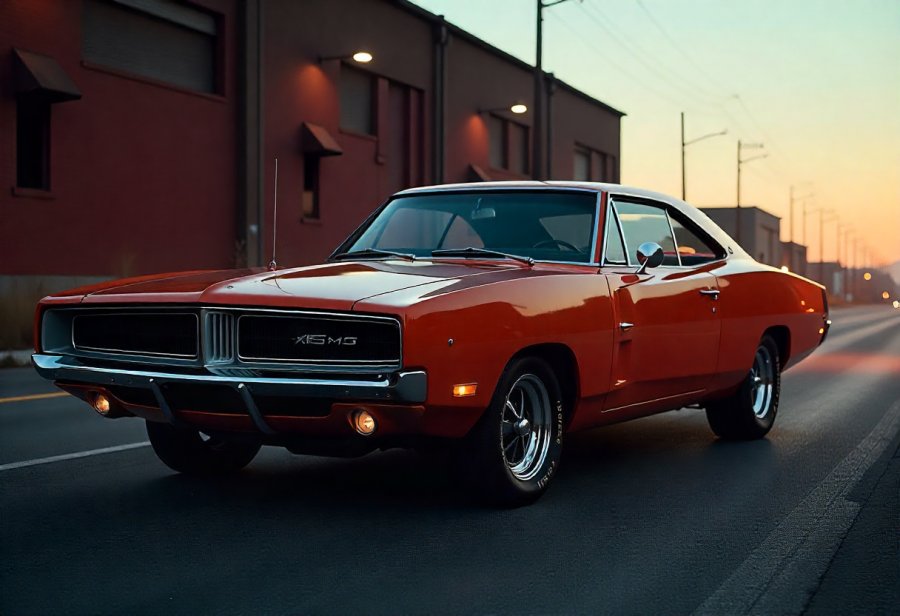
Unleashing the Primal Spirit: What Makes the Charger a Symbol of Raw Power
The Dodge Charger’s primal spirit runs deep, rooted in its embodiment of raw, unfiltered power and a rebellious attitude that refuses to be tamed. It’s more than just a muscle car; it’s a symbol of American strength and defiance, crafted to ignite a visceral sense of freedom and adrenaline on the open road. The deep, guttural roar of its engine—whether from vintage big-block V8s or modern supercharged HEMIs—speaks volumes about its fierce personality. That sound isn’t just noise; it’s a declaration that this car was born to dominate and command attention.
Its aggressive styling, wide stance, and muscular lines work together to evoke instinctual road dominance. Wide fenders, a long hood, and a stance so commanding that it seems to challenge everyone around it. This design isn’t just for show; it’s built to intimidate and inspire, echoing the rebellious attitude that has defined American muscle cars for decades. The Charger’s aesthetic screams performance, but it also signals that this is a vehicle for those who crave more than just transportation—they seek an experience of primal power.
The legendary status of the Charger is fueled by its core elements—big-block engines, unmistakable styling, and a stance that radiates confidence. The roar of the engine, especially from models like the 426 HEMI or the supercharged variants, embodies unrelenting torque and acceleration. These cars are more than machines; they are expressions of strength and speed, designed to unleash the beast within every driver. The sound, the look, the feel—all combine to reinforce its reputation as a street racing icon and a symbol of muscle car rebellion.
Beyond aesthetics and sound, the Charger’s reputation is built on its ability to connect with drivers’ primal instincts. It invites you to embrace the thrill of the moment—whether roaring down city streets or tearing up the track. Its powerful engines and aggressive handling give a sense of ownership and control that feeds into the rebellious, untamed spirit. This isn’t a car that’s meant to blend in; it’s a vehicle that demands respect and commands the road through pure, unadulterated power.
Street racing scenes have long celebrated the Charger’s raw capability, with its deep exhaust note and fearless stance making it a favorite among enthusiasts. It’s designed to turn heads and inspire awe, especially in moments where speed and attitude collide. The supercharged engines, capable of explosive acceleration, have turned the Charger into a modern-day street racing beast—an unmistakable symbol of muscle car rebellion that thrives on adrenaline and defiance.
Modern models like the SRT Hellcat continue to push this legacy forward, equipped with over 700 horsepower of supercharged fury. These cars are not just about speed—they embody the ongoing pursuit of primal power, blending vintage muscle car charisma with cutting-edge technology. Their roar and performance serve as a reminder that the Charger’s rebellious spirit is alive and well, forever driven by the desire to unleash the beast and own the road with unrelenting authority.
In Action: Witness the Dodge Charger’s Raw Power on the Street and in Culture
The Dodge Charger’s raw power comes alive every time you get behind the wheel or catch a glimpse of it in action. Its thunderous engine roar commands attention, turning ordinary drives into adrenaline-fueled moments that leave a lasting impression. Whether tearing down city streets or cruising along open highways, the Charger transforms the mundane into a spectacle of strength and speed, inspiring awe in drivers and onlookers alike.
When you hit the gas, the Charger’s acceleration hits like a punch, unleashing a ferocious surge of torque that’s hard to match. Its response is immediate, pushing you back into your seat as it devours miles with relentless energy. That deep, guttural engine note isn’t just sound; it’s a declaration of primal road dominance. Modern models like the SRT Hellcat pack over 700 horsepower, turning every throttle into a demonstration of unfiltered power and raw emotion.
Beyond the pavement, the Charger is a staple in street racing and car culture. Night after night, these cars gather in parking lots and deserted streets, their aggressive stance and roaring engines drawing crowds and respect. The wide, muscular build and intimidating presence make it clear this isn’t just a car—it’s a symbol of rebellion and dominance. Owners take pride in customizing their Chargers with performance upgrades, amplifying that primal roar and reinforcing its reputation as a modern street racing beast.
The Charger’s versatility adds to its appeal. It combines comfort, technology, and everyday practicality with the fierce attitude of a muscle car. Drivers can switch from relaxed cruising to full-throttle excitement with ease, feeling the explosive response that has defined the model for decades. This seamless blend of street-ready comfort and raw performance makes the Charger a true all-rounder that’s equally at home on the highway or in the spotlight.
In every corner of car culture, the Charger’s ability to captivate and thrill remains unmatched. Its roar, stance, and performance create an experience that’s hard to forget. The sound of its engine, the sight of its muscular silhouette, and the feeling of unleashing its power all serve to reinforce its legendary status. The Dodge Charger isn’t just a machine—it’s a living symbol of raw American muscle and rebellious spirit, forever owning the road and energizing those who dare to drive it.
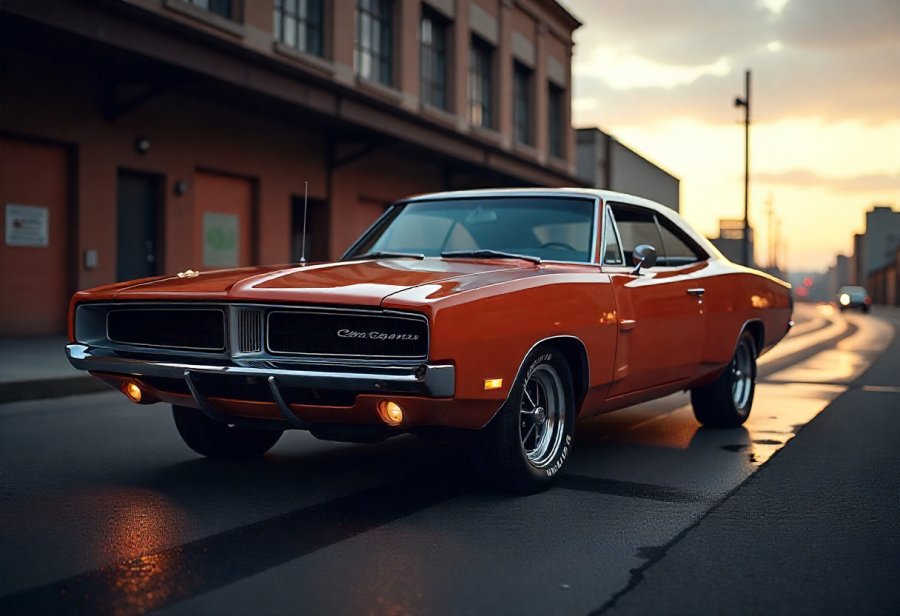
Legacy and Future: The Enduring Rebellion of the Dodge Charger
The Dodge Charger’s status as a legendary symbol of American muscle and rebellion is firmly secured in automotive history. Its roaring engines, aggressive design, and iconic presence have transformed it from a simple car into an enduring icon that represents strength, speed, and independence. From its roots in the late ’60s muscle car boom to today’s high-performance variants like the SRT Hellcat, the Charger has consistently embodied the raw energy and rebellious attitude that define American automotive culture. Its legacy is built on a foundation of relentless performance and an unyielding spirit of defiance.
Looking ahead, the future of the Charger is both promising and uncertain. As the automotive industry accelerates toward electrification, enthusiasts wonder how this fierce icon will maintain its primal appeal in a changing landscape. The shift to electric and hybrid powertrains presents a challenge: how to preserve the visceral, unfiltered driving experience that has made the Charger a legend. Yet, Dodge’s history of innovation suggests that the Charger’s rebellious spirit will adapt, perhaps through electric muscle cars that deliver instant torque and breathtaking acceleration while staying true to its aggressive DNA.
Advancements in electric motor technology could amplify the Charger’s legendary performance. Instant torque and rapid acceleration are becoming the hallmarks of electric power, opening new possibilities for unleashing primal power in ways previously unimaginable. Dodge is likely to focus on preserving the Charger’s bold, muscular aesthetic, ensuring it remains instantly recognizable even as its underpinnings evolve. Whether in electrified form or hybrid, the Charger’s core identity—a symbol of rebellion and raw power—will continue to resonate with both old fans and new generations.
Despite the uncertainties, one thing remains clear: the essence of the Charger, as a vehicle of strength and attitude, will not fade away. Its cultural impact and the visceral thrill of its engines keep its spirit alive, inspiring both nostalgia and innovation. Whether in vintage guise or cutting-edge electric form, the Charger will continue to own the road and inspire rebellion. Its story of resilience and reinvention suggests it will remain a beacon for those who seek freedom, speed, and unrestrained power.
As technology and consumer preferences evolve, the Charger’s challenge will be to balance tradition with innovation. The primal roar of a supercharged V8 may give way to the silent yet explosive power of electric motors, but the feeling of owning the road with unrelenting authority will persist. Dodge’s commitment to maintaining that fierce attitude—through design, performance, and spirit—will ensure the Charger remains relevant and revered. Its future may be electric, but its rebellious soul will endure, fueling the passion of a new generation of enthusiasts.
Ultimately, the Charger’s legacy is defined by its ability to inspire and excite. It’s more than just a car—it’s a statement of independence and strength that transcends time. No matter how it evolves, the Charger will always be a symbol of primal, American muscle, owning the road with unbreakable attitude. Its journey from past to future underscores a relentless pursuit of power and rebellion, ensuring that its roar will continue to echo in the hearts of fans for generations to come.