Imagine transforming your deepest fears into newfound freedom by learning to swim at any age. What if the biggest obstacle isn’t your ability but that first courageous step into the water? This inspiring guide reveals how overcoming initial anxieties—whether you’re a nervous child or an hesitant adult—can unlock a lifetime of safety, joy, and confidence. It explores the essential building blocks: mastering floating, breathing, and controlled movement, all within supportive, safe environments. With practical insights into overcoming water fears, navigating costs, and embracing small victories, it demonstrates that water confidence is achievable for everyone. Personal stories highlight life-changing benefits: enjoying family outings, tackling outdoor adventures, or simply feeling secure around water. Ultimately, this journey turns water from a source of dread into a space of empowerment, inviting you to take the plunge and discover the liberating power of swimming—because the real question is, are you ready to transform your fears into freedom?
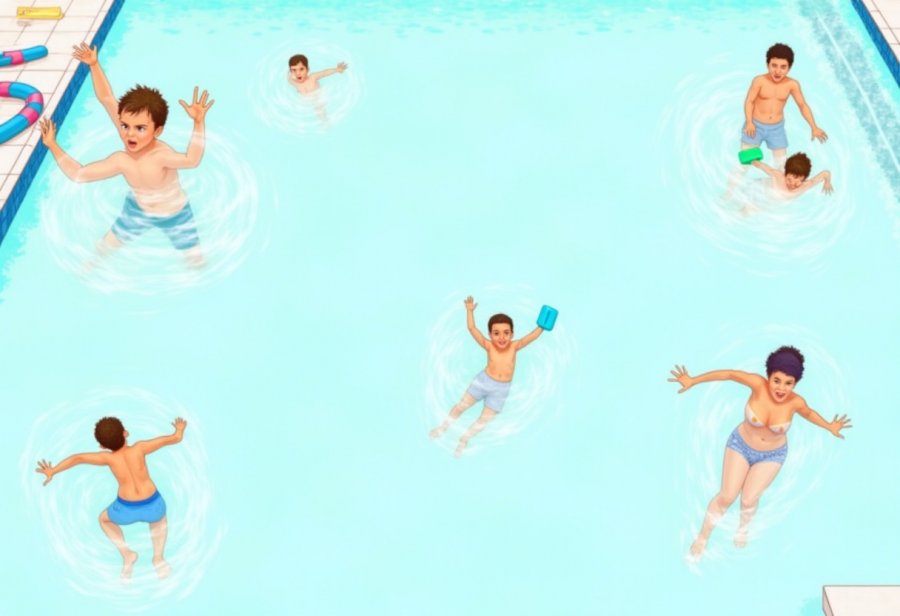
Embark on Your Water Confidence Journey: Overcoming Fears and Building Trust in the Water
Learning to swim is more than just picking up a new skill; it’s a gateway to safety, fun, and confidence in the water. For many people, the idea of stepping into a pool or open water for the first time can feel intimidating. That initial plunge often brings nerves and uncertainty, especially if past experiences or fears have held you back. But taking that first step opens a world of possibilities—whether it’s enjoying family outings, exploring outdoor adventures, or simply feeling more secure around water.
This journey isn’t solely about mastering strokes or techniques. It’s about building trust in your body and developing a sense of calm in aquatic environments. Many beginners face fears that come from a single unsettling experience or unfamiliarity. These fears can linger, making water activities seem off-limits. The good news is that with patience and guidance, anyone can turn that fear into confidence. Every small victory, like floating or taking a few strokes, reinforces your ability to stay safe in water.
Starting this process requires an open mindset. Recognizing the benefits—such as increased safety, independence, and the freedom to enjoy water activities—can motivate you to take that initial leap. It’s normal to feel unsure at first; remember, even experienced swimmers once faced the same worries. Progress comes through gradual steps, celebrating each achievement along the way and understanding that mastery takes time.
Creating a positive and supportive environment is key. Whether you’re learning in a shallow pool, with a friend, or through a professional instructor, feeling safe and encouraged makes all the difference. Developing water confidence isn’t about being perfect; it’s about persistence and consistent effort. Over time, these small efforts build into a sense of mastery and enjoyment that can last a lifetime.
This journey can begin at any age. Children often learn through school programs or swim classes, while adults might start with beginner lessons or self-guided practice. Regardless of where you start, the goal remains the same: to feel comfortable, safe, and capable in the water. Embarking on this path is a meaningful step toward skills that can enrich your life in countless ways.
Foundations of Safety and Technique: The Key to Confident Swimming
Understanding water safety is a crucial step in building confidence and ensuring a positive experience in the water. Knowing how to stay secure—whether in a swimming pool, lake, or ocean—means being aware of basic safety habits like never swimming alone and choosing supervised, shallow areas. When you feel confident that safety measures are in place, it becomes easier to relax and focus on learning new skills without fear.
Alongside safety, mastering fundamental techniques such as floating, controlled breathing, and gentle movements forms the foundation of water confidence. Floating helps your body stay calm and relaxed, even when nerves are high. Steady breathing and slow, deliberate movements help manage panic, keeping you focused and in control. These basic skills not only make you feel safer but also prepare you for more advanced techniques later on.
Building trust in your body’s abilities takes time and consistent practice. Repeating foundational exercises like floating, breathing, and immersion helps you become familiar with water and reduces negative perceptions. As your confidence grows, fears of sinking or panicking gradually fade, replaced by a sense of calm and mastery. This process rewires your perception of water from a threat into a space where you can feel secure and in control.
Choosing the right environment is key. Beginners should focus on shallow, supervised pools where they can practice comfortably. Safety gear like life jackets or floatation devices can provide an extra layer of reassurance during early stages. Listening to your body, taking breaks, and progressing at your own pace help prevent fatigue and anxiety, making each experience positive and encouraging.
Confidence in the water is built through patience and gradual exposure. Deep breaths, visualization, and a gentle approach help overcome initial fears. Recognizing that setbacks are part of the process keeps motivation high. With steady effort and support, water transforms from a source of worry into a safe space for growth.
Starting your water confidence journey today can be as simple as dipping your toes in shallow water or floating on your back. Small, consistent steps add up over time, leading to a lifetime of enjoyment and safety in aquatic environments. Water becomes less threatening and more inviting—a place of adventure, relaxation, and discovery.
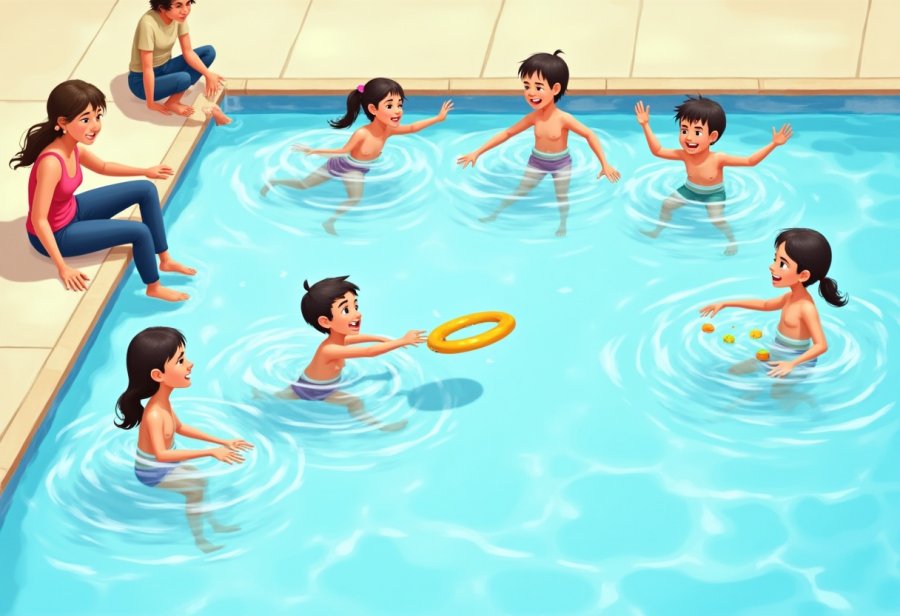
Navigating Today’s Water Learning Landscape: Challenges and Opportunities
Today’s landscape of swimming education offers more options than ever, but it also presents unique challenges. For adults, fitting lessons into busy schedules remains a hurdle, often compounded by lingering fears or past negative experiences that can make starting feel daunting. Many feel self-conscious or worry about sinking, which can slow progress or discourage further effort. While group classes, private lessons, and online tutorials are more accessible, finding the right fit often takes patience and perseverance.
For children, early exposure through school programs or dedicated swim classes is common, yet access isn’t universal. Limited resources and high costs in some areas mean not all kids have the chance to develop water skills early on. Without foundational water confidence from a young age, many children grow up with fears or gaps in basic skills, making later learning more difficult. This can create a cycle where water safety remains an unspoken concern, and confidence stays out of reach for many.
A major obstacle for beginners of all ages is overcoming water anxiety. The natural fear of sinking or panicking can hold learners back, especially when they’re faced with deep water or unfamiliar environments. Cost also plays a role—private lessons and specialized programs can be expensive, making consistent practice a challenge. Large group classes or open water settings can feel overwhelming, further dampening motivation and progress.
Despite advances in teaching methods and safety gear, gaps still exist. Many students feel lost in crowded classes or hesitant in deep water, which hampers their confidence. Access to affordable, flexible options remains uneven, often leaving learners frustrated or stuck. Recognizing these barriers helps emphasize that everyone’s journey is different, and starting at any point is a valuable step toward water mastery.
Fortunately, increased awareness about water safety and the importance of swimming skills has sparked more community programs and online resources. These efforts aim to make beginner lessons more accessible and approachable. Still, practical barriers like cost, location, and confidence levels can slow progress. Understanding these challenges fosters patience and persistence, reminding us that the path to water confidence is a personal one—every small step counts.
Smart Spending on Water Skills: Budget-Friendly Ways to Learn and Stay Safe
When considering learning to swim, the financial aspect often plays a significant role in decision-making. Prices for lessons can vary widely depending on your location, the type of instruction, and whether you opt for group or private sessions. Community pools generally offer the most affordable options, sometimes charging just a few dollars per class, making beginner lessons accessible to many. Private lessons, while offering tailored guidance and faster progress, tend to be more costly—sometimes hundreds of dollars for a series of sessions. Finding a balance between your goals and budget is key to making consistent progress without financial stress.
Beyond lessons, safety equipment adds to the overall investment. Basic gear like goggles, swim caps, and fins are usually inexpensive but essential for comfort and safety. Floatation devices, such as life jackets or kickboards, provide reassurance during early stages and can boost confidence, especially for those overcoming fears. Investing in quality gear not only enhances safety but also encourages regular practice, helping you stay motivated as you build skills.
For those with limited budgets, there are plenty of affordable alternatives. Many local community centers and nonprofits offer sliding scale fees or scholarships, making water confidence programs more accessible. Online tutorials, instructional videos, and mobile apps serve as low-cost supplements, allowing you to practice fundamental skills in shallow water or even at home. These resources can be invaluable for reinforcing techniques without a hefty financial commitment.
Consistent practice is vital for visible progress, but it can come with additional costs like pool memberships or transportation. To keep expenses manageable, look for community pools that offer memberships or punch cards, or explore natural water bodies like lakes and beaches where permitted and safe. Combining these options with supportive environments and flexible scheduling makes ongoing practice more feasible, especially when motivation is high.
Seeing swimming as an investment in your safety, health, and independence makes the upfront costs worthwhile. The skills you gain—such as handling emergencies or enjoying water recreation—offer lifelong benefits that far outweigh initial expenses. By planning carefully and exploring affordable options, you can start your water confidence journey without overextending your finances.
Budgeting wisely and choosing cost-effective solutions ensures your progress remains sustainable. With a bit of research, you can identify programs that fit your financial situation while providing quality instruction. Whether through group lessons, community programs, or self-guided practice, taking that first step is more accessible than many realize. Investing in your water skills is an investment in a safer, more confident, and more adventurous life.
Real-Life Transformations: How Swimming Boosts Confidence and Enhances Daily Life
Learning to swim can truly transform daily life in ways you might not expect. For instance, a parent who once avoided trips to the beach or pool due to fear now feels confident enough to join in water activities with their children. This shift from hesitation to enjoyment creates lasting memories and teaches kids vital water safety skills early on. Similarly, someone who once worried about sinking or choking finds themselves swimming across a pool or paddling in a lake, opening up new recreational possibilities and reducing ongoing anxiety around water.
For many, gaining water confidence means breaking free from the fear of accidents or emergencies. When you’re comfortable swimming, panic is less likely to take hold if you accidentally slip into water or encounter a rip current. This calmness can be a literal lifesaver, especially in unpredictable situations. Confident swimmers also participate more fully in activities like boating, snorkeling, or beach outings, knowing they can handle themselves. Over time, this mastery extends beyond the pool, boosting overall self-assurance and a sense of control in unfamiliar environments.
Personal stories highlight how learning to swim boosts independence and resilience. Take Lisa, who had avoided pools her entire life due to childhood fears but gradually managed to swim across the pool after lessons. Her newfound confidence spilled into other areas—she became more willing to try new activities and face challenges head-on. For James, conquering open water anxiety meant joining family trips to lakes and beaches with ease, turning once-feared environments into sources of joy. These examples show that water confidence isn’t just about swimming; it’s about empowering yourself to embrace new adventures with confidence.
Beyond individual benefits, mastering water skills enhances safety and community well-being. Confident swimmers are more likely to help others or intervene in emergencies, making outings safer for everyone. For children, early water skills reduce the risk of accidents and lay a foundation for lifelong safety awareness. For adults, it means participating fully in water-based recreation without fear. These practical impacts demonstrate that learning to swim creates safer, more connected communities where water becomes a source of joy rather than danger.
Ultimately, learning to swim opens the door to a lifelong relationship with water that’s built on confidence, safety, and enjoyment. It’s about more than just strokes and techniques—it’s about transforming fears into freedom, one splash at a time. Whether you’re seeking a new hobby, aiming to keep your family safe, or just want to feel comfortable in any aquatic setting, the benefits extend far beyond the water’s edge. Every small step forward can ripple outward, enriching your life with adventure, peace of mind, and a sense of achievement.
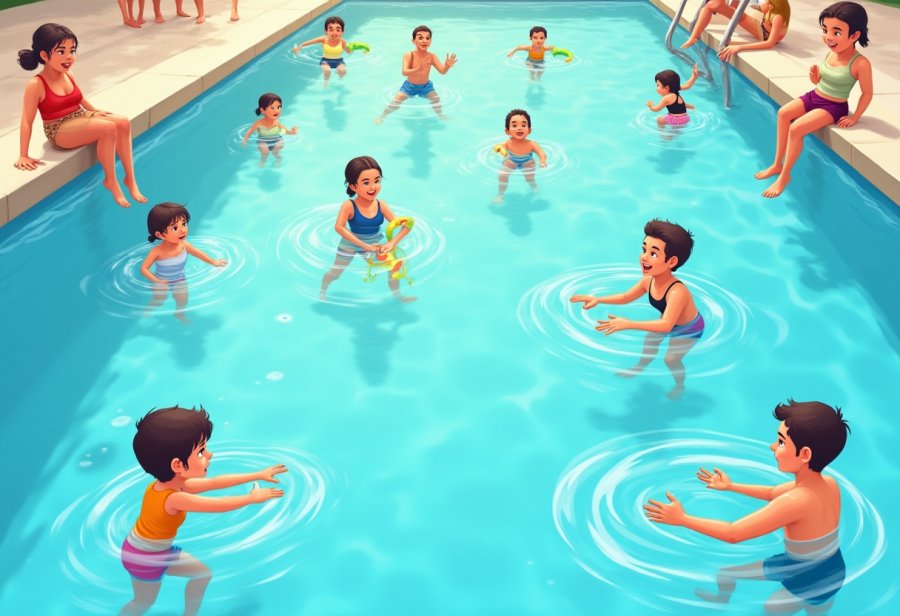
Essential Strategies for Success: Conquer Fear, Build Skills, and Embrace Lifelong Water Confidence
Building water confidence starts with mastering the basics—learning to float, breathe, and move smoothly through the water. These core skills create a sense of safety and control, making the water feel less intimidating. When you trust your body to stay calm and balanced, fears tend to diminish naturally. Practicing these fundamental techniques regularly helps cement your confidence and gradually shifts your mindset from viewing water as a threat to seeing it as a safe, enjoyable space.
Overcoming water fear often involves gentle exposure and patience. Starting in shallow, supervised water allows you to face anxieties gradually. Techniques like deep breathing and visualization calm the mind and body, helping you feel more in control. Recognizing that fear is a normal response encourages a compassionate approach—each small step forward builds resilience and trust. This steady progress turns water from a source of dread into an environment of growth.
Swimming confidence can be developed at any age, but it requires an open mindset and persistence. Celebrate every small victory, whether it’s floating unsupported or paddling a few strokes. These milestones reinforce your ability and motivate continued effort. Remember, confidence doesn’t appear overnight; it’s built through consistent practice and positive reinforcement. Each new skill adds a layer of reassurance, gradually transforming your relationship with water.
For beginners, safety in the pool is essential. Focus on shallow, well-monitored environments where you can practice comfortably. Use safety gear like floatation devices to boost your confidence during initial attempts. Respect your limits, take breaks as needed, and progress at your own pace. This approach ensures that each session feels safe and encouraging, helping you stay motivated and eager to learn more.
Conquering swimming anxiety is about more than perfecting techniques—it’s about rewiring your mindset. Slow, controlled breathing and deliberate movements help reduce panic and foster calmness. Trusting the process and accepting setbacks as part of learning keeps you moving forward. With patience and support, water begins to lose its threatening edge and becomes a space for discovery and joy.
Starting your water confidence journey today can be simple: dip your toes in shallow water or float on your back. Small, consistent efforts add up, and progress becomes inevitable. There’s no perfect moment—just the decision to begin and the commitment to keep going. Each step builds a stronger foundation for lifelong water skills.
This journey is about more than just learning strokes; it’s about transforming fears into freedom. Every small achievement, from blowing bubbles to swimming across a pool, boosts your sense of mastery. These moments foster positive associations with water, turning apprehension into excitement. Over time, water stops being a place of anxiety and becomes a domain of adventure and relaxation.
Finally, water confidence isn’t confined to the pool. It extends into lakes, oceans, and rivers, opening up a world of new experiences. With patience and persistence, anyone can turn water from a source of fear into a lifelong ally. Each step forward enhances safety, encourages physical activity, and fuels a love for water that lasts a lifetime.