Blog

  • The Future of Moving Safety with Cutting-Edge Protection Technologies

    The Future of Moving Safety with Cutting-Edge Protection Technologies

    Moving—whether to a new home or office—is often seen as an exciting fresh start, but beneath the surface lies a complex challenge: protecting your most valuable possessions. Are you aware that a careless move can turn cherished heirlooms, electronics, or critical documents into costly losses? Professional movers bring more than muscle; they offer expert handling, meticulous packing, and strategic planning to safeguard your belongings against damage. Their use of advanced materials, secure loading techniques, and route planning minimizes risks and ensures a smooth transition. Yet, the true game-changer lies in emerging technologies—sensor-equipped boxes, climate-controlled containers, GPS tracking—that are revolutionizing moving safety. Could these innovations redefine your moving experience, offering unparalleled peace of mind? This growing intersection of expertise and technology promises not just protection, but a stress-free journey to your new beginning, prompting the question: Are you ready to entrust your valuables to the professionals equipped for the future?

    Reliable and Expert Home Movers in Toronto with Over 50 Years of Experience

    Looking for trusted home movers in Toronto, Ontario? Fess Moving offers an expertly curated moving service tailored to your specific requirements. Our process is simple, efficient, and convenient, ensuring your move is smooth and stress-free. With over 50 years of expertise, we prioritize satisfaction and reliability in every move we handle. Whether you’re relocating locally or across the city, our team is dedicated to providing personalized solutions that meet your needs. Contact Fess Moving today at 437-559-2890 or email [email protected] to experience our professional and dependable moving services designed just for you.

    Safeguarding Valuables During Your Move: Why Professional Movers Make the Difference

    Moving to a new home or office is a significant milestone, but it also brings the challenge of safeguarding your most valuable belongings. Whether it’s family heirlooms, expensive electronics, or important documents, these items often hold more than just monetary value—they’re connected to memories or vital operations. A careless move can easily lead to breakage, loss, or damage, turning what should be an exciting new chapter into a stressful ordeal.

    That’s where professional movers come in. They’re not just about hauling boxes—they’re trained experts who understand how to handle your possessions with care. Their approach combines careful packing techniques, strategic handling, and experience to prevent damage before it happens. From selecting the right packing materials to properly securing everything in the truck, their focus is on protecting your valuables throughout the entire process.

    Fragile and high-value items require a special touch. Movers wrap glassware, artwork, and electronics in bubble wrap, foam padding, or thick blankets to absorb shocks and prevent scratches. They also use specialized padding and crates for delicate belongings, ensuring each piece is well-protected during transit. These precautions are rooted in best practices, significantly reducing the risk of costly accidents.

    Transporting belongings securely is equally important. Movers employ straps, braces, and dividers to prevent items from shifting inside the truck. They plan routes that avoid rough roads, construction zones, or obstacles, minimizing jolts and sudden stops. Proper loading and route planning help ensure your valuables arrive intact and ready to be unpacked.

    Choosing professional movers isn’t just about convenience; it’s a smart way to protect what matters most. Their expertise, supplies, and planning work together to make your move safer and more manageable. Trusting professionals turns a potentially stressful event into a smooth transition, giving you peace of mind as you begin your new chapter.

    Core Techniques for Valuables Protection: Packing, Securing, and Planning

    Professional movers rely on a variety of proven techniques to ensure valuables stay safe during transit. The foundation is proper packing—using sturdy boxes that match each item’s size and weight prevents crushing or damage. Fragile belongings like glassware, art, and electronics are carefully wrapped in bubble wrap, foam padding, or thick blankets, absorbing shocks and guarding against scratches. Movers also utilize specialized padding materials to protect furniture and delicate items, minimizing dents and breaks during handling and movement.

    Securing items inside the truck is just as crucial as packing them well. Movers use straps, braces, and dividers to prevent belongings from shifting or colliding during transit. Proper stacking—placing heavier items at the bottom and lighter, fragile ones on top—reduces movement and the risk of damage. They plan the loading sequence carefully, loading the most vulnerable items last so they’re unloaded first, which lessens their exposure to rough handling and jolts along the way.

    Route planning plays a significant role in safeguarding possessions. Experienced movers choose smooth, obstacle-free roads, avoiding construction zones, steep inclines, and areas with heavy traffic. This helps prevent sudden jolts or stops that could dislodge or damage items. When navigating tight spaces like stairs or narrow hallways, movers develop strategies in advance, often using dollies and hand trucks to handle heavy or awkward items safely. These precautions significantly reduce the chances of accidents or mishandling during the move.

    A relevant discussion appears on Purist Blog in Vic Reynolds‘s Secure Your Valuables with Expert Moving Safeguards.

    Protective tools and supplies further enhance safety. Moving blankets, foam padding, and bubble wrap are used generously around fragile or high-value items. Inside the truck, straps and braces secure belongings, preventing shifting during transit. For especially delicate or valuable objects, custom crates or padded containers provide an extra layer of security. Investing in these supplies makes a noticeable difference in protecting your belongings from damage, no matter how bumpy the ride.

    Insurance coverage rounds out these safety measures. Reputable moving companies offer policies that protect against unforeseen damages or losses despite all precautions. Knowing your valuables are insured provides peace of mind, allowing you to focus on settling into your new space rather than worrying about potential mishaps. Combining meticulous packing, thoughtful securing, strategic route planning, and insurance creates a comprehensive safety net, ensuring your possessions arrive intact and ready to enjoy.
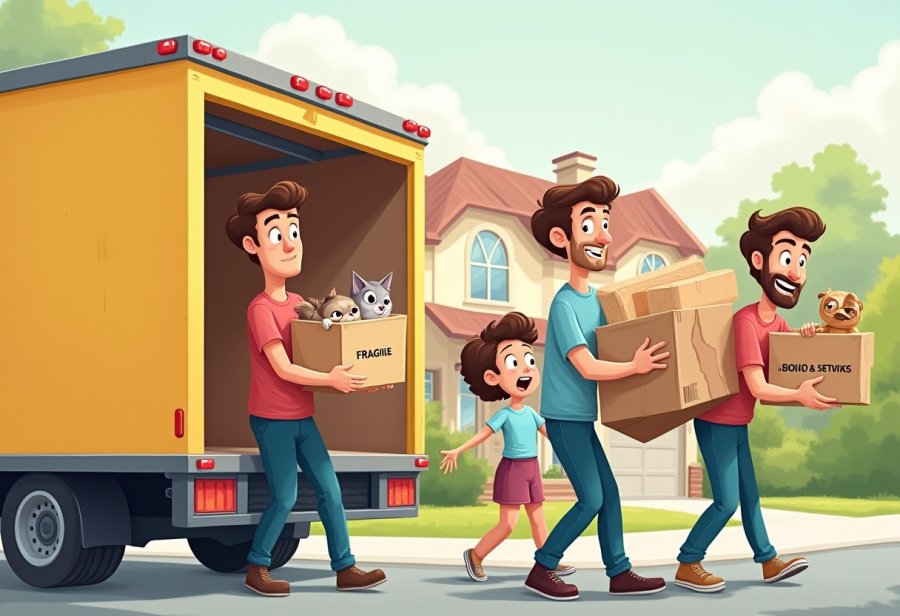
    Stress-Free Moving Through Structured Planning and Precise Logistics

    Organized planning is the backbone of a smooth, stress-free move. When professional movers take the time to craft a detailed logistics plan, they transform what could be chaos into a well-orchestrated process. Having a clear roadmap—covering everything from scheduling and packing sequences to transportation routes—reduces surprises and delays, giving you a sense of control. This proactive approach means fewer last-minute issues and a more predictable transition, allowing you to focus on settling into your new space rather than managing unforeseen problems.

    A well-structured plan also streamlines the entire move, making it more efficient. When timing, resources, and routes are coordinated in advance, downtime is minimized, and bottlenecks are avoided. Proper scheduling ensures fragile and high-value items are prioritized, handled with care, and less likely to be damaged or lost. This organized approach not only safeguards your belongings but also helps prevent unnecessary stress, keeping the process manageable even when facing tight deadlines or complex logistics.

    Beyond physical logistics, systematic planning involves clear labeling and tracking. When each box is systematically documented and labeled with its contents and destination, unpacking becomes quicker and less frustrating. Knowing exactly where everything belongs simplifies the setup process and reduces the risk of mishandling or overlooking important items. For sensitive equipment or confidential documents, this level of organization is especially valuable, providing peace of mind that all possessions are accounted for and correctly handled.

    Anticipating potential obstacles is a key benefit of good planning. Experienced movers identify tricky access points like narrow hallways, stairs, or tight corners in advance. They develop strategies—such as using dollies, ramps, or specialized equipment—to navigate these spaces safely. Considering weather conditions and traffic patterns ahead of time allows them to choose optimal routes, avoiding rough roads or construction zones. This foresight minimizes jolts and sudden stops, protecting your belongings and reducing the chance of accidents.

    Secure Your Valuables with Expert Moving Protection Strategies, written by Fi Brooks on Papa Bear Lessons, offers a deeper look at this topic.

    Having contingency plans in place further enhances safety and reduces stress. When movers analyze possible challenges—like road closures, equipment issues, or access restrictions—they develop backup strategies. These preparations mean they can adapt quickly, keeping your move on track and your valuables secure. This level of preparedness ensures that unexpected delays or obstacles don’t turn into costly setbacks or damage.

    A meticulously planned move feels less overwhelming because every step is purposefully mapped out. This clarity instills confidence, allowing you to focus on the excitement of your new beginning rather than fretting over details. When logistics are handled with precision, the entire process becomes smoother, safer, and more predictable. The result is a move that not only protects your possessions but also preserves your peace of mind, turning what often feels like a daunting event into a manageable transition.

    Practical Tips to Protect Your Valuables During Every Step of Your Move

    To effectively protect your valuables during a move, start with careful packing. Use sturdy boxes that match the size and weight of each item to prevent crushing or damage. Wrap fragile objects like glassware, artwork, and electronics with bubble wrap, foam padding, or thick moving blankets. These materials absorb shocks and guard against scratches. Label each box clearly with its contents and handling instructions, such as “Fragile” or “This Side Up,” so everyone knows to treat them with extra care.

    When loading items into the truck, place heavier boxes at the bottom and lighter, more delicate items on top. Secure everything with straps or bungee cords to prevent shifting during transit. Movement inside the truck can cause damage or accidents, especially if items topple or collide. Using tools like dollies and hand trucks helps move heavy or awkward items safely, reducing the risk of drops or mishaps. Taking your time and handling each piece deliberately can make a big difference in protecting your belongings.

    Handling delicate or high-value items requires extra attention. Wrap each piece individually with ample padding, and consider using custom boxes or padded crates for added security. Electronics, artwork, and antiques benefit from climate-controlled transport or specialized packing to prevent environmental damage. Whenever possible, keep these valuables with you during the move rather than loading them into the truck. This gives you better control over their handling and reduces the chance of accidents or mishandling.

    This perspective is expanded in Finn Graham‘s article Secure Your Valuables with Professional Moving Safeguards on Quantum Odyssey 5351898.

    Route planning is another key step. Choose roads that are smooth and avoid construction zones, steep inclines, or areas with heavy traffic. If you need to navigate stairs, narrow hallways, or tight spaces, plan your approach in advance. Using dollies and hand trucks minimizes physical strain and the risk of dropping or damaging items in tricky spots. Moving carefully and thoughtfully throughout the process helps ensure everything arrives at your new home or office in good condition.

    Finally, make good use of protective tools and supplies. Moving blankets, foam padding, and bubble wrap should be used generously around fragile or high-value items. Inside the truck, straps and braces secure belongings and prevent shifting during transit. For especially delicate objects, consider custom crating or padded containers for extra security. These small investments in equipment and supplies significantly reduce the chance of damage and help keep your move controlled and safe from start to finish.

    Future Innovations in Moving Safety: Technology and Practices That Enhance Protection

    Emerging technologies are beginning to reshape how valuables are protected during moves, promising safer and more efficient relocations. Sensor-equipped boxes now monitor conditions such as temperature, humidity, and movement in real time. When an item shifts or faces environmental risks, these devices send immediate alerts, allowing movers to make quick adjustments before any damage occurs. This kind of real-time feedback is especially valuable for high-value or sensitive possessions, providing an added layer of security beyond traditional packing methods.

    Innovative protective materials are also gaining traction. Impact-absorbing foams, climate-controlled containers, and advanced padding help shield fragile items from physical shocks and environmental fluctuations. Climate-controlled crates, for example, maintain stable conditions for artwork and electronics, reducing deterioration risks during transit. As these materials become more accessible, they empower movers to handle delicate belongings with greater confidence, significantly lowering the chance of damage.

    GPS tracking and route optimization software are transforming transportation safety. Real-time GPS devices allow both movers and clients to track cargo continuously, increasing transparency and accountability. Meanwhile, route planning tools analyze road conditions, traffic patterns, and obstacles to suggest the safest pathways, avoiding rough terrain and construction zones. Dynamic rerouting ensures a smoother journey, minimizing jolts and sudden stops that could jeopardize valuables. These technological advances make the entire moving process more predictable and secure.

    The integration of these innovations is making high-quality moving safety more affordable and widespread. Both professional movers and individuals can leverage these tools to identify potential issues early and respond proactively. For clients with valuable or sensitive items, this means greater peace of mind, knowing that cutting-edge solutions are actively protecting their possessions. As these technologies become standard, they set new benchmarks for safety and reliability in the industry.

    Digital record-keeping and data collection further enhance transparency. Detailed logs of packing procedures, handling steps, route choices, and sensor data help document every part of the move. This level of record-keeping not only facilitates dispute resolution but also provides insights for continuous safety improvements. Moving companies adopting such practices demonstrate a commitment to professionalism and client trust, elevating industry standards.

    Looking ahead, ongoing research and development promise even more sophisticated tools. Modular packing systems, impact-resistant containers, and AI-driven route planning are on the horizon, aiming to make moves safer and more efficient. The goal is clear: to protect valuables more effectively while reducing stress for all involved. As these advancements mature, they will redefine what’s possible in moving safety, ensuring that technology keeps pace with the industry’s evolving needs.


  • Smart Home Security Evolution: Protect Your Home Remotely and Proactively

    Smart Home Security Evolution: Protect Your Home Remotely and Proactively

    In an age where threats are constantly evolving, can modern home security truly keep your family safe? Today’s integrated systems go far beyond traditional locks and alarms, offering remote surveillance, smart access controls, and AI-powered threat detection. These innovations promise unprecedented convenience and peace of mind, allowing homeowners to monitor and manage their safety from anywhere. Yet, with increased connectivity comes new risks—cybersecurity concerns, false alarms, and system vulnerabilities that could undermine your security setup. How do you balance the convenience of smart technology with the need for reliable protection? This comprehensive overview explores the core components of contemporary security systems, emerging trends like facial recognition and automation, and practical strategies for effective implementation. As technology advances rapidly, staying informed and vigilant is crucial to ensuring your home remains a sanctuary in an unpredictable world—are you prepared to adapt to the future of home security?

    Revolutionizing Safety: The Evolution of Home Security

    Home security has come a long way from the days when a sturdy lock and a loud alarm were enough to keep intruders out. Today’s systems are smarter, more connected, and designed to fit seamlessly into our busy lives. Instead of just reacting to threats, modern security solutions allow us to stay one step ahead. With remote monitoring, you can check your property in real-time from anywhere—whether you’re at work, on vacation, or relaxing at home. A quick glance on your phone can show you live footage, let you lock or unlock doors, or send instant alerts if something seems off.

    This shift reflects how our lifestyles have changed. We’re more mobile, more connected, and expect our safety measures to keep pace. Traditional locks and alarms are now just the starting point—they’re reactive tools that alert us after an incident happens. Today’s integrated systems are proactive, offering continuous oversight and the ability to intervene before a situation escalates. High-definition cameras, cloud storage, and smart sensors work together to create a seamless security experience that combines safety with convenience.

    Remote control is at the heart of this revolution. Imagine checking a camera during lunch or silencing a false alarm from thousands of miles away. This level of control makes security more adaptable, giving homeowners peace of mind and confidence that their home is protected 24/7. As these systems evolve, they become increasingly customizable, allowing you to tailor your security setup to your routines and specific household needs. It’s not just about adding gadgets—it’s about creating a smarter, more responsive security environment that fits into everyday life.

    The core of modern home security is the integration of different components—cameras, sensors, locks—into a unified platform. When one part detects movement, others react accordingly—cameras activate, alerts are sent, and alarms can sound—all automatically. This interconnected approach turns a passive setup into a dynamic safeguard that adapts to changing conditions and threats. The ability to manage everything remotely via apps and cloud platforms means security is no longer confined to your physical location but always within reach.

    Looking ahead, these advancements will only become more sophisticated. AI-powered threat detection, facial recognition, and predictive analytics promise a future where security systems are more intuitive and less intrusive. As technology continues to develop, staying informed and vigilant about potential cybersecurity risks will be key. Modern home security isn’t just about gadgets; it’s about creating an integrated, intelligent safety net that adapts to our unpredictable world and offers real peace of mind.

    Building Blocks of Modern Home Security: Key Components Unveiled

    Modern home security systems are built around a few key elements that work together to provide a comprehensive safeguard. Surveillance cameras are central to this setup, serving both as a visual deterrent and a real-time monitoring tool. These cameras come in various styles—some visible to ward off intruders, others discreetly placed to monitor indoor and outdoor spaces without drawing attention. With remote access capabilities, homeowners can view live footage anytime, from anywhere, using smartphones or computers. This instant visibility helps in quickly assessing any unusual activity and responding promptly.

    Alarm systems have also evolved beyond simple sirens. Today’s models incorporate sensors on doors, windows, and inside rooms, creating a network that detects movement, glass breakage, or tampering. When triggered, they instantly notify homeowners and monitoring services, who can then dispatch emergency responders if necessary. These alarms are highly customizable, allowing different alerts for specific zones or times, which helps tailor the security system to individual household needs. Integration with other smart devices makes the entire setup more flexible and responsive.

    Smart access controls are transforming how we manage entry to our homes. Keyless solutions like smart locks and biometric scanners enable quick, secure entry without traditional keys. You can grant temporary access to visitors, service providers, or family members and monitor who enters and leaves through detailed logs. When connected to home automation, unlocking a door can trigger lights, adjust the thermostat, or activate cameras, creating a seamless and secure living environment. This integration not only enhances safety but also adds a layer of everyday convenience.

    All these components are designed to function as an interconnected system. When a sensor detects movement, cameras can activate automatically, and alerts are sent directly to your device. This layered approach ensures that each part complements the others, creating a more effective security net. For example, if an alarm goes off, you can instantly view live footage to verify whether it’s a threat or a false alarm, reducing response times and increasing confidence in your home’s safety.

    Remote management is a defining feature of modern security systems. Thanks to cloud platforms and smartphone apps, homeowners can arm or disarm their systems, check live feeds, and control access from anywhere in the world. This flexibility makes security an active, ongoing process rather than a static setup. Proper placement and regular maintenance of devices—like cleaning cameras or updating firmware—are essential for reliability, ensuring the system adapts to evolving threats and household changes.

    This perspective is expanded in Lawson Zimmerman‘s article Experience the Future of Home Security with Smart, Integrated Solutions on Pentego.

    In essence, the core components of today’s home security are about integration, flexibility, and responsiveness. They work together to create a smart, adaptive safety network tailored to the unique needs of modern households. When properly installed and maintained, these elements provide not only protection but also peace of mind—allowing homeowners to feel secure knowing their home is actively guarded around the clock.

    Experience Reliable Security Solutions with F.I.S.T Security in Markham, Ontario

    F.I.S.T Security is a trusted Canadian-owned and operated business based in Markham, Ontario, specializing in comprehensive security services. We pride ourselves on our reputation for excellence and going the extra mile for our clients. Our main offerings include intruder detection, card access systems, alarm monitoring, remote video surveillance, lighting, environmental control, and notably, CCTV solutions. Whether you need enhanced surveillance or access control, FIST Security is committed to providing tailored security systems that suit your specific needs. Contact us today at 416.755.4233 or email [email protected] to learn more about how we can protect your property and assets with top-tier security technology.

    Next-Gen Innovations: Trends Shaping Future Home Security

    Emerging trends in home security are transforming how we protect our spaces, with technology becoming smarter and more interconnected than ever before. Artificial intelligence stands at the forefront, enabling systems to learn household routines and distinguish between normal activity and potential threats. This not only reduces false alarms but also directs attention precisely where it’s needed, making security more proactive. Cameras powered by AI can automatically detect suspicious behavior, such as someone lingering near an entry point, and send instant alerts, turning security from a reactive measure into an anticipatory one.

    Wireless and cloud-based solutions continue to dominate, offering homeowners easier installation, greater flexibility, and simpler upgrades. Without extensive wiring, expanding or upgrading a system becomes straightforward and less disruptive. Cloud storage ensures that footage and controls are accessible from anywhere, whether you’re at work, traveling, or simply relaxing at home. This seamless connectivity allows for continuous remote management, making home security a dynamic, always-on tool that adapts to your lifestyle.

    The integration of smart home devices is deepening, creating a cohesive ecosystem where security, lighting, climate control, and appliances work together effortlessly. Imagine arriving home and having your door unlock automatically, lights turn on, and cameras activate—all triggered by your smartphone or voice command. This interconnected approach not only boosts security but also enhances daily convenience, automating routine tasks and responding intelligently to different scenarios. It’s about making safety an integral part of your living environment rather than a separate system.

    Facial recognition technology is gradually making its way into residential security. Doorbell cameras equipped with this feature can identify familiar faces and alert you if someone unknown appears. Over time, AI can analyze behavior patterns to help systems prioritize genuine threats while ignoring harmless activity. This personalized security reduces false alarms and ensures your safety measures are finely tuned to your household’s needs, creating a more tailored and less intrusive experience.

    However, these technological advancements come with challenges. Increased reliance on wireless networks and cloud platforms raises cybersecurity concerns, emphasizing the need for strong data protection practices. Connectivity issues can temporarily disable remote access or trigger false alarms, which highlights the importance of proper device placement and regular updates. Staying vigilant about cybersecurity and choosing reputable, compatible devices are essential steps to ensure these innovations enhance, rather than compromise, your home’s safety.

    This perspective is expanded in Kie Russell‘s article Revolutionizing Home Security with Smart Remote Control Systems on The North Shore.

    Looking ahead, continuous innovation promises even greater intelligence and integration. Advances in AI, machine learning, and device connectivity will make security systems more intuitive and less intrusive, shifting from reactive responses to predictive prevention. As these technologies evolve, staying informed and proactive is key to maintaining effective, personalized security. Ultimately, the future of home safety lies in smarter, more adaptive solutions that seamlessly blend protection with everyday living.

    Strategic Safety: Implementing Effective Home Security Plans

    Creating an effective home security setup starts with understanding your household’s unique vulnerabilities. Walk around your home and identify weak spots—unlocked windows, poorly lit entrances, or hidden corners that are hard to see from the street. Focusing on these areas allows you to plan a targeted security strategy that covers your most vulnerable points without overcrowding your property with unnecessary devices. Installing cameras at key entry points, adding sensors on vulnerable doors, and ensuring outdoor lighting is sufficient can make a significant difference, deterring intruders before they even attempt to breach your home.

    Placement is crucial. Cameras should be positioned where they can capture clear, unobstructed views of doors, driveways, and outdoor spaces. Sensors need to be aligned properly to detect movement and tampering without triggering false alarms from passing cars or pets. Strategic positioning ensures your devices respond accurately, providing reliable alerts and footage when it matters most. Regularly reviewing and adjusting these placements keeps your system effective as your household or environment changes.

    The article Transforming Home Security with Smarter, Seamless Technology by Layla Harper on Better Bricks Masonry provides useful background.

    Once your devices are installed, connect everything to a central hub or mobile app. Many modern systems use cloud platforms that enable remote access and control, letting you arm or disarm your system, view live feeds, and receive alerts from anywhere. Test each component thoroughly—check camera angles, sensor sensitivity, and alarm responses—to confirm everything works smoothly. Regular maintenance, like cleaning cameras and updating firmware, sustains system performance and prevents glitches that could compromise security.

    Educating everyone in your household about security routines is just as vital as the technology itself. Make sure family members know how to activate alarms, lock doors, and respond to alerts. Establish simple habits—like locking doors and windows at night or when leaving the house—that become second nature. When everyone follows these routines consistently, your home becomes a more resilient defense against intruders, reducing the chances of accidental disarmament or oversight.

    Despite advanced technology, challenges like Wi-Fi outages or misconfigurations can weaken your setup. Having backup measures—such as physical keys or wired sensors—adds an extra layer of protection. Periodic reviews of your system’s settings, along with professional installation if needed, can catch issues early and ensure everything functions as intended. Keeping your system well-maintained and properly configured maximizes its reliability and responsiveness.

    Finally, personalize your security measures to fit your household’s lifestyle. If you have young children, indoor cameras and door sensors in play areas are essential. Frequent travelers benefit from remote monitoring and quick access controls. Customizing alerts and routines makes your system more intuitive and reduces false alarms. A security setup that adapts seamlessly to your daily life provides not just protection but peace of mind, helping you feel secure in a world full of uncertainties.

    Looking Ahead: The Future of Intelligent Home Security Systems

    The future of home security is set to become even more intelligent and interconnected as technological advancements accelerate. Artificial intelligence will play a central role, enabling systems to learn household routines and adapt their responses accordingly. This evolution will lead to fewer false alarms and more precise threat detection, making security smarter and less intrusive. Cameras powered by AI will distinguish familiar faces from strangers, alerting homeowners only when genuine concerns arise, shifting security from reactive to proactive prevention.

    Wireless and cloud-based solutions will continue to dominate, offering greater flexibility and easier upgrades. With minimal wiring needed, expanding or modifying security setups will become straightforward and less disruptive. Cloud storage ensures that footage and controls are accessible from anywhere, whether at work, traveling, or relaxing at home. This seamless connectivity transforms home security into a dynamic, always-on tool that adapts effortlessly to lifestyle changes, providing peace of mind at all times.

    Home automation will become more integrated, creating a cohesive ecosystem where security, lighting, climate control, and appliances work harmoniously. Imagine arriving home to unlock your door automatically, with lights turning on and cameras activating—all triggered by your smartphone or voice command. This interconnectedness not only enhances safety but also boosts daily convenience, automating routine tasks and responding intelligently to different scenarios. It’s about making safety an effortless part of everyday living rather than a separate effort.

    Facial recognition technology is gradually becoming a standard feature in residential security. Doorbell cameras equipped with this tech can identify familiar faces and send alerts if someone unknown appears. Over time, AI can analyze behavior patterns to help systems prioritize real threats, reducing false alarms and ensuring your security measures are finely tuned to your household. This personalization creates a less intrusive, more tailored security environment that adapts to individual routines and needs.

    However, these innovations also come with challenges. Increased reliance on wireless networks and cloud platforms raises cybersecurity concerns, emphasizing the need for strong data protection practices. Connectivity issues can sometimes disable remote access or trigger false alarms, highlighting the importance of proper device placement and regular updates. Staying vigilant about cybersecurity and choosing reputable, compatible devices are crucial to ensure these advances genuinely enhance your home’s safety rather than compromise it.

    Looking ahead, continuous innovation promises even greater intelligence and adaptability. Advances in AI, machine learning, and device connectivity will make security systems more intuitive and responsive, shifting from reactive measures to predictive safeguards. Staying informed and proactive about emerging trends will help homeowners maintain effective, personalized security that keeps pace with an unpredictable world. The future of home security will be about smarter, more seamless protection—integrated into daily life, yet unobtrusive and highly reliable.

  • Unlock the Future of Personalized Business Telephony

    Unlock the Future of Personalized Business Telephony

    In today’s rapidly evolving business landscape, customized telephony solutions from innovators like Grandstream are revolutionizing communication efficiency. These tailored systems, powered by cloud management and VoIP technology, offer unprecedented flexibility, scalability, and integration—transforming traditional setups into strategic assets. As organizations leverage features like auto-attendants, personalized call routing, and seamless device management, they unlock faster, smarter interactions with customers and internal teams. But with these advancements come questions: How can businesses harness the full potential of these customizable tools to stay ahead? The future promises deeper integration of AI, automation, and open standards, enabling smarter, more responsive environments. Will your organization adapt quickly enough to leverage these innovations for sustained growth and competitive advantage? Embracing these dynamic solutions today paves the way for a future where communication becomes not just a function, but a strategic differentiator.

    Experience Seamless Business Communication with FiberConX Communications

    Looking to enhance your business or residential phone systems in Canada? FiberConX Communications offers reliable VoIP services tailored to meet your needs. With features like voicemail, IVR, Ring Groups, and voicemail-to-mail, you can ensure efficient and professional communication. For advanced solutions, explore our Grandstream IP Phones, designed to integrate seamlessly with our VoIP services for superior call management. Whether you’re in need of scalable business solutions or reliable residential services, FiberConX is your trusted partner. Contact us today at 1.800.961.6856 or email [email protected] to learn more about how we can elevate your communication infrastructure.

    Harnessing the Power of Customized Telephony to Revolutionize Business Communication

    In today’s fast-moving business world, clear and reliable communication isn’t just a nice-to-have—it’s essential. Companies that tailor their telephony systems to fit their specific needs often find themselves more efficient, with smoother interactions both internally and with customers. Instead of settling for generic solutions, customized telephony allows organizations to craft communication setups that align perfectly with their workflows, whether that’s managing calls seamlessly, integrating devices effortlessly, or configuring smart networks. This focus on personalization turns communication infrastructure into a strategic advantage, helping teams stay connected and productive.

    Advances in technology now make it easier than ever to create flexible, scalable, and personalized systems. Modern tools like cloud-managed platforms and innovative devices from brands like Grandstream empower businesses to design solutions that grow with them. Features such as auto-attendants, personalized call routing, and centralized device management help streamline operations and improve customer experiences. When communication systems are tailored to fit specific needs, they not only enhance daily workflows but also provide a foundation for future expansion, ensuring organizations remain agile in a competitive landscape.

    Traditional telephony relied heavily on physical hardware and manual configurations, which often limited flexibility and made updates costly and time-consuming. The shift to internet-based solutions like VoIP has changed the game, offering dynamic, adaptable systems that can be customized with features like smart routing, integrated tools, and remote management. Cloud platforms enable IT teams to configure, troubleshoot, and update systems from anywhere, reducing downtime and supporting quick deployment. This evolution makes personalized telephony not just an option but a vital component of modern business operations.

    Furthermore, these systems can integrate with other business tools, such as customer relationship management platforms, to deliver smarter, more personalized interactions. This integration allows for automatic call routing, displaying customer data during calls, and automating routine tasks—transforming everyday communication into opportunities for building stronger relationships. Customization also extends to device features like high-definition voice, programmable keys, and Power over Ethernet, which help teams work more efficiently and with fewer disruptions.

    As organizations look ahead, the importance of flexible, personalized communication solutions will only grow. Cloud management tools like Grandstream’s GDMS provide real-time analytics and easy scalability, helping businesses adapt swiftly to changing needs. By investing in tailored telephony systems today, companies can turn communication into a strategic asset—one that drives productivity, enhances customer satisfaction, and positions them for success in an increasingly connected world.

    Tracing the Evolution of Telephony from Landlines to Cloud-Driven Systems

    Telephony technology has evolved dramatically from its inception, transforming how businesses communicate over the decades. Early systems relied on simple landlines with analog signals, offering only basic voice communication that limited scalability and flexibility. These primitive setups meant organizations faced challenges when trying to expand or adapt their communication workflows, often stuck with costly hardware and manual upgrades.

    The introduction of manual switchboards and automatic exchanges marked significant progress, enabling more efficient call management. These digital systems allowed for features like internal extensions, call forwarding, and voicemail, but they still depended heavily on physical infrastructure, making upgrades and maintenance both time-consuming and expensive. As a result, many organizations remained tied to rigid hardware setups that hindered agility.

    In Transform Your Business with Customized Smart Telephony Solutions, Ki Wood examines this topic further on GTA Crier.

    The advent of private branch exchanges, or PBXs, brought further improvements. Digital PBX systems provided better internal call routing and conferencing capabilities, laying the groundwork for more sophisticated communication networks. However, they still required extensive on-premises hardware and were costly to scale, often limiting their usefulness for rapidly growing businesses.

    The real breakthrough came with the shift to Voice over Internet Protocol (VoIP) technology. Moving communication onto the internet drastically reduced costs and enabled unprecedented levels of customization. VoIP systems could be tailored with features like personalized call routing, automated attendants, and seamless integration with other digital tools. This flexibility allowed organizations to develop communication solutions that aligned precisely with their operational needs.

    Today, the focus is on cloud-managed telephony systems that combine the benefits of VoIP with remote management and scalability. Devices like Grandstream’s IP phones exemplify this trend, offering features that can be easily configured for varied workflows. Cloud platforms such as GDMS make it possible to monitor, update, and troubleshoot devices from anywhere, supporting rapid deployment and ongoing optimization.

    Interoperability and open standards like SIP have become central to modern telephony, enabling diverse hardware and software from different vendors to work together smoothly. This level of integration allows organizations to build tailored, future-proof communication setups that evolve with their needs. As telephony continues to advance, the industry is moving toward smarter, more adaptable systems that leverage emerging technologies like AI and 5G, promising even deeper customization and efficiency.

    Navigating Today’s Dynamic Business Telephony Landscape and Its Personalization Trends

    Today’s business telephony landscape is more dynamic and interconnected than ever before, driven by rapid technological advancements and changing workplace expectations. Cloud-managed systems and VoIP technology have become standard tools, offering organizations scalable, cost-effective solutions that can be deployed across multiple locations with ease. These platforms enable businesses to customize their communication workflows through features like personalized call routing, auto-attendants, and integrated contact management, all supported by devices like Grandstream’s IP phones that support extensive customization.

    The shift toward personalization is transforming how companies approach their communication setups. Modern IP phones come with configurable features such as high-definition voice, programmable keys, and Power over Ethernet (PoE), which streamline daily operations. Unified communication platforms now seamlessly blend voice, video, and messaging, creating cohesive workflows that reduce app-switching and enhance productivity. This integration not only improves internal efficiency but also delivers a more consistent and engaging experience for customers.

    Remote management and zero-touch provisioning have become essential for efficient deployment and maintenance. Cloud-based platforms like GDMS allow IT teams to configure, monitor, and update hundreds or even thousands of devices from a single interface. This flexibility lets organizations respond swiftly to evolving demands, scale systems effortlessly, and minimize downtime—crucial factors in today’s fast-paced environment. As a result, businesses can adapt their communication infrastructure quickly without sacrificing reliability or security.

    Cost efficiency remains a key driver of current trends. Cloud-based VoIP solutions eliminate the need for bulky hardware and reduce ongoing maintenance costs. Organizations can dynamically adjust their communication capacity based on real-time needs, avoiding over-provisioning or underutilization. This agility supports rapid expansion or reorganization while maintaining budget discipline, making tailored telephony solutions accessible to businesses of all sizes.

    Interoperability and open standards like SIP have expanded the possibilities for customization. Companies can mix and match hardware and software from various vendors to create tailored setups that precisely align with their workflows. Whether deploying new devices or integrating third-party tools, this flexibility enables organizations to build future-proof systems that accommodate growth and change without being locked into a single vendor’s ecosystem.

    In Transform Your Business Communications with Custom Telephony Solutions, Rae Lewis examines this topic further on Perfect Wedding Day.

    Emerging technologies such as AI, machine learning, and analytics are already reshaping business telephony. Features like automated call routing, sentiment analysis, and real-time transcription are enhancing service quality and operational efficiency. As these innovations mature, they will enable smarter, more responsive communication systems that anticipate needs, streamline workflows, and deliver personalized experiences—keeping organizations ahead in an increasingly connected world.

    Implementing Strategies to Maximize Communication Efficiency and Customer Engagement

    To truly harness the power of customized telephony solutions, start with a clear understanding of your organization’s unique communication needs. Conduct a thorough assessment of current workflows to identify bottlenecks and areas where automation or personalization could make a difference. For example, if your team handles numerous customer calls, features like auto-attendants and personalized call routing can direct callers efficiently, reducing wait times and frustration. Selecting scalable devices, such as Grandstream’s IP phones, ensures your system can grow seamlessly alongside your business.

    Utilize remote management tools like Grandstream’s GDMS platform to keep your telephony environment running smoothly. These tools let your IT team configure, monitor, and update devices from anywhere, saving time and minimizing disruptions. Centralized control means you can respond quickly to changing demands, deploy new features effortlessly, and troubleshoot problems without delays—keeping your communication system agile and reliable.

    Enhance workflow efficiency by leveraging features like personalized call routing and auto-attendants. These tools help direct calls to the right departments or individuals without unnecessary transfers, streamlining customer interactions. Integrating your telephony system with CRM platforms allows automatic display of customer information during calls, enabling your team to provide faster, more personalized service. This integration transforms routine calls into opportunities for stronger relationships and higher satisfaction.

    Adopting zero-touch provisioning simplifies deploying devices at scale. Devices automatically connect to your network and configure themselves based on predefined templates, drastically reducing setup time and errors. This approach is especially valuable when onboarding large numbers of new devices, allowing rapid expansion without sacrificing consistency or quality. It frees your IT team to focus on strategic initiatives instead of tedious manual configurations.

    A relevant discussion appears on The Rubber Room in Zel Shaw‘s Revolutionize Your Business Communication with Customizable Telephony Solutions.

    Monitoring communication metrics offers ongoing insights into your system’s performance. Analyzing call quality, latency, and uptime helps identify issues early and guides adjustments. Usage reports reveal patterns like peak call times or frequently dialed numbers, informing further improvements. Regularly reviewing these metrics ensures your telephony system supports your operational goals and adapts to evolving needs.

    Invest in staff training to maximize your telephony system’s benefits. When employees understand how to use features like call forwarding, conferencing, and directory functions, they work more efficiently and troubleshoot minor issues independently. Continuous education keeps your team confident and capable, turning your communication infrastructure into a true productivity asset rather than a source of frustration.

    Finally, embrace a mindset of continuous evaluation and adaptation. As your organization evolves, so will your communication needs. Regularly review system performance, stay informed about new features, and be willing to tweak your configurations. This proactive approach transforms your telephony setup from a static tool into a dynamic asset that fuels ongoing innovation, helping your business stay connected, responsive, and competitive in a fast-changing world.

    Embracing Future Trends: AI, 5G, and the Next Generation of Telephony Innovation

    As the landscape of business communication continues to evolve, the benefits of customized telephony solutions become even clearer. Future trends point toward deeper integration of artificial intelligence, machine learning, and automation, transforming these systems from simple tools into intelligent, responsive assets. Features like automated call routing, sentiment analysis, and real-time transcription are already beginning to reshape customer service and operational workflows. As these technologies mature, organizations will be able to anticipate customer needs more accurately, streamline processes, and deliver more personalized experiences that foster loyalty and satisfaction.

    Cloud management platforms are set to grow more sophisticated, offering real-time analytics and seamless scalability. This means businesses can adapt quickly without experiencing downtime or incurring hefty costs, maintaining agility in a competitive environment. Smarter systems will offer deeper insights into communication patterns, helping decision-makers identify bottlenecks and opportunities for improvement with greater precision. These advancements will make future telephony environments more proactive, capable of automatically adjusting to changing demands and optimizing workflows on the fly.

    Security and compliance will remain top priorities as systems become more interconnected and cloud-based. Advances in encryption, access controls, and audit logs will ensure sensitive data remains protected without limiting the customization potential. Industries like finance and healthcare will benefit from these secure, adaptable solutions, maintaining regulatory standards while harnessing the power of personalized communication. Vendors investing heavily in these areas will enable organizations to enjoy innovative, flexible systems without sacrificing safety or trust.

    Open standards and interoperability will continue to drive innovation, giving organizations the freedom to mix and match devices and platforms from different vendors. As SIP and other protocols become more widespread, businesses can craft highly tailored setups that precisely meet their operational needs—whether scaling rapidly or refining existing workflows. This openness fosters a competitive market that encourages ongoing innovation, cost efficiency, and the ability to adapt quickly to technological advances.

    Looking further ahead, the convergence of telephony with emerging technologies like 5G, IoT, and augmented reality promises to revolutionize how teams connect and collaborate. Imagine immersive, real-time communications that blend voice, video, and data seamlessly, enabling remote teams to work as if they were in the same room. These innovations will unlock new levels of efficiency, personalization, and engagement, transforming how organizations serve customers and coordinate internally. Staying ahead in this landscape means embracing these advancements early, investing in adaptable systems, and continuously refining communication strategies to maintain a competitive edge.

    In essence, the future of customized telephony solutions is one of smarter, more integrated, and highly personalized systems. They will not only support operational efficiency but also empower organizations to deliver exceptional customer experiences and foster innovation. As technology advances and new possibilities emerge, those who prioritize flexibility, security, and forward-thinking will find themselves better positioned to thrive in an increasingly connected world. The evolution is ongoing, and the potential for growth and transformation in business communication has never been greater.

  • Unlock the truth about probiotics and their impact on gut health

    Unlock the truth about probiotics and their impact on gut health

    Probiotics promise to support digestive health and immune function, but do they truly deliver the benefits they claim? This exploration reveals that while beneficial bacteria in fermented foods and supplements can help restore gut balance, their effects are highly individualized and depend on specific strains, dosages, and personal microbiomes. Are probiotics a reliable health booster or just marketing hype? The science shows potential, especially in preventing antibiotic-associated diarrhea, yet many claims remain overstated or lack solid evidence. Standardization issues and inconsistent product quality further complicate their effectiveness. Incorporating probiotics thoughtfully—through foods like yogurt or reputable supplements—can support gut resilience, especially during stress or recovery from illness. But relying solely on them overlooks the importance of diet, lifestyle, and personalized approaches. As research advances toward tailored microbiome therapies, the question persists: are probiotics a powerful tool or just a promising trend? Understanding their limits helps set realistic expectations for health and wellness.

    Unveiling Probiotics: Your Tiny Microbial Allies for Better Health

    Probiotics are live microorganisms—mainly bacteria, sometimes yeasts—that, when consumed in adequate amounts, can offer health benefits. They are often called the “good bacteria” because of their role in supporting our digestive system. These tiny allies naturally live in many fermented foods like yogurt, kefir, sauerkraut, and kimchi, which have been part of human diets for centuries. Today, probiotics are also available as supplements—capsules, powders, or drinks—promising to boost gut health with just a quick sip or a spoonful.

    The core idea behind probiotics is that they help maintain a balanced microbiome—the diverse community of bacteria in our gut. When this balance gets disrupted by poor diet, illness, or antibiotics, it can lead to bloating, irregularity, or discomfort. Introducing beneficial bacteria through probiotics aims to restore this balance, making digestion smoother and more efficient. They work by competing with harmful microbes, producing substances that inhibit pathogens, and helping break down food more effectively.

    Different strains of probiotics serve different purposes. Some are especially good at preventing diarrhea caused by infections or antibiotics, while others target issues like bloating or gas. Their benefits depend on their ability to survive stomach acid and reach the gut alive. Once there, they support digestion, nutrient absorption, and overall gut resilience, which is vital for our health. However, responses vary from person to person, and what helps one individual might do little for another.

    Probiotics aren’t a cure-all. Their effects depend heavily on the specific strains used, the dosage, and individual microbiome makeup. In some cases, they may cause mild side effects like gas or bloating, especially when first introduced. People with weakened immune systems or serious health conditions should be cautious and consult a healthcare professional before starting probiotic supplements. It’s important to see probiotics as one part of a broader health approach, not an immediate fix.

    In summary, probiotics are promising tools for supporting gut health, but they aren’t magic pills. Their benefits are real, but they depend on the right strains, proper usage, and individual factors. Understanding these nuances helps set realistic expectations and encourages thoughtful incorporation into your diet. Whether through foods or supplements, probiotics can be a valuable addition when used wisely.

    Probiotics in Action: Supporting Digestion and Gut Balance

    Probiotics play a crucial role in supporting gut health by helping to maintain a balanced microbiome—the complex community of bacteria residing in our digestive system. When this delicate ecosystem is disrupted by factors like poor diet, illness, or antibiotics, it can lead to digestive issues such as bloating, irregular bowel movements, and discomfort. Introducing beneficial bacteria through probiotics can help restore this balance, creating a more stable and resilient gut environment. This, in turn, supports smoother digestion and better nutrient absorption, which are vital for overall health.

    Different probiotic strains serve distinct purposes. Some are particularly effective at preventing diarrhea caused by infections or antibiotics, while others focus on reducing bloating and gas. These bacteria work by competing with harmful microbes, producing substances that inhibit pathogens, and aiding in the breakdown of food. By supporting these functions, probiotics contribute significantly to the microbiome’s diversity and health, which are closely linked to digestion, immune response, and even mood regulation.

    Research consistently shows that a diverse and healthy microbiome is associated with better digestion and a stronger immune system. When beneficial bacteria are added to the gut, they can outcompete harmful bacteria, reducing inflammation and protecting against infections. This resilience helps prevent many common gastrointestinal issues and promotes a balanced gut environment. The more robust and diverse the microbiome, the better it can respond to stressors and recover from disturbances, making probiotics a valuable tool for maintaining gut health over time.

    However, responses to probiotics are not uniform. Some individuals notice improvements like less bloating or more regular bowel movements, while others see minimal effects. Factors such as individual microbiome makeup, diet, lifestyle, and the specific strains used all influence outcomes. Because of this variability, finding the right probiotic often involves some trial and error. Proper strain selection and consistent use are key to maximizing benefits, especially after disruptions like antibiotic treatment.

    Probiotics are most effective when integrated into a broader approach to health. Pairing them with a diet rich in fiber from fruits, vegetables, and whole grains provides the fuel beneficial bacteria need to thrive. This combination enhances their ability to support digestion and strengthen the microbiome. Whether through fermented foods or supplements, incorporating probiotics thoughtfully can help maintain a healthy gut, ultimately supporting overall well-being and resilience.

    Separating Fact from Fiction: Critically Evaluating Probiotic Claims

    The scientific evidence supporting probiotics is a mixed bag. Some studies clearly demonstrate benefits, such as reducing antibiotic-associated diarrhea or helping recover from gastrointestinal infections. But many of these studies are small, short-term, or lack the rigorous controls needed to draw firm conclusions about long-term effects. The effectiveness of probiotics often hinges on the specific strains used, the dosage, and individual differences in gut microbiomes. This complexity makes it challenging to generalize findings and set universal recommendations.

    Marketing claims around probiotics tend to be more optimistic than the scientific data supports. Many products are promoted with promises of boosting immunity, curing digestive issues, or even improving skin health—claims that aren’t always backed by solid research. Companies tend to highlight studies with positive results while downplaying the limitations or the inconsistent nature of findings across different populations and strains. This creates a gap between what science shows and what consumers expect, leading to inflated perceptions of probiotic benefits.

    Some benefits are more reliably supported by research. For example, probiotics are consistently effective in preventing diarrhea caused by antibiotics or infections. However, claims that they can support “overall health” or “immune boosting” are often overstated. Not all probiotic strains have proven benefits for these broader claims, and many products contain strains with little evidence backing their supposed effects. This variability fosters confusion and can lead consumers to overestimate what probiotics can do for their health.

    Another challenge is the lack of standardization across probiotic products. Different brands often include different strains, in varying amounts, with unequal viability. Without strict regulation, some supplements may not deliver the bacteria they claim, or the bacteria may not survive the journey through stomach acid to reach the intestines. This inconsistency means many people won’t experience any benefits, even if they’re taking what appears to be a reputable product. It underscores the importance of choosing quality, well-tested options.

    The popularity of probiotics is also fueled by social media and wellness influencers, who often present them as quick fixes for a range of health concerns. This oversimplification can foster unrealistic expectations and distract from the importance of a balanced diet, good sleep, and stress management. Recognizing the limits of current science helps set realistic goals and encourages a more measured, evidence-based approach. Probiotics are valuable tools, but they’re not miracle cures—being informed helps prevent disappointment and misuse.

    Practical Tips: How to Incorporate Probiotics Into Your Daily Routine

    Incorporating probiotics into your daily routine can be simple and effective once you know your options. Starting with natural probiotic-rich foods like yogurt, kefir, sauerkraut, or kimchi is an easy way to support your gut health without much effort. These foods are widely available, affordable, and easy to add to your meals—whether you mix yogurt into a smoothie or toss sauerkraut on a sandwich. Eating these a few times each week introduces beneficial bacteria gradually, helping your digestive system adapt comfortably.

    If you prefer supplements, choose reputable brands that clearly list the strains they contain and follow the recommended dosage. Most probiotics are taken once daily, and sticking to a consistent schedule—like taking a capsule with breakfast—can help your body establish a routine. Look for products that guarantee live bacteria and have been tested for quality, as not all supplements deliver what they promise. Proper storage, such as keeping capsules refrigerated if required, also enhances their effectiveness.

    Pair probiotics with a diet rich in fiber from fruits, vegetables, and whole grains. Fiber acts as fuel for the beneficial bacteria, encouraging their growth and activity. This synergy boosts the resilience of your microbiome, making probiotic benefits more noticeable over time. A balanced, nutrient-dense diet combined with regular probiotic intake creates a solid foundation for gut health, supporting digestion and immune function.

    Timing matters, especially during stressful periods, travel, or after illness. These situations can disrupt your gut bacteria, so increasing probiotic intake temporarily can help maintain or restore balance more quickly. During such times, daily supplements or frequent probiotic foods can provide extra support. Conversely, if your routine already includes healthy eating and lifestyle habits, occasional probiotic foods might suffice to keep your gut in good shape.

    Probiotics are particularly helpful after antibiotics, which often wipe out both harmful and helpful bacteria. Using probiotics during or after a course of antibiotics can speed up recovery, reduce diarrhea, and help your microbiome bounce back. For best results, choose strains proven to survive stomach acid and reach the intestines alive—consulting a healthcare provider can guide you to the right options. Remember, probiotics complement medical treatment but shouldn’t replace prescribed medications.

    Avoid overdoing it, especially at the start. Introducing too many probiotics too quickly can lead to bloating or gas. Begin with a small dose or a few servings of probiotic foods, and gradually increase as your body adjusts. Pay attention to how you feel—if discomfort persists, reduce intake or switch strains. Consistency is key; over time, regular, moderate use yields the best results without overwhelming your digestive system.

    Incorporating probiotics thoughtfully into your lifestyle enhances your gut health without complicating your routine. They act as supportive tools, not magic solutions, and work best when combined with good nutrition, enough sleep, and stress management. Keep in mind that individual responses vary, so some experimentation may be needed to find what suits your body. With patience and awareness, probiotics can become a natural and beneficial part of your overall health strategy.

    Looking Ahead: Future Directions in Probiotic Science and Personalized Gut Health

    Research into probiotics is still evolving, and while many findings are promising, we have only scratched the surface of their long-term effects and optimal use. Future studies are likely to focus on personalized approaches, tailoring probiotic treatments to individual microbiomes rather than relying on generic supplements. This shift could lead to more effective therapies designed for specific health conditions or unique gut profiles, making probiotic use more predictable and beneficial.

    Advances in microbiome science may unlock new ways to enhance probiotic delivery. Developing formulations that survive stomach acid better or combining strains to create synergistic effects could significantly boost their impact. As research progresses, identifying which strains consistently support health—beyond just digestion—will help refine recommendations and set clearer expectations for consumers.

    Probiotics should be viewed as one piece of a broader health puzzle. They support gut resilience when integrated into a balanced lifestyle that includes good nutrition, regular exercise, sufficient sleep, and stress management. These foundational habits remain essential, with probiotics serving as supportive tools rather than miracle solutions. Staying informed about ongoing research and new product innovations can help you make smarter choices and avoid falling for exaggerated claims.

    Looking ahead, microbiome analysis might become a routine part of healthcare, allowing for personalized probiotic recommendations based on your unique bacterial makeup. This precision approach could maximize benefits and reduce wasteful or ineffective supplementation. As our understanding deepens, probiotics may extend their influence beyond digestion, supporting immune function and overall wellness in more targeted ways.

    For now, the best strategy is to incorporate probiotics thoughtfully and realistically. Focus on foods rich in beneficial bacteria, consider supplements if needed, and consult healthcare professionals for personalized advice—especially if you have underlying health issues. Recognize that probiotics are tools to support a healthy lifestyle, not quick fixes, and their benefits grow when combined with balanced habits.

    Remaining curious and attentive to new developments will serve you well. Advances in microbiome research promise more reliable, tailored options that could transform how we approach gut health. Until then, patience and moderation are key. By integrating probiotics intelligently alongside a healthy routine, you set the stage for sustained gut health and overall well-being.

    Understanding the science behind probiotics helps maintain a balanced perspective. They are powerful allies when used wisely but are not substitutes for a holistic approach to health. As research continues, we’ll gain clearer insights into their full potential, making them a more dependable part of your health toolkit. Staying grounded in evidence and realistic expectations ensures you benefit fully from what probiotics can offer now and in the future.

  • Nourish Your Hair Naturally with Powerhouse Nutrients

    Are expensive hair loss treatments missing the point? The key to healthier, stronger hair might be sitting right on your dinner plate. While social media and ads promote topical serums and costly products, the real foundation of hair health begins with internal nourishment—specifically, adequate intake of biotin, a vital B vitamin crucial for keratin production. Foods like eggs, oats, nuts, and leafy greens are natural, affordable sources that support hair growth over time. This approach emphasizes that lasting improvements come not from quick fixes but from consistent, nutrient-rich diets that nourish hair follicles from within. The science behind diet and hair health has evolved from ancient observations to modern research confirming deficiencies in vitamins and minerals as primary culprits of thinning and breakage. Could simple dietary changes be the most overlooked, yet most effective, solution for achieving resilient, vibrant hair? Sometimes, the simplest answers truly are the most powerful.

    Harnessing Internal Nutrition for Stronger, Healthier Hair

    Your hair often reflects your overall health, and what you eat plays a crucial role in its strength and appearance. While many focus on external products like serums and shampoos, the real foundation for healthy hair starts from within. Nourishing your body with the right nutrients ensures that hair follicles have the vitamins and minerals they need to grow strong and resilient.

    One of the most important nutrients for hair health is biotin, a B vitamin that supports keratin production—the primary protein in your hair. When biotin levels are low, hair can become brittle, thin, or start shedding more than usual. Ensuring adequate intake can help improve hair strength and reduce breakage over time. But biotin isn’t the only player; zinc and vitamin E also contribute to scalp health and protection against damage, creating a supportive environment for hair growth.

    Many people underestimate the impact of diet on hair condition. External treatments might temporarily improve how your hair looks, but they rarely address underlying nutritional gaps. If your body lacks essential vitamins and minerals, no topical solution can fully compensate. That’s why focusing on internal nourishment through diet is a smarter, more sustainable approach to maintaining healthy hair.

    Adding biotin-rich foods into your meals doesn’t need to be complicated or expensive. Simple choices like eggs, oats, nuts, and leafy greens provide natural sources of biotin and other vital nutrients. Regularly including these foods in your diet can support your hair’s health from the inside out. Remember, hair grows slowly—about half an inch each month—so consistent dietary habits are key to seeing noticeable improvements after a few months.

    Changing your diet isn’t just about appearances. Proper nutrition supports overall health, energy, and well-being. When your body is well-nourished, your hair has a better chance of growing thicker, shinier, and more resilient. It’s a practical, accessible way to invest in your health that benefits more than just your hair.

    In essence, internal nourishment lays the groundwork for lasting hair health. By prioritizing a balanced diet rich in biotin and other essential nutrients, you give your hair the best chance to thrive naturally. Sometimes, the simplest solutions—like eating well—are the most effective, turning everyday meals into powerful tools for healthier hair.

    Tracing the Roots: The Evolution of Nutritional Hair Care

    The idea that diet influences hair health has roots that go back centuries. Ancient civilizations observed that certain foods seemed to improve the strength and shine of hair, but it wasn’t until the 20th century that science started to clarify why. Early research linked nutritional deficiencies—particularly in vitamins and minerals—to issues like thinning, brittleness, and hair loss. These discoveries laid the groundwork for understanding that what we eat directly impacts the health of our hair follicles.

    In the early days, these connections were largely based on observation rather than solid evidence. Cultures around the world believed that consuming specific foods could enhance hair quality, but scientific validation was lacking. It wasn’t until the 1900s that researchers began systematically exploring how deficiencies in nutrients like biotin, zinc, and iron affected hair growth. These studies confirmed that lacking certain vitamins could lead to noticeable hair problems, shifting the focus toward internal nutrition as a key factor.

    As nutritional science advanced through the mid-20th century, our understanding deepened. Researchers identified that deficiencies in biotin and other B vitamins, as well as minerals like zinc and iron, were common culprits behind hair thinning and breakage. These findings helped move the conversation from anecdotal remedies to evidence-based approaches. They revealed that supporting keratin production—essential for hair strength—requires a steady supply of specific nutrients, making diet a vital part of hair health strategies.

    The rise of dietary supplements in the late 20th century marked a significant shift, with many products promising to boost hair growth through concentrated doses of biotin and other vitamins. While some claims were exaggerated, this trend reflected growing recognition that internal nutrition is fundamental. Modern science has since clarified that nutrients like biotin are crucial for keratin synthesis and overall follicle health, reinforcing that a balanced diet can be a powerful tool in maintaining vibrant hair.

    Today, the evolution continues as research explores how personalized nutrition might optimize hair health further. Advances in biochemistry and genetics suggest that tailored diets could someday address individual deficiencies more precisely. Despite these future possibilities, the core insight remains unchanged: consistent, nutrient-rich eating habits form the foundation for healthy hair, grounding the science in a simple, accessible truth that spans generations.

    Modern Insights: How Diet Shapes Hair Wellness Today

    Today, understanding of how diet influences hair health has become more sophisticated and backed by solid research. People are increasingly aware that what they eat can directly affect the strength, shine, and resilience of their hair. Nutrition experts and dermatologists emphasize the importance of a balanced diet packed with key nutrients such as biotin, zinc, vitamin E, and iron. Evidence shows that deficiencies in these vitamins and minerals often lead to thinning, brittleness, and hair loss, making internal nutrition a crucial part of any hair care routine.

    The conversation around diet and hair has gained momentum thanks to social media, health blogs, and online communities, making information more accessible and relatable. Many now see nutrition as the foundation of healthy hair, rather than relying solely on topical treatments like serums and shampoos. While these external products can offer temporary improvements, they rarely address underlying nutritional gaps. Prioritizing internal nourishment through diet provides a sustainable, cost-effective approach that benefits hair health over the long term.

    Biotin remains at the center of current discussions. Foods like eggs, oats, nuts, and leafy greens are recognized as natural sources that can help improve hair resilience. Consistent intake of these foods over months can lead to noticeable changes, such as stronger strands, less breakage, and a healthier scalp. However, diet alone might not reverse severe hair loss caused by genetics or medical conditions, but it can significantly reduce minor shedding and support overall hair quality.

    A diverse, nutrient-rich diet is now seen as essential for maintaining healthy hair. Incorporating a variety of fruits, vegetables, lean proteins, and whole grains ensures your body gets the full spectrum of vitamins and minerals needed for optimal growth. This holistic approach aligns with general health advice, emphasizing that good nutrition supports more than just hair—it boosts overall vitality. Recognizing individual needs and consulting healthcare providers can help tailor dietary strategies for better results.

    While ongoing research explores personalized nutrition and genetic factors, the core message remains straightforward: eating well is the most practical way to support hair health. Simple choices like adding eggs, nuts, oats, and greens to your meals can have a lasting impact. This blend of science and everyday habits shows that the most effective solutions often come from the basics—feeding your body nourishing foods consistently. In the end, supporting your hair starts with what’s on your plate.

    For those seeking practical advice, exploring additional resources can provide deeper insights into nourishing your hair from within. Learning more about specific dietary strategies can help you make informed choices that support long-term hair health, complementing the nutritional foundation already discussed. To discover more about how diet influences hair wellness, visit this comprehensive guide on hair nutrition.

    Practical Steps: Nourishing Your Hair with Everyday Dietary Choices

    Making small, practical changes to your daily diet can lead to noticeable improvements in your hair’s health over time. For instance, incorporating more biotin-rich foods like eggs, nuts, or oats into your meals is an easy step that supports your hair from the inside out. These foods provide the building blocks your hair follicles need to produce strong, resilient strands, helping to reduce brittleness and breakage. Because hair grows slowly—about half an inch each month—consistency is key. Regularly choosing nutrient-dense options ensures steady progress, even if results take a few months to become visible.

    Sticking with these small habits pays off. Many people find that their hair becomes less prone to shedding, feels thicker, and shines more with sustained nourishment. These everyday choices—adding a handful of nuts as a snack, swapping refined grains for oats, or tossing leafy greens into salads—are simple, affordable, and easily integrated into any routine. Over time, these tiny adjustments can lead to stronger, healthier hair, proving that good nutrition is a long-term investment rather than an overnight fix.

    Natural sources of biotin and other vital nutrients make this approach accessible for most people. Eggs are versatile and easy to prepare, while nuts and seeds make convenient snacks packed with healthy fats and biotin. Whole grains like oats or wheat germ can be added effortlessly to smoothies or yogurt. Leafy greens such as spinach and kale provide additional nutrients that contribute to overall hair strength. These foods not only support hair health but also boost your general well-being, emphasizing that nourishing your body is a practical, holistic approach.

    Building sustainable habits around nutrient-rich eating supports more than just your hair. These small, consistent steps reinforce the idea that internal nourishment underpins external appearance. By prioritizing balanced meals and varied sources of vitamins and minerals, you create a foundation for resilient, shiny hair that can withstand daily stresses and environmental damage. This approach also encourages a broader focus on overall health, making the journey toward better hair a rewarding part of your lifestyle.

    Ultimately, integrating these dietary strategies into your routine offers a straightforward, cost-effective way to support natural hair growth. It’s about making smarter choices—like choosing eggs over processed snacks or adding greens to your plate—rather than relying solely on expensive treatments or quick fixes. Nourishing your body well doesn’t just benefit your hair; it enhances your energy, mood, and overall vitality. Small, consistent actions rooted in good nutrition turn out to be some of the most powerful tools for achieving healthier hair, naturally.

    Looking Ahead: Personalized Nutrition and the Future of Hair Health

    Looking ahead, the role of nutrition in supporting healthy hair is set to become even more personalized as scientific understanding advances. Researchers are exploring how genetics, hormones, and individual health profiles influence nutrient needs, paving the way for tailored dietary recommendations. Soon, we might see specialized foods or supplements designed to address specific deficiencies or genetic predispositions, making internal nourishment more precise and effective. Despite these exciting developments, the core principle remains unchanged: consistent, nutrient-rich eating habits form the foundation of healthy hair.

    While future insights will enhance our ability to fine-tune dietary strategies, the basic advice holds strong. A balanced diet rich in biotin, zinc, vitamin E, and iron continues to be the most accessible, practical way to support hair vitality. Supplements and targeted foods may become more sophisticated, but they complement rather than replace good everyday nutrition. Eating a variety of whole, nutrient-dense foods offers the best chance for long-term hair health and overall well-being.

    As research unfolds, understanding how to optimize nutrient levels for different life stages and health conditions will improve. For example, hormonal shifts, stress, and aging all impact hair health, and personalized diets could help mitigate these effects. However, it’s important to remember that no single nutrient acts alone. A holistic approach—combining balanced nutrition with healthy lifestyle choices—remains the most reliable path to resilient, vibrant hair.

    Despite the promise of future innovations, the simplest and most effective strategy is still to nourish your body well. Regularly including foods like eggs, nuts, oats, and leafy greens provides a solid foundation that supports hair growth naturally. These everyday choices are affordable, sustainable, and backed by science, making them accessible to anyone seeking healthier hair without complicated routines or costly products.

    In the end, nourishing your body with wholesome, nutrient-rich foods isn’t just a passing trend—it’s the most reliable way to foster lasting hair health. As science evolves, it will likely offer more tailored solutions, but the basics—good food, consistency, and patience—will always be key. Small, everyday dietary decisions can have a profound impact, proving that sometimes the simplest approach is the most powerful. Eating well isn’t just good for your hair; it’s a vital part of caring for your overall health and vitality.

  • Unlocking the Timeless Power of Divine Love and Trust

    Unlocking the Timeless Power of Divine Love and Trust

    The myth of Cupid and Psyche endures as a powerful exploration of love’s resilience amid divine trials and mortal doubts. Their story—rich with themes of trust, perseverance, and redemption—raises a compelling question: can genuine love withstand divine jealousy and human uncertainty? Through vivid imagery and historical depth, the tale reveals that love crossing realms demands active effort, unwavering faith, and patience. In today’s fast-paced, digital world, these ancient lessons remain strikingly relevant—reminding us that trust is a sacred act requiring daily nurture amidst external pressures. As technology challenges traditional bonds, the myth encourages a reimagining of love as a divine journey that thrives on vulnerability and perseverance. Will modern relationships rise to this eternal standard? The story invites us to see love not just as fleeting emotion but as a sacred path that demands ongoing effort and divine trust, offering timeless insights that can shape future perceptions of enduring love.

    Discover the Mythic Love Story of Cupid and Psyche: Divine Love, Trust, and Trials Unveiled

    The myth of Cupid and Psyche remains one of the most captivating stories from ancient mythology, weaving together themes of divine intervention, love’s fragility, and perseverance. It tells of Psyche, a mortal woman whose extraordinary beauty sparks envy among the gods, especially Venus. Her striking appearance threatens the divine order, prompting the gods to set a series of trials designed to test her faith and resilience.

    Amidst this divine backdrop, Cupid, the winged god of love, secretly falls for Psyche. Their romance begins with wonder and secrecy, a delicate bond that defies the usual boundaries between gods and mortals. Their love story isn’t just about passion; it’s also about trust—an essential element that they must actively nurture to survive divine jealousy and mortal doubt.

    At its core, the myth explores how divine love can be both a gift and a challenge. Cupid’s love is genuine, but it’s also tested by divine forces that want to see if Psyche is worthy. Her journey involves enduring a series of difficult trials, each meant to prove her devotion and trustworthiness. These divine tests highlight that love crossing mortal and divine boundaries isn’t easy; it demands patience, faith, and resilience.

    Throughout history, the story has resonated because it touches on universal truths about love’s endurance. Its symbolism suggests that love, whether divine or mortal, is fragile but capable of extraordinary resilience. Psyche’s unwavering trust in Cupid ultimately plays a crucial role in their union, emphasizing that love isn’t just a fleeting feeling but an active choice that grows stronger through hardship.

    This myth also reflects broader cultural values about love and faith. In early retellings, love is depicted as a divine force that calls for unwavering belief, even when circumstances seem dire. Over time, artists and writers have used Psyche’s journey as a metaphor for inner strength, spiritual growth, and the transformative power of trust. Its enduring appeal lies in its universal message: love’s greatest test is often trust itself.

    Looking ahead, the myth’s relevance persists because it offers a timeless blueprint for love’s resilience. As society evolves and faces new challenges—whether technological or cultural—these stories remind us that love requires ongoing effort, patience, and faith. They teach us that love crossing divine and mortal realms isn’t just a romantic ideal but a journey demanding active trust and perseverance.

    Tracing the Roots and Evolution of Cupid and Psyche in Art and Culture

    The myth of Cupid and Psyche has deep roots in ancient storytelling, primarily drawing from Greek and Roman traditions. Its most detailed version appears in Apuleius’ “Metamorphoses” from the 2nd century AD, where Psyche’s extraordinary beauty sparks divine envy, especially from Venus. This story weaves themes of divine jealousy, perseverance, and redemption, echoing earlier myths where gods and mortals intertwined in complex relationships. These narratives often featured divine intervention and mortal vulnerability, setting the stage for Psyche’s trials and her eventual union with Cupid.

    As the myth traveled through history, it absorbed various cultural influences that added layers of meaning. During the Renaissance, artists and writers revisited Psyche’s story, emphasizing her emotional struggles and divine love with Cupid. Paintings by Botticelli and Titian captured moments of divine beauty, romantic longing, and the divine-mortal connection. These visual interpretations highlighted the myth’s symbolic power, illustrating love’s divine and mortal aspects and reinforcing the idea that genuine love requires both passion and faith.

    In the Romantic and Victorian periods, the myth gained new resonance as a symbol of the soul’s journey toward love and enlightenment. Writers like William Blake and Keats reimagined Psyche’s trials as inner struggles, emphasizing resilience and spiritual trust. These eras saw the myth as a metaphor for personal growth and love’s transformative power, inspiring audiences to see it as more than just a romantic tale but a reflection of inner strength and divine trust.

    Throughout history, influential figures have shaped the myth’s legacy. Apuleius’ “Metamorphoses” remains the primary source, establishing the core narrative. Renaissance artists brought Psyche’s story to life visually, emphasizing her beauty and divine love. Later writers and thinkers infused the myth with spiritual and philosophical dimensions, transforming it into a reflection of inner strength, perseverance, and divine trust. These adaptations keep the story relevant, allowing each generation to draw new insights about love’s endurance amid divine and mortal challenges.

    The myth’s enduring appeal lies in its rich symbolism and universal themes. It captures the fragile yet resilient nature of love crossing mortal and divine realms. Its stories of divine tests and mortal perseverance continue to influence art, literature, and cultural ideas about love’s endurance. This timeless relevance encourages us to see trust as a vital element in sustaining relationships, inspiring us to value patience, faith, and resilience in our own journeys of love.

    Modern Perspectives on Love and Trust: Navigating Divine and Mortal Bonds Today

    Today’s ideas about love and trust are more varied and nuanced than ever before. While many still believe that trust is the foundation of genuine love—something built through honesty, patience, and consistent effort—others question whether deep trust can truly survive in a world that moves so fast. Social media, dating apps, and instant messaging have transformed relationships, often making trust feel fragile or superficial. It’s common to see relationships that look perfect online but struggle behind closed doors, prompting questions about whether lasting trust is still possible in this digital age.

    At the same time, there’s a growing emphasis on the emotional and spiritual dimensions of love. More people now see love not just as fleeting attraction but as a journey that requires vulnerability and ongoing effort. This view echoes the myth of Psyche’s trials, emphasizing that trust isn’t a one-time act but a continuous choice to believe in someone, even when circumstances are uncertain or challenging. Many believe that love’s strength depends on nurturing that trust daily, much like Psyche’s unwavering faith in Cupid.

    Despite this, skepticism remains, especially given external pressures and personal fears that can shake confidence in long-term love. The hurried pace of life and the often superficial nature of online interactions can undermine our sense of trust. Yet, many still hold onto the idea that trust rooted in sincerity and shared effort can withstand modern challenges. They see trust as fragile but vital—a quality that must be actively cultivated through honest communication, small acts of kindness, and patience. When nurtured intentionally, trust becomes a resilient force capable of supporting enduring love.

    Experts today highlight vulnerability and authenticity as key to building lasting trust. Thinkers like Brené Brown advocate for embracing openness about fears and hopes, believing that genuine vulnerability deepens connection. Spiritual perspectives reinforce that love is a divine force that calls us to have faith beyond reason, making trust an act of everyday courage. These approaches suggest that love’s resilience isn’t about perfection but about the willingness to stay committed, even amid doubts or setbacks.

    Looking ahead, the lessons from ancient myths like Cupid and Psyche remain relevant. They remind us that love’s greatest strengths—trust, patience, perseverance—are qualities worth actively cultivating. In a world of rapid change and superficial connections, these stories encourage us to see love as a sacred journey that demands effort, faith, and resilience. Embracing this mindset could shift societal norms toward valuing long-term bonds over fleeting passions, fostering relationships built to endure life’s inevitable trials.

    Ultimately, the enduring message from these stories is clear: trust is a vital, active choice that sustains love through divine and mortal challenges alike. As society navigates new complexities, holding onto these timeless principles can help us forge deeper, more meaningful connections. Love, after all, isn’t just about fleeting feelings—it’s about the ongoing effort to believe, persevere, and grow together, transforming trust into a divine force that can withstand anything.

    Applying Ancient Wisdom: Strengthening Love and Trust in Real-Life Relationships

    Trust and love reveal their true strength in everyday moments. Just as Psyche’s unwavering faith in Cupid helped her navigate divine trials, our relationships flourish when we practice openness and vulnerability. Sharing feelings honestly, even when it’s uncomfortable, creates a foundation of trust that can withstand misunderstandings and setbacks. Small acts—like sincere apologies, words of appreciation, or attentive listening—serve as daily reminders that trust isn’t built overnight but is cultivated through consistent effort.

    The myth highlights that patience and perseverance are key when love faces challenges. Psyche’s journey was marked by repeated tests demanding resilience and deep belief in love’s promise. In real life, disagreements and doubts can shake confidence, but viewing these moments as opportunities for growth rather than failures strengthens bonds. Approaching difficulties with patience and a shared commitment to understanding turns conflicts into catalysts for trust, proving that love is about enduring faith, not just fleeting passion.

    Acts of kindness and shared routines also reinforce trust over time. Small gestures—like a comforting touch, a thoughtful note, or a shared activity—become ongoing affirmations that love is active and alive. Establishing routines that foster connection, whether through date nights, spiritual practices, or simple daily affirmations, helps maintain trust even during tough times. These rituals transform fleeting feelings into a resilient, shared foundation capable of weathering life’s inevitable storms.

    Vulnerability remains essential, even if it feels risky. Choosing to be open about fears, hopes, or uncertainties fosters genuine connection. It’s a deliberate act of trust, much like Psyche’s faith in Cupid, to believe in love despite flaws and doubts. When partners embrace vulnerability, they create an environment where trust blossoms, turning love from a fleeting emotion into a conscious commitment that deepens through effort and honesty. This openness invites mutual growth and understanding, strengthening the bond at its core.

    Viewing love through the lens of divine stories reminds us that trust is a sacred act. It’s about believing in something greater—whether that’s a partner, shared values, or a mutual purpose—and actively nurturing that belief every day. Trust isn’t perfect; it requires ongoing effort, forgiveness, and patience. When we invest in it intentionally, trust becomes a powerful force that elevates relationships from transient feelings to enduring bonds. Embracing this approach turns love into a sacred journey—one that grows stronger through perseverance and unwavering faith.

    Future of Love and Trust: Embracing Mythic Lessons to Shape New Norms

    Looking ahead, the stories of divine love like Cupid and Psyche carry a powerful message about resilience, patience, and trust that’s still relevant today—and could shape the way we view relationships in the future. In a world where quick connections and instant gratification often dominate, these myths remind us that genuine love isn’t built overnight. It’s forged through ongoing effort, trust, and perseverance—qualities that stand the test of time and trials.

    As technology continues to evolve, relationships face new challenges that can test even the strongest bonds. Social media, dating apps, and constant connectivity can make trust feel fragile or superficial. Yet, the core lessons from ancient stories serve as a blueprint for building deeper resilience. They encourage us to see love not just as a fleeting emotion but as a sacred journey demanding active effort and faith, even amid uncertainty.

    This perspective has the potential to influence societal norms, shifting our focus from superficial compatibility to long-term emotional and spiritual depth. If more people embraced love as a divine act—something worth nurturing through patience and trust—relationships could become more enduring and meaningful. Society might start valuing commitment and resilience over fleeting passions, fostering connections that truly withstand external pressures.

    Stories like Cupid and Psyche also challenge us to reconsider trust as something divine and active. Instead of viewing trust as fragile, we could see it as a deliberate choice to believe in something greater—whether that’s a partner, shared values, or a mutual goal. This shift can inspire a cultural mindset where trust is cultivated daily through honest communication, acts of kindness, and patience, much like the divine perseverance depicted in mythic tales.

    By embracing these timeless lessons, we can envision a future where love is rooted in faith, effort, and resilience. Such an outlook encourages us to see relationships as sacred journeys, worth every act of trust and perseverance we invest. As society continues to change, holding onto these ancient truths can help us build connections that are not only stronger but also richer in meaning—reminding us that love’s enduring power lies in our willingness to nurture it through every trial and triumph.

  • Transform Your Outdoors with a Custom Deck Oasis

    Transform Your Outdoors with a Custom Deck Oasis

    Building a custom deck is more than an outdoor project; it’s an opportunity to craft a personal sanctuary that elevates your home’s appeal and functionality. From meticulous planning and design—selecting materials, layout, and style—to expert craftsmanship, every decision shapes a space that blends beauty with durability. Skilled artisans transform raw materials into resilient, elegant structures, paying close attention to details like joinery, finishes, and weather-resistant features. As outdoor living evolves, future innovations such as eco-friendly materials, smart technology, and adaptable designs promise even greater versatility and longevity. Are you ready to trust the artistry behind turning wood into a timeless retreat? This guide invites you to envision, design, and build a deck that not only enhances your outdoor experience but also becomes a lasting expression of craftsmanship and personal style.

    Transform Your Outdoor Space with Toronto Deck and Rail’s Expert Services

    Looking to enhance your Toronto home’s outdoor appeal? Toronto Deck and Rail (TDR) specializes in premium deck building, offering top-tier deck design, repair, and build services. Renowned for our Premium Selection, White-Glove Service, and Transparent Pricing, we ensure every project exceeds expectations. Whether you’re dreaming of a new deck or need repairs, our experienced team provides personalized solutions tailored to your needs. Contact us today at 289-277-4366 or email [email protected] to start transforming your outdoor living space with trusted experts.

    Transform Your Outdoor Space with a Custom Deck

    Building a custom deck goes beyond simply adding a structure to your backyard; it’s an opportunity to create a personal outdoor sanctuary. Unlike off-the-shelf options, a tailored deck allows you to design a space that perfectly reflects your style and suits your lifestyle. Whether you picture a cozy corner for quiet evenings or a spacious platform for hosting gatherings, customizing your deck puts control in your hands from layout to finishes.

    This upgrade isn’t just about looks. A well-designed deck can boost your home’s value and elevate curb appeal, turning your backyard into a seamless extension of your living space. When crafted with care and skill, it becomes an inviting area to relax, entertain, and make memories. A thoughtfully built deck invites you outdoors and encourages everyday moments of enjoyment in your own backyard retreat.

    Choosing to invest in a custom deck means prioritizing quality and longevity. Unlike standard options, a bespoke build involves selecting premium materials and expert techniques that stand up to weather, foot traffic, and the test of time. Skilled craftsmen pay close attention to every joint, finish, and detail, ensuring the structure isn’t just attractive but also durable. The result is an outdoor feature designed to last through seasons of use without losing its charm.

    Designing your deck starts with imagining how you want to use the space and how it will fit into your yard’s unique features. From size and shape to style and materials, each decision shapes the final product. Proper planning early on helps prevent surprises and keeps your project on track, resulting in a seamless blend of beauty and functionality. A custom deck isn’t just an addition—it’s a reflection of your personal outdoor vision.

    Building a deck involves a step-by-step process that combines craftsmanship with technical precision. It begins with site preparation, where clearing and leveling create a solid foundation. The framing follows, supporting the decking boards and any custom features like railings or stairs. Every detail, from fasteners to finishes, plays a vital role in ensuring your deck is safe, attractive, and built to last. When executed with care, your backyard transforms into a lasting outdoor retreat, ready to be enjoyed for years to come.

    Design Your Perfect Outdoor Oasis: Planning and Visualization

    Designing a custom deck begins with a clear vision of how you want the space to function and flow with your home’s style. Start by measuring your yard carefully, noting natural features like trees, slopes, or existing structures that could influence your layout. Visualizing your daily routines—whether you need a dining area, a lounging spot, or an outdoor kitchen—helps shape your initial concepts. Sketching rough layouts or experimenting with simple design apps can make it easier to see how different configurations will work in your space.

    Once you have a sense of the layout, think about the style you prefer. Do you lean towards a sleek, modern look, a cozy rustic vibe, or something more traditional? Matching your deck’s design to your home’s architecture ensures a cohesive look. For example, contemporary homes pair well with clean lines and minimal details, while cottage-style houses often call for warm woods and decorative accents. Establishing this aesthetic early on sets the tone for the entire project.

    Next, consider the size and shape of the deck. Larger decks provide more room for furniture and socializing, but they also require more planning and materials. The shape—whether rectangular, multi-level, or with curves—should complement your yard’s features and your lifestyle. For uneven terrain, a multi-level design can create distinct zones for dining, relaxing, and entertaining, making the space more functional and visually interesting.

    Choosing the right materials is crucial for durability and ease of maintenance. Think about how much care each option demands. Pressure-treated lumber offers affordability and pest resistance, while composite decking provides long-lasting low-maintenance performance. Natural woods like cedar or redwood add warmth but may need more upkeep. Your choice impacts not just the look but also the lifespan and upkeep of your deck, so select materials that match your expectations for longevity.

    Practical details like stairs, lighting, and built-in features also matter. Consider how your deck will connect to your house—adding stairs or ramps where needed—and plan for lighting to create ambiance and safety. Built-in seating, planters, or fire pits can enhance both function and style. Planning these elements early ensures a seamless design and prevents surprises during construction, helping your deck become a cohesive outdoor living space tailored to your needs.

    Artistry and Skill: Crafting a Deck That Stands Out

    Creating a custom deck is as much about craftsmanship as it is about design. Skilled builders bring an artistry that elevates a simple outdoor structure into something truly special. Every cut, joint, and finish is executed with care, reflecting a dedication to quality that goes far beyond basic construction. When a craftsman carefully selects each piece of wood—paying attention to grain and texture—they’re not just choosing materials; they’re enhancing the deck’s natural beauty and character. This meticulous attention to detail results in a seamless, polished appearance that makes the entire space stand out.

    The artistry shows most clearly in the finer details—intricate joinery, smooth finishes, and thoughtfully crafted accents. Expert carpenters measure precisely, ensuring every joint fits perfectly, every surface is level, and every element aligns harmoniously. Decorative touches like custom railings or unique balusters aren’t just visually appealing—they’re built to withstand the weather and daily use, blending beauty with durability. These details reveal a mastery of technique that transforms a basic deck into a piece of outdoor art, reflecting real craftsmanship rather than mass-produced sameness.

    Good craftsmanship also involves understanding how different materials behave over time. Skilled builders choose fasteners, sealants, and finishes that prevent rust, decay, and warping. They sand surfaces carefully to eliminate splinters and rough edges, and apply protective coatings that shield the wood from moisture, UV rays, and pests. These seemingly small decisions have a big impact on how long your deck will look pristine and remain structurally sound. When craftsmanship is at the core of the build, the result is a resilient outdoor space that ages gracefully.

    Beyond technical skill, craftsmanship is about an eye for harmony and aesthetic balance. Every element—the angles, the spacing, the textures—must work together to create a cohesive visual story. Whether aiming for a sleek modern look or a rustic charm, a skilled artisan ensures each detail complements the overall design. This thoughtful approach guarantees that your deck feels intentional, inviting, and aligned with your personal style. The result is more than just a structure; it’s a carefully curated outdoor extension of your home.

    The best decks are those that feel thoughtfully made, where every detail invites admiration and use. Skilled artisans focus on quality and longevity, never cutting corners. Their mastery turns ordinary materials into a durable, beautiful outdoor masterpiece. When craftsmanship is at the heart of the project, your deck becomes a lasting expression of artistry and care—a space that you can enjoy for years to come. It’s an investment not only in your home’s value but in creating a personal sanctuary that combines practical outdoor elegance with timeless beauty.

    Step-by-Step: Building Your Dream Deck from Foundation to Finish

    Building your custom deck transforms detailed planning into a tangible outdoor haven. The process begins with site preparation—clearing away debris, shrubs, and obstacles to create a clean, level foundation. Taking the time to properly level the ground and ensure good drainage now prevents future issues like shifting or cracking, saving you headaches down the line. Once the site is ready, skilled builders carefully lay out the perimeter, making sure everything is square and aligned. Attaching sturdy ledger boards to your house and supporting posts and beams forms the backbone of the structure, ensuring strength and stability.

    With the framework in place, attention shifts to installing the decking boards. Laying these down requires precision—spacing each board evenly and aligning them smoothly creates an inviting, safe surface. Choosing durable fasteners that resist rust guarantees that your deck remains secure over time. Proper spacing allows for wood expansion and contraction with seasonal changes, preventing warping or buckling. As the surface takes shape, adding railings, stairs, or custom features elevates both safety and style, turning structural elements into design details that complement your aesthetic.

    Finishing touches are just as vital as the main build. Sanding smooths rough edges and splinters, making your outdoor space safer and more comfortable. Applying sealants or stain not only enhances the natural beauty of the wood but also acts as a protective barrier against moisture, UV rays, and pests. These protective layers extend the lifespan of your deck, reducing maintenance needs and helping it look fresh for years. Every nail, joint, and finish should reflect careful craftsmanship, ensuring the structure’s resilience and visual harmony.

    Throughout the build, meticulous attention to detail is essential. Using high-quality fasteners, sealants, and construction techniques guarantees a durable, weather-resistant deck. Every measurement, cut, and connection must be precise—this is what transforms raw materials into a seamless outdoor retreat. Working systematically from foundation to finish, each step builds upon the last, culminating in a finished product that is both beautiful and built to last. When executed with care and expertise, your deck becomes a lasting outdoor extension of your home where memories will be made for years to come.

    Future Trends in Deck Design: Innovation, Sustainability, and Smart Technology

    Looking ahead, the future of custom deck design is set to blend innovative materials and smart technology in ways that elevate outdoor living to new heights. Recycled composites and responsibly sourced woods are gaining popularity, offering durability and eco-friendliness that appeal to conscious homeowners. These sustainable options resist weather, pests, and decay better than traditional woods, making your backyard retreat both beautiful and resilient while reducing environmental impact. As technology advances, so do the possibilities for creating decks that are as functional as they are stylish.

    Smart integrations are transforming outdoor spaces into seamless extensions of modern homes. Automated lighting systems, embedded LED fixtures, and weather-responsive shading devices turn decks into inviting nighttime retreats and all-weather gathering spots. With a simple tap or voice command, you can adjust ambiance, control outdoor sound systems, or even modify temperature settings. These features add convenience and luxury, making outdoor spaces usable rain or shine and elevating everyday outdoor moments into extraordinary experiences.

    Design concepts are becoming more flexible, emphasizing modularity and adaptability. Homeowners now envision decks that can evolve alongside their needs — whether adding a hot tub, expanding seating areas, or installing new features like outdoor kitchens. This versatility ensures your outdoor space remains relevant and functional as your lifestyle changes. Future innovations will likely focus on lightweight, easy-to-install components that can be reconfigured without extensive renovations, giving you a dynamic backyard retreat that’s as personalized as it is practical.

    Sustainability continues to drive innovation in deck craftsmanship. The shift toward low-impact building methods and eco-conscious materials reflects a broader movement toward mindful living. New treatments and finishes aim to extend the life of decks while minimizing environmental footprints. This approach not only preserves natural resources but also aligns your outdoor space with your values, creating a backyard sanctuary that is both beautiful and responsible.

    Staying ahead in deck design means keeping an eye on emerging trends and technological breakthroughs. By planning for future upgrades—such as integrated solar lighting or wireless automation—you ensure your outdoor haven remains fresh and relevant. Embracing these innovations now sets the stage for a timeless, personalized space that evolves with your lifestyle, blending craftsmanship with forward-thinking design. Your dream deck isn’t just a vision for today; it’s an investment in a sustainable, stylish outdoor retreat for years to come.

  • Hello world!

    Welcome to WordPress. This is your first post. Edit or delete it, then start writing!

  • Unveil the Hidden World of Underground Street Racing Brotherhood

    Unveil the Hidden World of Underground Street Racing Brotherhood

    Underground street racing is more than just a pursuit of adrenaline; it’s a fiercely loyal community built on trust, brotherhood, and shared passion. These clandestine races, held in shadowy city corners, forge bonds that run deeper than speed, as racers support each other through victories, setbacks, and risks. This culture celebrates creativity, technical mastery, and resilience, influencing urban fashion, music, and identity. Yet, with heightened risks and legal pressures, the scene faces an uncertain future—balancing innovation and safety, tradition and evolution. Will responsible craftsmanship and community engagement preserve its rebellious spirit? Or will increasing regulation threaten its core? As technology advances and new generations rise, underground racing’s enduring challenge is to adapt without losing its soul—a potent mix of loyalty, risk, and raw urban energy that continues to define its legacy.

    Underground Street Racing: A Heartbeat of Rebellion and Community

    Underground street racing isn’t just about the thrill of hitting top speeds; it’s a pulsating subculture fueled by adrenaline, loyalty, and a rebellious spirit. These races take place away from official tracks, often in hidden corners of the city—deserted industrial lots, quiet alleyways, or overlooked residential streets—where racers can push themselves and their cars without interference. The atmosphere is electric, filled with the roar of engines, squealing tires, and the tense anticipation before each start. For many enthusiasts, it’s about more than just winning; it’s about belonging to a community that values trust, brotherhood, and the rush of living on the edge.

    The roots of underground racing stretch back to informal gatherings among car lovers seeking an outlet for their passion and desire for speed. What began as spontaneous races among friends has grown into a global movement. As technology became more accessible, racers started modifying their cars to gain an edge—turning everyday vehicles into high-performance machines. Online forums and social media platforms now connect these groups across cities and countries, transforming local spots into parts of a worldwide network. Despite its illegal status, the scene persists, driven by a collective love of speed, innovation, and loyalty.

    Street racing’s defining elements—modified cars, nighttime runs, and urban landscapes—make this scene uniquely compelling. Drivers dedicate time and resources to customizing their vehicles, reflecting their personal style and racing philosophy. Night races add an element of secrecy and thrill, as darkness offers cover and heightens the adrenaline rush. The city streets, with their winding alleys, industrial sites, and empty lots, become makeshift racetracks. These locations are chosen for their accessibility and emptiness, providing a stage where skill, courage, and street smarts determine who comes out on top.

    But this world isn’t without risks. Law enforcement cracks down through fines, arrests, and vehicle impoundments, while safety concerns—high speeds, unregulated modifications, and inexperienced drivers—can lead to accidents. Communities nearby often face noise complaints and property damage, complicating the scene’s existence. Yet, beyond the dangers, underground racing remains a powerful form of self-expression. For many, modifying cars is a way to showcase creativity, technical skill, and pride—turning machines into symbols of loyalty and achievement.

    At its core, underground racing fosters a profound sense of brotherhood that runs deeper than the races themselves. Through shared risks and experiences—winning races, repairing cars after crashes, or standing together during police raids—participants build bonds rooted in trust and loyalty. These relationships create a family-like community, where secret meet-ups and quiet support reinforce their connection. For many, this scene offers a sense of belonging that’s hard to find elsewhere, making it more than just a sport—it’s a way of life that unites people through speed, craftsmanship, and shared values.

    Brotherhood and Loyalty: The Soul of Street Racing

    Street racing isn’t just about the thrill of speed; it’s about forging a bond that runs deeper than the asphalt beneath the tires. Within these underground circles, loyalty and trust form the foundation of a community that feels more like family than just a group of racers. Over countless nights of victories, setbacks, and close calls, these relationships grow stronger, built through shared experiences and mutual support.

    Support is woven into the fabric of this scene—whether it’s advising a newcomer on the best way to tune a car or helping a teammate repair damage after a tough race. Acts of kindness and loyalty are second nature, turning casual acquaintances into lifelong friends. These bonds aren’t just about friendship; they’re about creating a dependable network that stands together in moments of danger, police raids, or mechanical emergencies.

    Night racing intensifies this sense of kinship. As darkness cloaks the city, crews gather in secret spots, sharing stories, fueling engines, and preparing for the adrenaline rush ahead. These gatherings become rituals, reinforcing trust and camaraderie with every engine roar and every shared secret. Each race is more than a test of speed—it’s a reaffirmation of loyalty, a way to prove that they’re in this together.

    The culture of modification also feeds into this brotherhood. Sharing tips on tuning engines, swapping parts, or showcasing new upgrades sparks pride and collective craftsmanship. Every tweak and upgrade becomes a badge of loyalty, symbolizing dedication not just to speed but to the community’s shared identity. These shared passions turn individual efforts into a collective pursuit, strengthening the bonds that hold them together.

    Unwritten rules and secret codes underpin this loyalty. Racers respect boundaries, keep race locations discreet, and look out for each other’s safety. Covering for a teammate or keeping quiet about race details isn’t just etiquette—it’s a way of earning and maintaining trust. These rituals, though informal, are crucial in maintaining the scene’s resilience and ensuring that loyalty endures amidst external threats.

    This sense of brotherhood often extends beyond individual crews to entire neighborhoods or regions. Racers from the same area develop a shared identity and pride, representing their community with loyalty and respect. For many, underground racing becomes a symbol of urban pride—more than just a sport, it’s a testament to resilience, loyalty, and shared passion that connects generations.

    At its core, underground street racing is a collective story of loyalty, trust, and brotherhood. It’s a scene driven by shared risks, mutual support, and a fierce commitment to each other and the craft. These bonds create a community that endures, thrives, and continues to define the pulse of urban street culture, proving that in racing, as in life, loyalty runs deeper than speed.

    Shaping Society: The Broader Impact of Underground Racing Culture

    Underground street racing extends its influence far beyond the adrenaline of quick accelerations and midnight thrill rides. It shapes social identities and cultural expressions in ways that resonate well beyond the scene itself. The style, language, and customs born from these communities often seep into mainstream urban culture—impacting fashion, music, and slang. For many young enthusiasts, racing becomes a form of rebellion and self-expression, offering an alternative to conventional paths and forging a shared identity rooted in creativity, resilience, and defiance.

    These racing circles serve as more than just outlets for speed; they are communities that foster a sense of belonging and purpose. In cities like Los Angeles or Tokyo, crews act as extended families, passing down skills, stories, and values across generations. These groups often transform into safe spaces where youth can channel their energy into craftsmanship and technical mastery, developing leadership skills and pride. Their collective effort turns individual modifications into symbols of cultural resilience, turning street cars into moving canvases of urban pride.

    Despite their underground nature, these groups influence broader social dynamics, challenging stereotypes about urban youth. They demonstrate ingenuity, craftsmanship, and a desire for respect—traits that often fly under the radar of mainstream society. Their presence sparks conversations about opportunity, community development, and identity, even amidst crackdowns and legal pressures. Many see their culture as a form of resistance—asserting independence and pride in environments that often marginalize them—each act of speed and loyalty a statement of resilience.

    Media portrayals, especially in films and online videos, have amplified this influence, elevating street racing’s cultural footprint. The “Fast and Furious” franchise, for example, romanticized the brotherhood and adrenaline, inspiring fashion trends and youth attitudes worldwide. While these depictions sometimes glamorize the danger, they also highlight themes of loyalty, ingenuity, and community. This exposure fuels new generations’ interest in automotive creativity and street culture, encouraging them to embrace innovation responsibly while respecting the scene’s core values.

    Technological advancements are pushing underground racing into new territories of sophistication. Modern tuning software, lightweight materials, and aerodynamic upgrades open avenues for more refined modifications and safer practices. These innovations foster a culture of technical mastery, attracting enthusiasts eager to push boundaries responsibly. However, they also increase risks, making safety awareness and responsible craftsmanship vital to the scene’s sustainability. Striking a balance between cutting-edge innovation and caution will be key to its evolution.

    Looking ahead, the future of underground street racing depends on its ability to adapt without losing its rebellious spirit. More organized, sanctioned events could offer safer venues while preserving the brotherhood and loyalty that define the culture. Building trust with authorities and communities through responsible practices and open dialogue can help legitimize the scene and ensure its longevity. As the scene continues to evolve, it will rely on its deep roots in loyalty, resilience, and creativity—qualities that keep the pulse of underground racing alive and thriving in urban landscapes around the world.

    Insights from the Insiders: Expert Perspectives on Racing Safety and Brotherhood

    Many seasoned racers and insiders agree that while the adrenaline rush and brotherhood are what draw people into underground street racing, safety must always come first. They emphasize that responsible modifications—like upgrades that improve vehicle control—are essential to reduce risks during high-speed runs. Pushing a car beyond its limits without proper safety measures can lead to tragic accidents, so experienced racers often advise newcomers to learn the basics first and avoid reckless upgrades that compromise stability.

    Building trust within these communities is another key point insiders highlight. The unspoken rules—such as choosing discreet locations and respecting each other’s boundaries—are what maintain safety and cohesion. Veterans frequently share stories of acts of support, like helping a teammate troubleshoot mechanical issues or sharing spare parts after a race, which strengthen bonds that go far beyond just racing. This mutual reliance turns casual drivers into a dependable brotherhood rooted in trust and responsibility.

    Establishing good relationships with local authorities and residents is also crucial. Some racing groups actively participate in community outreach or safety initiatives, demonstrating that responsibility and respect can coexist with their passion for speed. When racers communicate openly and show they respect the neighborhood, it reduces tension and helps sustain the scene. This approach fosters understanding and can even open doors to organized, sanctioned events that preserve the core values of loyalty and brotherhood.

    Mentorship plays a vital role in maintaining the integrity of underground racing. Experienced racers often take newcomers under their wing, teaching them proper driving techniques and emphasizing the importance of respecting the community’s unwritten codes. This passing down of knowledge instills a sense of responsibility and safety awareness, helping prevent reckless behavior that could threaten everyone’s safety. It also preserves the scene’s energy and passion for future generations.

    Responsibility and accountability are increasingly part of the scene’s culture. Leading by example—through safe driving practices, responsible modifications, and community engagement—helps elevate the scene’s reputation. When veteran racers prioritize safety alongside loyalty, they demonstrate that brotherhood isn’t just about winning races but looking out for each other’s well-being. This mindset helps protect both participants and the neighborhoods where racing occurs, making the scene more sustainable.

    Many insiders see underground street racing as more than a reckless sport; it’s a craft and form of artistic expression. When driven responsibly, modifications and racing can be disciplined pursuits that showcase technical mastery and creativity. The true spirit of brotherhood involves supporting each other to push limits safely, turning risk into responsible innovation. When safety and passion work together, the scene can grow responsibly while staying true to its roots of loyalty and community.

    In the end, the future of underground racing depends on balancing its rebellious spirit with safety and responsibility. Experienced racers and community leaders agree that fostering trust, encouraging mentorship, and promoting safe practices are essential steps. By embracing innovation responsibly and maintaining respect for boundaries, the scene can continue to thrive without losing its core identity. This ongoing evolution relies on the commitment of those who see racing as more than just speed—a shared culture rooted in loyalty, craftsmanship, and brotherhood.

    Driving into the Future: Trends and Challenges in Underground Street Racing

    As underground street racing continues to evolve, its future holds a mix of exciting opportunities and notable challenges. Advances in technology, like smarter tuning devices and innovative modifications, are making racing more accessible and safer for enthusiasts. These innovations foster creativity and technical mastery, inspiring new generations to develop their skills responsibly. However, increasing legal restrictions and safety concerns are driving the scene further underground, where secrecy becomes even more essential. Balancing cutting-edge innovation with regulation will shape how underground racing adapts in the years ahead.

    Many within the community see potential for more organized, sanctioned events that preserve brotherhood and loyalty while promoting safety. Such initiatives could create safer venues, maintaining the adrenaline and camaraderie that define the culture. If managed thoughtfully, these steps might lend legitimacy and respectability to underground racing, helping it sustain momentum over time. The key will be to uphold the scene’s rebellious spirit and trust-based bonds, even as it shifts toward a more structured future.

    Looking ahead, the ability of the scene to embrace safety and responsibility will determine its longevity. Responsible modifications, discreet racing spots, and open dialogue with authorities can reduce conflicts and improve public perception. Mentorship from veteran racers will play a crucial role, passing down principles of respect, caution, and community care. When experienced members lead by example, they help ensure that the passion for speed doesn’t come at the expense of safety or community trust.

    Technological progress will likely continue to push the boundaries of what’s possible on city streets. Advanced tuning software, lightweight materials, and aerodynamic upgrades fuel innovation, attracting enthusiasts eager to refine their craft. But with greater power comes higher risks, making safety awareness and responsible craftsmanship vital. Striking a balance between pushing limits and protecting participants will be essential for the scene’s sustainable growth and ongoing vitality.

    Despite the hurdles, the core values of loyalty, brotherhood, and a shared love of speed remain strong. The scene’s resilience depends on how well it can stay true to its roots while adapting responsibly to new realities. By fostering a culture that values respect and innovation alike, underground racing can continue to thrive as a vital part of urban culture. Its future will be defined by those who see speed not just as a thrill, but as a way to build community, craft, and lasting bonds that transcend the streets.

  • Unlock the Secret to Dog Happiness Through Nature Walks

    Unlock the Secret to Dog Happiness Through Nature Walks

    Few moments in a dog’s day evoke such pure joy as a walk outdoors with their favorite human. These routines are more than just physical exercise—they serve as vital mental and emotional nourishment, stimulating senses, fostering trust, and building confidence. But what makes these simple outings so profoundly meaningful? Exploring new scents, sounds, and sights turns routine walks into lively adventures that reduce boredom and promote emotional resilience. The bond deepens with every shared sniff and gentle encouragement, transforming everyday routines into cherished rituals of companionship. Natural environments amplify these benefits, energizing dogs and calming their minds, yet the key lies in variety, intentionality, and understanding your pet’s unique needs. Could these simple steps unlock lasting happiness and emotional well-being for your dog? Indeed, outdoor walks are a cornerstone of canine happiness, proving that life’s greatest joys often come from life’s smallest moments.

    Discover the Joy of Outdoor Walks and Canine Happiness

    Few moments in a dog’s day bring more pure joy than a walk outdoors with their favorite human. It’s a simple activity, yet it offers so much more than just exercise. These outdoor outings are essential for a dog’s happiness, providing opportunities to explore new scents, sounds, and sights that stimulate their senses and enrich their minds. Every sniff, bark, or wag of the tail reflects the excitement and curiosity that make these walks so special.

    Beyond the physical benefits, outdoor walks serve as a vital mental escape. They turn routine exercise into a lively adventure, helping dogs stay calm and balanced. When dogs are free to investigate their surroundings at their own pace, they feel a sense of purpose and confidence. This natural curiosity fosters emotional resilience and reduces stress, making each walk a moment of genuine happiness.

    The bond between dogs and their owners deepens during these shared experiences. A walk becomes more than just a daily chore—it’s a ritual of trust and connection. Gentle guidance, praise, and encouragement reinforce feelings of safety and support, transforming outdoor outings into joyful bonding moments. Over time, these shared adventures create a sense of security, making dogs eager to embark on each new walk with enthusiasm.

    Natural environments amplify these feelings of joy. Bright sunlight energizes dogs, while diverse sights and smells keep their minds engaged. Parks, trails, and gardens offer a variety of stimuli that boost their mood and help them relax. Connecting with nature during walks doesn’t just benefit their physical health; it nurtures a calm, happy demeanor that dogs carry with them throughout the day.

    In essence, outdoor walks are a cornerstone of a dog’s emotional well-being. They nurture curiosity, build trust, and foster a sense of independence—all while strengthening the bond between pet and owner. These simple moments of exploration remind us that the greatest joys often come from life’s smallest experiences, making every walk a treasured part of a dog’s happiness and a reflection of the love we share.

    Unraveling the Psychology Behind a Dog’s Joy

    Outdoor walks have a powerful impact on a dog’s mental well-being, shaping their happiness in ways that go beyond physical activity. When dogs are outside, their senses are flooded with a flood of stimuli—scents, sights, and sounds—that keep their minds sharp and engaged. This sensory richness is essential because it helps prevent boredom, which often leads to behavioral issues like excessive barking or destructive chewing. By exploring new smells and observing their surroundings, dogs satisfy their natural curiosity and instincts, giving them a sense of purpose and contentment.

    The mental stimulation from outdoor experiences isn’t just interesting; it’s crucial for emotional health. Sniffing different scents—whether it’s fresh grass, a squirrel’s trail, or blooming flowers—activates their highly developed olfactory senses. These olfactory adventures provide ongoing mental enrichment, helping dogs feel fulfilled and reducing feelings of frustration or anxiety. When their senses are engaged in this way, dogs tend to be calmer, more relaxed, and more emotionally balanced during and after walks, turning outdoor outings into sources of comfort and happiness.

    Trust and positive interactions with their owners also play a key role in a dog’s happiness during outdoor outings. When a dog explores confidently and freely, it’s often because they feel safe and supported by their human. Gentle guidance, praise, and encouragement reinforce this sense of security, transforming what might seem like routine exercise into a meaningful bonding experience. Over time, these shared moments of discovery strengthen the emotional connection between owner and pet, cultivating mutual trust and love that elevate the joy of every walk.

    The feeling of independence that comes with outdoor exploration also boosts a dog’s confidence. Allowing dogs to sniff, investigate, and explore at their own pace helps develop resilience and curiosity. This autonomy nurtures a positive cycle—each successful exploration builds trust in their abilities and deepens their emotional strength. When dogs feel confident in their surroundings, they’re better equipped to handle new or challenging situations, making outdoor walks a vital part of their emotional growth.

    Natural environments like parks and trails amplify these benefits. Bright sunlight energizes dogs, while the diverse sights and smells spark their curiosity and joy. Green spaces have a calming effect, helping to reduce stress and promote a peaceful demeanor. Regular outdoor experiences foster a sense of security and happiness that dogs carry into their daily lives. By engaging their senses and nurturing their independence, outdoor walks become essential tools for creating confident, emotionally resilient, and joyful dogs.

    Real-Life Examples of Outdoor Walks Boosting Happiness and Health

    Outdoor walks are among the simplest yet most effective ways to boost a dog’s happiness and overall health. Owners often notice a marked change in their pets’ mood after a good outing—more relaxed, cheerful, and eager to engage with their surroundings. These walks do more than just help burn off energy; they provide essential mental stimulation and emotional fulfillment that can’t be replicated indoors. Seeing a dog’s tail wagging eagerly or their nose sniffing excitedly is a clear sign of genuine enjoyment and contentment.

    The physical benefits of outdoor walks are well understood—helping maintain a healthy weight, strengthening muscles, and improving cardiovascular health. But the mental and emotional advantages are just as significant. When dogs explore new environments—sniffing fresh scents, listening to different sounds—they engage their brains in ways that indoor routines simply can’t match. This mental engagement reduces boredom, a common trigger for destructive behaviors like excessive barking or chewing, and keeps their minds sharp and active.

    Sniffing plays a starring role during outdoor adventures. Each new scent tells a story—whether it’s the trail of a squirrel, blooming flowers, or a patch of fresh grass. These olfactory adventures aren’t just interesting; they’re vital for a dog’s mental health. Their highly developed sense of smell offers endless stimulation, giving them a sense of purpose with every discovery. This natural curiosity and exploration elevate their happiness and foster a sense of fulfillment, making outdoor walks a highlight of their day.

    Play and free running also significantly contribute to a dog’s well-being. Chasing a ball, sprinting across an open field, or simply stretching out in a park helps burn off excess energy and lifts their mood. After such activity, dogs often return home more relaxed and content, their bodies and minds both satisfied. These moments of playful exploration strengthen the bond between pet and owner, creating joyful memories and building trust.

    Shared outdoor experiences deepen the connection between dogs and their owners. Gentle guidance, praise, and encouragement during walks foster feelings of safety and support. When a dog explores confidently, it’s often because they trust their owner to protect and guide them. These positive interactions transform routine outings into meaningful rituals of companionship, where mutual trust and affection flourish.

    Connecting with nature amplifies these benefits. Bright sunlight energizes dogs, while diverse sights and smells spark their curiosity and joy. Parks, trails, and gardens create calming environments that help reduce stress and promote a peaceful demeanor. Regular outdoor walks in natural settings help dogs carry this relaxed, happy attitude into everyday life, making each walk not just an exercise but a source of ongoing emotional nourishment.

    Every outdoor walk is a chance for a dog to experience joy, discovery, and trust. These simple routines are powerful tools for nurturing a dog’s emotional health, building confidence, and strengthening the bond between pet and owner. When approached with intentionality and curiosity, each step in the outdoors becomes a moment of genuine happiness—proof that the smallest experiences often deliver the greatest rewards.

    Strategies to Enhance Every Outdoor Adventure for Maximum Joy

    To maximize the joy and enrichment of outdoor walks, changing up your routine can make a big difference. Exploring new parks, trails, or even different neighborhoods keeps your dog curious and engaged. Fresh environments stimulate their senses and prevent boredom from settling in, turning each walk into an exciting adventure rather than just a daily chore. Incorporating variety helps maintain their enthusiasm and keeps their mind sharp, ensuring they look forward to every outing.

    Adding specific activities like sniffing breaks or gentle training along the way can further enhance the experience. Allow your dog to pause and investigate interesting scents or practice simple commands such as “sit,” “leave it,” or “come,” making the walk more interactive and rewarding. Using positive reinforcement, like praise or treats, encourages your dog to associate outdoor time with fun and learning. These small moments of interaction deepen your bond and help your dog see walks as something to look forward to, not just a routine task.

    Matching the pace and intensity of the walk to your dog’s energy level is key. Some dogs thrive on brisk, energetic outings that tire them out, while others prefer a leisurely stroll to soak in the surroundings. Paying attention to their cues ensures each walk feels comfortable and enjoyable. When your dog feels relaxed and not overwhelmed, they’re more likely to explore confidently and get the most mental and emotional benefit from the experience.

    Creating a calm, positive atmosphere during walks also makes a big difference. Use gentle guidance and soft words to reassure your dog, especially in unfamiliar environments. Avoid rushing or pulling on the leash, as these can create stress and diminish the sense of adventure. Let your dog lead at their own pace, offering encouragement and praise along the way. This approach helps them see outdoor walks as safe, happy explorations rather than chores, fostering trust and enthusiasm.

    Weather considerations are also important in tailoring a positive walk. During hot days, opt for early mornings or late evenings when temperatures are cooler, and avoid slippery or muddy conditions that could cause discomfort or injury. Choosing shaded routes or grassy areas can keep your dog comfortable and safe. These simple adjustments show your care and help ensure each walk remains a pleasant, stress-free experience, making your dog eager to venture outdoors day after day.

    Final Reflections: Embracing Outdoor Walks as a Path to Canine Bliss

    Outdoor walks are one of the simplest yet most powerful ways to nurture a dog’s happiness and emotional health. The joy a dog shows when exploring new environments, sniffing eagerly, or basking in sunlight highlights how essential these moments are. These outings do more than keep dogs physically active; they feed their minds and emotions, creating a sense of fulfillment that lasts well beyond the walk itself. Connecting with the outdoors—whether in a park, trail, or neighborhood—allows dogs to engage their senses and curiosity in ways indoor routines simply can’t match. These shared explorations strengthen the bond between owner and pet, built on trust, love, and mutual joy.

    Research consistently shows that regular outdoor walks boost a dog’s mood and confidence. Dogs who experience these moments tend to be calmer, less anxious, and more eager to engage with their surroundings. Sniffing new scents, listening to different sounds, and observing diverse sights stimulate their senses and foster a feeling of purpose. This mental engagement prevents boredom, which is often linked to behavioral issues like excessive barking or destructive chewing. When dogs are happily absorbed in exploring, they develop resilience and a relaxed demeanor that benefits their overall well-being.

    Beyond physical health, outdoor walks serve as vital emotional nourishment. They are opportunities for dogs to feel safe, supported, and loved. When guided gently, praised, and encouraged, dogs learn to trust their owners and to see walks as positive adventures rather than chores. These shared routines build security and deepen the bond, transforming everyday outings into meaningful rituals of companionship. Over time, this trust translates into a confident, happy dog eager to explore and connect.

    Natural environments amplify these benefits. Bright sunlight energizes dogs, while the variety of sights and smells sparks their curiosity and joy. Green spaces like parks and trails create calming atmospheres that reduce stress and promote peace. These outdoor settings help dogs carry a relaxed, joyful attitude into daily life, making each walk a source of ongoing emotional balance and resilience. By prioritizing outdoor exploration, owners give their pets a powerful tool for lifelong happiness and confidence.

    Every outdoor walk becomes a celebration of life’s simple pleasures. They are moments where curiosity, trust, and love come together, reinforcing that happiness often resides in the smallest experiences. Embracing this perspective encourages us to make outdoor time a daily priority, transforming routine walks into meaningful adventures. These shared experiences not only enrich a dog’s emotional health but also deepen the connection that makes pet ownership truly rewarding. In the end, it’s these simple, joyful moments that create lasting memories and a fulfilled life for both dogs and their humans.