Blog

  • Unleashing the Future of Iconic Muscle Cars with Cutting-Edge Power

    Unleashing the Future of Iconic Muscle Cars with Cutting-Edge Power

    Step into the roaring world of the 1970s Chevrolet SS, a symbol of American muscle car dominance infused with raw power, bold design, and rebellious spirit. From its thunderous 454 V8 engine to its aggressive styling and cultural iconography, this era-defining machine captured the thrill of open roads and high-speed rebellion. But what makes these cars timeless is not just their speed—it’s their ability to evoke nostalgia while inspiring modern revival. Today, enthusiasts blend vintage authenticity with cutting-edge technology, keeping the legacy alive through restoration, innovation, and community. The future promises exciting blends of electric power, sleek new designs, and continued rebellion—redefining what muscle cars can be. Will the roar of the traditional V8 endure, or will new innovations forge a new chapter for American performance? One thing remains certain: the enduring spirit of muscle cars fuels a passionate legacy that refuses to fade, beckoning new generations to keep the adrenaline alive.
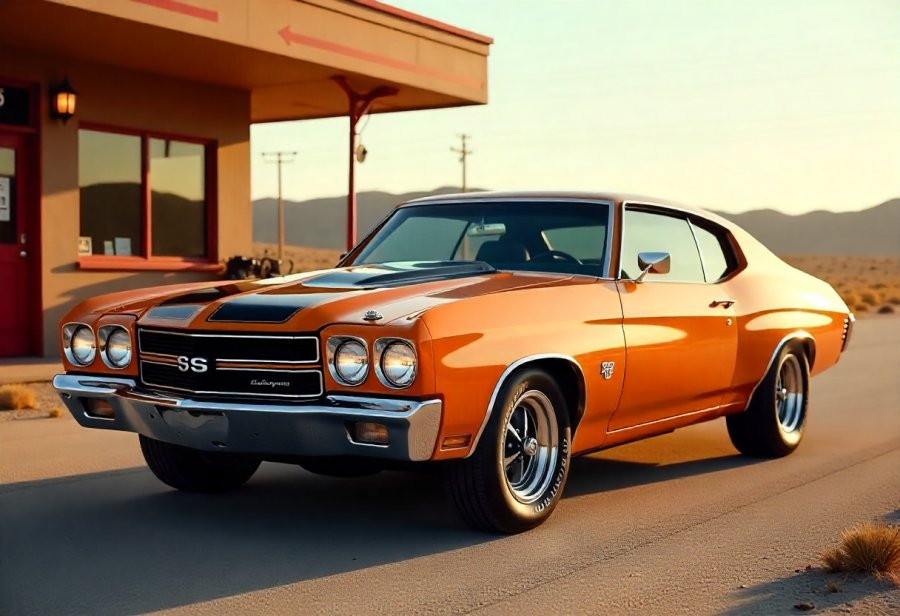
    Unleashing American Muscle: The Iconic 1970s Chevrolet SS

    The 1970s Chevrolet SS stands as a defining symbol of the muscle car era, capturing the essence of American automotive passion at its most bold and uncompromising. These cars weren’t just transportation; they were rolling expressions of power and attitude, designed to turn heads and dominate the streets. With their muscular contours, wide stances, and aggressive styling, models like the Chevelle SS 454 embodied a rebellious spirit that resonated deeply within car culture.

    At the heart of the Chevrolet SS’s cultural impact was its reputation for raw performance. The legendary 454 cubic inch V8 engine delivered staggering horsepower and torque, making it a true beast on the road. The thunderous exhaust and explosive acceleration became hallmarks of the muscle car experience, inspiring awe among enthusiasts and casual observers alike. Every rev of the engine and every roar from the tailpipes reinforced its image as a symbol of American engineering prowess.

    Beyond its mechanical might, the design of the Chevrolet SS reflected a performance-first philosophy. The bold lines, racing stripes, and wide wheel arches were more than aesthetics—they contributed to handling and stability at high speeds. The distinctive paint schemes, like Hugger Orange or black stripes, paid homage to racing roots and the era’s love for show-stopping visuals. These details elevated the muscle car from mere transportation to a statement of style and rebellion.

    The cultural significance of the Chevrolet SS extended far beyond the showroom. It appeared in movies, music videos, and magazines, cementing its status as an icon of American muscle. It symbolized freedom, independence, and a willingness to push boundaries. For many, owning or restoring a classic Chevrolet SS was about connecting with that rebellious, adventurous spirit—an act of defiance wrapped in shiny chrome and roaring engines.

    Restorers and collectors continue to cherish these cars for their authenticity and visceral driving experience. Preserving their legacy involves sourcing original parts and blending vintage charm with modern upgrades, ensuring these legends survive for future generations. Car shows and online communities serve as vibrant hubs where the culture of muscle cars thrives, sharing stories, techniques, and passion.

    The 1970s Chevrolet SS remains a powerful reminder of a time when horsepower ruled and style was just as important as speed. It’s more than a car; it’s a cultural icon that embodies the daring, craftsmanship, and rebellious attitude of the golden age of muscle cars. Its legacy continues to inspire both enthusiasts and newcomers, proving that true power and style never go out of fashion.

    Born from Rebellion: Tracing the Roots of the Muscle Car Era

    Muscle cars in America didn’t appear overnight; they evolved from a unique blend of post-war innovation, racing influences, and a culture hungry for speed. After World War II, automakers started pushing performance beyond basic transportation, inspired by the burgeoning popularity of motorsport and stock car racing. This drive led to the development of high-powered engines and stripped-down models designed for quick acceleration and agility, resonating with young drivers eager to rebel and seek freedom on open roads.

    In the early 1960s, manufacturers began producing vehicles that combined affordability with raw power. Big V8 engines became the signature feature, often housed in lighter, more aggressive bodies crafted to turn heads. The goal was clear: create machines capable of impressive speed at a price accessible to the average consumer. These cars quickly became symbols of independence, embodying a culture that celebrated individualism and standing out from the crowd.

    As the decade progressed, technological advances enhanced muscle cars’ capabilities. Improved suspension systems, better aerodynamics, and innovative chassis designs boosted handling without sacrificing raw speed. Their styling grew bolder—muscular lines, racing stripes, scoops, and aggressive grilles all contributed to their unmistakable look. Automakers fiercely competed to outdo each other in horsepower ratings and eye-catching aesthetics, fueling a fierce muscle car rivalry.

    Racing played a pivotal role in shaping the identity of muscle cars. Tracks and drag strips became testing grounds for high-performance technology, pushing engineers to develop engines capable of handling extreme speeds. This racing DNA translated directly to street models, giving them a reputation for durability and speed. Their aggressive aesthetics weren’t just about looks—they signaled serious capability and a readiness to dominate the streets.

    By the late 1960s, muscle cars had cemented their place as cultural icons. Models like the Pontiac GTO, Ford Mustang, and Dodge Charger appeared everywhere—on billboards, in movies, and in music. These cars represented more than transportation; they embodied rebellion, independence, and the thrill of living boldly. They weren’t just about getting from one point to another—they were about making a statement and asserting identity.

    The rise of muscle cars was driven by a desire to showcase American ingenuity and dominate the streets. Automakers recognized the market for high-performance vehicles that appealed to enthusiasts and everyday drivers alike. The result was a new breed of cars that combined style, affordability, and power, setting the stage for the muscle car boom of the 1970s.

    Throughout this period, muscle cars symbolized freedom, adrenaline, and craftsmanship. They captured the imagination of millions who wanted to push limits and live boldly. These vehicles became more than machines; they became symbols of American rebellion, innovation, and the pursuit of performance. Their legacy endures, reminding us that the true spirit of muscle cars lies in challenging boundaries and making a powerful statement on the road.
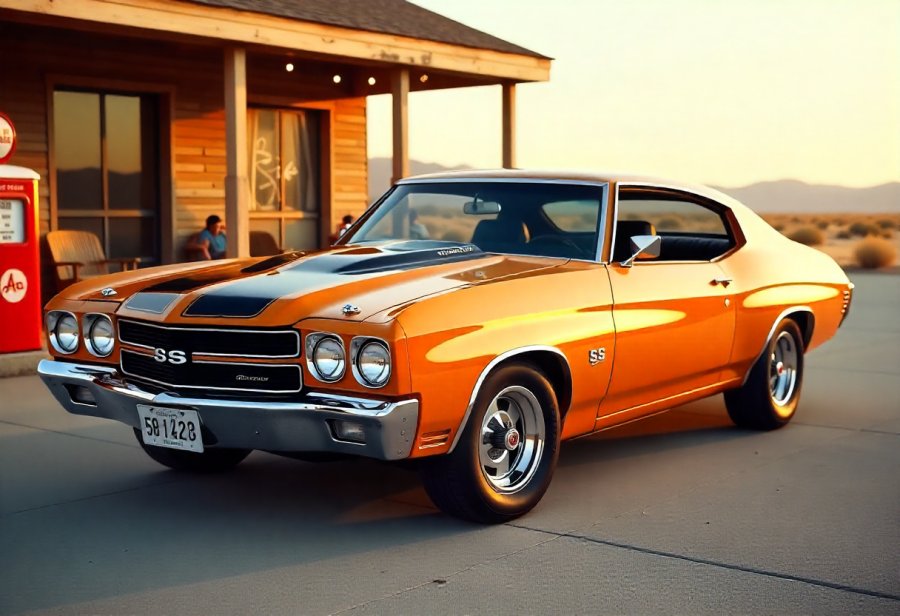
    The Power and Style of the 1970s Chevrolet SS: An Unforgettable Legend

    The 1970s Chevrolet SS stands out as a true icon of power and style, capturing the essence of the muscle car era with undeniable presence. Its design was bold and muscular, featuring aggressive lines, a wide stance, and distinctive accents that commanded attention on the road. The Chevelle SS 454, in particular, became legendary for its commanding silhouette and performance capabilities. Every detail, from the prominent grille to the hood scoops and wide wheel arches, was crafted to emphasize strength and speed, making it a visual statement of American muscle.

    Beneath its striking exterior, the Chevelle SS 454 packed a punch with its massive 454 cubic inch V8 engine. Capable of producing up to 450 horsepower and 500 lb-ft of torque, it was one of the most formidable engines of its time. The deep, thunderous exhaust note became synonymous with muscle car power, echoing the raw energy the car was built to unleash. Accelerating from zero to sixty in just over five seconds, the SS 454 was more than just a showpiece — it was a serious performer on the street and drag strip alike.

    The car’s design reflected a performance-first philosophy. Its muscular stance and aggressive styling cues weren’t just for aesthetics—they enhanced handling and stability at high speeds. Classic paint schemes like Hugger Orange and black stripes reinforced its racing heritage and rebellious attitude. Every element was carefully considered to create a vehicle that looked as powerful as it performed, whether cruising through city streets or showcasing at a car show.

    Beyond its mechanical prowess, the Chevrolet SS became a cultural symbol of American ingenuity and rebellion. Its thunderous engine roars and muscular silhouette made appearances in movies, music, and magazines, cementing its place in pop culture. Restorers and collectors continue to cherish these cars for their authenticity and visceral driving experience. Preserving their legacy involves sourcing original parts and blending vintage charm with modern upgrades, ensuring these legends survive for future generations.

    The legacy of the Chevrolet SS endures because it embodies an era when horsepower and style were inseparable. These cars are more than collectibles; they symbolize freedom, craftsmanship, and the daring spirit of American muscle. Whether driven on open roads, displayed at shows, or restored to pristine condition, the Chevelle SS 454 remains a powerful reminder of the golden age of muscle cars. Its roar continues to inspire enthusiasts and newcomers alike, embodying the bold attitude that defined an unforgettable era.

    From Nostalgia to Modern Revival: The Enduring Allure of Classic Muscle Cars

    The appeal of classic muscle cars like the 1970s Chevrolet SS goes far beyond nostalgia; it taps into a timeless desire for power, rebellion, and individuality. These vehicles, with their thunderous engines and muscular lines, evoke a visceral feeling that continues to captivate enthusiasts and newcomers alike. Restorers and collectors breathe new life into these legends, blending authenticity with modern upgrades to ensure they remain relevant in today’s automotive landscape. Preserving their mechanical integrity and iconic look is a labor of love, as each restored car becomes a rolling tribute to a golden era of American ingenuity.

    The community of muscle car fans plays a vital role in maintaining this vibrant culture. Car shows, online forums, and enthusiast clubs serve as gathering spaces where stories, restoration tips, and passion are shared. These interactions foster a sense of camaraderie that transcends generations, making the preservation and celebration of muscle cars a collective effort. Every restored vehicle is more than a piece of metal; it’s a symbol of craftsmanship and a badge of rebellion that continues to inspire.

    Today’s manufacturers are also contributing to this revival by reimagining vintage aesthetics with contemporary technology. Modern muscle cars often feature sleek, updated designs that pay homage to the golden age while incorporating safety, efficiency, and performance advancements. This blend of past and present appeals to a growing audience that seeks the look and feel of a classic muscle car but with the reliability and comfort expected today. It’s a way to honor history without sacrificing innovation.

    The emotional connection to these cars remains strong. For many owners, restoring a muscle car isn’t just about possession—it’s about reconnecting with a rebellious spirit rooted in freedom and adrenaline. The sound of a vintage big-block engine, the sight of a muscular stance, and the feeling of raw power at the throttle continue to stir excitement and pride. These cars are symbols of American craftsmanship and independence, embodying a daring attitude that refuses to fade.

    Cultural media keeps muscle cars in the spotlight, from classic films like “Bullitt” to modern social platforms where enthusiasts share projects and stories. This digital dialogue helps keep the culture alive, inspiring new generations to appreciate the artistry and performance that define these vehicles. For many, owning and restoring a muscle car is more than a hobby—it’s a way to keep a piece of history roaring into the future.

    Despite the passing decades, the legacy of muscle cars endures, fueled by a shared passion for performance and style. They stand as symbols of rebellion, innovation, and the pursuit of adrenaline, inspiring both respect and desire. Restoring and maintaining these icons isn’t just about preserving vehicles; it’s about keeping alive a mindset of independence and boldness that continues to resonate today.

    As the automotive world evolves, muscle cars are adapting without losing their core identity. Whether through electric reinterpretations or modernized classics, the spirit of American muscle remains alive and well. Each new model, inspired by the past but built for the future, carries forward the audacious attitude that made muscle cars legendary. Their roar may change tone, but the passion and power remain steadfast, ensuring that the muscle car’s legacy will continue to inspire for generations to come.

    Revving Into the Future: Innovations and Trends Shaping Muscle Cars Tomorrow

    Looking ahead, the future of muscle cars is blending the raw power and bold style of the past with cutting-edge technology that’s redefining performance. Electric muscle cars are gaining ground, offering instant torque and jaw-dropping acceleration while maintaining that iconic roar enthusiasts cherish. Automakers are reimagining vintage aesthetics with sleek, modern designs, creating vehicles that honor tradition yet incorporate the safety, efficiency, and reliability expected today. This fusion of old-school attitude with new innovation is making high-performance cars more accessible and practical for a wider audience.

    Advancements like lightweight composites, active aerodynamics, and electronic driver aids are transforming muscle cars into more capable performers. These innovations improve handling, safety, and fuel efficiency without sacrificing their aggressive look. Battery technology is evolving rapidly, offering longer ranges and quicker charging times—making electric muscle cars a viable option for everyday drivers who crave speed and style. The idea of a vehicle that combines high performance with sustainability is no longer a distant dream; it’s becoming a reality that appeals to a new generation eager for excitement without the environmental guilt.

    Despite these technological shifts, the cultural essence of muscle cars remains strong. They symbolize freedom, rebellion, and American ingenuity—values that continue to resonate across generations. Manufacturers recognize this emotional connection and are designing models that evoke the spirit of the golden age, even as they incorporate modern tech. This ongoing dialogue between past and future keeps muscle cars relevant, inspiring both nostalgia and innovation in equal measure.

    Enthusiasts and collectors play a key role in shaping this evolution. Car clubs, online forums, and shows provide spaces to share restoration stories, explore new trends, and celebrate the legacy. Following industry news and manufacturer releases helps keep the community informed and excited about emerging concepts—whether hybrid systems that blend the sound and feel of a classic V8 with electric torque or entirely new performance paradigms. This vibrant scene fuels continuous innovation and keeps the passion for muscle cars alive.

    Sustainability is becoming a central theme, with future models potentially offering hybrid or fully electric setups that deliver the same visceral experience—loud, fast, and fiercely independent—while reducing environmental impact. The core spirit of American muscle isn’t fading; it’s evolving, embracing new technologies without losing its rebellious soul. Retro-inspired designs and groundbreaking innovations will continue to coexist, inspiring new generations to push limits and make bold statements on the road.

    In all, the future of muscle cars promises a thrilling blend of heritage and innovation. As technology advances, these vehicles will become more than just symbols of a bygone era—they will be the torchbearers of a new chapter in performance and style. The roar of the engine may change tone, but the essence of American muscle—its attitude, its power, and its spirit—remains alive and well, fueling the passion of enthusiasts and newcomers alike for years to come.


  • Reconnect with Nature and Boost Wellness Through Trail Running

    Reconnect with Nature and Boost Wellness Through Trail Running

    Could venturing into nature unlock a deeper level of wellness that modern routines often overlook? Running through scenic trails offers more than just physical exercise—it’s a transformative experience that rejuvenates both body and mind. Immersed in lush greenery, with fresh air and natural rhythms, runners find a meditative escape that reduces stress, boosts mood, and enhances mental clarity. The varied terrain challenges stabilizing muscles and builds endurance in ways flat surfaces cannot. Historically rooted in human survival, trail running has evolved into a sport that celebrates resilience, mindfulness, and environmental connection. Today’s enthusiasts, equipped with innovative gear and fueled by a global community, embrace outdoor adventure for holistic health. Could this simple act of stepping outside be the secret to lasting vitality, balance, and peace amid the chaos of daily life? The path to wellness might just be found on a trail, waiting to be explored.

    Experience Holistic Wellness Through Nature Running

    Running through nature offers more than just a way to stay active; it provides a holistic approach to enhancing both mental and physical health. Unlike indoor workouts or city jogging, hitting a trail immerses you in an environment that actively engages your senses and promotes a sense of calm. The sights of greenery, the sounds of rustling leaves, and the fresh air create a peaceful escape from modern life’s constant noise and distractions. This connection with nature helps reset your mind and revitalizes your body, turning exercise into a restorative experience.

    Trail running combines cardiovascular benefits with mental clarity. The uneven terrain challenges your muscles and improves balance, coordination, and strength, offering a more dynamic workout than flat surfaces. Simultaneously, the natural surroundings have a calming effect that reduces stress hormones like cortisol. Many runners describe their time on the trail as a moving meditation, where rhythmic breathing and footsteps help clear the mind and foster mindfulness. Over time, this practice nurtures resilience and cultivates a more centered outlook on life.

    Beyond the physical and mental perks, outdoor running nurtures emotional well-being. The scenic environment acts as a distraction from daily worries, encouraging you to focus on your surroundings and your body’s movements. This mindfulness helps lower anxiety and lifts your mood, making it easier to face everyday challenges. Regular runs in green spaces become a mental refuge, helping you feel more balanced and less overwhelmed. It’s a simple activity with profound effects, creating a ripple of benefits that extend into many aspects of daily life.

    In addition, outdoor running supports physical health in ways indoor workouts often can’t. Softer earth trails absorb impact better than concrete, reducing joint strain. Navigating hills and uneven terrain builds endurance and engages stabilizing muscles that are often neglected on flat surfaces. These physical challenges promote overall strength and help prevent injuries. The combination of physical exertion and mental calm makes outdoor running a comprehensive approach to achieving lasting wellness, blending fitness with mindfulness.

    In essence, incorporating trail running into your routine opens the door to a healthier, more balanced life. It’s more than exercise—it’s a journey toward reconnecting with nature, reducing stress, and nurturing your well-being. Each step outside onto the trails offers an opportunity to refresh your body and mind, fostering resilience and clarity. By embracing this practice, you invite a natural, sustainable way to enhance your overall health and find moments of peace amid the chaos.

    Tracing the Roots: The Evolution of Trail Running

    The story of trail running stretches back thousands of years, rooted deeply in human survival and culture. Early humans relied on endurance running not just as a sport, but as a vital skill for hunting, gathering, and exploring vast, rugged landscapes. Their ability to cover long distances on uneven terrain was essential for survival, laying the groundwork for what we now call trail running. Over generations, various cultures incorporated running into rituals and traditions, transforming it from a necessity into a meaningful activity connected to community, spirituality, and identity.

    Ancient civilizations like Greece celebrated running as a symbol of strength and excellence. The original Olympic races took place on natural tracks and open fields, emphasizing physical prowess in harmony with nature. Indigenous groups, such as Native American tribes, regarded running as a spiritual practice—a way to connect with ancestors and the land. These ancient traditions highlight how outdoor running was more than just physical exercise; it was intertwined with cultural and spiritual life long before it became a modern fitness trend.

    The rise of trail running as a sport gained momentum in the 20th century, driven by increasing health awareness and a desire to reconnect with nature. Organized trail races emerged in the 1970s and 80s, showcasing the challenge and beauty of natural terrains. Ultramarathons and mountain races pushed athletes to their limits, blending athleticism with a love for the outdoors. These events helped establish trail running as a sport that celebrates endurance, resilience, and a deep appreciation for the environment.

    As urbanization expanded, more runners sought escape from paved roads, turning to the wilderness. Trail running became a way to experience nature firsthand while maintaining fitness. Influential figures like Scott Jurek and Kilian Jornet inspired many by pushing the boundaries of endurance in wild landscapes, broadening the sport’s appeal. Today, technological advances—such as lightweight shoes, GPS devices, and outdoor gear—make exploring rugged terrain safer and more accessible, fueling its growth across the globe.

    Regional variations have enriched trail running, adapting it to local landscapes and cultural values. In Japan, spiritual elements and mindfulness practices are often integrated into trail routines. Scandinavian countries embrace winter trail running, with gear designed for snow and cold. North American forests and mountain ranges support a vibrant scene focused on outdoor adventure and conservation. These diverse influences reinforce trail running’s universal appeal as a holistic activity that combines physical challenge with a profound connection to nature.

    The ongoing evolution of trail running is driven by community, innovation, and environmental consciousness. Online networks share tips, stories, and sustainability initiatives, fostering a global movement that values both athletic achievement and ecological responsibility. As the sport continues to grow, it remains rooted in its fundamental purpose: a celebration of human resilience, a bond with the natural world, and a path to lasting wellness.

    The Modern Surge: Embracing Nature in Today’s Running Scene

    Today, trail running has surged in popularity, drawing a diverse mix of enthusiasts—from casual joggers seeking a scenic escape to seasoned ultramarathoners pushing their limits. This growth reflects a broader cultural shift toward outdoor activities and a deeper appreciation for the mental and physical benefits they offer. Modern trail runners often rely on specialized gear, like lightweight shoes designed for uneven terrain, moisture-wicking clothing, and hydration packs, making outdoor adventures more comfortable and accessible for all levels.

    Community plays a central role in today’s scene. Races and organized events, ranging from local 5Ks to multi-day mountain ultras, bring people together, fostering camaraderie and shared passion for nature. These gatherings motivate newcomers and seasoned athletes alike, creating a sense of belonging that keeps people engaged. Many runners also enjoy exploring trails solo or in small groups, finding their own rhythm while soaking in the scenery and reconnecting with the environment.

    Regional differences shape how trail running is practiced worldwide. In Japan, trails often incorporate spiritual practices, blending mindfulness with physical activity. Scandinavian countries, with their snowy landscapes, have developed gear suited for winter trail running, turning cold-weather terrains into a popular pursuit. North America’s vast forests and mountain ranges support a vibrant scene focused on outdoor adventure and environmental conservation. These variations demonstrate how trail running adapts to local landscapes and cultural values, enriching the global community.

    Technology has transformed the sport further. GPS watches, running apps, and online communities help track progress, share stories, and set goals, making outdoor running more engaging. Social media platforms foster connections across borders, inspiring more people to explore trails and adopt an active lifestyle. At the same time, awareness of environmental impact has grown, leading to initiatives like Leave No Trace and sustainable trail maintenance that help preserve natural spaces for future generations.

    Safety remains a priority as outdoor running expands. Planning routes carefully, checking trail conditions, and informing someone of your plans are essential steps. Basic trail awareness—such as navigating uneven terrain or recognizing local wildlife—builds confidence and ensures a safe experience. Many organizations now offer safety workshops and trail guides, making outdoor running more inclusive and secure for everyone, from families to solo explorers.

    Despite its increasing popularity, the essence of trail running remains rooted in harmony with nature. It’s about more than just fitness; it’s a way to reconnect with the environment while challenging oneself physically and mentally. The sport encourages mindfulness, resilience, and environmental stewardship—values that resonate deeply in today’s wellness landscape. This holistic approach underscores why trail running is more than a sport; it’s a lifestyle choice that fosters lasting well-being.

    The future of nature running looks promising, driven by ongoing innovation and community support. New gear, such as eco-friendly shoes and advanced outdoor apparel, makes exploring rugged terrain safer and more enjoyable. Digital platforms continue to connect enthusiasts worldwide, sharing tips and sustainability efforts. As awareness of mental health and environmental issues grows, trail running offers an accessible way to integrate physical activity with mindfulness and conservation.

    In embracing this practice, more people discover the profound benefits of outdoor running. Whether it’s a peaceful morning jog or a challenging mountain race, exploring natural trails provides a rewarding avenue for health, clarity, and connection. With each step into the wilderness, runners deepen their bond with nature and themselves, making trail running not just a fitness activity but a meaningful journey toward holistic wellness.

    Turning Theory Into Action: Practical Benefits of Outdoor Running

    Running through nature isn’t just an idealistic concept; it has real, tangible effects that can transform your daily life. The mental clarity gained from outdoor runs helps you approach work and personal challenges with a calmer, more focused mindset. Whether it’s a quick jog in a nearby park or a longer trail adventure, these moments in green spaces act as mental resets, reducing stress and boosting your mood for hours afterward.

    Physical benefits from outdoor running extend beyond cardio health. Navigating uneven terrain and varied surfaces builds strength, improves balance, and engages stabilizing muscles that often go unused on flat, paved roads. Softer earth trails absorb impact better than concrete, safeguarding your joints over the long term. This makes outdoor running a smarter, more joint-friendly option, especially if you’re seeking sustainable fitness that supports longevity.

    Proper gear plays a key role in making outdoor running practical and enjoyable. Lightweight trail shoes with good grip prevent slips and injuries, while moisture-wicking clothing keeps you comfortable in different weather conditions. Hydration packs and portable snacks support longer outings, ensuring you stay fueled and alert. When you’re prepared, consistency becomes easier, and the activity seamlessly fits into your weekly routine, turning exercise into a sustainable habit rather than a chore.

    Incorporating short outdoor runs into your schedule offers surprisingly powerful benefits. Even a brief session in a local park can elevate your mood and sharpen your focus. Over time, these small routines help build resilience against daily stress and fatigue, improving sleep and increasing energy levels. The cumulative effect of regular outdoor activity can lead to significant improvements in overall health, making wellness a natural part of everyday life.

    Connecting with nature through outdoor running also deepens your environmental awareness. Participating in local trail clean-ups or choosing eco-friendly gear reinforces your bond with the land. This sense of stewardship turns exercise into a meaningful act of conservation, encouraging you to protect the spaces that support your physical and mental health. It transforms running from a solitary activity into a shared commitment to sustainability.

    Safety remains a crucial aspect as outdoor running gains popularity. Planning routes carefully, checking trail conditions, and informing someone of your plans helps prevent accidents. Developing basic trail awareness—like navigating uneven terrain and recognizing wildlife—boosts your confidence and makes each outing safer and more enjoyable. Many organizations offer safety workshops, making outdoor running accessible and secure for everyone, from families to solo explorers.

    Ultimately, outdoor running is about more than just fitness; it’s a practical, accessible way to enhance your overall well-being. With the right preparation, a sense of purpose, and a connection to nature, you can make it a sustainable part of your life. Each step outside becomes an opportunity to boost your physical health, clear your mind, and reconnect with the environment—all vital ingredients for lasting wellness.

    Embrace the Journey: Cultivating Lasting Wellness with Nature Running

    Running through nature offers a powerful way to support both your body and mind, shaping a journey toward lasting wellness. The physical benefits—improved endurance, stronger muscles, and healthier joints—are clear, but the mental advantages are equally transformative. Regular outdoor runs help clear mental clutter, boost focus, and reduce stress, making everyday challenges easier to handle. The natural environment acts as a calming reset button, soothing your nervous system and fostering a sense of peace that lingers long after the run ends.

    The growing body of research confirms that time spent in green spaces can significantly lower anxiety and elevate mood. Many runners notice feeling more resilient, energized, and better equipped to face life’s demands. These changes develop gradually; consistency is key. Small, regular outings in nature build a foundation of mental clarity and physical strength that supports a healthier, more balanced life. Each step into the outdoors deepens this connection, turning exercise into a meaningful act of self-care and rejuvenation.

    Incorporating outdoor running into your routine doesn’t require elaborate plans or specialized equipment. Even a brief jog in a nearby park can provide a mental lift and boost your mood. Over weeks and months, these small efforts compound into noticeable improvements in energy, sleep quality, and overall wellbeing. The scenic trails keep motivation high and make fitness feel less like a chore and more like a natural extension of daily life. This simple activity becomes an accessible, sustainable way to foster resilience and happiness.

    Beyond personal health, outdoor running encourages a stronger bond with nature, inspiring a sense of responsibility for environmental preservation. Participating in trail clean-ups or choosing eco-friendly gear reinforces this connection. It transforms a solitary activity into a shared commitment to protect the spaces that support our wellness. As you nurture your body and mind, you also contribute to the health of the planet, creating a ripple effect of benefits that reach far beyond your own routine.

    There’s no better time than now to embrace outdoor running as a core part of your wellness journey. Whether it’s a peaceful morning jog or a challenging mountain trail, each step outside offers an opportunity to boost your physical health, clear your mind, and reconnect with the natural world. These moments of movement and mindfulness help you cultivate resilience and sustain your well-being amid life’s chaos. The path to lasting health is right outside your door—just lace up, step out, and let nature guide your way. Your body and mind will thank you for it.

  • Unlock the Secret to Healthier Hair with Scalp Massage

    Could simple scalp massages be the overlooked key to unlocking healthier, thicker hair? While countless products promise miraculous results, many neglect the foundation—our scalp itself. This age-old practice, rooted in diverse cultures, enhances blood circulation, relaxes tense muscles, and distributes natural oils, creating an optimal environment for hair growth. Despite modern innovations, the power of gentle fingertip strokes remains compelling, requiring only minutes a day and no expensive tools. The act not only supports physical health but also reduces stress, a common culprit behind hair thinning. As science and tradition merge, future innovations like smart devices and targeted serums promise to personalize and amplify these benefits. Could embracing this simple ritual—long valued across civilizations—be the secret to truly nourishing our scalp and revitalizing our hair from within? Sometimes, the simplest acts are the most effective, offering a holistic approach to hair health that’s accessible and timeless.

    Unlocking the Secret to Vibrant Hair: The Power of Scalp Massage

    Our scalp might seem like just the foundation where hair grows, but its health is actually central to how vibrant and strong our hair can be. When the scalp is well-nourished, relaxed, and properly circulated, hair follicles thrive, producing thicker, shinier strands. On the other hand, tension, inflammation, and poor blood flow can slow down growth and leave hair looking dull or thinning. Many people focus on topical treatments or fancy products, but they often overlook the importance of caring for the scalp itself—the foundation of healthy hair.

    One of the simplest yet most effective ways to support scalp health is through massage. Cultures across the globe have long used gentle head stimulation to promote relaxation and boost circulation. From traditional Chinese practices to Ayurvedic routines, the message is clear: a relaxed, well-circulated scalp creates better conditions for hair to grow. Despite modern hair care innovations, scalp massage remains relevant because it targets the root issues—blood flow and scalp condition—that influence hair vitality.

    Research on scalp massage is still emerging, but early studies and countless personal stories suggest that regular stimulation can enhance blood flow to hair follicles. Improved circulation ensures that oxygen and nutrients reach the roots more effectively, supporting stronger, healthier growth. Beyond physical benefits, many find that massaging the scalp helps reduce stress and tension, which are often linked to hair shedding and thinning. It’s a simple act that nurtures both scalp and mind.

    What makes scalp massage especially appealing is how easy it is to incorporate into daily routines. You don’t need expensive tools or elaborate setups—just your fingertips and a few minutes. Whether done dry or with nourishing oils like coconut or jojoba, the goal is to gently stimulate the scalp in small circles, particularly in areas prone to tension. Making it a regular habit turns a simple act into a relaxing ritual with real potential benefits.

    Supporting scalp health through massage isn’t about overnight miracles. Hair grows in cycles, so consistent practice over weeks and months is key. Many people notice less tension, improved scalp comfort, and shinier hair with regular effort. It’s a low-cost, natural method that promotes overall wellbeing, making it a valuable addition to any hair care routine. When combined with good nutrition and stress management, scalp massage can be a straightforward step toward healthier hair from the inside out.

    Ancient Roots and Cultural Significance of Scalp Care Around the World

    Scalp massage isn’t just a modern wellness trend; it’s a practice with deep roots in the history and cultures of many societies around the world. In ancient China, head and scalp stimulation played a vital role in holistic healing systems. Practitioners used gentle finger movements and specialized tools to promote relaxation, restore balance, and clear energy blockages. These routines weren’t merely about beauty—they aimed to enhance overall wellbeing and spiritual harmony, viewing the scalp as a crucial point for maintaining health.

    Similarly, Ayurveda from India emphasizes “Shiro Abhyanga,” a head massage involving warm oils and gentle strokes. This ritual is designed to boost circulation, nourish hair follicles, and release mental tension. In Ayurvedic thought, the head is considered a seat of spiritual energy, and massaging it is believed to support mental clarity and emotional balance, making it a daily act of self-care and spiritual connection.

    In Europe, scalp massage has historically been part of grooming routines, especially during the Victorian era. Hair care often included scalp rubbing and head massages in salons and homes to keep hair vibrant and healthy. These practices also served as moments of relaxation and social bonding, reflecting how grooming was intertwined with personal wellbeing and social status. Such routines reinforced the idea that caring for the scalp was a vital step in overall beauty and health.

    Across other regions, traditional hair care practices also highlight the importance of scalp stimulation. In Africa, natural oils and herbal mixtures were massaged into the scalp to promote growth and prevent dryness. Indigenous cultures worldwide recognized the scalp’s significance not only for health but also for spiritual connection, often turning scalp massage into communal rituals that strengthened social bonds and collective wellbeing.

    Throughout history, these practices have transcended mere grooming—they’ve embodied beliefs about health, energy flow, and spiritual harmony. Many cultures viewed the scalp as a gateway to overall vitality, with massage serving as a nurturing act that balanced body and mind. These rituals were often embedded in daily life, passed down through generations, and adapted over time, maintaining their core purpose of promoting health and relaxation.

    Today, this rich cultural heritage continues to influence modern practices. The resurgence of interest in traditional self-care methods brings ancient scalp massage routines into contemporary wellness routines. Recognizing the cultural significance and historical longevity of these practices adds depth to their relevance, reminding us that simple acts of head stimulation have long been valued as tools for health, relaxation, and spiritual connection across civilizations.

    Modern Techniques and Theories Shaping Today’s Scalp Massage Practices

    Contemporary scalp massage practices combine time-tested techniques with modern tools and scientific insights, making them accessible and effective for today’s routines. Most people start with simple fingertip movements—small, circular strokes across the entire scalp. This straightforward method stimulates blood flow directly, delivering oxygen and nutrients to hair follicles. It’s easy to do, requires no special equipment, and fits seamlessly into daily self-care, whether during shampooing or as a quick morning ritual.

    Many now incorporate natural oils like coconut, jojoba, or castor into their massage routines. These oils nourish the scalp, improve skin elasticity, and enhance the overall experience. Applying oil beforehand helps fingers glide smoothly and adds hydration, but even dry massage offers benefits—mainly increased circulation and muscle relaxation. The key is gentle, consistent stimulation, which supports a healthy environment for hair growth.

    In recent years, tools such as scalp brushes, massage rollers, and electronic massagers have gained popularity. These devices provide targeted pressure and more consistent stimulation, especially in hard-to-reach areas. Adjustable settings allow users to customize intensity and duration, making the massage more effective and comfortable. This variety of tools caters to different scalp conditions and preferences, broadening the appeal of regular scalp stimulation.

    The core goal of these practices is to boost blood circulation and reduce muscle tension. Better blood flow delivers vital nutrients to hair follicles, promoting healthier growth and stronger strands. Relaxing tense muscles alleviates discomfort and prevents circulation restrictions that can develop over time. When combined, these effects create an optimal environment where hair can thrive, making scalp massage a valuable addition to any hair care routine.

    Many experts now view scalp massage as part of a holistic approach to hair health. It supports overall scalp wellbeing, reduces stress, and even improves mental clarity. This broader perspective aligns with wellness trends emphasizing self-care routines that benefit both body and mind. While not a replacement for medical treatments, regular scalp massage is a simple, low-cost way to support natural growth and vitality, especially when combined with good nutrition and stress management.

    For those interested in enhancing their scalp massage routine, exploring various tools and techniques can offer additional benefits. Incorporating different methods, such as using specialized scalp brushes or electronic massagers, can further improve circulation and relaxation. To learn more about effective scalp massage practices and discover recommended products, you can visit this comprehensive guide on scalp health.

    Step-by-Step Guide to Incorporating Scalp Massage for Healthy Hair Growth

    Incorporating scalp massage into your daily hair care routine is straightforward and doesn’t require much time or effort. The key is consistency—making it a regular habit ensures your scalp and hair benefit over the long run. Find a comfortable spot, whether sitting or lying down, and gently use the pads of your fingertips to make small, circular motions across your entire scalp. Focus on areas where tension tends to build, like the temples, crown, and sides. Keep your touch light; there’s no need to press hard. Gentle strokes stimulate blood flow without causing irritation, turning the massage into a relaxing ritual rather than a vigorous task.

    If you’d like to boost the nourishing effects, applying a small amount of natural oil beforehand can help. Coconut, jojoba, or castor oils are popular choices because they hydrate the scalp and make your fingers glide smoothly. However, massaging without oil still provides benefits, mainly by increasing circulation and relaxing tense muscles. The goal is to gently awaken your scalp, not to mimic a deep tissue massage. Just a few minutes each day can lead to noticeable improvements in scalp comfort and hair vitality over time.

    Set aside about five minutes daily for this practice. You might do it during your morning routine, while shampooing in the shower, or before bed. Even a quick five-minute session, if done regularly, can help reduce tension, improve scalp health, and support healthier hair growth. The key is to stick with it; consistency makes the difference. Over weeks and months, you may notice less scalp tension, increased comfort, and shinier, healthier-looking hair. Turning scalp massage into a daily habit creates a soothing self-care ritual that benefits both your mind and your hair.

    Pay attention to your scalp’s response as you begin. Start with very gentle pressure and gradually increase if your scalp feels comfortable. If you experience any discomfort or sensitivity, reduce the pressure and focus on softer, more calming strokes. Creating a relaxing environment—perhaps with calming music or a quiet space—can enhance the experience, making it feel like a mini retreat. The goal is to relax and enjoy the process. Gentle, consistent massage is more effective than rushed or rough movements, so aim for a steady, mindful routine rather than intensity.

    Linking scalp massage to existing routines helps embed it into your daily life. Incorporate it while brushing your teeth, applying moisturizer, or doing other self-care tasks. Focus on slow, deliberate motions that promote relaxation rather than rushing through. As it becomes part of your routine, the act will feel natural and effortless. Over time, you’ll start noticing subtle benefits such as reduced tension, a healthier scalp, and shinier hair. This simple addition can support your hair’s natural growth cycle and overall health, making it a valuable, easy step in your self-care arsenal.

    By making scalp massage a regular part of your routine, you harness a powerful yet overlooked tool for healthier hair. It’s affordable, simple, and backed by both tradition and science. With consistent practice, you’ll nurture your scalp, reduce stress, and create the ideal environment for your hair to thrive. This small effort can lead to significant results, proving that sometimes, the simplest acts are the most effective.

    The Future of Scalp Care: Innovations, Research, and Holistic Approaches

    Looking ahead, the future of scalp care and massage is set to blend age-old traditions with cutting-edge technology, creating more personalized and effective routines. Innovations like smart devices equipped with sensors and AI are beginning to analyze scalp conditions in real time. These tools can measure moisture levels, tension, and overall scalp health, then adjust massage techniques and intensity accordingly. Such personalized approaches promise to optimize benefits, especially for those seeking targeted results without the guesswork.

    Meanwhile, ongoing research is developing new formulations of serums and oils designed specifically for massage routines. Ingredients like peptides, botanical extracts, and microelements are being explored for their ability to work synergistically with stimulation, nourishing hair follicles and strengthening roots. Future products may seamlessly integrate nourishing compounds into massage-friendly formats, turning every session into a comprehensive treatment that supports hair growth from within.

    The integration of massage with emerging therapies like low-level laser therapy, microcurrent stimulation, or radiofrequency treatments also holds promise. When combined with regular scalp stimulation, these techniques could amplify benefits, helping to combat thinning and promote healthier follicles. Although in the early stages, these combined approaches reflect a broader shift toward holistic scalp health practices backed by science.

    As research deepens, clearer guidelines will likely emerge on the most effective techniques—covering optimal pressure, duration, and frequency—that maximize results. Studies are examining how different massage styles influence blood flow, stress levels, and follicle vitality, which will help refine routines for better outcomes. Advances in technology will enable more precise, tailored protocols, making effective scalp massage accessible to a wider audience.

    Beyond technical innovations, there’s growing awareness of how scalp health ties into overall wellbeing. Factors like stress, sleep quality, and nutrition are increasingly recognized as influencing hair health. Future routines may be tailored not only to scalp conditions but also to broader health goals, such as calming the nervous system or improving sleep patterns—integrating scalp massage into a holistic self-care approach.

    Staying informed will be key as this field evolves. The market may flood with new devices, products, and research findings—some promising, others less so. Critical assessment and reliance on reputable sources will help navigate this landscape. By combining traditional wisdom with scientific progress, future scalp care routines will become more personalized, effective, and seamlessly integrated into everyday wellness.

    In the end, the future of scalp massage is about adaptation and innovation. With technological advances and a deeper understanding of scalp and overall health, we can expect more precise, impactful methods that support healthier hair for everyone. This evolution will transform a simple, ancient act into a sophisticated tool—empowering individuals to nurture their scalp and hair more effectively than ever before.

  • Unleashing the Raw Power and Rebellion of the Dodge Charger

    Unleashing the Raw Power and Rebellion of the Dodge Charger

    The Dodge Charger stands as an enduring icon of American muscle—embodying raw power, rebellious spirit, and unmistakable design. From its late-’60s roots to today’s high-performance variants like the SRT Hellcat, it has consistently ignited primal instincts and captured imaginations. What makes this legendary car truly special? Is it its thunderous engines, aggressive styling, or its cultural status as a symbol of freedom and defiance? As it evolves amidst industry shifts toward electrification, the Charger faces a pivotal question: can it maintain its visceral authenticity while embracing innovation? Its roaring engines and bold stance evoke a sense of unfiltered strength, yet the future may see its raw power transformed by electric technology. Nonetheless, the Charger’s legacy as a rebellious force on the road is unshakable. Will it continue to own the streets in new forms? Or will its primal spirit adapt yet remain unmistakably Charger?

    The Dodge Charger: An Icon of Rebellion and Power

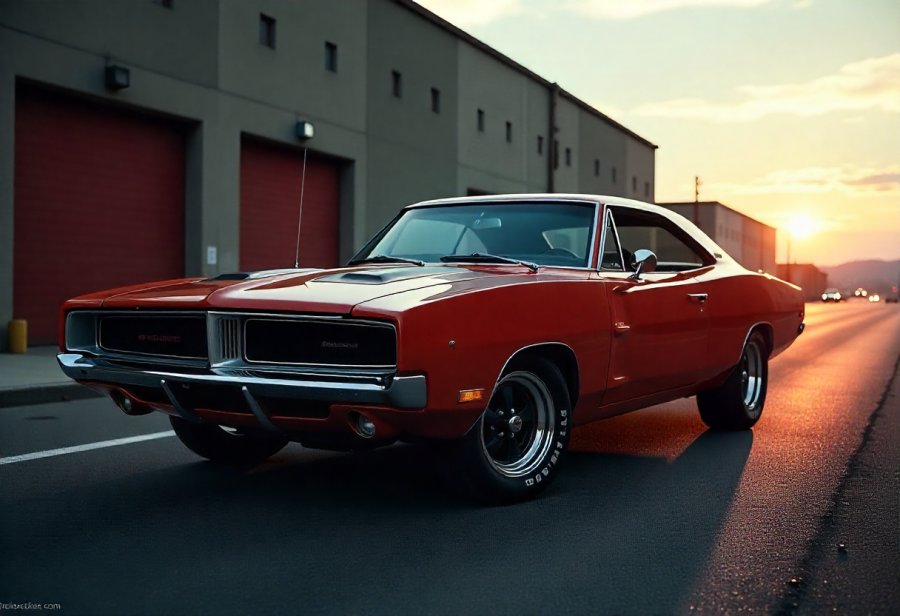
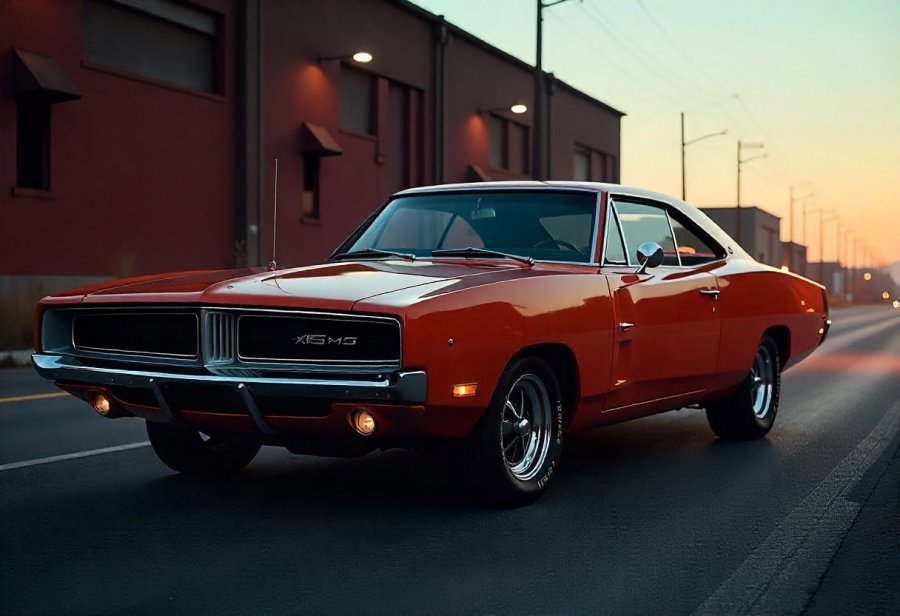
    The Dodge Charger stands as more than just a car; it’s an icon that captures the rebellious spirit of American muscle. Its bold lines, aggressive stance, and distinctive design have made it a symbol of power and freedom on the open road for over five decades. When the Charger first appeared in the late 1960s, it quickly became a cultural powerhouse—embodying speed, attitude, and a desire to push boundaries. Its long hood, muscular profile, and signature four round taillights are instantly recognizable and have helped define the muscle car aesthetic.

    Throughout its history, the Charger has consistently represented more than transportation—it’s a statement. Featured in movies, music, and street racing scenes, it’s often associated with rebellion and adrenaline-fueled freedom. Whether tearing through city streets or making a bold appearance on the big screen in films like *Bullitt* or *Fast & Furious*, the Charger’s image is rooted in raw power and daring attitude. Its presence commands attention, inspiring respect wherever it goes.

    The story of the Dodge Charger isn’t just about its striking appearance; it’s about evolution. The original models from the late ’60s and early ’70s set the standard for American muscle cars with high-performance V8 engines and fierce styling. These early versions—especially the R/T and Daytona trims—became legends thanks to their speed and boldness. Despite market shifts and regulatory challenges, the Charger’s legacy endured, fueled by a passionate fan base and a reputation for fierce performance.

    In the 2000s, Dodge revived the Charger, blending nostalgic design cues with modern engineering. The new models paid homage to the classic look—long hoods, muscular contours—while incorporating advanced technology like electronic fuel injection and enhanced suspension. This combination appealed to both enthusiasts of the original and new drivers seeking high performance paired with daily usability. Today’s Chargers, including the mighty SRT Hellcat, continue that legacy with supercharged engines producing over 700 horsepower, proving that the rebellious spirit of the original lives on.

    What makes the Charger truly special is its ability to connect with primal instincts. Its design commands attention, and its engine roars with a ferocity that can’t be ignored. It’s a car built to unleash the inner rebel in every driver, offering an experience that’s as much about emotion as performance. Whether racing down the street or cruising with attitude, the Charger embodies the unfiltered power and freedom that define American muscle cars.

    In essence, the Dodge Charger is more than a vehicle—it’s a symbol of rebellion, strength, and raw power. Its legacy continues to inspire new generations of enthusiasts who crave the thrill of the open road. As it evolves into new forms, one thing remains certain: the Charger’s fearless spirit will always own the road.

    Evolution of a Legend: From 1966 to Today’s High-Performance Marvels

    The Dodge Charger’s journey from its debut in 1966 to today’s high-performance models is a story of relentless reinvention rooted in resilience. The earliest versions set a bold tone with sleek, fastback designs and powerful V8 engines that captured the spirit of American muscle at its peak. These models, especially the R/T and Daytona trims, became legends for their speed, aggressive styling, and commanding presence on the street.

    By the late ’60s and early ’70s, the Charger hit its stride, boasting engines like the 426 HEMI and 440 Magnum that delivered exhilarating torque and acceleration. Its wide stance, long hood, and signature four round taillights made it an unmistakable icon of rebellion. This era solidified its reputation not just as a muscle car, but as a street racing beast and a cultural symbol of raw power.

    However, the muscle car scene faced significant challenges during the mid-1970s. Stricter emissions standards, rising fuel prices, and safety regulations slowed production and diminished its prominence. Despite these obstacles, the Charger’s legacy persisted, maintained by devoted fans and the timeless appeal of its original design. Classic models from this era are now highly prized collectibles, representing a golden age of American muscle.

    The early 2000s marked a pivotal revival. Dodge combined nostalgic styling—long hoods and muscular contours—with modern engineering advancements. Technologies like electronic fuel injection and improved suspensions made the new Chargers more practical yet still packed with performance. This approach struck a chord with both longtime enthusiasts and new drivers seeking a blend of power and daily usability.

    In recent years, the Charger has pushed performance boundaries even further. Modern variants like the SRT Hellcat now feature supercharged HEMI engines that produce over 700 horsepower. These cars seamlessly combine vintage muscle car charisma with cutting-edge features—adaptive suspensions, high-tech braking systems—that elevate both speed and handling. Each iteration underscores a commitment to maintaining the muscle car’s fierce persona while embracing innovation.

    Throughout its evolution, the Charger has stayed true to its core identity: a symbol of American muscle and rebellion. From the roaring streets of the late ’60s to today’s high-tech performance machines, each version reflects a relentless pursuit of power and attitude. Its ability to adapt without losing its primal essence is what keeps it relevant and revered across generations.

    Looking ahead, the future of the Charger is both promising and uncertain. As automotive technology shifts towards electrification, the challenge lies in preserving the primal, visceral feel that defines the name. Yet, given Dodge’s history of reinvention, it’s likely that the Charger will continue to evolve—possibly into an electric or hybrid powerhouse—while maintaining that core spirit of rebellion and raw power.

    The Charger’s story is far from over. Its legacy of resilience and innovation suggests it will continue to inspire and thrill, owning the road in new ways. Whether in a vintage form or a modern electric iteration, the Charger’s fierce attitude and primal energy will remain at the heart of its identity, fueling the rebellious spirit that makes it legendary.

    Unleashing the Primal Spirit: What Makes the Charger a Symbol of Raw Power

    The Dodge Charger’s primal spirit runs deep, rooted in its embodiment of raw, unfiltered power and a rebellious attitude that refuses to be tamed. It’s more than just a muscle car; it’s a symbol of American strength and defiance, crafted to ignite a visceral sense of freedom and adrenaline on the open road. The deep, guttural roar of its engine—whether from vintage big-block V8s or modern supercharged HEMIs—speaks volumes about its fierce personality. That sound isn’t just noise; it’s a declaration that this car was born to dominate and command attention.

    Its aggressive styling, wide stance, and muscular lines work together to evoke instinctual road dominance. Wide fenders, a long hood, and a stance so commanding that it seems to challenge everyone around it. This design isn’t just for show; it’s built to intimidate and inspire, echoing the rebellious attitude that has defined American muscle cars for decades. The Charger’s aesthetic screams performance, but it also signals that this is a vehicle for those who crave more than just transportation—they seek an experience of primal power.

    The legendary status of the Charger is fueled by its core elements—big-block engines, unmistakable styling, and a stance that radiates confidence. The roar of the engine, especially from models like the 426 HEMI or the supercharged variants, embodies unrelenting torque and acceleration. These cars are more than machines; they are expressions of strength and speed, designed to unleash the beast within every driver. The sound, the look, the feel—all combine to reinforce its reputation as a street racing icon and a symbol of muscle car rebellion.

    Beyond aesthetics and sound, the Charger’s reputation is built on its ability to connect with drivers’ primal instincts. It invites you to embrace the thrill of the moment—whether roaring down city streets or tearing up the track. Its powerful engines and aggressive handling give a sense of ownership and control that feeds into the rebellious, untamed spirit. This isn’t a car that’s meant to blend in; it’s a vehicle that demands respect and commands the road through pure, unadulterated power.

    Street racing scenes have long celebrated the Charger’s raw capability, with its deep exhaust note and fearless stance making it a favorite among enthusiasts. It’s designed to turn heads and inspire awe, especially in moments where speed and attitude collide. The supercharged engines, capable of explosive acceleration, have turned the Charger into a modern-day street racing beast—an unmistakable symbol of muscle car rebellion that thrives on adrenaline and defiance.

    Modern models like the SRT Hellcat continue to push this legacy forward, equipped with over 700 horsepower of supercharged fury. These cars are not just about speed—they embody the ongoing pursuit of primal power, blending vintage muscle car charisma with cutting-edge technology. Their roar and performance serve as a reminder that the Charger’s rebellious spirit is alive and well, forever driven by the desire to unleash the beast and own the road with unrelenting authority.

    In Action: Witness the Dodge Charger’s Raw Power on the Street and in Culture

    The Dodge Charger’s raw power comes alive every time you get behind the wheel or catch a glimpse of it in action. Its thunderous engine roar commands attention, turning ordinary drives into adrenaline-fueled moments that leave a lasting impression. Whether tearing down city streets or cruising along open highways, the Charger transforms the mundane into a spectacle of strength and speed, inspiring awe in drivers and onlookers alike.

    When you hit the gas, the Charger’s acceleration hits like a punch, unleashing a ferocious surge of torque that’s hard to match. Its response is immediate, pushing you back into your seat as it devours miles with relentless energy. That deep, guttural engine note isn’t just sound; it’s a declaration of primal road dominance. Modern models like the SRT Hellcat pack over 700 horsepower, turning every throttle into a demonstration of unfiltered power and raw emotion.

    Beyond the pavement, the Charger is a staple in street racing and car culture. Night after night, these cars gather in parking lots and deserted streets, their aggressive stance and roaring engines drawing crowds and respect. The wide, muscular build and intimidating presence make it clear this isn’t just a car—it’s a symbol of rebellion and dominance. Owners take pride in customizing their Chargers with performance upgrades, amplifying that primal roar and reinforcing its reputation as a modern street racing beast.

    The Charger’s versatility adds to its appeal. It combines comfort, technology, and everyday practicality with the fierce attitude of a muscle car. Drivers can switch from relaxed cruising to full-throttle excitement with ease, feeling the explosive response that has defined the model for decades. This seamless blend of street-ready comfort and raw performance makes the Charger a true all-rounder that’s equally at home on the highway or in the spotlight.

    In every corner of car culture, the Charger’s ability to captivate and thrill remains unmatched. Its roar, stance, and performance create an experience that’s hard to forget. The sound of its engine, the sight of its muscular silhouette, and the feeling of unleashing its power all serve to reinforce its legendary status. The Dodge Charger isn’t just a machine—it’s a living symbol of raw American muscle and rebellious spirit, forever owning the road and energizing those who dare to drive it.

    Legacy and Future: The Enduring Rebellion of the Dodge Charger

    The Dodge Charger’s status as a legendary symbol of American muscle and rebellion is firmly secured in automotive history. Its roaring engines, aggressive design, and iconic presence have transformed it from a simple car into an enduring icon that represents strength, speed, and independence. From its roots in the late ’60s muscle car boom to today’s high-performance variants like the SRT Hellcat, the Charger has consistently embodied the raw energy and rebellious attitude that define American automotive culture. Its legacy is built on a foundation of relentless performance and an unyielding spirit of defiance.

    Looking ahead, the future of the Charger is both promising and uncertain. As the automotive industry accelerates toward electrification, enthusiasts wonder how this fierce icon will maintain its primal appeal in a changing landscape. The shift to electric and hybrid powertrains presents a challenge: how to preserve the visceral, unfiltered driving experience that has made the Charger a legend. Yet, Dodge’s history of innovation suggests that the Charger’s rebellious spirit will adapt, perhaps through electric muscle cars that deliver instant torque and breathtaking acceleration while staying true to its aggressive DNA.

    Advancements in electric motor technology could amplify the Charger’s legendary performance. Instant torque and rapid acceleration are becoming the hallmarks of electric power, opening new possibilities for unleashing primal power in ways previously unimaginable. Dodge is likely to focus on preserving the Charger’s bold, muscular aesthetic, ensuring it remains instantly recognizable even as its underpinnings evolve. Whether in electrified form or hybrid, the Charger’s core identity—a symbol of rebellion and raw power—will continue to resonate with both old fans and new generations.

    Despite the uncertainties, one thing remains clear: the essence of the Charger, as a vehicle of strength and attitude, will not fade away. Its cultural impact and the visceral thrill of its engines keep its spirit alive, inspiring both nostalgia and innovation. Whether in vintage guise or cutting-edge electric form, the Charger will continue to own the road and inspire rebellion. Its story of resilience and reinvention suggests it will remain a beacon for those who seek freedom, speed, and unrestrained power.

    As technology and consumer preferences evolve, the Charger’s challenge will be to balance tradition with innovation. The primal roar of a supercharged V8 may give way to the silent yet explosive power of electric motors, but the feeling of owning the road with unrelenting authority will persist. Dodge’s commitment to maintaining that fierce attitude—through design, performance, and spirit—will ensure the Charger remains relevant and revered. Its future may be electric, but its rebellious soul will endure, fueling the passion of a new generation of enthusiasts.

    Ultimately, the Charger’s legacy is defined by its ability to inspire and excite. It’s more than just a car—it’s a statement of independence and strength that transcends time. No matter how it evolves, the Charger will always be a symbol of primal, American muscle, owning the road with unbreakable attitude. Its journey from past to future underscores a relentless pursuit of power and rebellion, ensuring that its roar will continue to echo in the hearts of fans for generations to come.

  • Choosing Between Small Local Garages and Big Chains for Your Car Care

    Choosing Between Small Local Garages and Big Chains for Your Car Care

    When choosing between a small, family-run garage and a large automotive chain, your decision can significantly impact your vehicle’s long-term health. Are personalized, relationship-driven service and tailored care worth the potential limitations in advanced diagnostics? Or does the reliability, consistency, and technological edge of a big chain provide peace of mind for complex modern vehicles? Small garages often boast community trust, competitive pricing, and familiarity with older or classic cars, but may lag in cutting-edge technology. Conversely, large chains invest heavily in diagnostics, nationwide warranties, and standardized procedures, ensuring speed and precision, especially for newer models. Which approach aligns best with your priorities—personalized attention or technological assurance? The answer depends on knowing what matters most—trust, innovation, or convenience—yet both can deliver exceptional service when honesty, skill, and reputation are at the forefront. Your choice influences more than repairs; it shapes your vehicle’s future and your peace of mind.

    Choosing Between Small Garages and Large Chains: What Matters Most to You? Amplify Your Vehicle Care Decisions

    When your car needs attention, deciding where to take it can feel like a small dilemma with big implications. Do you visit a cozy, local family-run garage just down the street, or do you head to a large, nationwide chain? This choice isn’t just about convenience; it shapes the kind of service you’ll receive and can influence your vehicle’s long-term health. Both options have their strengths, and understanding what each offers can help you make a smarter decision tailored to your needs.

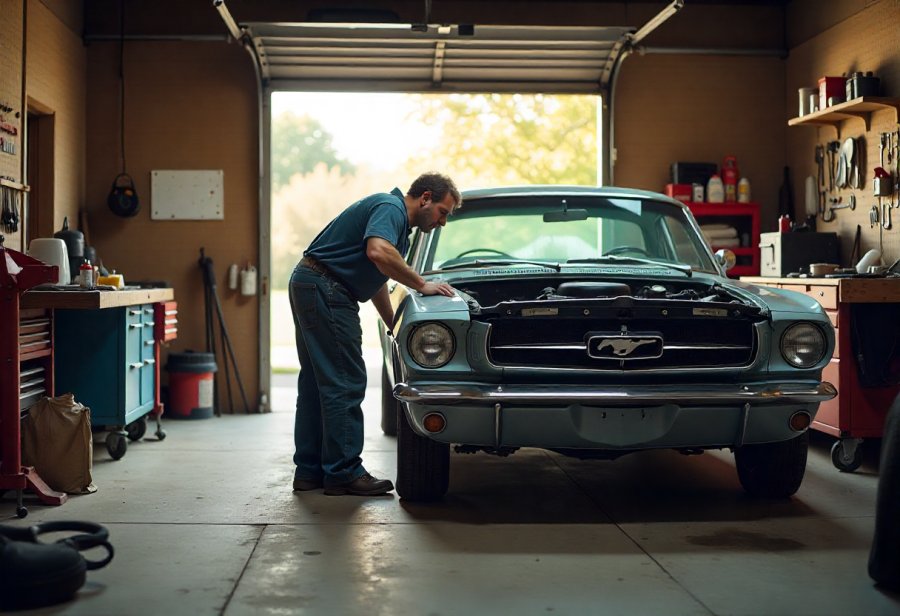
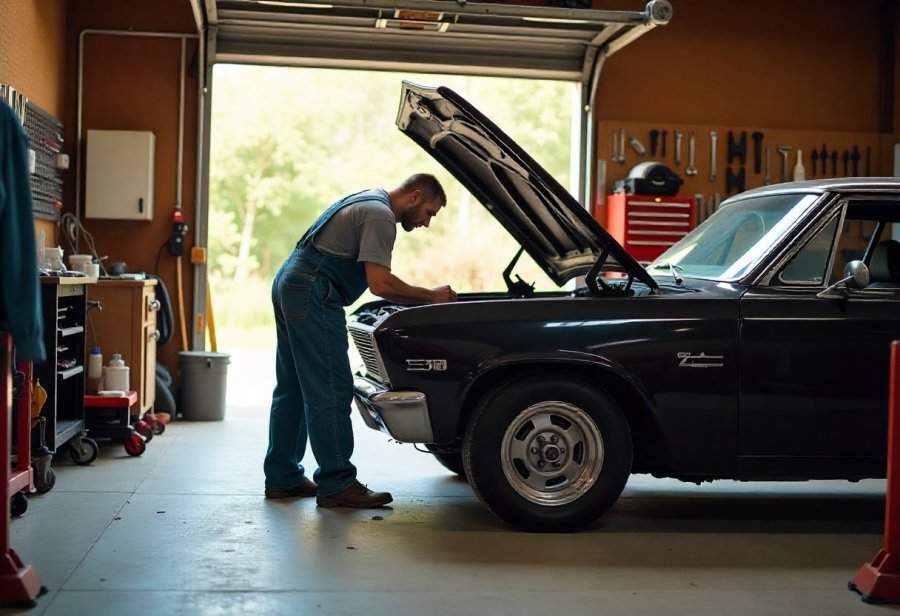
    Small, independent garages often build their reputation on personal relationships and community trust. They thrive on word-of-mouth recommendations and long-term customer loyalty. Because they rely less on advertising and corporate policies, they tend to offer more personalized service. You’re more likely to speak directly with the mechanic working on your car, fostering a relationship that can lead to better long-term care for your vehicle.

    These shops usually have lower overhead costs, which can translate into more competitive pricing and greater flexibility. They’re often more willing to customize solutions or work around your schedule. This can be especially valuable if you own an older or classic car that benefits from ongoing, tailored maintenance. Their familiarity with your vehicle’s history allows for a level of care that’s hard to match at larger, more impersonal operations.

    On the other hand, large automotive chains focus on delivering consistency and convenience across multiple locations. Their standardized procedures and nationwide warranties aim to provide a predictable experience wherever you go. If you frequently travel or move, knowing that your repairs and warranties are honored across the country can be a major comfort.

    Big chains tend to invest heavily in modern diagnostic tools and ongoing technician training, which helps them handle complex electronic systems found in newer cars. This technological edge often ensures faster, more accurate repairs. Yet, their size can sometimes mean service feels more transactional, with less personal attention and more upselling. Their higher prices reflect their branding and corporate overhead, but the consistency they offer remains a key selling point.

    In the end, the choice between a small garage and a large chain depends on what matters most to you—whether it’s a trusted relationship and personalized care, or the reassurance of standardization and technological capability. Both models have their place, and knowing their strengths helps you make informed decisions that support your vehicle’s health and your peace of mind.

    From Neighborhood Roots to Nationwide Success: The Evolution and Structure of Garage Giants and Local Gems

    The story of small, family-run garages begins in the early days of automobiles, when local mechanics set up shop in neighborhoods to serve nearby residents. These small shops thrived on personal relationships, relying heavily on word-of-mouth and reputation rather than advertising. Their success depended on trust built over years of consistent, reliable service, often passed down through generations. As cars grew more complex—moving from simple mechanical machines to electronic systems—these garages had to adapt quickly, investing in new tools and training to stay relevant.

    Meanwhile, large automotive service chains started to emerge around the mid-20th century. Their rise was driven by the need for consistent quality as vehicles became more sophisticated and widespread. These chains operate under a centralized management model, with standardized procedures, branding, and training programs designed to ensure uniform service across multiple locations. Their goal was to provide customers with the reassurance that, no matter where they went, the service and quality would be the same.

    The organizational structure of small garages tends to be simple and flexible. Usually run by the owner or a small team, decisions are made quickly, allowing for tailored services and rapid responses to customer needs. These shops often operate from a single location, depending heavily on their local reputation and personal connections. In contrast, large chains manage multiple outlets through a highly organized system, investing in extensive staff training and state-of-the-art diagnostic tools to maintain consistent standards.

    Technological advances have played a crucial role in shaping these models. Small garages, once reliant mainly on mechanical skills and manual tools, have increasingly adopted diagnostic technology—though often more slowly and at higher costs. Larger chains, on the other hand, led the industry by investing heavily in the latest diagnostic systems and manufacturer-approved procedures. This technological edge allows them to handle complex repairs more accurately and efficiently, especially as vehicles incorporate more electronic systems.

    The adoption of diagnostic tools marked a turning point in the industry. Traditional mechanical repairs depended on a mechanic’s experience, but today’s cars demand electronic diagnostics for precise troubleshooting. Large chains quickly embraced these tools, ensuring consistent repair quality across their outlets. Smaller garages have followed suit, recognizing that investing in diagnostics can improve repair accuracy and reduce future issues, though their pace of adoption varies based on resources.

    These differences in origins and structures explain why small and large garages operate quite differently today. Smaller shops remain rooted in community trust and personalized service but face challenges in keeping pace with rapid technological change. Larger chains focus on standardization, technological investment, and nationwide warranties, offering a different kind of reliability. Each reflects a distinct approach to balancing tradition and innovation, shaping options for vehicle owners in an evolving industry.

    Experience Top-Quality Auto Care at Beck Automotive Services in Thornhill

    For residents of Thornhill, Ontario seeking reliable and comprehensive vehicle care, Beck Automotive Services is your trusted partner. Specializing in a wide range of services including auto repair, oil changes, brake repair, vehicle maintenance, car diagnostic services, tire services, engine repair, and transmission service, Beck Auto ensures your vehicle stays in optimal condition. Whether you need routine maintenance or major repairs, their team is dedicated to delivering exceptional results. A standout feature is their used car sales, offering quality vehicles to meet various needs. For expert assistance, contact their team via email at [email protected] or call (416) 222-6583. Discover more about their professional vehicle service and experience the difference today.

    Industry Shifts and Technological Advances: Navigating Modern Trends in Garage Services

    Today’s automotive industry is evolving at a rapid pace, driven by technological advancements and shifting customer expectations. Small garages are increasingly adopting sophisticated diagnostic tools and digital record-keeping, but they often face higher costs and slower integration compared to larger chains. This means that while a family-run shop might offer more personalized service, they may not always have immediate access to the latest equipment, which can affect repair speed and precision. Meanwhile, industry trends show a clear move toward eco-friendly practices, with garages incorporating sustainable parts and services for electric vehicles. Both small and large operators are responding to this shift, but the scale and speed of their adaptation vary.

    The digital transformation is reshaping how garages communicate and serve their customers. Many businesses, regardless of size, now offer online booking, detailed service histories, and reviews. For small garages, establishing a strong online presence can be a game-changer, helping them compete with larger chains by providing personalized yet accessible service. Larger chains, with more resources, develop seamless digital platforms, loyalty programs, and transparent communication channels that reinforce their reputation for reliability and convenience. This integration of technology makes it easier for customers to research, schedule repairs, and trust their chosen mechanic.

    Advances in diagnostic technology have revolutionized repair work, especially for modern vehicles with complex electronic systems. These tools enable mechanics to identify issues quickly and accurately, reducing guesswork and unnecessary part replacements. Big chains often lead in adopting these innovations, investing heavily to ensure consistency across all locations. Smaller garages are catching up, recognizing that incorporating diagnostics improves repair quality and minimizes future problems. For vehicle owners, this technological edge can mean fewer breakdowns and longer vehicle lifespans, especially as cars become more electronically sophisticated.

    Environmental concerns are also shaping industry trends. More garages are embracing sustainable practices, such as using eco-friendly parts and promoting electric vehicle maintenance. Larger chains typically have dedicated training programs and resources to handle EV repairs, making them an attractive choice for owners of newer models. Smaller shops are beginning to explore these areas as well, but their capacity to keep pace depends on available resources and local demand. Overall, the shift toward greener practices aligns with growing consumer awareness and the automotive industry’s commitment to sustainability.

    Customer service expectations continue to evolve alongside technological and environmental changes. Today’s consumers value transparency, quick turnaround times, and clear communication. Online reviews and social media mean reputation spreads rapidly, emphasizing the importance of honesty and consistency. Small garages often excel at building trust through personal relationships and community ties, while larger chains focus on delivering uniform, reliable service across multiple locations. Both approaches aim to meet the new standards for efficiency and integrity, ensuring vehicle owners feel confident in their choice of repair shop.

    Your Practical Guide to Selecting the Perfect Garage: Tips for Confident Vehicle Maintenance Choices

    When choosing a garage for your vehicle, start with a quick online search. Review platforms like Google and Yelp reveal what other customers say about their experiences. Look for shops with consistently positive feedback about honesty, quality work, and clear communication. Personal recommendations from friends or family who have recently had reliable repairs can point you toward trustworthy mechanics in your area.

    Visiting a few local garages in person makes a big difference. Observe how the staff interacts with customers—are they friendly and professional? Is the shop clean and organized? Don’t hesitate to ask about certifications, such as ASE or manufacturer-specific credentials, especially if you own a newer or more complex vehicle. Talking directly to the mechanics helps you gauge their knowledge and transparency.

    Always request a written estimate before any work begins. A detailed quote should clearly list parts, labor, and warranties. This helps you compare prices and avoid surprises later. If a garage hesitates to provide a written estimate or pushes unnecessary repairs, consider that a red flag. Transparency and clear communication are key to building trust.

    Think about your vehicle’s age and complexity. For older or classic cars, a trusted local mechanic familiar with your model can provide personalized advice and ongoing maintenance. For newer, electronic vehicles, a chain with advanced diagnostic tools might be better equipped to handle complex repairs efficiently. Matching your needs ensures your car gets the appropriate care.

    Pay attention to the garage’s reputation over time. Consistent positive reviews and recommendations indicate a trustworthy shop. A well-regarded local mechanic is more likely to treat your vehicle with care and honesty. Conversely, frequent complaints or negative feedback should raise concerns about reliability.

    Technician certification is an important indicator of quality. Certified mechanics have undergone specialized training and testing, increasing the likelihood of accurate repairs. Asking whether staff are certified can save you headaches down the line and ensure your vehicle receives proper attention.

    Trust your instincts during your visits. A good mechanic will explain repairs clearly, answer your questions, and avoid pressure tactics. Building a relationship with a trustworthy garage makes ongoing maintenance easier and more reliable. Feeling confident in their honesty and expertise encourages long-term peace of mind.

    Taking the time to choose the right garage pays off. Whether you prioritize personalized service or technological capability, selecting a reputable, honest mechanic ensures your vehicle remains in top condition. Making an informed decision now helps prevent future breakdowns, extends your car’s lifespan, and keeps you confident on the road.

    Final Insights: Finding the Garage That Fits Your Needs and Protects Your Investment

    Choosing the right garage isn’t a one-size-fits-all decision. It really depends on what matters most to you—whether that’s the personal touch and tailored service of a small, family-run shop or the consistent reliability and advanced technology of a large chain. Small garages often build their reputation on trust and long-term relationships, making them ideal for owners of older or classic cars who value personalized ongoing care. Their familiarity with your vehicle’s history can lead to better, more attentive service over time.

    Large chains shine when it comes to standardization and convenience. Their procedures, warranties, and access to cutting-edge diagnostic tools ensure a reliable experience, especially if you own a newer vehicle with complex electronic systems. For those who travel frequently or move often, the reassurance of nationwide warranties and consistent service across locations can be a significant advantage. Both models serve different needs, and recognizing what aligns with your priorities helps you make the best choice.

    Reputation plays a crucial role regardless of size. A shop known for honesty, quality work, and clear communication will serve your vehicle better in the long run. Reading reviews, seeking recommendations, and verifying certifications can guide you toward mechanics who stand behind their work. Building a relationship with a trustworthy mechanic not only ensures your car’s health but also saves you from unnecessary repairs and expenses down the line.

    Consider your vehicle’s age and complexity. For older or classic cars, a trusted local mechanic familiar with your model can provide ongoing, tailored maintenance that keeps your vehicle in top shape. For newer models, especially those with advanced electronic systems, a chain equipped with the latest diagnostic technology might be better suited to handle repairs accurately and efficiently. Matching your vehicle to the right garage ensures you get appropriate, long-lasting care.

    Trust your instincts during your interactions. Mechanics who explain repairs clearly, answer your questions honestly, and avoid pressure demonstrate integrity. Feeling confident in their honesty and expertise makes ongoing maintenance less stressful and more reliable. A good mechanic should make you feel comfortable and well-informed every step of the way.

    Investing time in choosing the right garage pays off. Whether your priority is personalized service or technological sophistication, selecting a reputable, honest mechanic fosters confidence and peace of mind. A long-term relationship with a trustworthy shop means your vehicle receives care that supports its longevity and performance, ultimately saving you money and stress.

    Remember, the goal isn’t just a quick fix but a partnership that protects your investment. Both small and large garages can deliver excellent service if they prioritize transparency, skill, and consistency. Knowing what to look for helps ensure your car is in capable hands, no matter which option you choose.

    In the end, the best garage aligns with your individual needs and values. Building that trust and finding a mechanic who genuinely cares about your vehicle’s health makes every mile more enjoyable. When you feel confident in their expertise and honesty, you turn routine maintenance into a reliable, stress-free part of owning a car. Your vehicle’s long-term health depends less on size or brand and more on the relationships you build with those who care for it.

  • Unlock the Path to Water Confidence and Lifelong Swimming Joy

    Unlock the Path to Water Confidence and Lifelong Swimming Joy

    Imagine transforming your deepest fears into newfound freedom by learning to swim at any age. What if the biggest obstacle isn’t your ability but that first courageous step into the water? This inspiring guide reveals how overcoming initial anxieties—whether you’re a nervous child or an hesitant adult—can unlock a lifetime of safety, joy, and confidence. It explores the essential building blocks: mastering floating, breathing, and controlled movement, all within supportive, safe environments. With practical insights into overcoming water fears, navigating costs, and embracing small victories, it demonstrates that water confidence is achievable for everyone. Personal stories highlight life-changing benefits: enjoying family outings, tackling outdoor adventures, or simply feeling secure around water. Ultimately, this journey turns water from a source of dread into a space of empowerment, inviting you to take the plunge and discover the liberating power of swimming—because the real question is, are you ready to transform your fears into freedom?

    Embark on Your Water Confidence Journey: Overcoming Fears and Building Trust in the Water

    Learning to swim is more than just picking up a new skill; it’s a gateway to safety, fun, and confidence in the water. For many people, the idea of stepping into a pool or open water for the first time can feel intimidating. That initial plunge often brings nerves and uncertainty, especially if past experiences or fears have held you back. But taking that first step opens a world of possibilities—whether it’s enjoying family outings, exploring outdoor adventures, or simply feeling more secure around water.

    This journey isn’t solely about mastering strokes or techniques. It’s about building trust in your body and developing a sense of calm in aquatic environments. Many beginners face fears that come from a single unsettling experience or unfamiliarity. These fears can linger, making water activities seem off-limits. The good news is that with patience and guidance, anyone can turn that fear into confidence. Every small victory, like floating or taking a few strokes, reinforces your ability to stay safe in water.

    Starting this process requires an open mindset. Recognizing the benefits—such as increased safety, independence, and the freedom to enjoy water activities—can motivate you to take that initial leap. It’s normal to feel unsure at first; remember, even experienced swimmers once faced the same worries. Progress comes through gradual steps, celebrating each achievement along the way and understanding that mastery takes time.

    Creating a positive and supportive environment is key. Whether you’re learning in a shallow pool, with a friend, or through a professional instructor, feeling safe and encouraged makes all the difference. Developing water confidence isn’t about being perfect; it’s about persistence and consistent effort. Over time, these small efforts build into a sense of mastery and enjoyment that can last a lifetime.

    This journey can begin at any age. Children often learn through school programs or swim classes, while adults might start with beginner lessons or self-guided practice. Regardless of where you start, the goal remains the same: to feel comfortable, safe, and capable in the water. Embarking on this path is a meaningful step toward skills that can enrich your life in countless ways.

    Foundations of Safety and Technique: The Key to Confident Swimming

    Understanding water safety is a crucial step in building confidence and ensuring a positive experience in the water. Knowing how to stay secure—whether in a swimming pool, lake, or ocean—means being aware of basic safety habits like never swimming alone and choosing supervised, shallow areas. When you feel confident that safety measures are in place, it becomes easier to relax and focus on learning new skills without fear.

    Alongside safety, mastering fundamental techniques such as floating, controlled breathing, and gentle movements forms the foundation of water confidence. Floating helps your body stay calm and relaxed, even when nerves are high. Steady breathing and slow, deliberate movements help manage panic, keeping you focused and in control. These basic skills not only make you feel safer but also prepare you for more advanced techniques later on.

    Building trust in your body’s abilities takes time and consistent practice. Repeating foundational exercises like floating, breathing, and immersion helps you become familiar with water and reduces negative perceptions. As your confidence grows, fears of sinking or panicking gradually fade, replaced by a sense of calm and mastery. This process rewires your perception of water from a threat into a space where you can feel secure and in control.

    Choosing the right environment is key. Beginners should focus on shallow, supervised pools where they can practice comfortably. Safety gear like life jackets or floatation devices can provide an extra layer of reassurance during early stages. Listening to your body, taking breaks, and progressing at your own pace help prevent fatigue and anxiety, making each experience positive and encouraging.

    Confidence in the water is built through patience and gradual exposure. Deep breaths, visualization, and a gentle approach help overcome initial fears. Recognizing that setbacks are part of the process keeps motivation high. With steady effort and support, water transforms from a source of worry into a safe space for growth.

    Starting your water confidence journey today can be as simple as dipping your toes in shallow water or floating on your back. Small, consistent steps add up over time, leading to a lifetime of enjoyment and safety in aquatic environments. Water becomes less threatening and more inviting—a place of adventure, relaxation, and discovery.

    Navigating Today’s Water Learning Landscape: Challenges and Opportunities

    Today’s landscape of swimming education offers more options than ever, but it also presents unique challenges. For adults, fitting lessons into busy schedules remains a hurdle, often compounded by lingering fears or past negative experiences that can make starting feel daunting. Many feel self-conscious or worry about sinking, which can slow progress or discourage further effort. While group classes, private lessons, and online tutorials are more accessible, finding the right fit often takes patience and perseverance.

    For children, early exposure through school programs or dedicated swim classes is common, yet access isn’t universal. Limited resources and high costs in some areas mean not all kids have the chance to develop water skills early on. Without foundational water confidence from a young age, many children grow up with fears or gaps in basic skills, making later learning more difficult. This can create a cycle where water safety remains an unspoken concern, and confidence stays out of reach for many.

    A major obstacle for beginners of all ages is overcoming water anxiety. The natural fear of sinking or panicking can hold learners back, especially when they’re faced with deep water or unfamiliar environments. Cost also plays a role—private lessons and specialized programs can be expensive, making consistent practice a challenge. Large group classes or open water settings can feel overwhelming, further dampening motivation and progress.

    Despite advances in teaching methods and safety gear, gaps still exist. Many students feel lost in crowded classes or hesitant in deep water, which hampers their confidence. Access to affordable, flexible options remains uneven, often leaving learners frustrated or stuck. Recognizing these barriers helps emphasize that everyone’s journey is different, and starting at any point is a valuable step toward water mastery.

    Fortunately, increased awareness about water safety and the importance of swimming skills has sparked more community programs and online resources. These efforts aim to make beginner lessons more accessible and approachable. Still, practical barriers like cost, location, and confidence levels can slow progress. Understanding these challenges fosters patience and persistence, reminding us that the path to water confidence is a personal one—every small step counts.

    Smart Spending on Water Skills: Budget-Friendly Ways to Learn and Stay Safe

    When considering learning to swim, the financial aspect often plays a significant role in decision-making. Prices for lessons can vary widely depending on your location, the type of instruction, and whether you opt for group or private sessions. Community pools generally offer the most affordable options, sometimes charging just a few dollars per class, making beginner lessons accessible to many. Private lessons, while offering tailored guidance and faster progress, tend to be more costly—sometimes hundreds of dollars for a series of sessions. Finding a balance between your goals and budget is key to making consistent progress without financial stress.

    Beyond lessons, safety equipment adds to the overall investment. Basic gear like goggles, swim caps, and fins are usually inexpensive but essential for comfort and safety. Floatation devices, such as life jackets or kickboards, provide reassurance during early stages and can boost confidence, especially for those overcoming fears. Investing in quality gear not only enhances safety but also encourages regular practice, helping you stay motivated as you build skills.

    For those with limited budgets, there are plenty of affordable alternatives. Many local community centers and nonprofits offer sliding scale fees or scholarships, making water confidence programs more accessible. Online tutorials, instructional videos, and mobile apps serve as low-cost supplements, allowing you to practice fundamental skills in shallow water or even at home. These resources can be invaluable for reinforcing techniques without a hefty financial commitment.

    Consistent practice is vital for visible progress, but it can come with additional costs like pool memberships or transportation. To keep expenses manageable, look for community pools that offer memberships or punch cards, or explore natural water bodies like lakes and beaches where permitted and safe. Combining these options with supportive environments and flexible scheduling makes ongoing practice more feasible, especially when motivation is high.

    Seeing swimming as an investment in your safety, health, and independence makes the upfront costs worthwhile. The skills you gain—such as handling emergencies or enjoying water recreation—offer lifelong benefits that far outweigh initial expenses. By planning carefully and exploring affordable options, you can start your water confidence journey without overextending your finances.

    Budgeting wisely and choosing cost-effective solutions ensures your progress remains sustainable. With a bit of research, you can identify programs that fit your financial situation while providing quality instruction. Whether through group lessons, community programs, or self-guided practice, taking that first step is more accessible than many realize. Investing in your water skills is an investment in a safer, more confident, and more adventurous life.

    Real-Life Transformations: How Swimming Boosts Confidence and Enhances Daily Life

    Learning to swim can truly transform daily life in ways you might not expect. For instance, a parent who once avoided trips to the beach or pool due to fear now feels confident enough to join in water activities with their children. This shift from hesitation to enjoyment creates lasting memories and teaches kids vital water safety skills early on. Similarly, someone who once worried about sinking or choking finds themselves swimming across a pool or paddling in a lake, opening up new recreational possibilities and reducing ongoing anxiety around water.

    For many, gaining water confidence means breaking free from the fear of accidents or emergencies. When you’re comfortable swimming, panic is less likely to take hold if you accidentally slip into water or encounter a rip current. This calmness can be a literal lifesaver, especially in unpredictable situations. Confident swimmers also participate more fully in activities like boating, snorkeling, or beach outings, knowing they can handle themselves. Over time, this mastery extends beyond the pool, boosting overall self-assurance and a sense of control in unfamiliar environments.

    Personal stories highlight how learning to swim boosts independence and resilience. Take Lisa, who had avoided pools her entire life due to childhood fears but gradually managed to swim across the pool after lessons. Her newfound confidence spilled into other areas—she became more willing to try new activities and face challenges head-on. For James, conquering open water anxiety meant joining family trips to lakes and beaches with ease, turning once-feared environments into sources of joy. These examples show that water confidence isn’t just about swimming; it’s about empowering yourself to embrace new adventures with confidence.

    Beyond individual benefits, mastering water skills enhances safety and community well-being. Confident swimmers are more likely to help others or intervene in emergencies, making outings safer for everyone. For children, early water skills reduce the risk of accidents and lay a foundation for lifelong safety awareness. For adults, it means participating fully in water-based recreation without fear. These practical impacts demonstrate that learning to swim creates safer, more connected communities where water becomes a source of joy rather than danger.

    Ultimately, learning to swim opens the door to a lifelong relationship with water that’s built on confidence, safety, and enjoyment. It’s about more than just strokes and techniques—it’s about transforming fears into freedom, one splash at a time. Whether you’re seeking a new hobby, aiming to keep your family safe, or just want to feel comfortable in any aquatic setting, the benefits extend far beyond the water’s edge. Every small step forward can ripple outward, enriching your life with adventure, peace of mind, and a sense of achievement.

    Essential Strategies for Success: Conquer Fear, Build Skills, and Embrace Lifelong Water Confidence

    Building water confidence starts with mastering the basics—learning to float, breathe, and move smoothly through the water. These core skills create a sense of safety and control, making the water feel less intimidating. When you trust your body to stay calm and balanced, fears tend to diminish naturally. Practicing these fundamental techniques regularly helps cement your confidence and gradually shifts your mindset from viewing water as a threat to seeing it as a safe, enjoyable space.

    Overcoming water fear often involves gentle exposure and patience. Starting in shallow, supervised water allows you to face anxieties gradually. Techniques like deep breathing and visualization calm the mind and body, helping you feel more in control. Recognizing that fear is a normal response encourages a compassionate approach—each small step forward builds resilience and trust. This steady progress turns water from a source of dread into an environment of growth.

    Swimming confidence can be developed at any age, but it requires an open mindset and persistence. Celebrate every small victory, whether it’s floating unsupported or paddling a few strokes. These milestones reinforce your ability and motivate continued effort. Remember, confidence doesn’t appear overnight; it’s built through consistent practice and positive reinforcement. Each new skill adds a layer of reassurance, gradually transforming your relationship with water.

    For beginners, safety in the pool is essential. Focus on shallow, well-monitored environments where you can practice comfortably. Use safety gear like floatation devices to boost your confidence during initial attempts. Respect your limits, take breaks as needed, and progress at your own pace. This approach ensures that each session feels safe and encouraging, helping you stay motivated and eager to learn more.

    Conquering swimming anxiety is about more than perfecting techniques—it’s about rewiring your mindset. Slow, controlled breathing and deliberate movements help reduce panic and foster calmness. Trusting the process and accepting setbacks as part of learning keeps you moving forward. With patience and support, water begins to lose its threatening edge and becomes a space for discovery and joy.

    Starting your water confidence journey today can be simple: dip your toes in shallow water or float on your back. Small, consistent efforts add up, and progress becomes inevitable. There’s no perfect moment—just the decision to begin and the commitment to keep going. Each step builds a stronger foundation for lifelong water skills.

    This journey is about more than just learning strokes; it’s about transforming fears into freedom. Every small achievement, from blowing bubbles to swimming across a pool, boosts your sense of mastery. These moments foster positive associations with water, turning apprehension into excitement. Over time, water stops being a place of anxiety and becomes a domain of adventure and relaxation.

    Finally, water confidence isn’t confined to the pool. It extends into lakes, oceans, and rivers, opening up a world of new experiences. With patience and persistence, anyone can turn water from a source of fear into a lifelong ally. Each step forward enhances safety, encourages physical activity, and fuels a love for water that lasts a lifetime.

  • Embracing Next-Gen Business Security for a Safer Future

    In a world where threats are constantly evolving, can traditional security measures truly safeguard your assets and personnel? The landscape has shifted from simple locks to sophisticated, integrated systems that merge advanced technology with strategic oversight. This guide explores cutting-edge solutions like high-definition CCTV with remote access, biometric access controls, and interconnected alarm networks—each designed to provide layered, real-time defense. Real-world case studies illustrate how tailored security frameworks not only deter threats but streamline operations and boost accountability. As technology advances, so does the importance of a proactive, adaptable approach—one that combines automation, staff training, and continuous assessment. Are organizations prepared to stay ahead of increasingly organized cyber and physical threats? The future of business security lies in a flexible, integrated strategy that evolves with the landscape—transforming security from a reactive expense into a strategic advantage. Are you ready to elevate your defense system for tomorrow’s challenges?

    Protect Your Markham Property with F.I.S.T Security’s Trusted Solutions

    F.I.S.T Security, a proud Canadian owned and operated business based in Markham, Ontario, has built a strong reputation for providing comprehensive security solutions. Our main services include intruder detection, card access, closed circuit television (CCTV), intercoms, alarm monitoring, remote video monitoring, lighting, and environmental control. We take pride in going the extra mile to meet our clients’ needs, ensuring their safety and peace of mind. Whether you require a robust access control system or advanced surveillance, F.I.S.T Security is committed to delivering exceptional service and reliable security infrastructure. Contact us today at 416.755.4233 or email [email protected] to learn more about how we can safeguard your property.

    Modern Business Security: Evolving Strategies for a Connected World

    In today’s fast-paced business world, security is more than just a precaution—it’s a fundamental part of operational success. As companies grow and enter new markets, their exposure to both physical and digital threats increases, making robust security strategies essential. The landscape has shifted from simple locks and alarms to complex, layered systems that integrate advanced technology, trained personnel, and strategic planning. This evolution reflects the need for businesses to stay ahead of increasingly sophisticated threats in an interconnected environment.

    The threat environment is constantly changing. Cyberattacks targeting sensitive data evolve daily, while physical intruders become more organized and resourceful. Internal risks, such as employee misconduct or accidental leaks, add further complexity. To effectively defend assets and personnel, modern businesses require security solutions that are flexible, real-time, and capable of addressing multiple layers of risk simultaneously. This means deploying systems that can detect, prevent, and respond swiftly to threats, creating a resilient shield around operations.

    Today’s security systems are no longer standalone tools. They are interconnected networks that unify surveillance cameras, access controls, alarms, and cybersecurity measures into a single, cohesive platform. This integration allows for seamless communication between different components, facilitating quicker responses and better coordination during incidents. For instance, remote access to CCTV feeds and alarm alerts enables managers to monitor multiple locations on the go, reducing response times and strengthening overall resilience.

    Moreover, the importance of continuous review and adaptation cannot be overstated. Threats are always evolving, and so should security strategies. Regular updates, staff training, and system maintenance ensure that defenses remain effective and reliable. Building a security culture within the organization—where awareness and preparedness are prioritized—turns technology into a proactive defense rather than just a reactive measure. In this way, security becomes an ongoing process, integral to everyday operations and future growth.

    Ultimately, modern business security demands a balanced approach—combining cutting-edge technology with well-trained personnel and strategic flexibility. It’s about creating a layered, adaptable defense that protects assets, builds trust, and supports business continuity. As threats continue to grow in sophistication, a comprehensive, integrated security framework is no longer optional; it’s essential for thriving in today’s complex landscape.

    Harnessing Cutting-Edge Technologies to Safeguard Business Assets

    Modern security technologies have transformed how businesses protect their assets, personnel, and operations. One of the most visible advancements is in surveillance systems. Today’s high-definition CCTV cameras deliver crystal-clear video footage, which is accessible remotely via internet connections. This remote viewing capability allows managers and security teams to monitor multiple locations in real time, providing instant insights into suspicious activity or operational issues before they escalate. Features like motion detection, night vision, and AI-powered analytics make these systems smarter, reducing false alarms and offering more accurate threat detection.

    At the same time, access control systems have become more sophisticated. Traditional key cards are increasingly replaced by biometric verification methods such as fingerprint and retinal scans. These biometric options offer a higher security level and generate detailed logs of entries and exits, helping businesses track who accessed specific areas and when. Electronic credentials like proximity cards and key fobs remain popular for their convenience, but integrating biometric technology adds an extra layer of protection, making unauthorized access significantly harder.

    Alarm systems have also evolved from simple sirens and flashing lights to connected networks that communicate directly with central monitoring stations. When triggered, these alarms notify security personnel or law enforcement immediately, often through smart sensors like glassbreak detection or movement detectors. These advanced alarm systems not only serve as effective deterrents but also enable rapid response, minimizing the window of opportunity for intruders or unauthorized access.

    The key to maximizing these technologies’ effectiveness lies in their integration into a unified platform. By combining CCTV, access controls, and alarm systems into a single dashboard, security teams gain a comprehensive view of their environment. This interconnected setup enhances coordination, speeds response times, and provides a clearer picture of ongoing security events. It simplifies system management and reduces the risk of oversight during critical moments, ensuring a more resilient security posture.

    Remote management tools further boost flexibility. Cloud-based platforms enable security personnel to oversee multiple sites from anywhere, adjusting access permissions, monitoring live feeds, or responding to alarms instantly. This flexibility not only improves responsiveness but also cuts operational costs by reducing the need for on-site staff. As these technologies continue to evolve, they empower businesses to stay ahead of threats with a proactive, integrated approach that adapts to the changing landscape of security risks.

    Building Robust Security Frameworks Tailored to Your Business Needs

    Designing an effective security strategy starts with understanding the unique risks your business faces. Conducting a thorough assessment of your physical and digital assets reveals vulnerabilities and helps you prioritize where to invest your resources. This targeted approach ensures your security measures are both efficient and effective, avoiding unnecessary expenses on solutions that don’t address your specific threats.

    Once you’ve identified your needs, integrating various security components into a unified system is crucial. Connecting CCTV, access controls, alarms, and cybersecurity measures into one seamless platform streamlines management and enhances your ability to respond swiftly. When these systems operate in harmony, security personnel can quickly coordinate actions, whether it’s addressing a breach or verifying a suspicious activity, creating a layered defense that’s difficult for intruders to bypass.

    Regular maintenance and timely updates keep your security systems reliable over time. Threats are constantly evolving, so firmware updates, patches, and system checks are essential to close vulnerabilities and incorporate new features. Keeping your security infrastructure current ensures continuous protection and minimizes the risk of system failures during critical moments.

    Staff training plays a vital role in the success of your security framework. Well-trained personnel understand how to operate systems correctly and respond effectively in emergencies. Regular drills and refresher courses help staff recognize alarm signals, follow protocols, and act confidently. When everyone knows their role, security measures become a coordinated effort rather than isolated tools, significantly boosting your overall safety.

    A flexible security plan adapts to changing circumstances. As your business grows or faces new threats, revisiting your strategy ensures your defenses stay aligned with current risks. Regular reviews of incident reports, system performance, and emerging threats allow you to make informed adjustments swiftly. Incorporating new technologies or refining procedures keeps your security posture resilient and relevant.

    Automation and human oversight work best together. Automated alerts and remote monitoring increase efficiency, but human judgment remains essential. Trained security staff can interpret complex situations, differentiate false alarms from real threats, and make strategic decisions. This blend of advanced technology and human insight creates a robust, adaptable security environment that responds effectively to evolving challenges.

    Finally, building a security strategy that’s both comprehensive and adaptable hinges on ongoing evaluation. Regularly analyzing your security performance, updating protocols, and investing in staff development ensure your defenses remain strong. A proactive, integrated approach turns security from a mere expense into a strategic advantage, helping your business thrive confidently in a landscape of growing risks.

    Implementing a comprehensive security framework also involves considering the deployment of reliable alarm systems. For added peace of mind, exploring options like a commercial alarm system can significantly enhance your overall security posture. Such systems provide quick alerts in case of unauthorized access or emergencies, ensuring your business remains protected around the clock.

    Real-World Success Stories of Advanced Security Implementations

    Real-world examples highlight just how impactful modern security solutions can be when tailored to specific business needs. For instance, a retail chain adopted AI-powered CCTV cameras that analyze customer behavior in real time. This technology helps staff identify suspicious activity instantly, leading to a noticeable drop in theft incidents. Not only does this proactive monitoring act as a deterrent, but it also allows stores to respond swiftly without needing constant physical patrols, improving daily security and operational efficiency.

    In another case, a manufacturing company focused on protecting its heavy equipment and sensitive materials. They installed biometric access controls that only allow authorized personnel into restricted zones. This move increased security and provided detailed logs of who entered and when, boosting accountability. When anomalies occur, quick responses are facilitated by these logs, helping safeguard assets and maintain smooth operations.

    Corporate offices are leveraging integrated remote monitoring platforms to oversee multiple locations seamlessly. A business managing several sites set up a cloud-based security system that consolidates all feeds and alerts into a single dashboard. When alarms trigger or suspicious activity is detected, responses are immediate—dispatching security teams or alerting law enforcement. This setup reduces response times, cuts costs, and maintains a consistent security standard across all offices.

    These examples demonstrate the power of combining surveillance, access control, and remote management into a layered security approach. When integrated properly, these systems create a resilient barrier that’s difficult for intruders to breach. CCTV footage, access logs, and alarm data work together to verify incidents quickly, streamlining investigations and follow-up actions. The ability to make real-time adjustments, such as modifying access permissions or viewing live feeds, further enhances security responsiveness.

    Deploying such integrated solutions often results in measurable improvements—fewer thefts in retail, better control over sensitive zones in manufacturing, and faster incident responses in offices. The key lies in customizing these systems to each business’s unique operations and risks. When security measures are designed with specific needs in mind, they support daily activities rather than hinder them, strengthening overall safety.

    While technology plays a crucial role, the success of these systems also depends on well-trained staff. Proper operation, regular maintenance, and understanding how different components interconnect make all the difference. Staff who can interpret alerts accurately and respond appropriately prevent false alarms and ensure disruptions are minimized. This blend of advanced tech and human oversight creates a robust, reliable security foundation.

    These case studies reinforce that strategic, tailored security measures do more than protect assets—they foster confidence and ensure business continuity. When systems are thoughtfully designed and actively managed, they become an integral part of daily operations, enabling growth and resilience amid a landscape of evolving threats.

    Future of Business Security: Embracing Innovation and Integration

    As technology continues to advance at a rapid pace, the future of business security leans heavily toward smarter, more integrated solutions. Artificial intelligence and machine learning are increasingly capable of analyzing vast amounts of data in real time, enabling systems to identify and mitigate threats before they even fully materialize. The proliferation of Internet of Things (IoT) devices creates a network of interconnected sensors and cameras that communicate seamlessly, providing a comprehensive and dynamic security landscape. This connectivity allows for early detection of suspicious patterns, triggering automatic responses that help contain risks swiftly and effectively.

    Cybersecurity remains a key component, but its role will become even more intertwined with physical security measures. The line between digital and physical threats is blurring, making a holistic, layered approach essential. A breach in one area can open vulnerabilities in another, so future systems need to be designed with this interconnectedness in mind. Continuous updates, threat intelligence sharing, and integrated protocols will be necessary to prevent vulnerabilities from being exploited across the entire security ecosystem.

    Flexibility and scalability will define successful security strategies moving forward. As threats evolve rapidly, organizations must be able to upgrade or expand their security infrastructure without disrupting operations. Modular, cloud-based systems offer this agility, allowing businesses to incorporate new technologies or respond to emerging risks quickly. This adaptability ensures that security remains effective and cost-efficient, even as the landscape becomes more complex.

    While automation and AI will handle much of the monitoring and threat detection, the human element will still play a vital role. Skilled security personnel will focus more on strategic oversight, incident management, and nuanced decision-making. Combining advanced technology with trained professionals creates a balanced defense capable of responding to sophisticated threats that go beyond simple detection. This synergy enhances overall resilience, ensuring that security measures are both proactive and adaptable.

    Looking ahead, organizations that prioritize continuous improvement and technological evolution will gain a decisive advantage. Regular assessments, staff training, and system updates will become standard practices, embedding security as a core part of business growth rather than just an expense. Embracing innovation and agility will help companies stay ahead of risks, turning security into a strategic asset that supports long-term success.

    The landscape of business threats will continue to grow in complexity, but so will the tools to combat them. By adopting a comprehensive, layered, and flexible security approach, companies can build a resilient infrastructure that protects assets, personnel, and operations. Staying vigilant and open to new solutions ensures they won’t just react to threats but anticipate and prevent them altogether.

    In this evolving environment, security isn’t static; it’s an ongoing process of adaptation and refinement. Organizations that foster a security culture—one that values technology, training, and strategic planning—will be best positioned to navigate future challenges. They will not only safeguard their assets but also instill confidence among employees, clients, and partners, reinforcing their reputation in an increasingly interconnected world.

  • Navigating Teen Driving Anxiety Towards Confidence and Independence

    Navigating Teen Driving Anxiety Towards Confidence and Independence

    Learning to drive is often viewed as a milestone of independence, yet beneath the surface, it reveals a complex emotional landscape. Many teens grapple with nerves, self-doubt, and anxiety long after passing their tests, revealing a disconnect between outward progress and internal confidence. This internal struggle, rooted in fears of losing control or making mistakes, can deepen even as external skills improve, transforming a rite of passage into an emotional rollercoaster. Supportive strategies—like gradual exposure, visualization, and empathetic encouragement—are vital to transforming nerves into resilience. But do these efforts truly ease internal fears, or do they merely mask deeper uncertainties? Recognizing that internal doubts are a normal part of growth empowers teens and their supporters to foster genuine confidence that extends beyond the driver’s seat. Ultimately, understanding these hidden struggles can turn a daunting journey into a powerful step toward emotional maturity and lifelong self-trust.

    The Emotional Roadmap: Navigating Teens’ Inner Drive to Independence

    Learning to drive is often seen as a major milestone in a teenager’s journey toward independence—a symbol of growing up and taking on new responsibilities. But beneath the excitement and freedom, there’s a more complex emotional story unfolding. Many teens experience a whirlwind of feelings—nerves, self-doubt, even fear—that they don’t always share openly. Sitting behind the wheel can become more than just a technical task; it’s a vulnerable space where internal worries bubble up, often hidden from outside observation.

    This emotional journey is about more than mastering controls or passing tests. The driver’s seat becomes a place of self-discovery, where every new challenge—like merging onto a busy highway or parallel parking in tight spaces—can trigger anxiety and second-guessing. Even teens who appear confident may be grappling with inner doubts, making the process far more emotionally charged than it initially seems. The road to independence often involves navigating these unseen struggles, which can feel overwhelming, especially when paired with societal expectations about maturity and skill.

    Many teens find that their internal feelings don’t always match their outward progress. They might pass their driving test and gain confidence in familiar routes, yet still wrestle with fears of losing control or making mistakes in unfamiliar settings. This disconnect can lead to a cycle where outward achievement masks ongoing doubts, causing internal struggles to persist or even deepen over time. As they gain more independence, these hidden fears can grow stronger, making new driving situations seem even more intimidating.

    Understanding this emotional landscape is crucial. It’s normal for teens to feel nervous or uncertain—these are part of the learning curve. Recognizing that internal doubts are common allows parents, instructors, and teens themselves to approach driving with patience and empathy. Instead of viewing nerves as a sign of weakness, they can see them as a natural step in growth. Supporting teens through this process helps transform their nerves into confidence, making the journey toward independence a more positive and resilient experience.

    Facing Hidden Fears: The Psychology Behind Teen Driver Anxiety

    Understanding teen driver anxiety means recognizing that feeling nervous or scared behind the wheel is a natural part of learning something new and high-stakes. For teens, it’s not just about mastering controls; it’s about facing a mix of desires for independence and doubts about their abilities. This internal tug-of-war often triggers feelings of self-doubt, making even simple tasks like merging onto a highway or parallel parking seem daunting. Their still-developing brains, especially in areas responsible for risk assessment and impulse control, amplify these feelings of anxiety, which can leave teens feeling unsure of themselves even when they’re technically capable.

    Confidence plays a significant role in shaping how teens approach driving. Small wins—like making a smooth turn or parking correctly—can boost their belief in their skills. But this confidence is fragile, easily shaken by mistakes or challenging situations. When setbacks happen, teens often question whether they’re truly ready, fueling a cycle of fleeting confidence and recurring doubts. Recognizing that these emotional responses are normal helps teens see their fears not as failures but as part of the growth process, encouraging resilience rather than giving up.

    External pressures heavily influence teen driving anxiety. Society’s portrayal of driving as a symbol of maturity and independence creates high expectations. Media stories emphasizing accidents or reckless behavior can heighten fears about safety, making teens more cautious and anxious. Parental and peer expectations can add to this stress, creating a sense that they must be perfect behind the wheel. This mixture of societal influence and personal aspiration often intensifies internal worries, making the emotional challenge of learning to drive even more overwhelming.

    The roots of these fears are deeply connected to how a teen’s brain processes risk and confidence. Since judgment-related areas are still maturing, teens tend to underestimate dangers and overestimate their abilities. This imbalance can lead to overconfidence in familiar situations and heightened anxiety in unfamiliar or complex ones. Techniques like gradual exposure—starting with simple drives and slowly increasing difficulty—help them build resilience. Reinforcing positive experiences and encouraging realistic self-assessment can turn initial fears into steady confidence over time.

    Many teens find that external achievements don’t always match their internal emotional state. Even after passing their tests and gaining some independence, doubts can linger or even grow. They might appear confident on the surface but still wrestle with inner fears about losing control or causing an accident. This disconnect makes each new driving challenge feel more intimidating, as internal doubts persist despite outward signs of progress. Understanding this helps parents and instructors provide better support, emphasizing patience and ongoing reassurance.

    Recognizing the psychological complexity behind teen driving fears is essential. It’s not just about skills; it’s about emotional growth and self-discovery. When teens see their nerves as a normal part of the process and receive empathetic support, they’re more likely to transform anxiety into confidence. This understanding fosters resilience, helping teens navigate the emotional rollercoaster of learning to drive and ultimately develop a healthier relationship with independence and self-trust.

    Beyond the Surface: How External Success Masks Internal Doubts

    Even after teens earn their driver’s license and navigate familiar routes with confidence, many still grapple internally with doubts and fears. Outward success can create the illusion that they’ve conquered their anxiety, but beneath the surface, unresolved worries often linger. This disconnect between what they show to others and what they feel inside makes the emotional landscape more complicated than it appears. As independence grows, these hidden doubts can intensify, making new driving challenges seem even more intimidating than before.

    This paradox happens because external milestones don’t address the core fears fueling internal anxiety. For example, passing a test might boost a teen’s sense of responsibility, yet it can also trigger fears about handling unfamiliar or difficult situations. A teen might confidently drive on a familiar street but feel paralyzed when faced with a complex highway merge or navigating an unfamiliar city. These feelings of vulnerability stay beneath the surface, even when outwardly they seem capable. The gap between outward achievements and internal confidence keeps doubts alive longer than many realize.

    Research shows that many young drivers experience more anxiety after obtaining their license. They might think they’ve “arrived,” but this sense of accomplishment can ironically magnify awareness of remaining fears. The responsibility of driving alone or in new environments often sparks fears of losing control or causing a crash. These internal doubts can grow, even as their skills improve. It creates a cycle where external progress masks ongoing fears, fueling a confusing emotional state that’s hard to shake.

    Success in certain driving areas can also increase internal pressure. A teen who passes their test may suddenly feel burdened by expectations, fearing that a mistake could undo their progress. Each drive then feels like a test rather than an opportunity, with confidence fragile and easily shaken. This ongoing tension keeps doubts alive, regardless of outward signs of mastery. The internal struggle becomes more pronounced as external achievements don’t necessarily translate into internal peace.

    Often, internal doubts deepen because of the mismatch between what teens believe they can do and what they truly feel inside. External accomplishments might temporarily boost confidence, but if underlying fears aren’t addressed, they tend to persist or even intensify. Many hide their nerves behind a façade of competence, which delays recognition of their internal doubts. Without proper support, these fears can become ingrained, making future driving experiences more stressful and less confident.

    This persistent internal anxiety can also lead to frustration or withdrawal. Teens might think, “I should feel confident by now,” yet instead, they feel overwhelmed at the prospect of driving alone or facing unfamiliar challenges. This disconnect between outward success and internal doubt drains motivation and fuels self-criticism. Recognizing this pattern helps shift the focus from just skill development to emotional resilience, fostering a more holistic growth process.

    Understanding that internal doubts can grow even as teens appear to succeed is crucial. It reminds us that confidence isn’t solely about skills but also about trusting oneself emotionally. When internal fears are acknowledged and supported, teens can transform nerves into genuine self-trust. This emotional resilience becomes the foundation not just for safe driving but for handling life’s uncertainties beyond the road.

    Practical Tools for Overcoming Inner Obstacles on the Road to Confidence

    Managing internal struggles when learning to drive calls for practical strategies that help teens build confidence and manage nerves effectively. One of the most helpful approaches is gradual exposure. Instead of diving into the most challenging traffic situations right away, teens should start with simple tasks like parking in a quiet lot or driving around their neighborhood. As they grow more comfortable, they can slowly take on busier roads, highways, or unfamiliar areas. This step-by-step process allows them to develop a sense of control and reduces feelings of being overwhelmed, making each new challenge less intimidating.

    Visualization techniques can also make a real difference. Before getting behind the wheel, teens should imagine themselves driving smoothly, making confident turns, and handling tricky situations with ease. Visualizing success creates positive mental associations that can translate into actual performance, calming nerves and boosting self-trust. Pairing this mental rehearsal with deep breathing exercises during stressful moments can further help calm racing thoughts and physical tension, allowing teens to stay focused and composed when it matters most.

    Encouragement from parents and instructors plays a vital role. Recognizing and celebrating small wins—like executing a perfect parallel park or confidently merging onto a highway—reinforces progress and builds self-belief. Framing mistakes as normal parts of learning rather than failures fosters resilience. When teens feel supported and acknowledged, they’re more likely to view setbacks as opportunities to improve rather than signs of inadequacy. This positive reinforcement helps shift their mindset from fear to confidence.

    Creating a sense of autonomy can also ease internal doubts. Allowing teens to choose routes or decide when to practice fosters a feeling of control and ownership of their learning. When they trust their judgment, internal fears tend to diminish, replaced by empowerment. Supporting their decision-making process helps them see driving as a skill they are mastering, not just a task they must endure.

    Practicing mindfulness and self-compassion can transform nerves into calm. Techniques like deep breathing, grounding exercises, or brief meditation sessions before or during driving help reduce anxiety. Talking kindly to themselves—reminding that they are still learning and that mistakes are normal—encourages a growth mindset. Over time, these mental habits can turn initial apprehension into a steady sense of confidence and resilience.

    Consistency and patience are key. Regular practice, combined with positive experiences and ongoing emotional support, helps teens internalize their skills and trust in their abilities. Recognizing that internal doubts are a normal part of growth encourages a more compassionate approach. Supporting teens through patience and reassurance allows nerves to be reframed as a natural part of the learning process, rather than a sign of failure.

    Finally, celebrating progress—no matter how small—reinforces a positive cycle of growth. Each drive, each new skill mastered, is a step toward genuine confidence. When teens see their nerves as part of a broader journey of self-discovery, they’re more likely to face future challenges with resilience. These strategies, applied consistently, help transform the emotional rollercoaster of learning to drive into a foundation for lifelong confidence and independence.

    Supporting Emotional Growth: Embracing the Journey Beyond the Driver’s Seat

    Understanding what teens experience emotionally when learning to drive is essential for supporting their journey toward independence. While passing tests and gaining confidence behind the wheel are clear milestones, they don’t tell the whole story. Many teens appear ready and capable on the surface but still grapple with nerves, self-doubt, and anxiety deep inside. Recognizing these internal struggles helps us see driving as more than just a skill—it’s a significant step in emotional growth.

    Even after mastering the basics, teens often feel overwhelmed or uncertain. External achievements like passing a driving test or confidently navigating familiar routes can mask ongoing fears. This disconnect between outward success and internal confidence can lead to a cycle where doubts persist or even deepen as they gain independence. Each new challenge—the unfamiliar highway, complex intersections—can trigger internal doubts that aren’t visible to others, making the emotional side of learning more complex than it seems.

    Supporting teens requires understanding that internal fears are a normal part of the process. Patience, reassurance, and ongoing dialogue help them process these feelings and build resilience. When teens realize their nerves are typical rather than faults, they’re more likely to embrace each experience as an opportunity for growth. This mindset shift turns nervous energy into genuine confidence, laying a foundation for lifelong self-trust.

    It’s crucial to see internal struggles as intertwined with self-discovery. Confidence isn’t just about technical skill; it’s about trusting oneself. Addressing internal doubts, rather than ignoring them, fosters emotional resilience that extends beyond driving. As teens learn to manage their fears, they develop a healthier relationship with their abilities—one rooted in patience and self-compassion rather than perfectionism.

    Recognizing that internal doubts can grow even as teens succeed reshapes how we support them. It reminds us that confidence is a journey, not a destination, and that emotional growth is ongoing. Celebrating small wins and providing empathetic support encourages teens to confront their fears rather than shy away from them. Over time, this approach transforms nerves into steady self-trust, making their path to independence more confident and sustainable.

    Ultimately, helping teens navigate their internal struggles isn’t just about safer driving; it’s about empowering them to face life’s challenges with resilience. When we see their nerves as part of a natural process, we foster a sense of safety and trust. This emotional foundation not only makes their driving experience more positive but also prepares them for future hurdles, instilling confidence that lasts well beyond the driver’s seat.

  • Discover the Enduring Spirit of the Backyard Garage Sanctuary

    Discover the Enduring Spirit of the Backyard Garage Sanctuary

    The backyard garage is more than just a workshop; it’s a sanctuary of passion, craftsmanship, and personal history. This space offers a refuge where patience and skill transform routine repairs into meaningful rituals, fueling a deep love for machines and the art of restoration. Hidden treasures—rare parts, vintage manuals, and sentimental keepsakes—turn the garage into a personal museum, inspiring ongoing projects and fostering a sense of legacy. Yet, conflicts arise around safety, environmental impact, and resourcefulness, challenging the community to balance tradition with responsibility. Beyond fixing cars, the garage influences daily life—becoming a mental retreat, a social hub, and a symbol of resilience and independence. As enthusiasts blend old-school techniques with new technology, the garage’s spirit remains vibrant, driven by a collective passion that celebrates hands-on craftsmanship. Could this timeless devotion be the key to preserving automotive artistry for generations to come?

    Transform Your Garage into a Sanctuary of Passion and Craftsmanship

    The garage isn’t just a workspace; it’s a personal sanctuary where passion and craftsmanship come alive. For the backyard mechanic, this space offers more than a place to tinker—it’s a refuge from everyday stress, a dedicated zone where focus and creativity flourish. Here, time slows down, and every tool, part, and surface feels meaningful. It’s a place where patience is rewarded, and small victories—like fitting a gasket or polishing chrome—bring a real sense of pride.

    This space is deeply rooted in a love for vehicles and the art of repair. Many mechanics start with curiosity, perhaps inherited or sparked by a memorable drive, and over time, that curiosity transforms into dedication. The garage becomes a classroom, where each project adds to experience and personal growth. It’s a blank canvas for hands-on work, where progress isn’t measured by speed but by care and attention to detail.

    More than just a workshop, the garage holds personal stories. It often contains hidden treasures—rare parts, vintage manuals, or sentimental keepsakes—that turn it into a personal museum of memories. Finding a long-lost badge or a handwritten note can reignite motivation and deepen the connection to the craft. These items aren’t clutter; they’re symbols of perseverance and love for the work.

    The garage also serves as a mental retreat. It’s where ideas are born, problems are solved, and setbacks are part of the process, not obstacles. Restoring and tuning become almost meditative acts, offering clarity and calm amid chaos. Each success, no matter how small, feels earned through patience and skill, reinforcing confidence and purpose.

    Over time, this space shapes daily routines and fosters a mindset of resourcefulness. Working in an organized, well-equipped garage turns routine projects into meaningful rituals. The act of restoring a vintage machine or troubleshooting an electrical issue builds resilience and pride, transforming the garage into a second home that inspires ongoing growth.

    In many ways, the garage reflects the spirit of the backyard mechanic—dedicated, patient, and passionate. It’s a place where craftsmanship isn’t just a hobby but a way of life. This sanctuary nurtures skills, stories, and a love for machines that continues to grow, making every project a testament to a timeless craft.

    Uncover Hidden Gems and Secrets That Define Your Garage’s Unique Spirit

    Beyond the visible tools and restored vehicles, the garage often hides small treasures that lend it a distinct character. Tucked away in drawers or beneath cluttered shelves, rare parts, vintage manuals, and nostalgic keepsakes tell stories of past projects and personal journeys. These hidden gems aren’t mere clutter; they serve as tangible reminders of perseverance and passion, turning the space into a personal museum of memories. Discovering a long-lost badge from a vintage car or a handwritten note from a previous owner can reignite motivation and deepen the mechanic’s connection to their craft.

    This environment is infused with a quiet, almost mysterious vibe created by these secret details. Walls lined with well-worn tools and shelves filled with vintage parts showcase a dedication that goes beyond simple repairs. Each item reflects years of tinkering—preserved memories and traditions that fuel ongoing projects. These hidden elements turn the garage into a sanctuary of preservation, where stories are stored and passed down through generations, adding layers of meaning to every repair.

    Many backyard restorers take pride in their collections of rare and elusive parts. Whether sourced after months of searching or custom-made in their own garages, these treasures transform projects into tales of patience and persistence. Small trophies, old photographs, handwritten notes, or vintage posters often find their way into these collections, further enriching the space’s personal history. Each discovery acts as a catalyst, inspiring new ideas and fostering a deeper appreciation for the craft.

    The atmosphere within these hidden corners feels almost sacred—a vault of personal effort and knowledge. Faded blueprints, dusty manuals, and worn photographs serve as touchstones for past triumphs and challenges overcome. These details create a sense of continuity, linking old experiences with new efforts. It’s in these quiet, secret spaces that true magic happens—where inspiration is sparked, problems are solved, and legacies are built one hidden secret at a time.

    Uncovering these secrets is part of the thrill of the hobby. It often begins with a dusty box of parts or an overlooked manual buried beneath clutter. Each find becomes a meaningful step toward revival, fueling enthusiasm and motivation. Whether it’s a rare component, a sentimental keepsake, or a forgotten technique, these discoveries deepen the mechanic’s understanding and emotional bond with their work. They turn routine repairs into personal missions, blending history with craftsmanship in a way that keeps the spirit of the garage alive.

    Navigate the Contrasts and Conflicts Shaping Garage Culture

    Contrasts and conflicts are an inherent part of the backyard mechanic scene, adding layers of complexity to what many see as a straightforward hobby. On one side, enthusiasts view their projects as authentic expressions of craftsmanship and personal passion, seeing restoring old machines as a way to keep automotive history alive. For them, the garage is a creative sanctuary where patience and ingenuity take precedence over speed, transforming repair work into a form of art and personal storytelling.

    But not everyone shares this appreciation. Critics often voice concerns about safety and environmental impact, especially when repairs are performed without proper knowledge or permits. Subpar fixes can pose serious safety risks, and unregulated work might contribute to pollution or neighborhood disturbances. These worries fuel ongoing debates about the sustainability of backyard restorations versus the professionalism of licensed repair shops, highlighting a tension between individual freedom and community standards.

    Within the community, frustrations sometimes flare over sourcing hard-to-find parts or dealing with unforeseen issues like rust or electrical problems. Limited space and tools push many into improvisation, which can lead to questionable repairs and disagreements among neighbors and fellow enthusiasts. These hurdles test patience and resolve, sometimes creating rifts that threaten the camaraderie built around shared passion.

    Despite these challenges, a growing recognition exists that backyard mechanics bring valuable skills and a deep appreciation for craftsmanship. Many are blending traditional techniques with new technology, fostering innovation and mutual learning. Open conversations about safety, environmental responsibility, and resource sharing can turn conflicts into opportunities for growth, strengthening the community rather than dividing it.

    The scene’s vitality lies in this very tension—passion intertwined with responsibility, artistry with practicality. Embracing both sides allows the garage culture to evolve, maintaining its authenticity while addressing valid concerns. It’s this balance that keeps the spirit of the backyard mechanic alive, inspiring newcomers and seasoned restorers alike to continue pushing boundaries, learning, and preserving a craft that’s about more than just fixing cars—it’s about honoring a timeless tradition of hands-on craftsmanship.

    How the Garage Becomes a Heartbeat of Daily Life and Community

    The garage isn’t just a place to fix cars; it weaves itself into the fabric of everyday life in subtle, meaningful ways. For many backyard mechanics, spending time in their garage becomes a routine that offers more than just mechanical fixes — it provides a sense of purpose and a welcome break from the hustle of daily responsibilities. Whether working on a weekend project or tinkering late into the night, those moments in the garage turn into personal rituals that help reset the mind and foster focus.

    This dedicated space shapes how people approach their days, creating a calming rhythm amid chaos. Working on a vintage engine or polishing a freshly restored part becomes almost meditative, helping to keep stress at bay. Each task, from tuning an engine to fitting a new component, reinforces patience and precision, gradually building confidence. These small victories make the garage feel like a sanctuary where progress is measured by care, not speed.

    Beyond individual effort, the garage acts as a social hub within the community. Neighbors often stop by to share advice, lend a hand, or swap stories about past projects. This informal exchange nurtures bonds rooted in shared interests and mutual respect for craftsmanship. Over time, the garage transforms from a simple workshop into a gathering spot where skills are passed down and camaraderie flourishes, inspiring newcomers and seasoned enthusiasts alike.

    The physical organization of the space also influences daily routines. A tidy, well-stocked garage with tools within easy reach encourages regular visits and makes projects feel more achievable. This environment fosters skill development, turning tentative beginnings into complete restorations. As routines become ingrained, the garage evolves into a second home—an inspiring space that elevates ordinary days into opportunities for learning and personal growth.

    Furthermore, the garage influences how owners see themselves. Restoring a vintage vehicle or troubleshooting an electrical issue becomes a badge of resourcefulness and independence. These experiences foster a sense of achievement that extends beyond the workbench, boosting confidence in other areas of life. The act of working with one’s hands and overcoming challenges reinforces a mindset of resilience and self-reliance.

    Stories of transformation and craftsmanship shared within the garage often ripple into the broader community. Local meetups, online forums, and workshops create a network of like-minded individuals dedicated to the craft. These connections turn individual efforts into collective celebrations of ingenuity and perseverance. The garage, in this way, becomes a cultural hub—more than just a workspace, it’s a center of creativity, resilience, and tradition.

    In the end, the garage’s influence on daily life goes far beyond fixing cars. It creates a rhythm rooted in patience, skill, and purpose—turning everyday routines into meaningful acts of craftsmanship. These moments, repeated over time, foster a community that values resourcefulness and dedication. The garage isn’t just a physical place; it’s a vital part of a lifestyle that celebrates hands-on work, personal growth, and the timeless joy of restoring something old into something new.

    Celebrating the Revival and Enduring Spirit of the Backyard Garage

    The passion for backyard garage craftsmanship remains alive and well, defying trends and technological shifts. Many enthusiasts see their garages not just as places to repair cars but as personal sanctuaries—spaces where patience, skill, and creativity come together. This enduring spirit is fueled by a desire to preserve automotive history, hone hands-on skills, and enjoy the process of restoration without the constraints of a professional shop. The garage continues to stand as a symbol of personal expression, with each project reflecting dedication and a love for machines that can’t be mass-produced or replicated by modern automation.

    More people are rediscovering the value of working with their hands, blending traditional techniques with new tools and ideas. This revival isn’t rooted solely in nostalgia but in a conscious effort to foster meaningful, sustainable practices that reconnect us with craftsmanship’s roots. Restoring a vintage car or rebuilding an engine has become more than a hobby; it’s a form of art that demands patience, precision, and deep mechanical understanding. These projects build a sense of achievement that resonates far beyond the workbench, inspiring confidence and pride that can last a lifetime.

    The garage’s role as a sanctuary extends into community and culture. It’s a place where skills are passed down, stories are shared, and new generations are inspired to get involved. Workshops, online forums, and local meetups turn individual efforts into collective celebrations of ingenuity. Restoring old machines has evolved into a movement centered on authenticity, resourcefulness, and personal effort. This ongoing revival ensures that the spirit of the backyard mechanic isn’t just surviving but thriving and evolving.

    Challenges like limited space, scarce parts, and technical setbacks are viewed as opportunities to learn, adapt, and grow. These hurdles deepen the bond between mechanic and machine, emphasizing why this craft matters so much. As more enthusiasts embrace this mindset, the garage transforms into a community of lifelong learners dedicated to honing their skills and sharing knowledge. This collective enthusiasm keeps the flame of the backyard mechanic’s spirit burning bright, inspiring new generations to carry it forward.

    The broader cultural shift toward valuing sustainability and individual effort supports this movement. Restoring old machines reduces waste, encourages resourcefulness, and fosters pride in creating something meaningful. The garage becomes more than a workshop; it embodies self-reliance and craftsmanship—values that resonate deeply today. As this movement continues to grow, the garage emerges as a hub of creativity and tradition, inspiring others to pursue their passions and keep the spirit alive.

    This ongoing revival is a testament to the timeless appeal of hands-on work and personal dedication. The backyard mechanic’s passion is infectious, inspiring new craftspeople eager to leave their mark. It’s a reminder that the garage isn’t just a physical space—it’s a symbol of resilience, artistry, and tradition. As the spirit persists, so does the legacy of patience, skill, and love for machines, ensuring this craft continues to thrive for generations to come.

  • Nurture Internal Health for Stronger, Shinier Hair Naturally

    Is investing in hair products truly worth it if internal factors like sleep and stress are silently sabotaging your hair’s health? Many believe that shiny, thick hair depends solely on topical treatments, but the real foundation lies within. Poor sleep, chronic stress, and unhealthy lifestyles disrupt your body’s biological processes, weakening hair follicles and hindering growth. While fancy serums and shampoos can temporarily mask issues, they can’t replace the vital internal support your body needs—adequate rest, balanced nutrition, and stress management. This holistic perspective reveals that true hair vitality begins from the inside out. Are you nurturing your internal environment enough to let your hair thrive naturally? Prioritizing simple, consistent habits like quality sleep, stress reduction, and nourishing diets can lead to sustainable, long-term improvements. Embracing this approach transforms hair care from superficial fixes into a profound act of self-care, unlocking your hair’s full potential and fostering overall well-being.

    Uncovering the Hidden Factors Behind Hair Health

    Understanding what truly influences hair health goes beyond just choosing the right shampoo or serum. Many people get caught up in quick fixes and external treatments, hoping they’ll reverse thinning or dullness overnight. But often, these superficial solutions overlook the deeper internal factors that actually drive hair growth and resilience. Your hair is a living tissue, and its health depends heavily on your overall body functioning well from the inside out.

    Internal health plays a crucial role in how your hair looks and feels over time. Factors like sleep quality, stress levels, and lifestyle choices directly impact your hair follicles’ ability to produce strong, healthy strands. When your internal systems are out of balance—due to poor sleep or chronic stress—external products can only do so much. They might temporarily improve appearance, but they won’t address the root causes of hair thinning or shedding.

    Many assume that applying the latest hair serum or using specialized treatments will reverse damage or promote growth. While these can support your routine, they rarely work miracles if internal health isn’t supporting the process. Think of it like trying to grow plants in poor soil—no matter how much fertilizer you add, if the roots aren’t healthy, the plant won’t thrive. The same applies to your hair. Without nourishing your body properly, external fixes will be limited in their effectiveness.

    This shift in perspective—from focusing solely on topical solutions to considering internal wellness—can lead to more lasting results. Prioritizing good sleep, managing stress, and maintaining a balanced diet create a foundation that allows your hair to grow more vigorously from within. External products then become tools to enhance what’s already happening internally, rather than the only solution.

    Recognizing that internal health underpins external appearance encourages a more holistic approach. When hormones are balanced, nutrients are plentiful, and stress is managed, your hair naturally becomes stronger, shinier, and more resilient. It’s a reminder that caring for your hair truly starts with caring for yourself—because the two are deeply connected.

    Many people are surprised to learn how much internal factors influence their hair’s condition. Even the most expensive products can’t compensate for poor sleep, high stress, or nutritional gaps. When these internal issues are addressed, external treatments tend to work better and last longer. This perspective transforms hair care into an act of self-nurturing, leading to healthier hair and a healthier you.

    The Biological Blueprint of Hair Growth and Internal Influences

    Hair growth is a finely tuned biological process rooted deep within your body’s systems, and understanding it sheds light on why internal health is so crucial. At the core are hair follicles—tiny structures embedded in your scalp that serve as factories for hair production. These follicles don’t operate randomly; they follow a cycle with three main phases: anagen, catagen, and telogen. During the anagen phase, hair actively grows and can last several years. The catagen phase is a brief transition that slows growth, and telogen is a resting period when hair prepares to shed, making room for new growth.

    Nutrients are essential for keeping this cycle running smoothly. Hair follicles depend on proteins, vitamins, and minerals—especially biotin, zinc, and iron—to support cellular activities that produce strong, healthy strands. When these nutrients run low, follicles struggle to stay in growth mode, resulting in weaker, finer hair. Hormonal signals also influence this process; balanced hormones like estrogen and testosterone help maintain a healthy cycle, while imbalances can cause thinning or excessive shedding. When hormones are out of sync, the entire growth process can slow down or stall.

    Cell repair, which predominantly occurs during sleep, plays an equally vital role. Restorative sleep allows the body to regenerate tissues and rebalance hormones—particularly in the scalp—creating the ideal environment for hair growth. When sleep is disrupted or insufficient, these processes slow, weakening follicles and increasing the likelihood of breakage. Stress hormones, especially cortisol, further disrupt this balance, pushing follicles into a dormant phase prematurely and leading to increased shedding, a common response to chronic stress.

    Maintaining an internal environment conducive to healthy follicles involves more than just nutrients and sleep. Hydration, a balanced diet, and avoiding harmful habits like smoking or excessive alcohol intake support cellular function and reduce inflammation. When your body functions efficiently, follicles receive the energy and building blocks they need to produce resilient hair. Conversely, deficiencies and inflammation hinder these processes, making it harder for hair to grow thick and strong. Recognizing this biological foundation highlights why external treatments alone rarely deliver lasting results without internal support.

    Grasping the biological basis of hair growth emphasizes that external fixes are only part of the equation. Without nurturing your internal health—through proper nutrition, adequate sleep, and stress management—your hair’s potential remains limited. Supporting these internal systems creates a foundation where hair can thrive naturally, turning hair care into a holistic act of self-care. This understanding underscores that healthy hair begins deep within, driven by the harmony of your body’s biological processes.

    Why External Hair Products Alone Won’t Solve Deep-Rooted Issues

    Many of us pour money into shampoos, serums, and supplements, hoping that a quick fix will turn thin, dull hair into a full, vibrant mane. But if internal health isn’t supporting hair growth, these external solutions often fall short. No matter how advanced or costly the product, its impact is limited if your body isn’t in the right state to nourish and support follicle health.

    Relying solely on topical treatments is like trying to patch a leaky pipe by painting over the cracks. If your internal environment—hormone balance, nutrient levels, or stress levels—is out of sync, these products can only mask issues temporarily. Elevated cortisol from chronic stress, for example, can push hair follicles into a resting phase prematurely, leading to shedding despite ongoing treatments. Without addressing these root causes, improvements are fleeting at best.

    Supporting your internal health creates a foundation for longer-lasting results. Prioritizing good sleep, managing stress, and nourishing your body with a balanced diet help create the conditions necessary for healthy hair from within. When your internal systems are functioning optimally, external products become amplifiers, enhancing what’s already happening internally rather than trying to compensate for deficiencies.

    Many fall into the trap of believing that a new serum or supplement will instantly rescue their hair. But unless you tackle underlying issues like hormone imbalances or nutritional gaps, these solutions often deliver only superficial benefits—shine or volume that quickly fade. This is why lifestyle habits matter more than quick fixes; they set the stage for genuine, sustainable growth.

    External treatments can even be counterproductive if used without considering internal health. Harsh chemicals or frequent styling can weaken fragile strands, especially when internal vitality is compromised. A gentle, consistent routine that respects your body’s natural rhythms supports long-term resilience more effectively than aggressive, chemical-heavy approaches.

    Your hair’s health is a direct mirror of your overall well-being. When internal factors such as sleep, stress, and nutrition are prioritized, your follicles operate more efficiently, producing stronger, thicker hair. Supporting your body from the inside creates a cycle of renewal—one that external products can only enhance when the foundation is solid.

    In the end, the most effective approach combines internal care with external support. Addressing root causes—like stress and nutrition—ensures that your hair has the resources and environment it needs to thrive. This holistic mindset transforms hair care from a series of quick fixes into a sustainable act of self-nurturing, leading to healthier hair and a healthier you.

    Practical Lifestyle Changes to Boost Your Hair’s Vitality

    Supporting healthy hair growth starts with simple lifestyle changes that you can easily incorporate into your daily routine. Prioritize getting enough quality sleep each night—aim for seven to nine hours—and establish a calming pre-sleep routine, like turning off screens an hour before bed or practicing gentle stretches. During deep sleep stages, your body repairs tissues, regulates hormones, and regenerates cells, all of which are vital for strong, healthy hair. Consistent sleep deprivation hampers these processes, making your hair more prone to breakage and thinning over time.

    Managing stress is equally critical. Chronic stress elevates cortisol levels, which can throw off hormone balance and push hair follicles into a resting phase prematurely. Incorporating mindfulness practices such as meditation, deep breathing, or even a daily walk outdoors can help lower cortisol and improve circulation, ensuring nutrients reach your scalp more effectively. Even short daily moments of relaxation can significantly reduce stress-related shedding and support a healthier hair cycle.

    Nutrition plays a key role in nourishing your follicles from within. Eating a balanced diet rich in fruits, vegetables, lean proteins, and healthy fats supplies essential vitamins and minerals like biotin, zinc, and iron that are fundamental for hair strength. Staying well-hydrated ensures nutrients are transported efficiently to your scalp, promoting optimal follicle function. Avoid excessive alcohol, smoking, and processed foods, which can cause inflammation and nutrient depletion, undermining your efforts for healthier hair.

    Supporting your scalp with gentle habits can make a real difference. Regular scalp massages stimulate circulation, encouraging better nutrient delivery and follicle activity. Minimize harsh chemical treatments, heat styling, and frequent styling that stress your strands and weaken follicles. When internal health is optimized, these external routines work more effectively, giving your hair a better environment to grow thicker and more resilient.

    Small but consistent changes in your daily habits can lead to noticeable improvements over time. Creating a routine that emphasizes quality sleep, stress management, and proper nutrition isn’t about overhaul but about nurturing your body holistically. These habits not only benefit your hair but also boost your overall energy, mood, and well-being, creating a positive cycle of health that reflects outwardly in your hair’s appearance.

    Remember, your hair’s health is a mirror of your overall wellness. When internal factors like sleep, stress, and nutrition are in balance, your follicles operate at their best, producing stronger, shinier strands. By supporting your body from the inside, external treatments become more effective and sustainable, transforming hair care into a genuine act of self-care.

    Incorporating these straightforward steps into your routine doesn’t require drastic changes. Over time, these habits build a solid foundation for healthier hair that can withstand daily stresses and external challenges. Treating your body well, through sleep, stress reduction, and good nutrition, unlocks your hair’s natural potential and sets the stage for long-term vitality.

    Embracing a Holistic Approach for Lasting Hair Wellness

    Taking care of your hair isn’t just about choosing the right products; it’s about nurturing the entire internal environment that supports healthy growth. Sleep, stress, and lifestyle habits form the foundation for resilient, vibrant hair. When these internal factors are out of balance, external treatments can only do so much—they can’t compensate for the internal disruptions that weaken follicles and hinder growth. Prioritizing restful sleep, managing stress effectively, and nourishing your body with wholesome foods create a powerful internal ecosystem where hair can thrive naturally.

    Many people overlook how deeply internal health influences their hair’s condition. Poor sleep hampers cellular repair and hormone regulation, leading to weaker follicles and increased shedding. Chronic stress elevates cortisol levels, which can disrupt hormonal harmony and push hair follicles into a resting phase prematurely. Addressing these issues isn’t about drastic overhaul; simple, consistent habits like establishing a calming bedtime routine or incorporating mindfulness practices can make a meaningful difference. When your internal balance is restored, external efforts—like serums and shampoos—become more effective and sustainable.

    Nutrition plays a crucial role, too. A diet rich in vitamins, minerals, and healthy fats supplies the essential building blocks for strong, shiny hair. Hydration ensures nutrients reach your scalp, supporting follicle vitality. Conversely, habits like smoking, excessive alcohol, or processed foods increase inflammation and deplete nutrients, undermining your efforts for healthier hair. Supporting your internal systems with good nutrition and lifestyle choices creates a fertile environment where hair can grow thicker, stronger, and more resilient over time.

    This holistic approach transforms hair care from a series of quick fixes into a meaningful act of self-care. When internal health is a priority, external treatments serve as supportive tools rather than Band-Aids. They amplify the natural strength and shine already present, leading to lasting results. Over time, these habits build a foundation of wellness that not only enhances your hair’s appearance but also boosts your overall vitality and mood, creating a positive feedback loop of health and confidence.

    Focusing on internal health isn’t just a momentary fix—it’s an investment in your long-term well-being. By aligning your sleep, stress levels, and nutrition, you set the stage for healthier, more resilient hair that can withstand daily stresses and external challenges. This mindset shift from superficial fixes to genuine self-nurturing unlocks your hair’s full potential and fosters a healthier you. Your hair reflects your overall wellness—caring for one means caring for the other.