Underground street racing is more than just a pursuit of adrenaline; it’s a fiercely loyal community built on trust, brotherhood, and shared passion. These clandestine races, held in shadowy city corners, forge bonds that run deeper than speed, as racers support each other through victories, setbacks, and risks. This culture celebrates creativity, technical mastery, and resilience, influencing urban fashion, music, and identity. Yet, with heightened risks and legal pressures, the scene faces an uncertain future—balancing innovation and safety, tradition and evolution. Will responsible craftsmanship and community engagement preserve its rebellious spirit? Or will increasing regulation threaten its core? As technology advances and new generations rise, underground racing’s enduring challenge is to adapt without losing its soul—a potent mix of loyalty, risk, and raw urban energy that continues to define its legacy.
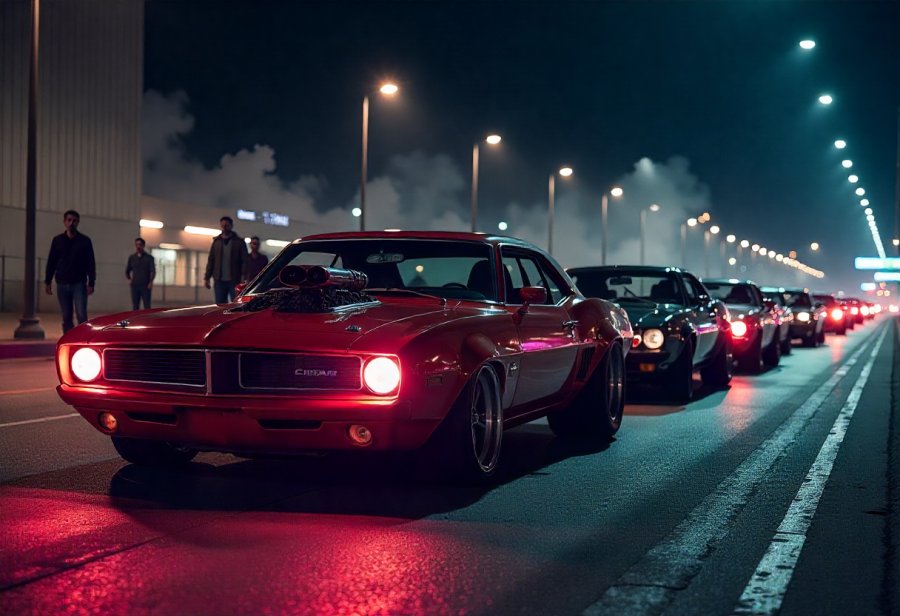
Underground Street Racing: A Heartbeat of Rebellion and Community
Underground street racing isn’t just about the thrill of hitting top speeds; it’s a pulsating subculture fueled by adrenaline, loyalty, and a rebellious spirit. These races take place away from official tracks, often in hidden corners of the city—deserted industrial lots, quiet alleyways, or overlooked residential streets—where racers can push themselves and their cars without interference. The atmosphere is electric, filled with the roar of engines, squealing tires, and the tense anticipation before each start. For many enthusiasts, it’s about more than just winning; it’s about belonging to a community that values trust, brotherhood, and the rush of living on the edge.
The roots of underground racing stretch back to informal gatherings among car lovers seeking an outlet for their passion and desire for speed. What began as spontaneous races among friends has grown into a global movement. As technology became more accessible, racers started modifying their cars to gain an edge—turning everyday vehicles into high-performance machines. Online forums and social media platforms now connect these groups across cities and countries, transforming local spots into parts of a worldwide network. Despite its illegal status, the scene persists, driven by a collective love of speed, innovation, and loyalty.
Street racing’s defining elements—modified cars, nighttime runs, and urban landscapes—make this scene uniquely compelling. Drivers dedicate time and resources to customizing their vehicles, reflecting their personal style and racing philosophy. Night races add an element of secrecy and thrill, as darkness offers cover and heightens the adrenaline rush. The city streets, with their winding alleys, industrial sites, and empty lots, become makeshift racetracks. These locations are chosen for their accessibility and emptiness, providing a stage where skill, courage, and street smarts determine who comes out on top.
But this world isn’t without risks. Law enforcement cracks down through fines, arrests, and vehicle impoundments, while safety concerns—high speeds, unregulated modifications, and inexperienced drivers—can lead to accidents. Communities nearby often face noise complaints and property damage, complicating the scene’s existence. Yet, beyond the dangers, underground racing remains a powerful form of self-expression. For many, modifying cars is a way to showcase creativity, technical skill, and pride—turning machines into symbols of loyalty and achievement.
At its core, underground racing fosters a profound sense of brotherhood that runs deeper than the races themselves. Through shared risks and experiences—winning races, repairing cars after crashes, or standing together during police raids—participants build bonds rooted in trust and loyalty. These relationships create a family-like community, where secret meet-ups and quiet support reinforce their connection. For many, this scene offers a sense of belonging that’s hard to find elsewhere, making it more than just a sport—it’s a way of life that unites people through speed, craftsmanship, and shared values.
Brotherhood and Loyalty: The Soul of Street Racing
Street racing isn’t just about the thrill of speed; it’s about forging a bond that runs deeper than the asphalt beneath the tires. Within these underground circles, loyalty and trust form the foundation of a community that feels more like family than just a group of racers. Over countless nights of victories, setbacks, and close calls, these relationships grow stronger, built through shared experiences and mutual support.
Support is woven into the fabric of this scene—whether it’s advising a newcomer on the best way to tune a car or helping a teammate repair damage after a tough race. Acts of kindness and loyalty are second nature, turning casual acquaintances into lifelong friends. These bonds aren’t just about friendship; they’re about creating a dependable network that stands together in moments of danger, police raids, or mechanical emergencies.
Night racing intensifies this sense of kinship. As darkness cloaks the city, crews gather in secret spots, sharing stories, fueling engines, and preparing for the adrenaline rush ahead. These gatherings become rituals, reinforcing trust and camaraderie with every engine roar and every shared secret. Each race is more than a test of speed—it’s a reaffirmation of loyalty, a way to prove that they’re in this together.
The culture of modification also feeds into this brotherhood. Sharing tips on tuning engines, swapping parts, or showcasing new upgrades sparks pride and collective craftsmanship. Every tweak and upgrade becomes a badge of loyalty, symbolizing dedication not just to speed but to the community’s shared identity. These shared passions turn individual efforts into a collective pursuit, strengthening the bonds that hold them together.
Unwritten rules and secret codes underpin this loyalty. Racers respect boundaries, keep race locations discreet, and look out for each other’s safety. Covering for a teammate or keeping quiet about race details isn’t just etiquette—it’s a way of earning and maintaining trust. These rituals, though informal, are crucial in maintaining the scene’s resilience and ensuring that loyalty endures amidst external threats.
This sense of brotherhood often extends beyond individual crews to entire neighborhoods or regions. Racers from the same area develop a shared identity and pride, representing their community with loyalty and respect. For many, underground racing becomes a symbol of urban pride—more than just a sport, it’s a testament to resilience, loyalty, and shared passion that connects generations.
At its core, underground street racing is a collective story of loyalty, trust, and brotherhood. It’s a scene driven by shared risks, mutual support, and a fierce commitment to each other and the craft. These bonds create a community that endures, thrives, and continues to define the pulse of urban street culture, proving that in racing, as in life, loyalty runs deeper than speed.
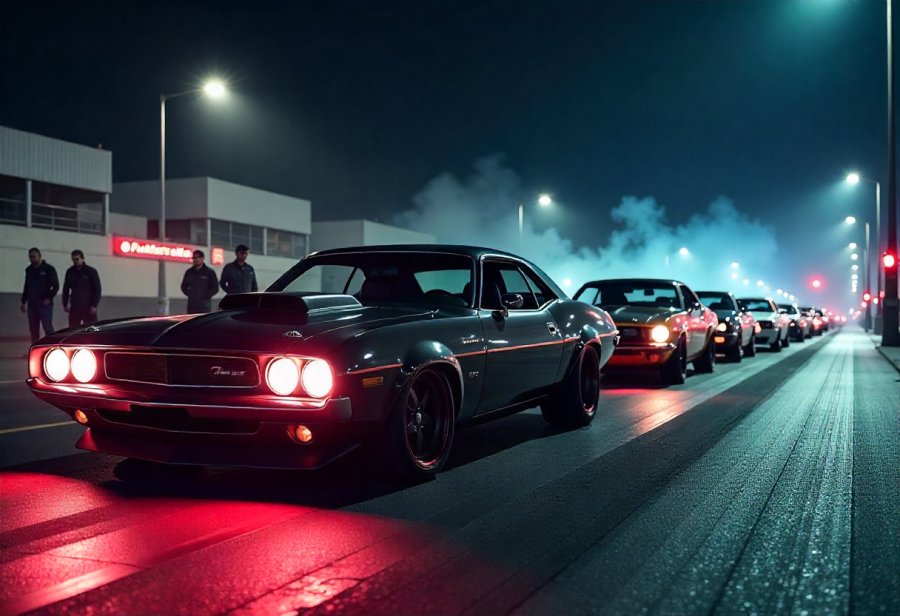
Shaping Society: The Broader Impact of Underground Racing Culture
Underground street racing extends its influence far beyond the adrenaline of quick accelerations and midnight thrill rides. It shapes social identities and cultural expressions in ways that resonate well beyond the scene itself. The style, language, and customs born from these communities often seep into mainstream urban culture—impacting fashion, music, and slang. For many young enthusiasts, racing becomes a form of rebellion and self-expression, offering an alternative to conventional paths and forging a shared identity rooted in creativity, resilience, and defiance.
These racing circles serve as more than just outlets for speed; they are communities that foster a sense of belonging and purpose. In cities like Los Angeles or Tokyo, crews act as extended families, passing down skills, stories, and values across generations. These groups often transform into safe spaces where youth can channel their energy into craftsmanship and technical mastery, developing leadership skills and pride. Their collective effort turns individual modifications into symbols of cultural resilience, turning street cars into moving canvases of urban pride.
Despite their underground nature, these groups influence broader social dynamics, challenging stereotypes about urban youth. They demonstrate ingenuity, craftsmanship, and a desire for respect—traits that often fly under the radar of mainstream society. Their presence sparks conversations about opportunity, community development, and identity, even amidst crackdowns and legal pressures. Many see their culture as a form of resistance—asserting independence and pride in environments that often marginalize them—each act of speed and loyalty a statement of resilience.
Media portrayals, especially in films and online videos, have amplified this influence, elevating street racing’s cultural footprint. The “Fast and Furious” franchise, for example, romanticized the brotherhood and adrenaline, inspiring fashion trends and youth attitudes worldwide. While these depictions sometimes glamorize the danger, they also highlight themes of loyalty, ingenuity, and community. This exposure fuels new generations’ interest in automotive creativity and street culture, encouraging them to embrace innovation responsibly while respecting the scene’s core values.
Technological advancements are pushing underground racing into new territories of sophistication. Modern tuning software, lightweight materials, and aerodynamic upgrades open avenues for more refined modifications and safer practices. These innovations foster a culture of technical mastery, attracting enthusiasts eager to push boundaries responsibly. However, they also increase risks, making safety awareness and responsible craftsmanship vital to the scene’s sustainability. Striking a balance between cutting-edge innovation and caution will be key to its evolution.
Looking ahead, the future of underground street racing depends on its ability to adapt without losing its rebellious spirit. More organized, sanctioned events could offer safer venues while preserving the brotherhood and loyalty that define the culture. Building trust with authorities and communities through responsible practices and open dialogue can help legitimize the scene and ensure its longevity. As the scene continues to evolve, it will rely on its deep roots in loyalty, resilience, and creativity—qualities that keep the pulse of underground racing alive and thriving in urban landscapes around the world.
Insights from the Insiders: Expert Perspectives on Racing Safety and Brotherhood
Many seasoned racers and insiders agree that while the adrenaline rush and brotherhood are what draw people into underground street racing, safety must always come first. They emphasize that responsible modifications—like upgrades that improve vehicle control—are essential to reduce risks during high-speed runs. Pushing a car beyond its limits without proper safety measures can lead to tragic accidents, so experienced racers often advise newcomers to learn the basics first and avoid reckless upgrades that compromise stability.
Building trust within these communities is another key point insiders highlight. The unspoken rules—such as choosing discreet locations and respecting each other’s boundaries—are what maintain safety and cohesion. Veterans frequently share stories of acts of support, like helping a teammate troubleshoot mechanical issues or sharing spare parts after a race, which strengthen bonds that go far beyond just racing. This mutual reliance turns casual drivers into a dependable brotherhood rooted in trust and responsibility.
Establishing good relationships with local authorities and residents is also crucial. Some racing groups actively participate in community outreach or safety initiatives, demonstrating that responsibility and respect can coexist with their passion for speed. When racers communicate openly and show they respect the neighborhood, it reduces tension and helps sustain the scene. This approach fosters understanding and can even open doors to organized, sanctioned events that preserve the core values of loyalty and brotherhood.
Mentorship plays a vital role in maintaining the integrity of underground racing. Experienced racers often take newcomers under their wing, teaching them proper driving techniques and emphasizing the importance of respecting the community’s unwritten codes. This passing down of knowledge instills a sense of responsibility and safety awareness, helping prevent reckless behavior that could threaten everyone’s safety. It also preserves the scene’s energy and passion for future generations.
Responsibility and accountability are increasingly part of the scene’s culture. Leading by example—through safe driving practices, responsible modifications, and community engagement—helps elevate the scene’s reputation. When veteran racers prioritize safety alongside loyalty, they demonstrate that brotherhood isn’t just about winning races but looking out for each other’s well-being. This mindset helps protect both participants and the neighborhoods where racing occurs, making the scene more sustainable.
Many insiders see underground street racing as more than a reckless sport; it’s a craft and form of artistic expression. When driven responsibly, modifications and racing can be disciplined pursuits that showcase technical mastery and creativity. The true spirit of brotherhood involves supporting each other to push limits safely, turning risk into responsible innovation. When safety and passion work together, the scene can grow responsibly while staying true to its roots of loyalty and community.
In the end, the future of underground racing depends on balancing its rebellious spirit with safety and responsibility. Experienced racers and community leaders agree that fostering trust, encouraging mentorship, and promoting safe practices are essential steps. By embracing innovation responsibly and maintaining respect for boundaries, the scene can continue to thrive without losing its core identity. This ongoing evolution relies on the commitment of those who see racing as more than just speed—a shared culture rooted in loyalty, craftsmanship, and brotherhood.
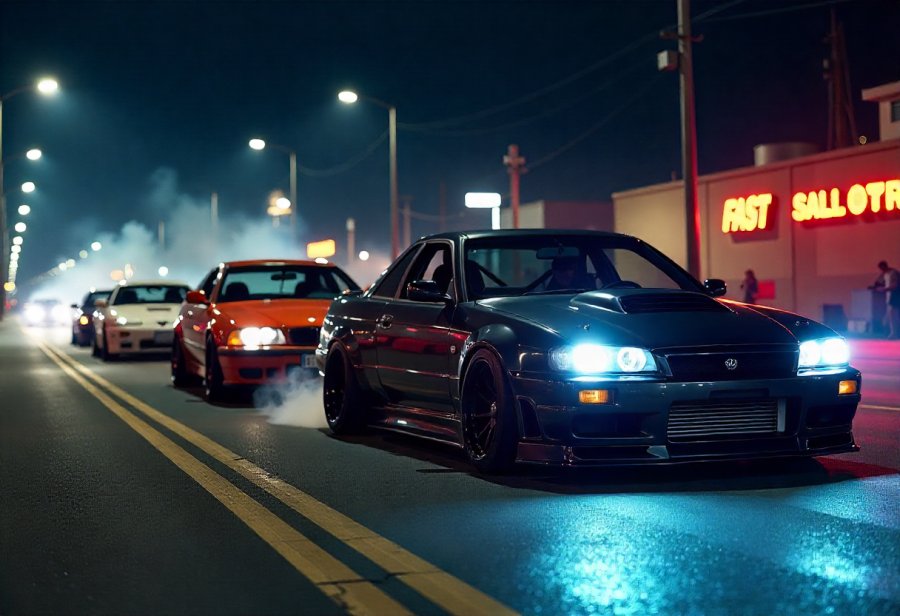
Driving into the Future: Trends and Challenges in Underground Street Racing
As underground street racing continues to evolve, its future holds a mix of exciting opportunities and notable challenges. Advances in technology, like smarter tuning devices and innovative modifications, are making racing more accessible and safer for enthusiasts. These innovations foster creativity and technical mastery, inspiring new generations to develop their skills responsibly. However, increasing legal restrictions and safety concerns are driving the scene further underground, where secrecy becomes even more essential. Balancing cutting-edge innovation with regulation will shape how underground racing adapts in the years ahead.
Many within the community see potential for more organized, sanctioned events that preserve brotherhood and loyalty while promoting safety. Such initiatives could create safer venues, maintaining the adrenaline and camaraderie that define the culture. If managed thoughtfully, these steps might lend legitimacy and respectability to underground racing, helping it sustain momentum over time. The key will be to uphold the scene’s rebellious spirit and trust-based bonds, even as it shifts toward a more structured future.
Looking ahead, the ability of the scene to embrace safety and responsibility will determine its longevity. Responsible modifications, discreet racing spots, and open dialogue with authorities can reduce conflicts and improve public perception. Mentorship from veteran racers will play a crucial role, passing down principles of respect, caution, and community care. When experienced members lead by example, they help ensure that the passion for speed doesn’t come at the expense of safety or community trust.
Technological progress will likely continue to push the boundaries of what’s possible on city streets. Advanced tuning software, lightweight materials, and aerodynamic upgrades fuel innovation, attracting enthusiasts eager to refine their craft. But with greater power comes higher risks, making safety awareness and responsible craftsmanship vital. Striking a balance between pushing limits and protecting participants will be essential for the scene’s sustainable growth and ongoing vitality.
Despite the hurdles, the core values of loyalty, brotherhood, and a shared love of speed remain strong. The scene’s resilience depends on how well it can stay true to its roots while adapting responsibly to new realities. By fostering a culture that values respect and innovation alike, underground racing can continue to thrive as a vital part of urban culture. Its future will be defined by those who see speed not just as a thrill, but as a way to build community, craft, and lasting bonds that transcend the streets.