Nylon, a ubiquitous material woven into our daily lives—from clothing and carpets to industrial components—revolutionized manufacturing with its strength, elasticity, and affordability. Yet beneath its practicality lies a complex web of environmental consequences, driven by reliance on fossil fuels during its production. The chemical processes involved release greenhouse gases and pollutants, contaminating ecosystems and contributing to climate change. Moreover, nylon’s durability means it persists in landfills for centuries, fragmenting into microfibers that threaten marine life and soil health. As awareness grows, efforts to recycle nylon and develop sustainable biobased alternatives are underway, but challenges remain in scaling these solutions. Will technological innovation and responsible practices bridge the gap between nylon’s utility and its environmental toll? This compelling story urges us to reconsider the true cost behind the convenience of this synthetic fiber and to seek a more sustainable future.
Nylon’s Ubiquity and Hidden Power in Daily Life
Nylon is one of those materials that’s almost impossible to miss in modern life. Whether it’s the tights we wear, the carpets under our feet, or the gear used in sports and outdoor activities, nylon pops up everywhere. Its widespread presence isn’t accidental—it’s thanks to its unique blend of strength, elasticity, and affordability. When nylon was first introduced in the mid-20th century, it revolutionized the textile industry by offering a durable, inexpensive alternative to natural fibers like silk, cotton, and wool. Since then, it’s become a cornerstone of countless everyday products, quietly shaping the way we live.
What makes nylon particularly indispensable is not just its versatility but also its practicality. It resists wear and tear remarkably well, keeps its shape over time, and can be produced at a low cost, making it accessible to mass markets. From the durable fibers in our clothing to the industrial strands used in ropes, fishing lines, and car parts, nylon’s ability to be spun into fine or thick strands has opened up a multitude of possibilities. Its durability means products last longer, which appeals to manufacturers and consumers alike—yet behind this convenience lies a complex story of chemical innovation and industrial scaling.
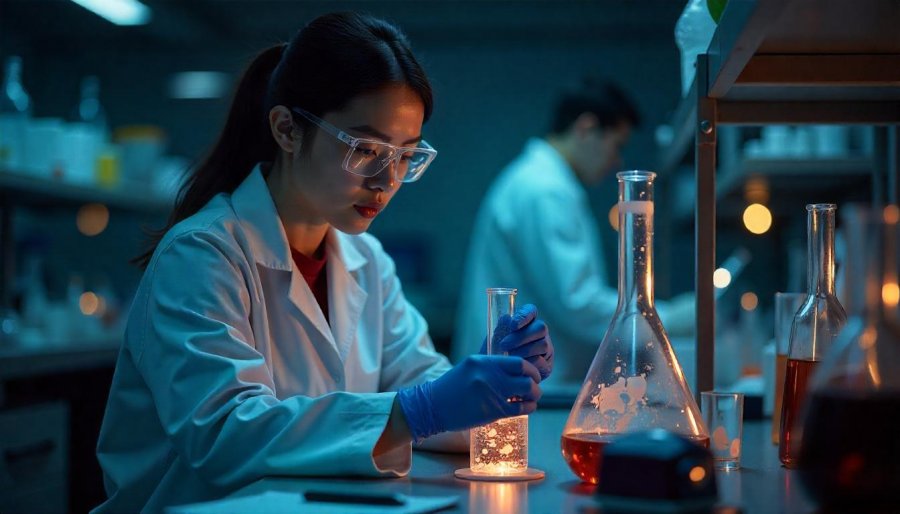
The origins of nylon trace back to the 1930s, when chemists at DuPont aimed to develop a fiber that could match silk’s strength but be produced more cheaply. Their breakthrough came with the discovery of condensation polymerization—a process that links small molecules called monomers into long, stable chains. These chains form the backbone of nylon’s structure, enabling it to be spun into fibers that are both strong and flexible. This chemical innovation not only transformed textiles but also sparked a wave of synthetic materials that would reshape manufacturing across industries worldwide.
Producing nylon involves sourcing raw materials primarily from petrochemicals like crude oil and natural gas. These fossil fuels are processed into chemical building blocks such as hexamethylenediamine and adipic acid through a series of complex reactions involving oxidation, distillation, and synthesis. Once prepared, these monomers are fed into large reactors where they undergo condensation polymerization, creating long chains of nylon. The resulting material is then melted and extruded through tiny nozzles to form fibers, which can be woven into fabrics or molded into various shapes. While efficient for large-scale production, this process is energy-intensive and depends heavily on non-renewable resources.
The environmental footprint of nylon production is significant. Its reliance on fossil fuels means that each step—from raw material extraction to fiber creation—contributes to greenhouse gas emissions and pollution. Manufacturing facilities release volatile organic compounds and nitrous oxide, a potent greenhouse gas, into the atmosphere. Water used during production can become contaminated with chemicals, risking local ecosystems and communities. These pollutants don’t stay confined to factories; they disperse widely, adding to the larger issues of plastic pollution and ecological degradation associated with synthetic fibers.
Once in use, nylon products tend to last for decades because of their durability and resistance to wear. However, this longevity also means that nylon waste accumulates in landfills for hundreds of years. As these materials slowly break down, they fragment into microfibers, tiny plastic particles that contaminate soil and waterways. During washing, small fibers shed from nylon garments often escape filtration systems, ending up in oceans and threatening marine life that can mistake them for food. The persistence of nylon in the environment exemplifies the double-edged nature of this material’s utility—convenient yet potentially harmful.
As awareness of these environmental impacts grows, efforts are underway to develop more sustainable alternatives. Recycling existing nylon—such as from fishing lines, carpets, or discarded garments—can help reduce reliance on virgin petrochemicals and keep plastic waste out of ecosystems. Advances in chemical recycling aim to break nylon waste back into its basic monomers, enabling repeated reuse without quality loss. Researchers are also exploring biobased fibers derived from renewable sources like algae or plants, which could replace traditional nylon altogether. While these innovations hold promise, scaling them to meet global demand remains a challenge, underscoring the need for continued innovation and responsible production practices.
From Chemistry to Industry: The Birth and Production of Nylon
Nylon’s story begins in the 1930s, when chemists at DuPont set out to create a revolutionary fiber that could rival silk in strength and durability but be produced more cheaply. Their efforts led to the breakthrough discovery of condensation polymerization, a process that links small molecules called monomers into long, stable chains. This chemical innovation formed the backbone of nylon’s structure, allowing it to be spun into fibers suitable for textiles and industrial uses alike. It was a game-changer, not just for the textile industry but for manufacturing as a whole, opening the door to a new era of synthetic materials that would reshape everyday life.
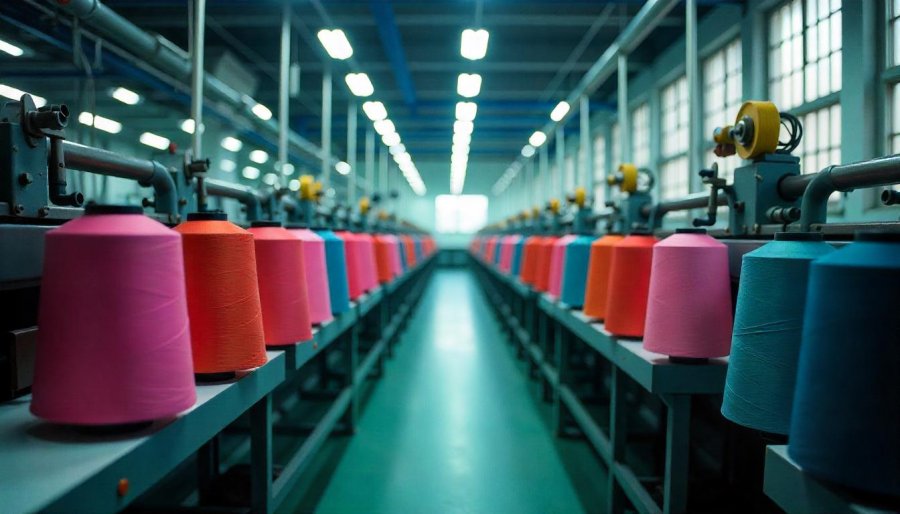
The key to producing nylon lies in its chemical origins, primarily derived from petrochemicals like crude oil and natural gas. These fossil fuels are processed through a series of complex reactions—oxidation, distillation, and synthesis—to create the essential building blocks, such as hexamethylenediamine and adipic acid. Once these monomers are prepared, they’re fed into large industrial reactors where they undergo condensation polymerization. During this process, the monomers chemically bond, forming long, stable chains of nylon polymer. This method is highly efficient and scalable, enabling manufacturers to produce vast quantities of nylon fibers rapidly to meet global demand.
Once the polymer chains are formed, they are melted and extruded through tiny nozzles to create fibers. These molten strands are then cooled, stretched, and treated to increase their strength and elasticity. The resulting fibers can be woven into fabrics or molded into various shapes, making nylon incredibly versatile. While the process is optimized for mass production, it is energy-intensive and heavily reliant on fossil fuels. The chemical reactions involved also release pollutants such as volatile organic compounds and nitrous oxide, a potent greenhouse gas, contributing to climate change and local air quality issues. This industrial process, though efficient, leaves a significant environmental footprint that’s often overlooked.
Beyond the factory, the environmental impact of nylon persists throughout its lifecycle. Its durability means nylon products—ranging from clothing and carpets to fishing lines and car parts—can last decades, but this longevity comes at a cost. Nylon waste accumulates in landfills for hundreds of years, slowly breaking down into microfibers that contaminate soil and waterways. During washing, tiny fibers shed from nylon garments often escape filtration systems, ending up in oceans where marine animals ingest them, mistaking them for food. This persistent presence in ecosystems highlights the complex relationship between nylon’s utility and its ecological footprint, revealing the hidden costs of a material praised for its durability.
Efforts are now underway to address these challenges and develop more sustainable alternatives. Recycling existing nylon—such as from fishing lines, carpets, and discarded garments—can reduce reliance on virgin petrochemicals and help divert plastic waste from ecosystems. Advances in chemical recycling techniques aim to break down nylon waste into its basic monomers, enabling repeated reuse without degrading quality. Researchers are also exploring biobased fibers derived from renewable resources like algae or plants, which could eventually replace traditional nylon altogether. While these innovations show promise, scaling them to meet global demand remains a significant hurdle. Continuous innovation and responsible production practices are essential to balancing nylon’s benefits with its environmental costs, ensuring a more sustainable future for this ubiquitous material.
Balancing Benefits and Burdens: The Current Challenges of Nylon in Our World
Nylon remains a dominant force across a wide range of industries, thanks to its unmatched combination of durability, affordability, and versatility. From activewear and hosiery to fishing lines, automotive components, and carpets, it’s woven into the fabric of everyday life in ways many of us don’t often notice. Its resilience and resistance to wear make it an appealing choice for products designed to last, which sustains high demand. However, this very durability presents a significant challenge: nylon products can persist in landfills for hundreds of years, gradually breaking down into microfibers that pollute soils and waterways. These tiny particles are increasingly recognized as a threat to ecosystems and marine life, as they often end up ingested by animals or dispersed into the environment.
The environmental impacts tied to nylon are layered and complex. Its production relies heavily on fossil fuels, with manufacturing processes emitting substantial greenhouse gases and hazardous pollutants. Factories release volatile organic compounds and nitrous oxide, a potent greenhouse gas, into the atmosphere, fueling climate change. Water contamination is another serious concern; wastewater from nylon factories often contains residual chemicals that seep into nearby rivers and lakes, harming aquatic ecosystems and local communities. These pollutants don’t stay confined to manufacturing sites—they travel far and wide, exacerbating the global plastic pollution crisis and contributing to the degradation of ecosystems worldwide.
As awareness of these issues grows, the market is gradually shifting toward more sustainable practices. Recycled nylon, made from existing plastic waste such as fishing lines, carpets, and discarded garments, offers a promising alternative to virgin petrochemical production. Recycling not only reduces the demand for new fossil fuels but also helps divert plastic waste from landfills and oceans. Advances in chemical recycling techniques aim to break nylon waste down into its basic monomers, enabling their reuse without quality loss, thus supporting a circular economy. Meanwhile, researchers are exploring biobased fibers derived from renewable resources like algae and plants, which could eventually replace traditional nylon altogether, reducing environmental harm from raw material extraction.
Despite these promising developments, scaling sustainable alternatives remains a major hurdle. Recycling processes are often costly and technically challenging, limiting widespread adoption. In many regions, lax regulations and outdated manufacturing practices still dominate, allowing environmentally harmful methods to persist. The durability that makes nylon so useful also complicates waste management; many products are discarded long before reaching their end of life, contributing to the persistent problem of plastic waste. Additionally, microfibers shed during laundering escape filtration systems, entering oceans and threatening marine species that mistake them for food. These interconnected issues highlight the urgent need for systemic change—through improved waste management, innovative materials, and stronger policies—to mitigate nylon’s environmental footprint.
Addressing the challenges posed by nylon requires concerted effort from industry, government, and consumers alike. Governments can implement stricter emissions standards, support recycling infrastructure, and incentivize the development of sustainable materials. Consumers play a crucial role by choosing products made from recycled or biobased nylon and adopting habits that reduce microfiber pollution, like washing clothes less frequently or using filters. Industry leaders must prioritize transparency and invest in cleaner production methods, embracing innovations that lessen environmental impacts. While nylon’s utility isn’t likely to disappear overnight, balancing its benefits with responsible practices is essential to minimize ecological harm and move toward a more sustainable future.
Ultimately, the story of nylon underscores the broader challenge of reconciling industrial progress with environmental stewardship. Its role in modern life is undeniable, but so too is its environmental cost. Recognizing these trade-offs can inspire smarter choices—whether through technological innovation, policy reform, or individual action—that push the industry toward greener practices. The transition to sustainable alternatives isn’t simple or immediate, but it’s necessary if we want to protect ecosystems and ensure that the convenience nylon provides today doesn’t come at the expense of future generations. Nylon’s future depends on our collective ability to rethink how we produce, use, and dispose of this pervasive material, fostering a balance between innovation, responsibility, and ecological health.